





Know Us
Menu
- Know Us
- Overview
-
Tata Power, formerly a part of the three entities jointly known as Tata Electric Companies, is one of India's largest Integrated Power Company.
The Company is a pioneer in technology adoption, with many firsts to its credit, supporting the country's energy independence.
Know more
-
- Leadership
- Vision, Mission & Values
- Our Heritage
- Company Documents
-
Company Documents
- Geographical Footprints
-
Geographical Footprints
- Subsidiaries, JV's & Associates
- Awards & Recognition
Know Us

- Overview
- Energy Solutions
- Overview
-
As India's largest integrated power company, Tata Power aims to be the partner of choice for all our stakeholders and usher in a future of smart energy solutions for our customers.
The Company is leading the change in the Utility sector in India by committing to a sustainable tomorrow to achieve Carbon Neutrality much before 2050.
Know more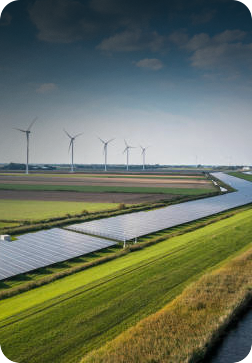
-
- Renewable Generation
-
Renewable Generation
- Conventional Generation
-
Conventional Generation
- Transmission & Distribution
-
Transmission & Distribution
- Power Trading
- Next Gen Power Solutions
-
Next Gen Power Solutions
Energy Solutions
- Overview
- Sustainability
- Sustainability @Tata Power
-
With #SustainableisAttainable at the heart of our operations, Tata Power leads the way in the generation of clean and green energy contributing to the reduction of carbon emissions.
With a 30% clean energy portfolio, Tata Power commits to being Carbon 'Net Zero' before 2045 with a focus alternate clean sources of power and smart energy solutions.
Know more
-
- ESG Profile
- UNSDG Alignment
-
UNSDG Alignment
- Partnerships
- Environment
-
Environment
- Social
-
Social
- Sustainability Governance
-
Sustainability Governance
- Sustainability Resource Centre
-
Sustainability Resource Centre
Sustainability
- Sustainability @Tata Power
- Investors
- Overview
-
Tata Power has consistently delivered sustained value to its stakeholders and constantly challenged the status quo for continuous improvement and better service delivery.
We believe in delivering growth at scale while creating shareholder value through our services and operations.
Know more
-
- Why Invest In Tata Power
- Tata Power Fact Sheet
- Financials
-
Financials
- Corporate Governance
-
Corporate Governance
- Regulatory
-
Regulatory
- Investor Resources
-
Investor Resources
- ESG
-
ESG
- Investor Support
-
Investor Support
Investors
- Overview
- People
- Life @ Tata Power
-
Tata Power believes that investment in people and their potential is one of the greatest investments. For this, we are constantly in search of talent that can perform excellently with determination and win.
Our HR policies are designed to unleash latent capability by fostering continuous learning and performance-based culture where our people have the opportunity to grow and succeed.
Know more
-
- Student/Intern Programs
- Learning & Development
- Diversity & Inclusion
- Opportunities
-
Opportunities
People
- Life @ Tata Power
- Media
- Overview
-
From pioneering renewable energy projects to innovative customer solutions, Tata Power continues to shape the future of sustainable energy.
Explore our media updates to stay informed on our journey towards a greener, brighter tomorrow.
Know more
-
- Media Resources
-
Media Resources
- Blog Articles
- Social Media
Media
- Overview
- Tenders
- Contact Us
