We are Purpose.Full

What matters to our employees


Material topics

M1Climate change
M3Customer engagement
M4Workforce well-being
M5Social responsibility
M7Corporate governance

Capital linkage

HHuman

SBOs

S6

UNSDGs

SDG 5 Gender Equality SDG 8 Decent Work and Economic Growth SDG 9 Industry, Innovation and Infrastructure SDG 10 Reduced Inequalities SDG 3 Good Health and Well-being

People power our purpose and performance

Our people approach rooted in the pillars of sustainability, oneness & growth, fosters a safe, inclusive and caring workplace where employees grow, collaborate as one team and contribute meaningfully to society and the energy transition agenda. Through focused welfare and engagement initiatives, we strengthen trust and long-term commitment while building a resilient, future-ready workforce aligned with sustainable organisational success.


Metrics at a glance

Total male employees: 20,852

3,855<30 years
13,54430-50 years
3,453>50 years

Total female employees: 2,493

1,301<30 years
1,00830-50 years
184>50 years

Engaging with employees

How we engage
  • Training and seminars
  • Continuous feedback and reviews
  • HR programmes and initiatives
  • Employee surveys
  • Departmental meetings
  • Townhalls
  • Quarterly communication
Frequency of interaction
  • Daily
  • Monthly
  • Quarterly
  • Annually
  • Need-based
Stakeholder recommendations
  • Work-life balance
  • Transparent appraisal and promotion policy
  • Stability of internal policy
  • Fair remuneration structure
Response to the stakeholders
  • Encourages a work culture which respects employees' needs and aspirations
  • Robust appraisal system and redressal process
  • Benchmarking salary structure to be among the best in the industry

Cultivating a climate-conscious culture

Promoting aZero-emissionsworkplace through on-campus electric vehicles
EmpoweringEmployeeswith the Climate Crew platform to support their sustainability journey
Reducingtravel-related emissions via a dedicated Green Mobility app
Advancinga paperless office culture to minimise resource use
Enablinglow-carbon talent acquisition through virtual hiring for campus recruitment

Total employee base

Employee category FY25 FY26
Female Male <30 30-50 >50 Total Female Male <30 30-50 >50 Total
Senior Management 25 496 - 207 314 521 30 503 1 227 305 533
Middle Management 184 1,729 4 1,408 501 1,913 208 1,985 4 1,631 558 2,193
Junior Management 1,616 8,620 4,176 5,423 637 10,236 1,691 8,560 4,301 5,316 634 10,251
Workmen 444 9,458 485 7,362 2,055 9,902 424 9,100 461 7,064 1,999 9,524
FDA + SE 162 934 608 315 173 1,096 140 704 389 314 141 844
Total 2,431 21,237 5,273 14,715 3,680 23,668 2,493 20,852 5,156 14,552 3,637 23,345

Includes only manpower numbers of Tata Power, TPREL (including its subsidiaries), TPRMG, PTL, MPL, IEL, TPTCL, TPADL, TPIPL, TERPL, TPCDT, FENR, NELCO, TPDDL, TPSODL, TPCODL, TPWODL, TP Bikaner and TPNODL

Talent acquisition and retention

Focus area

  • Hiring early talent from premier institutions and diverse disciplines to build a future-ready workforce
  • Digitising recruitment through platforms like AON to improve scale, speed and candidate experience
  • Strengthening onboarding through the Recruit, Ready, Engage, Excel approach to set trainees up for success
  • Aligning talent to roles using a Business Persona-based Cadre Recruitment model that maps skills to job needs
  • Enabling lateral hiring to bring in fresh perspectives and support growth
  • Developing grassroots talent through partnerships with local authorities to build training centres for skill development
Employee onboarding and engagement

Initiatives and progress during FY26

  • 523 trainees onboarded, placing us among India's largest campus recruiters in the utility sector
  • Structured induction and engagement programmes enabled the seamless integration of young professionals
  • Persona-based hiring refined candidate-job alignment, strengthening development outcomes
  • Lateral hiring and local partnerships expanded to address evolving skill needs

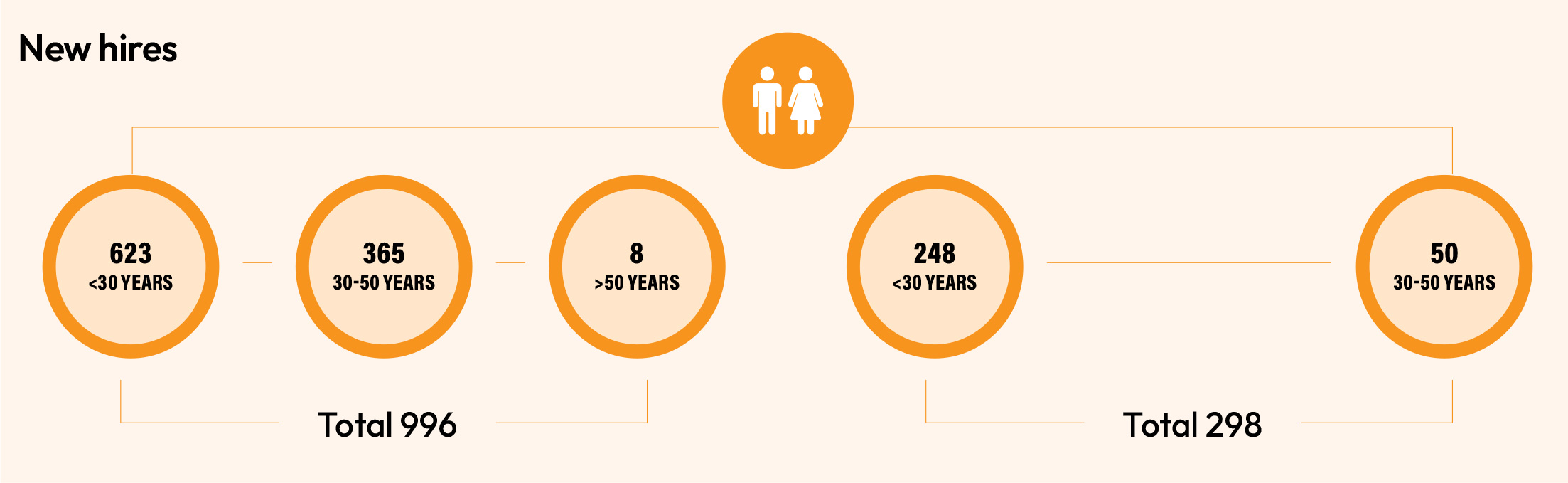
New hires

Employee category FY25 FY26
Female Male <30 30-50 >50 Total Female Male <30 30-50 >50 Total
Senior Management 1 8 - 6 3 9 1 12 - 9 4 13
Middle Management 8 36 - 40 4 44 5 41 - 43 3 46
Junior Management 259 901 749 406 5 1,160 188 674 580 282 - 862
Workmen 19 127 51 94 1 146 9 87 67 29 - 96
FDA + SE 118 419 463 73 1 537 95 182 224 52 1 277
Total 405 1,491 1,263 619 14 1,896 298 996 871 415 8 1,294

Campus hiring

Trainee type Qualification Number of trainees hired No. of institutions Classification of institutes
MT MBA Tier 1 & 2 14 6 B schools
ET MBA Tier 3 33 21
ET CSR 7 1
ET BA LLB, B.Com. LLB 4 3
PGT MA 5 3
GET B.E./B.Tech 273 54 Engineering institutes
PGET M.Tech 3 3
FT CA 21 1 Chartered accountancy (ICAI)
GT B.Com./BBA/ Chemistry 20 9 Graduate institutes
DEA Diploma 143 51 Diploma institutes
Total 523 152

Employee welfare and engagement

Focus area

  • Placing people at the centre of performance, with growth, well-being across physical, mental, social and financial dimensions, oneness and engagement driving long-term value
  • Anchoring our people approach in the 'A Fuller Life' framework to enable balance, resilience and fulfilment
  • Creating a safe, inclusive and Purpose.Full workplace where employees can thrive
  • Embedding safety as a core value through robust systems and shared accountability
  • Building future readiness through continuous learning, leadership development and internal mobility
  • Encouraging meritocracy through structured rewards, recognition and fair compensation
  • Enhancing engagement through regular feedback, leadership connect and experience-led interventions
  • Maintaining a positive work environment through workplace amenities, community participation and belonging

Climate Crew

  • Driving climate action through the Climate Crew – Employee Changemaker initiative, aligned with India's Mission LiFE
  • Building a culture of individual responsibility and collective environmental stewardship
  • Promoting employee-led innovation in energy saving, waste reduction and resource conservation
  • Promoting community engagement via tree plantations, clean-up drives, and awareness campaigns
  • Integrating sustainability into daily actions through workshops, seminars and campaigns

Initiatives and progress during FY26

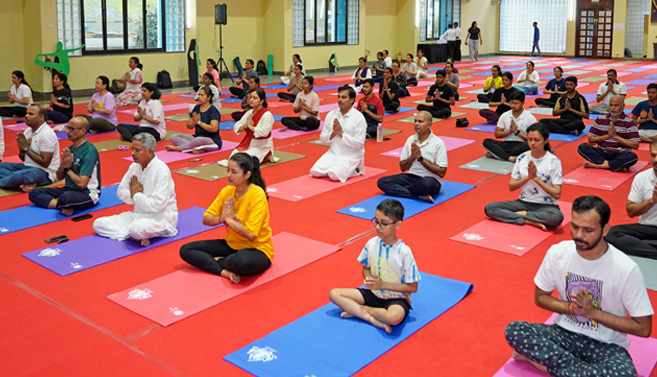
  • Advanced well-being initiatives under 'A Fuller Life' through interventions centred on stress, mindfulness, financial health, nutrition and preventive care, complemented by fitness and sports initiatives
  • Strengthened the CARE programme to enable early risk identification and proactive, data-led health support across sites
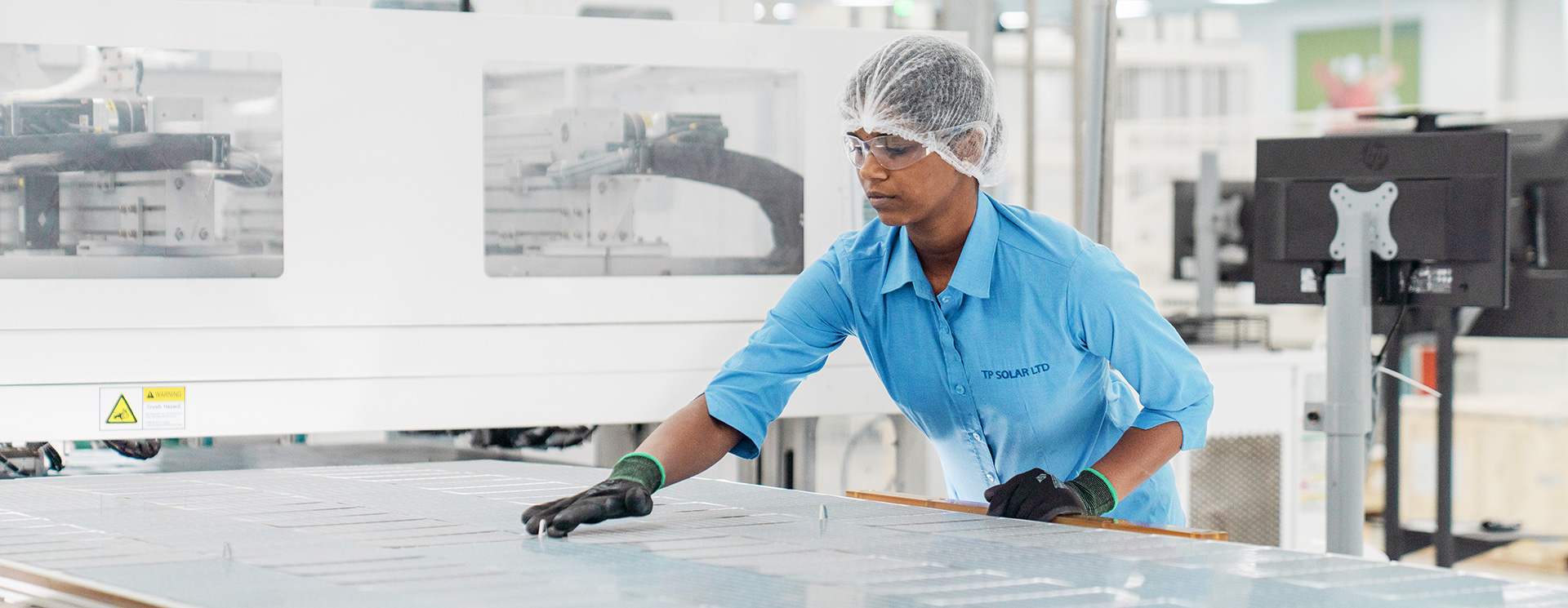
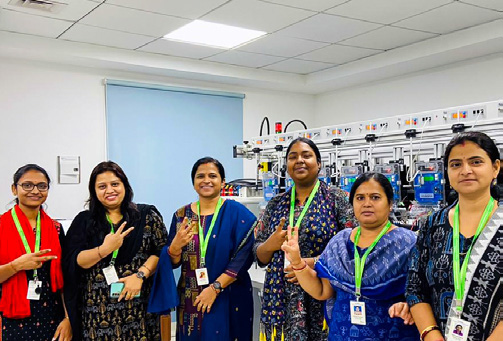
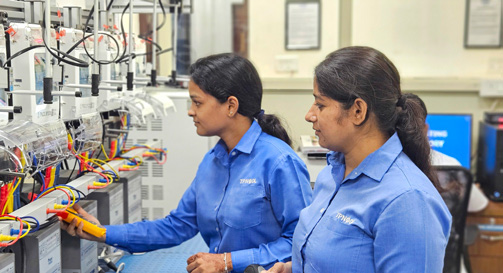
  • Progressed inclusion through targeted initiatives such as the Iron Women Programme at TP Solar
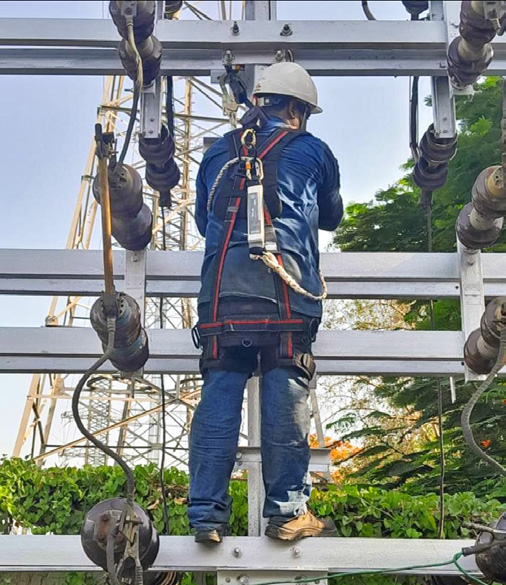
  • Reinforced safety through audits, training, PPE provision and a Safety Rewards & Recognition framework
  • Enabled capability building through structured learning, leadership programmes and action-oriented development interventions
  • Recognised contributions through monthly, quarterly and annual awards, supported by performance-linked incentives
  • Deepened engagement through surveys, continuous feedback and leadership interactions
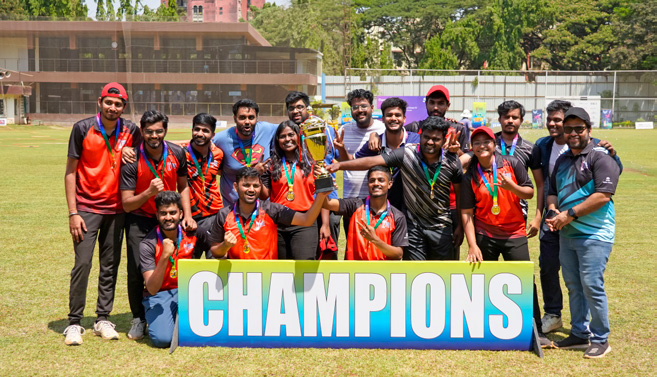
  • Drove participation in initiatives such as MyWorkplace MyHappyPlace, Festithons, Ullas, Cricket Premier League, Long Service Awards and Annual Awards
  • Strengthened community and belonging through family-inclusive events and shared celebrations
  • Continued provision of workplace amenities including cafeterias, recreational spaces, hygienic facilities and transportation
  • Encouraged participation in community initiatives to build pride and connect with organisational purpose

Learning and development

Focus area

  • Embedding learning as a strategic enabler for individual growth and organisational transformation
  • Implementing the 4P approach—Precision, Parity, Partnership and Penetration—to build a unified, future-ready learning culture
  • Creating learning experiences that are standardised yet personalised, collaborative yet business-focused, and outcome-driven
  • Leveraging technology and corporate–cluster synergy to strengthen capability building
  • Accelerating development of future skills to keep the workforce agile, empowered, and leadership-ready

Learning ecosystem

  • Aligning learning and capability building with business priorities, industry evolution, and individual career aspirations
  • Serving diverse talent segments, from senior leaders and technical experts to emerging high performers, through targeted interventions
  • Translating business imperatives (strategy, regulations, technology shifts, customer expectations, and people-capability goals) into actionable learning priorities
  • Defining specific skills, behaviours, and knowledge employees need to stay effective, compliant, and future-ready
  • Categorising talent pools by roles, responsibilities, and potential to ensure learning is relevant and tailored
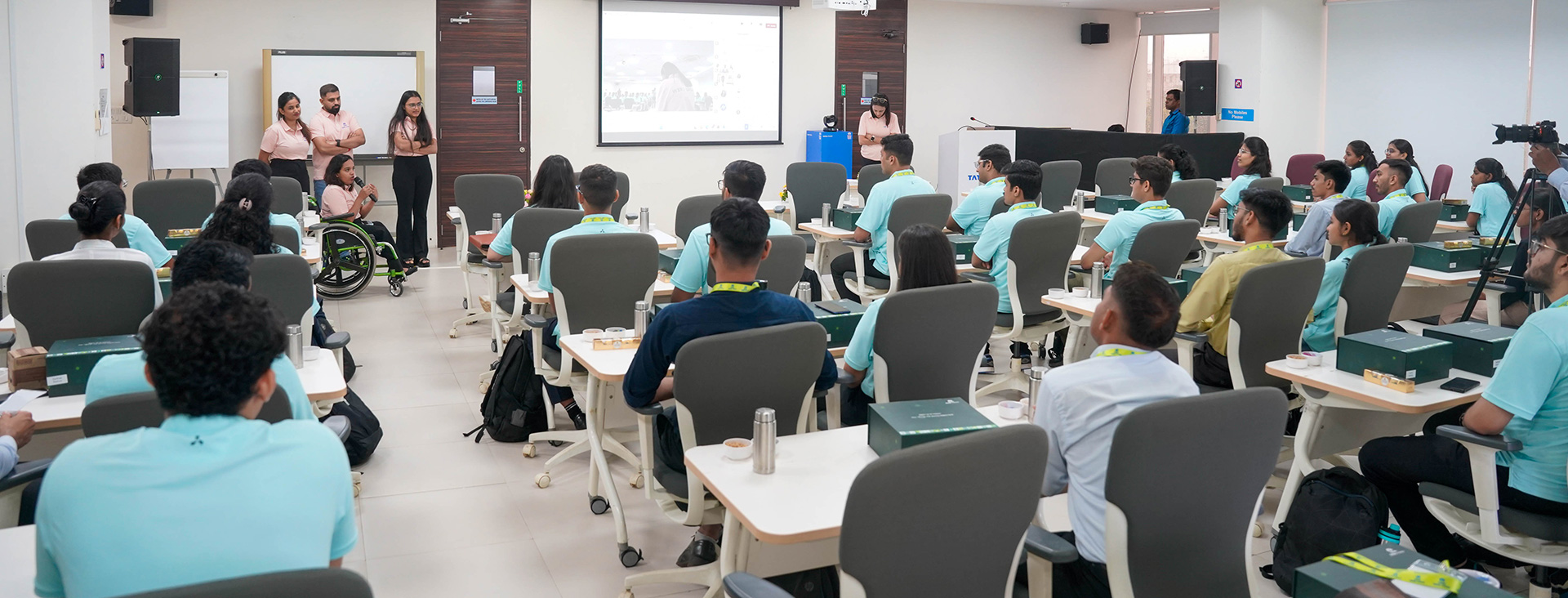
Learning and development classroom session

Learning ecosystem

Learning imperatives
Tata Group imperatives
  • Group Vision, Values & Purpose
  • Group Strategic Themes & Transformation Direction
  • Regulatory & Governance Mandates
Organisation and business imperatives
  • Organisational Growth & Expansion Plans
  • Annual Strategy & Business Plan Priorities
  • Enterprise-wide Cultural Shift & Change Initiatives
External and environmental imperatives
  • Market, Customer & Operating Context Needs
  • Business-specific Technology & Process Enablement
  • Role-critical & Functional Capability Requirements
People and capability imperatives
  • Career Aspirations & Internal Mobility Intent
  • Role Proficiency & Readiness Needs
  • Cohort-based Development Expectations
  • Employability, Continuous Learning & Personal Growth
Learning needs
  • Values, ethics and ESG-aligned capability building
  • Regulatory, industry and technology preparedness
  • Leadership strength and succession readiness
  • Strategy and business plan execution capability
  • Future-ready culture and ways of working
  • Digital, data, AI and functional capability enhancement
  • Business and role-critical capability depth
  • Market-, customer- and operations-aligned skills
  • Process excellence, automation and digital enablement
  • Safety, compliance and operational excellence
  • Talent mobility, role readiness and employability
Talent pools
Senior leadershipIdentified successorsFirst-line people leadersSolid citizensTalent NXTsUnionised workers Mid-level leadershipEmerging high-performing talentCritical role holdersBU/function-specific teamsCadre traineesSpecialists/ technical expertsBusiness Associates
Learning drivers
Building the bridges Climbing the ladders
Future Skill Academies
  • Digital & AI Academy
  • Project Management Academy
  • Skills & Safety Academy
Functional Development
  • Academic Collaborations
  • Competency Based Development
  • TPSDI
  • OEM Certifications
Leadership Development
  • Tata Power Leadership Development Programmes
  • Tata Group Leadership & Functional Development Programmes
  • First-Time Managers Development Programme
  • Manager Excellence Programme
  • ASPIRE
Customised Programmes for Career Development
  • Campus to Cadre Programme
  • Talent NXT Journey
  • Custom Content Courses
  • Train the Trainer Programme (TesTrain)
  • Talent Rise
Individual Growth & Support
  • Higher Education Support Policy
  • Work Integrated Learning Programme
  • Competency-Based Development
  • Focus Group Trainings
Pedagogies
ILT, VILT & Blended LearningE-Learning (Gyankosh)CoachingTechnical and Role-based CertificationsMentoringAction Learning ProjectsAssessment Development CentresSimulation InnoriseAI-powered Role Play ConversationsJob Shadowing/ Rotation/ EnrichmentSeminars/ EventsCross Functional TrainingsKnowledge Sharing SessionsCustom JourneysExhibitions
Impact envisioned
  • Higher Productivity
  • Standardised Operating Discipline
  • Improved Cross-Cluster Collaboration
  • Greater Tech Adoption
  • Stronger Critical-Role Pipeline
  • Higher Engagement & Retention
  • Strengthened People Leadership
  • Greater Process Efficiency
  • Standardised Functional Skills
  • Expanded Internal SME Base
  • Improved Team Capability & Readiness
  • Enhanced Safety Leadership & Compliance

Future skill academies

  • Building domain-specific expertise through structured Future Skills Academies
  • Leveraging blended pedagogy, classroom sessions, self-paced learning, projects, and assessments, to strengthen role readiness
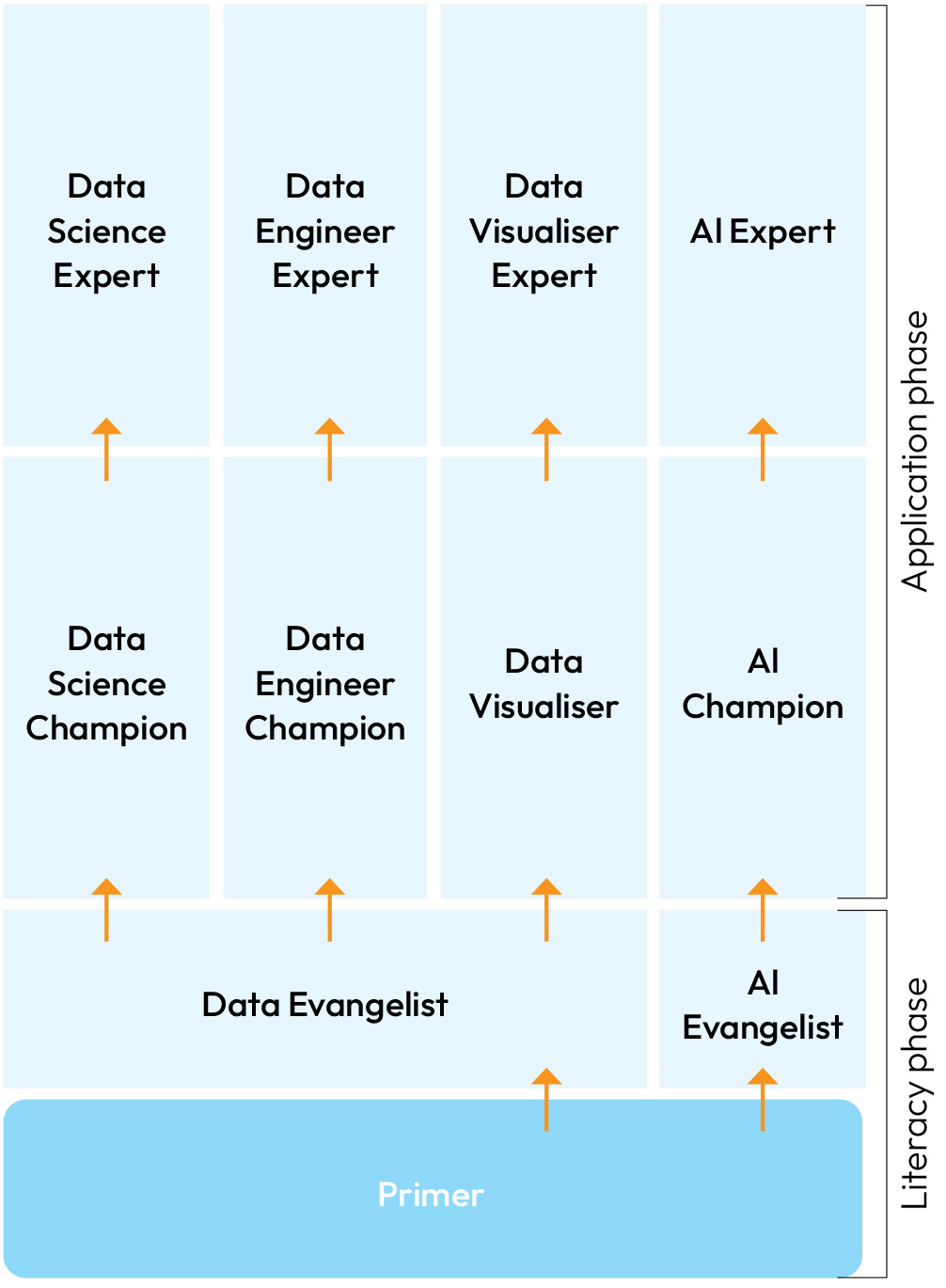
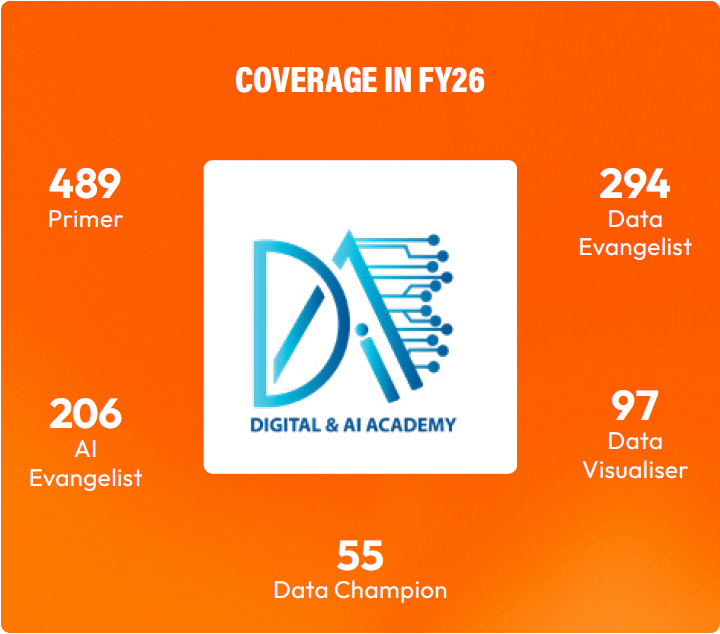
Digital & AI Academy

Digital & AI Academy

  • Equipping employees with data literacy and advanced AI skills to lead digital transformation
  • Structuring learning into literacy (Data Analytics, AI Foundations) and application (AI, Visualisation, Data Science, Data Engineering) phases
  • Embedding Action Learning Projects to translate learning into business outcomes

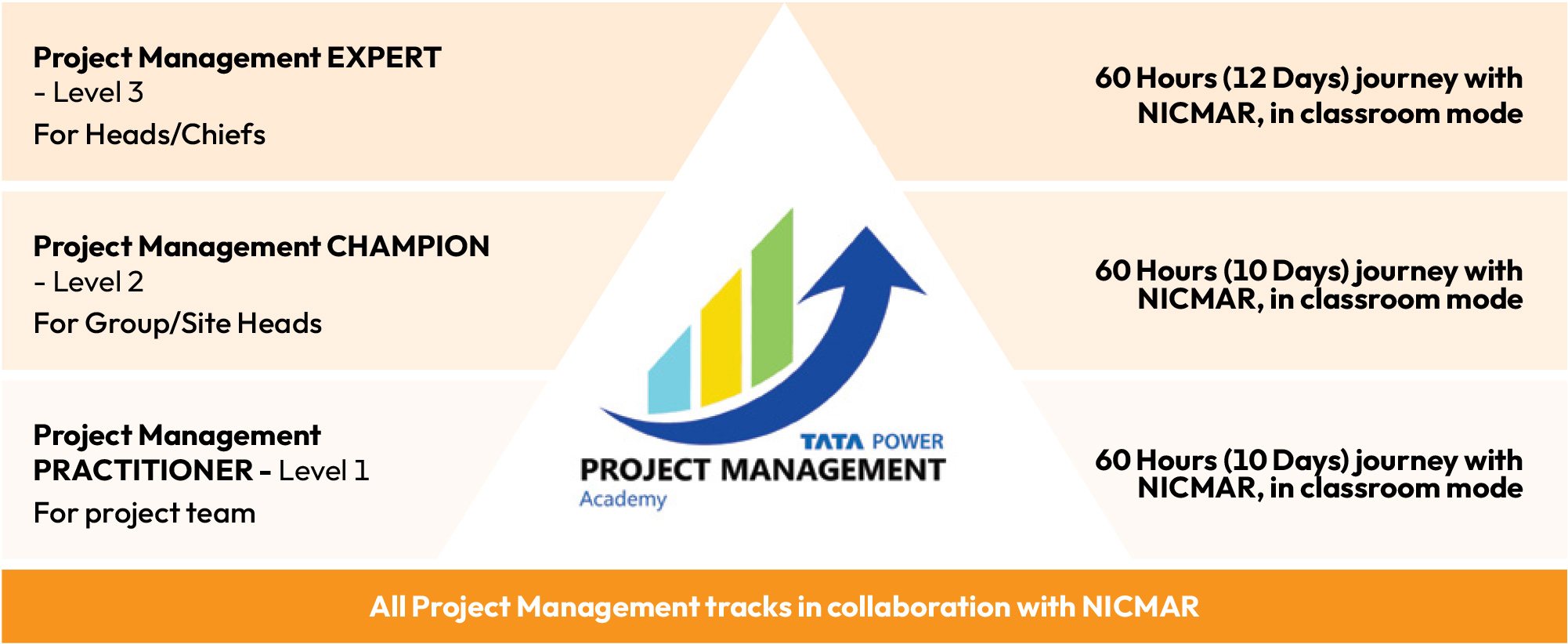
Project Management Academy

  • Developing enterprise-wide project capabilities through a structured three-tier pathway—Practitioner, Champion, Expert
  • Focusing on planning, execution, risk management, cross-functional leadership, governance and enterprise-level value creation

Leadership development framework

  • Preparing leaders across all levels to navigate business challenges and growth opportunities
  • Providing blended learning that offer campus classroom learning, self-reflection, e-learning content, and immersive experiences
  • Embedding Action Learning Projects to convert learning into measurable impact
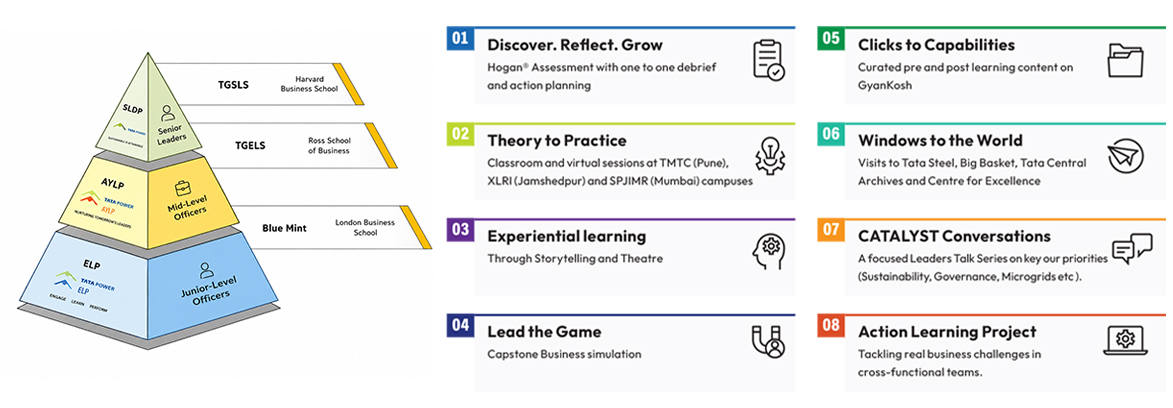
Senior Leaders' Development Programme (SLDP)
  • Developing apex and senior leaders through a 13-month, invitation-only Advanced Management Programme at IIM Ahmedabad
  • Delivering case-based, on-campus learning by IIM-A faculty, conferring IIM-A alumni status
Achieving Your Leadership Potential (AYLP)
  • Preparing mid-level officers for larger roles through a future-focused journey co-designed with TMTC, Pune and SPJIMR, Mumbai
  • Blending contemporary learning with practical application via virtual and in-person sessions, learning immersion, and action learning projects
Emerging Leaders' Programme (ELP)
  • Transitioning high-potential young officers from individual contributors to people managers
  • Enabling team management and performance leadership through a journey with TMTC, Pune and XLRI, Jamshedpur

Initiatives and progress during FY26

Learning ecosystem

  • Delivered capability academies, leadership programmes and structured career pathways for different talent segments
  • Launched personalised learning journeys to address individual growth and role-specific needs
  • Integrated learning imperatives into skill-building initiatives aligned with evolving business and regulatory requirements
  • Strengthened talent-targeted interventions for leaders, technical experts, frontline teams, successors and emerging talent

Digital & AI Academy

  • Transitioned to include advanced AI training with multi-level AI tracks
  • 756 employees from Tata Power, including TPDDL and Odisha DISCOMs, started their learning journey
  • Literacy phase focused on data analytics and AI foundations; Application phase introduced specialised tracks in AI, Visualisation, Data Science and Data Engineering

Project Management Academy

Partnered with NICMAR University for a three-tier learning pathway

  • Practitioner track: 50 participants covered; focused on planning, execution, risk management and control
  • Champion track: 37 participants; strengthened managerial and cross-functional leadership for complex projects
  • Expert track: 15 senior leaders; focused on governance, stakeholder management and enterprise-level value creation

Leadership development

  • Tier 1 – Emerging Leaders' Programme (ELP): 8-month programme for junior leaders; 48 employees; academic collaboration with XLRI Jamshedpur & TMTC Pune
  • Tier 2 – Achieving Your Leadership Potential (AYLP): 8-month programme for mid-level leaders; 39 employees; collaboration with SPJIMR & TMTC Pune
  • Tier 3 – Senior Leaders' Development Programme (SLDP): 13-month programme for senior leaders; 32 employees covered in the previous batch; collaboration with IIM Ahmedabad
  • Officers nominated to Tata Group programmes such as Blue Mint, TGeLS, TGSLS and functional programmes for cross-enterprise exposure

Learning interventions

  • Customer Centricity & Service Excellence (C.A.R.E): Launched in FY26 to embed a strong customer-first culture across the four Odisha DISCOMs, the C.A.R.E initiative focuses on building empathy, patience and ownership of service delivery among employees. It aims to consistently create positive and memorable customer experiences. During the year, 10,343 employees across 22 locations were covered under this programme
  • Work Integrated Learning Programme (WILP): In partnership with KIIT University, Bhubaneswar, the WILP programme supports employees holding a Diploma in Electrical to pursue a B.Tech in Electrical while continuing their professional responsibilities. In FY26, 80 employees enroled in the programme, reinforcing our commitment to continuous learning and professional growth
  • Cluster Level Comprehensive Technical Training programme: This strategic intervention establishes a standardised approach to technical training at the DISCOM and T&D cluster levels. In FY26, 402 employees across 11 batches were upskilled on critical topics including underground cable management, SCADA systems, automation, loss reduction strategies and energy audit & accounting, strengthening enterprise-wide technical capabilities
  • Women Leadership Development programme: The residential Women Leadership Development programme, conducted at XIM University, Bhubaneswar, brings together women employees from all four Odisha DISCOMs to build leadership capabilities and nurture an inclusive leadership pipeline. In FY26, 128 women employees participated across three batches, preparing the next generation of leaders

Key performance indicators

Average training hours Female Male
Senior management 5.3 29.5
Middle management 70.7 31.7
Junior management 28.2 50.6
All employees (including workmen and FDA) 29.9 30.6
Training hours for customer facing person* 17,156 2,07,427
Total training hours 1,09,309 6,02,851
Average hours per FTE on learning 29.8 30.5

*Customer-facing person are employees from Marketing and Sales, Customer Service and BD.
Includes only training hours of Tata Power, TPREL (including its subsidiaries), Mundra, TPRMG, PTL, MPL, IEL, TPTCL, TPADL, TPCDT, TPDDL, TPSODL, TPCODL, TPWODL, TP Bikaner and TPNODL.

Targets and performance

Targets Indicator FY26
Enhancing employee engagement and targeting to be among the employers of choice Training hours 7,12,160
Strengthening organisational capabilities to drive customer-centricity Training hours for Customer Facing Personnel 2,24,583
Creating next generation leaders Training hours for senior and middle management 99,199

Engagement
in action

Building an AI-fluent workforce

As artificial intelligence rapidly transforms industries, our learning strategy is evolving to equip employees not only to understand AI but confidently apply it in their roles. Through AI-enabled learning platforms, targeted campaigns and structured capability-building academies, we are embedding AI literacy and practical application across Tata Power, creating a scalable foundation for a future-ready workforce.

Key initiatives

SimplifAI on Gyankosh

Launched in partnership with LinkedIn Learning, this platform integrates AI-powered features such as AI Role Player, Course Recommender, and Course Companion. Employees practiced workplace scenarios through simulations, received personalised course recommendations, and accessed real-time learning insights. In FY26, employees completed 4,158 AI-powered learning interactions, including 557 role-play simulations covering emotional intelligence, stakeholder influence, and constructive feedback.

AI Learning campaign

A month-long campaign accelerated awareness and adoption, engaging 4,236 employees who collectively completed over 24,381 learning hours. Topics included Agentic AI, Generative AI applications, prompt engineering, and AI-enabled productivity.

Digital & AI Academy AI tracks

Three specialised tracks: AI Evangelist, AI Champion, and AI Expert, were introduced to build foundational AI awareness, enable business-led adoption and develop advanced technical expertise. A total of 206 employees began their journey through these tracks to strengthen their AI fluency.

+

Impact

The strategic initiatives have equipped employees with the skills and confidence to innovate, adapt and contribute to Tata Power's digital transformation. By embedding AI capabilities across the workforce, we are building a culture of continuous learning and future-ready talent.

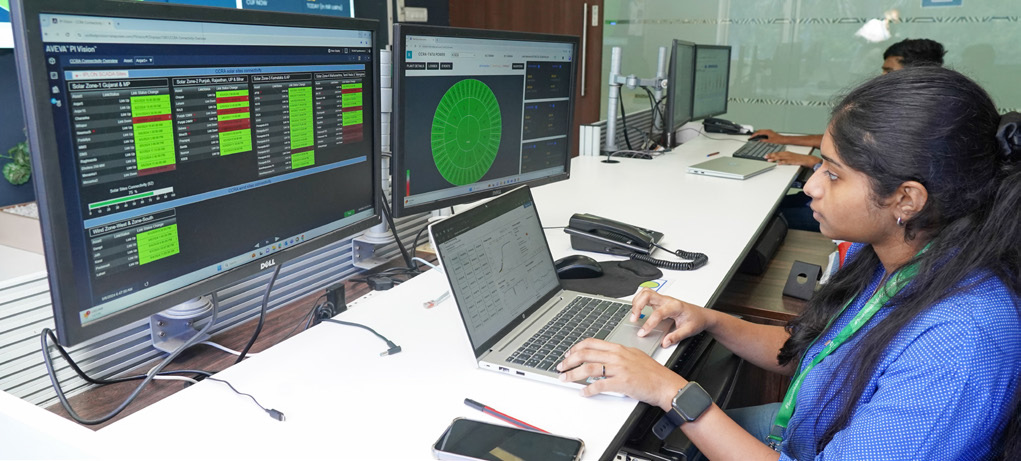
Employee working in control room

Diversity and inclusion

Focus area

  • Fostering a workplace where every employee feels welcome, valued and respected
  • Ensuring fair access to career opportunities, equitable wages and good working conditions
  • Promoting Diversity and Inclusion across gender, Persons with Disabilities (PwD), generational leadership, frontline operations, and the allied workforce

Initiatives and progress during FY26

Gender inclusion
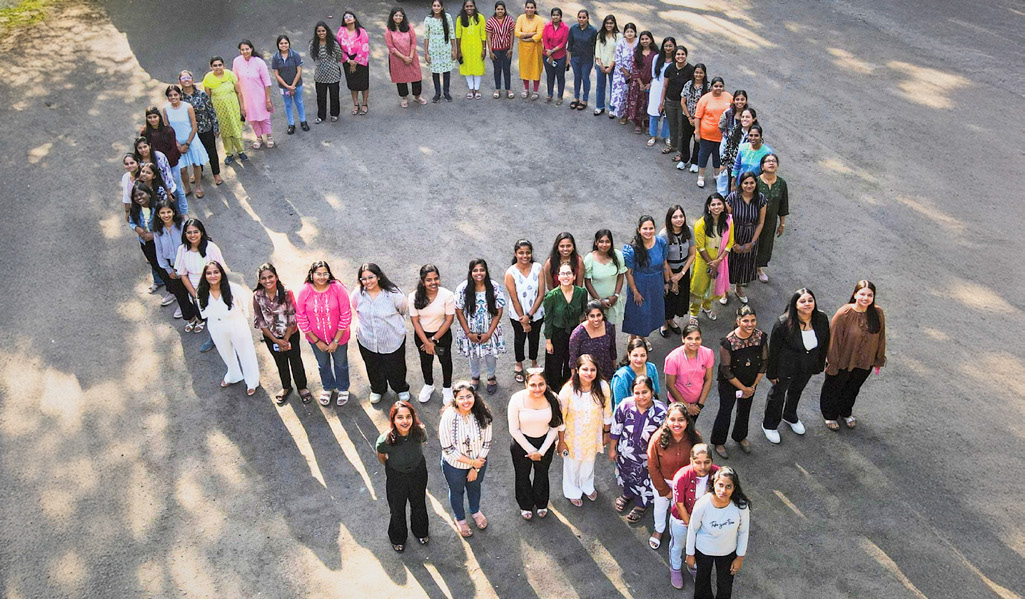
  • Maintained industry-leading representation of women and reinforced inclusion through diverse hiring practices
  • Monitored gender pay parity and ensured that every women exit was replaced with a women hire
  • Incentivised recruitment partners to support diversity hiring
  • Rolled out targeted initiatives:
    • Second Career Programme (NextStride)
    • Women leadership and mentoring programmes (ASPIRE)
    • All-women zones and shifts, including PSCC control rooms for core technical operations
    • Iron Women Programme and She Connect
    • Comprehensive motherhood and parenting support: crèche, nanny facilities, flexible hours, rating protections, well-being and parenting workshops
Persons with Disabilities (PwD) Inclusion
  • Expanded representation across locomotor, hearing, speech, vision impairments and neurodivergence
  • Implemented role mapping, infrastructure audits, manager and employee sensitisation, and emotional well-being initiatives
  • Created employment opportunities across solar manufacturing plants, customer care centres and support functions
Intergenerational DEI
  • Fostered collaboration among age-diverse cohorts to enable cross-learning, innovation and co-creation of business solutions

Women employees across roles

31%Campus hires
4%Sales and customer facing
25%Finance and accounting
27%Digital and technology
11%Gender diversity
23%Women out of new employees joined
Aspiration 22%
Gender Diversity Ratio by 2030

Parental leaves and return to work

  FY25 FY26
Male Female Male Female
Employees entitled to parental leave 21,237 2,431 20,852 2,493
Parental leave availed 327 53 388 60
Employees due to return to work after end of parental leave 327 23 383 26
Employees returning to work after end of parental leave 327 20 382 24
Employees returning from parental leave taken in the prior reporting period 268 32 336 24
Employees retained for 12 months after resuming from parental leave 268 32 325 21
Employees yet to return to work after taking parental leave - 33 6 36
Return to work rate 100% 87% 100% 92%
Retention rate 100% 100% 97% 88%

Gender pay comparison

Employee Category FY25 FY26
Ratio of basic salary of women to men Ratio of total remuneration of women to men Ratio of basic salary of women to men Ratio of total remuneration of women to men
Senior management 1:0.71 1:0.66 1:0.92 1:0.86
Middle management 1:0.92 1:0.91 1:1.05 1:1.08
Junior management 1:1.38 1:1.30 1:1.27 1:1.19
Trainees 1:1.04 1:0.99 1:0.86 1:0.87

Women employees across roles (%)

Women in each category FY26
Senior management 6%
Middle management 9%
Junior management 16%
Workmen 4%
FDA + SE 17%

Succession planning

Focus area

  • Ensuring business continuity by identifying critical roles and potential successors across the organisation
  • Assessing successor readiness at three levels: Ready Now, 1-2 years, and 3-5 years for immediate, short-term, and long-term planning
  • Driving capability development and diverse exposure for successors to meet evolving business requirements
  • Leveraging succession planning as a career growth and retention tool for high-potential and high-performing employees
  • Aligning succession planning with both organisational needs and individual development

Initiatives and progress during FY26

  • Digitalised the succession planning framework through the SCDP Module in SAP SuccessFactors
  • Objectively identified critical positions, mapped successors and tracked readiness levels
  • Implemented targeted development plans to prepare successors for immediate and future business needs
  • Supported internal talent funding for new businesses while ensuring continuity in existing operations
  • Transitioned succession planning from a replacement-focused process to a strategic talent management lever, informing key business and people decisions

Employee retirements

  Current working employees FY26
Next 5 years 6-10 years
Female Male Female Male
Senior management 533 7 168 5 123
Middle management 2,193 10 208 15 325
Junior management 10,251 28 238 30 338
Workmen 9,524 48 972 38 941
FDA + SE 844 - 97 3 41

Health and safety

Focus area

  • Ensuring the health and safety of employees and stakeholders through proactive, pre-emptive, and comprehensive engagement
  • Achieving 'No Harm, No Injuries' by eliminating hazards and reducing risks across operations
  • Leverage advanced technologies, digitalisation, AI/ML, automation, VR, and mechanisation, to strengthen safety monitoring and compliance
  • Fostering a safety-first culture through leadership engagement, behavioural interventions and continuous learning
  • Enhancing Business Associate (BA) safety, well-being and competence through training, empowerment and structured programmes
  • Preparing for FY27 by focusing on leadership, operational safety, cultural transformation, BA management, skill building and mental well-being

Occupational Health and Safety Management system

  • Maintain a robust Occupational Health & Safety Management System aligned with the Tata Group H&S standards and ISO 45001:2018
  • Ensure safe operations through Hazard Identification & Risk Assessment (HIRA) and Job Safety Assessment (JSA) training
  • Track and manage employee health risks with doctors and secure digital systems
  • Uphold strict confidentiality and ethical use of health data
  • Provide comprehensive non-occupational health services, including medical insurance, hospitalisation, OPD consultations, diagnostics and acute treatment support
  • Drive proactive organisation-wide wellness interventions using insights from aggregated health trends
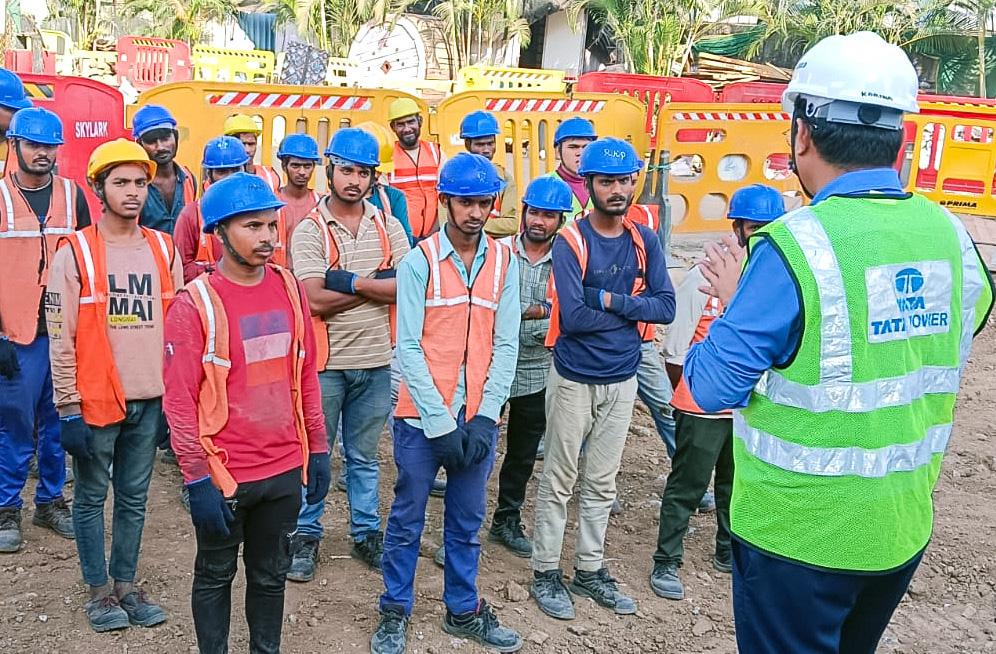
Safety briefing at a solar site

Outlook for FY27

Leadership in safety

Build trust, accountability and psychological safety through open communication and governance

Operational safety

Refine THSMS gaps, critical procedures and leverage AI-driven insights to reduce SIF potential

Cultural transformation

Enhance reporting, learning, and resilience via AI-driven hazard prediction and incident-based learning

BA safety management

Expand L1/L2 and L-Comprehensive training, strengthen BA safety management system including empowerment of workforce

Skill building and competency development

Extend critical safety programmes for employees and BAs

Mental well-being

Roll out initiatives for fatigue-risk management and the mental well-being of BAs

Integrated monitoring

Deployment TBWS, DWM, theme-based drive and monitoring with structured approaches to create an impact across the organisation

Initiatives and progress during FY26

Performance
  • Trained 100% employees and BA workforce on Occupational Health & Safety Management Systems
  • Deployed digital tools: upgraded SAP EHSM & Suraksha Prahari apps, helmet-mounted cameras and Vani/Roshni remote guidance platform for real-time monitoring
  • Digitalised submission of technology interventions, BA field audits and Toolbox Talks (TBTs) for structured reporting and compliance
  • Delivered video-based learning at division level and theme-specific safety videos
Safety strengthening initiatives
  • Strengthened Site Implementation Teams (SIT) for operational safety effectiveness
  • Identified critical risks and implemented Corrective Action and Preventive Action (CAPA)
  • Conducted 1,282 safety interventions across divisions and businesses
  • Shared learnings from incidents horizontally through videos and workshops
  • Published the Annual Safety Booklet and hosted the Annual Safety Conclave with external industry experts
  • Delivered psychological safety and felt leadership sessions for middle management
  • Improved SOPs and work instructions through Safety-II leadership approach
  • Expanded classroom training, Train-the-Trainer programmes, ISO 45001 lead auditor courses and skill development centres for BAs
  • Recognised safety excellence through multiple awards
Safety enhancements
  • Conducted Felt Leadership and Active Engagement sessions for supervisors, managers and BAs
  • Strengthened safety reporting and learning culture via SIF potential, minor injury and near-miss reporting
  • Implemented BA Safety Management and dignity programmes for workforce well-being
  • Revised critical procedures and benchmarked against Tata Group recommendations
  • Established competency training matrix for employees and workforce
  • Adopted AI and digital tools to enhance hazard prediction, risk mitigation and preventive actions
Safety KPIs

  Employees Workers
Number of fatalities 1 5
High consequence work-related injuries (except fatalities) - -
Total recordable work-related injuries (MTC) 6 59
Lost Time Injuries (LTIs) per million man-hours 0.05 0.10

Occupational health and safety management system

  • Conducted 757 workshops for capability development/enhancement including JSA for operations, maintenance and service officers, with total participation of 18,920 personnel including leaders
  • Enhanced health data management via cloud-based, restricted-access systems and updated confidentiality agreements
  • Continued one-on-one counselling for high-risk employees, with ongoing follow-ups to reduce risk levels
  • Analysed health trends to implement targeted group wellness programmes addressing key risks

Non-occupational healthcare services

Health screening and awareness
  • Conducted health screening camps and expert-led health talks across all Tata Power medical centres
  • Obesity screening including total body fat and visceral fat analysis
  • Bone mineral density camps to assess overall bone health
  • Liver fibro-scan camps for follow-up on fatty liver cases detected in sonography
  • Awareness sessions on gut health, skin disorders, mental well-being, ergonomics, stress management and digital detox
CARE programme

Focused on prevention and management of diabetes, obesity and promote heart health

Expert consultations

Onsite/Online free consultations with specialists including Orthopaedic Surgeons, Cardiologists, Urologists, Homeopaths, Spine Specialists, and Obstetrics/Gynaecology

Training and support
  • Minimum two First-Aid training sessions conducted at all centres
  • Employee Assistance Programme (EAP) providing one-to-one counselling for employees

Human rights

Focus area

  • Upholding the dignity, well-being and rights of all stakeholders
  • Fostering an organisational culture that respects and protects human rights, avoiding any complicity in abuses, guided by the Tata Power Human Rights Commitment Framework
  • Aligning practices with International Labour Standards, including:
    • Prohibition of child and forced labour
    • Freedom of association and collective bargaining rights
    • Zero tolerance for discrimination across age, gender, marital status, disability, race, ethnicity, religion, beliefs, political views, sexual orientation, or HIV/AIDS status
  • Ensuring employee awareness and ethical conduct through regular, principle-aligned training

Human Rights Commitment Framework

Dignity of all stakeholders
Well-being
Culture of respect and support for human rights
Avoiding connivance in human rights abuses
Adherence to principles of ILO
Adherence to principles of UNGC
Freedom of Association and Right to Collective Bargaining
Protection from discrimination
Alignment of conduct of employees
Read more on https://www.tatapower.com/pdf/sustainability/human-rights-policy.pdf
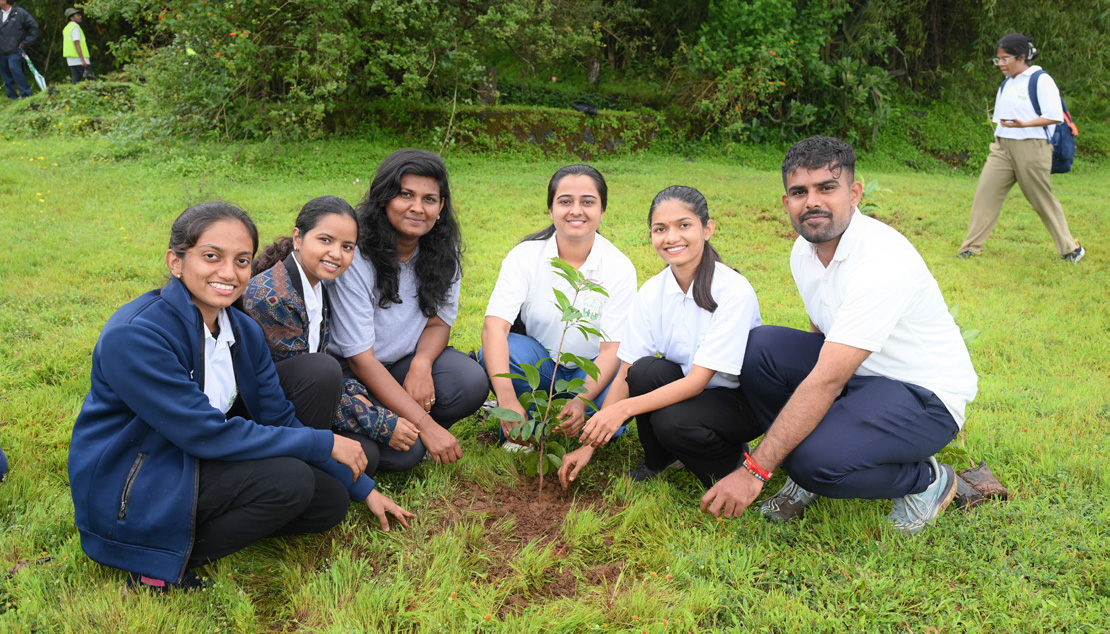
Employees planting a sapling

Climate Crew: Encouraging collective action

At Tata Power, sustainability is not viewed as a standalone commitment but as a shared responsibility embedded into the way people live, work, and grow. Built on this belief, Climate Crew has evolved into our flagship employee-led sustainability movement, transforming individual climate consciousness into measurable collective action.

Today, Climate Crew has become one of India's most expansive corporate sustainability initiatives, uniting employees, customers, partners, and communities under a shared vision for a greener future. At its core, the movement reflects the belief that meaningful climate action is driven not only by large-scale infrastructure transitions, but also by everyday behavioural change enabled by people.

Making sustainability a daily practice

A key pillar of the initiative is the Climate Crew Do Good App, a first-of-its-kind AI-powered sustainability engagement platform designed to make climate action more personalised, measurable, and actionable. The platform leverages AI-driven agentic mascots and sustainability personas that guide users through their climate journeys by recommending actions, scheduling sustainability tasks, tracking behavioural impact, and building awareness around environmental issues such as air quality and water stress.

The platform integrates personalised impact dashboards, weekly challenges, quizzes, and gamified leaderboards to encourage sustained participation while providing real-time visibility into the organisation's collective environmental impact. By combining behavioural science with digital innovation, Climate Crew transforms sustainability from an abstract concept into a daily, accessible practice.

Extending sustainability beyond the workplace

This year, we launched the first-ever Climate Crew Earth Run, a flagship sustainability IP hosted across all four Odisha DISCOMs TPCODL, TPNODL, TPWODL, and TPSODL. Designed as a green marathon format, the initiative brought together over 4,000 employees, families, customers, and partners in a shared movement for climate action, reinforcing that environmental responsibility must become a societal commitment.

The initiative has also expanded into employee communities through Ullas, Tata Power's cultural platform, enabling families to actively participate in sustainability-led engagements and adopt greener lifestyle practices together. In doing so, Climate Crew has extended sustainability engagement beyond the workplace into everyday life.

8,19,732 kgCarbon emissions reduced
9,602 kgWaste prevented or upcycled
4,38,515 kWhEnergy conserved
9,87,184 litresWater saved
Recognition and outlook

Climate Crew has emerged as a benchmark within the Tata ecosystem, earning recognition across Group companies for its scalable and innovative approach. The initiative has also been honoured with the ACEF Best Employee Engagement Award, reinforcing our leadership in building a culture-driven sustainability movement.

As Climate Crew continues to evolve, we aim to extend the initiative across our wider ecosystem, including suppliers and communities, building a broader culture of climate consciousness and shared environmental responsibility.

Back To Top