
Economic and sectoral scenario
Market context
India sustained strong economic momentum with projected GDP growth of 7.6% in FY26, driven by private consumption and infrastructure-led investments. Power demand remained robust, with peak demand reaching 245 GW and per capita consumption rising to 1,460 kWh. Installed capacity reached 533 GW, with share of renewables (excluding large hydro) rising by nearly 30% y-o-y to 223 GW.
Opportunities
- Sustained demand across sectors
- Infrastructure-led ecosystem improvements
- Transition towards cleaner energy mix
- Strengthening regulatory support
FY27 outlook
- Continued demand growth momentum
- Rising renewable share in capacity mix
- Improved supply-demand balance
- Policy push for efficiency improvement and decarbonisation
- Increasing need for dispatchable round-the-clock green power
Our response
We continue to align our growth with India’s evolving energy landscape by expanding clean energy capacity. Our generation portfolio has 47% capacity contribution from clean and green energy sources. We are strengthening our integrated solutions while leveraging digitalisation to enhance efficiency, improve reliability, and serve the evolving need for complex green power solutioning.
strategies
Renewable energy (RE)
Market context
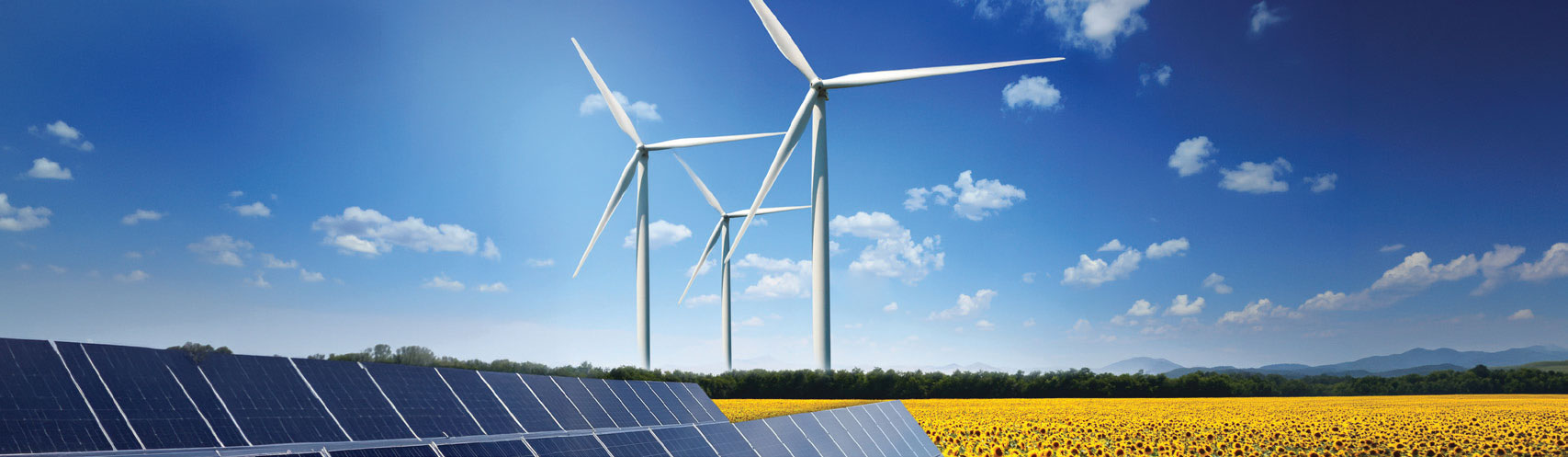
India's RE installed capacity (excluding large hydro) reached 223 GW, with solar leading additions. Share of RE in total generation for FY26 increased to ~17%. However, auction volumes declined sharply and challenges such as unsigned PPAs and curtailment persisted. Distributed storage ecosystem (PSP and BESS) is scaling rapidly alongside utilityscale renewables.
Opportunities
- Strong pipeline across solar, wind, hybrid
- Rapidly scaling storage ecosystem
- Corporate clean energy demand
FY27 outlook
- Increasing shift in customer demand towards integrated and complex energy solutions
- Acceleration in storage deployment
- Gradual easing of PPA bottlenecks
- Strong distributed solar growth
Our response
We are scaling our renewable portfolio across utility-scale projects, with a capacity of
6.5+ GW operational (utility-scale ground-mounted projects) and
5.1+ GW under development.
We remain focused on disciplined execution,
while
continuing our market leadership in the distributed solar space across residential, commercial,
and industrial segments.
strategies
Transmission and distribution
Market context
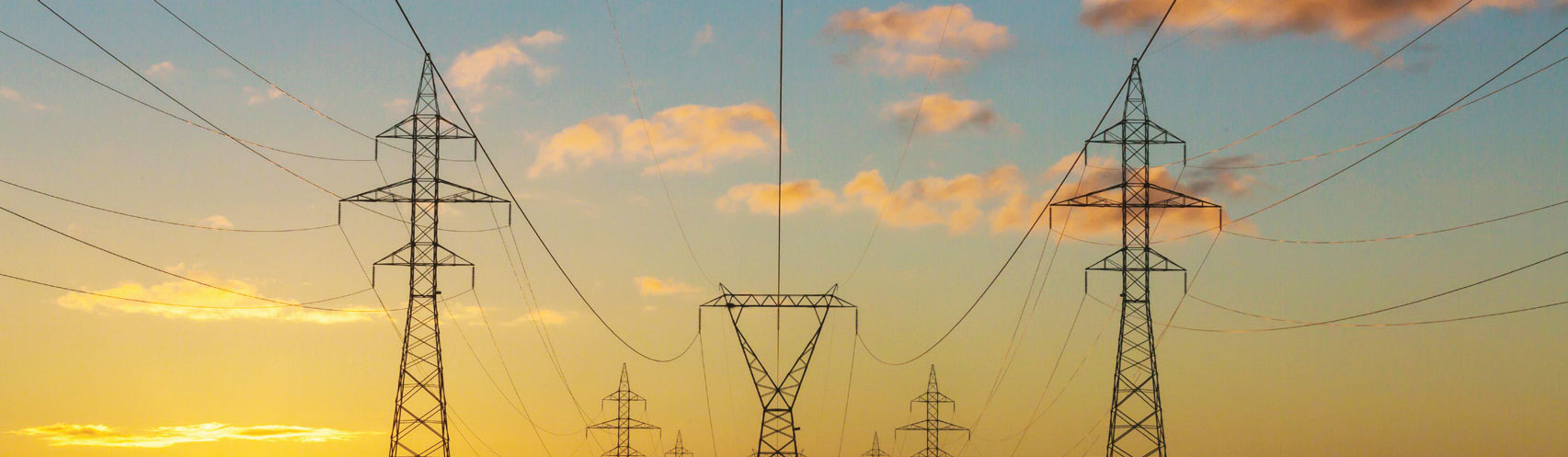
The T&D sector showed improvement in operational and financial performance. AT&C losses declined, billing and collection efficiencies improved, and DISCOMs reported positive PAT. Smart metering rollout and RDSS-driven investments are transforming the sector, though transmission build-out faces RoW challenges.
Opportunities
- Smart metering rollout
- RDSS-led infrastructure upgrades
- Transmission expansion for RE integration
- Focus on local/indigenous manufacturing of select key equipment
FY27 outlook
- Continued AT&C loss reduction
- Faster smart meter deployment
- Grid expansion with policy support
- Improved DISCOM viability through private sector participation
Our response
We are strengthening our T&D business through network upgrades, with 1,841 ckm of network under construction. We are advancing smart metering with 50+ lakh meters deployed (till FY26), supported by digital solutions.
We remain focused by reducing AT&C losses by 2% for Odisha DISCOMs improving supply reliability and enhancing customer experience for 13.1+ million consumers across our distribution operations.
strategies
New-age energy solutions
Market context
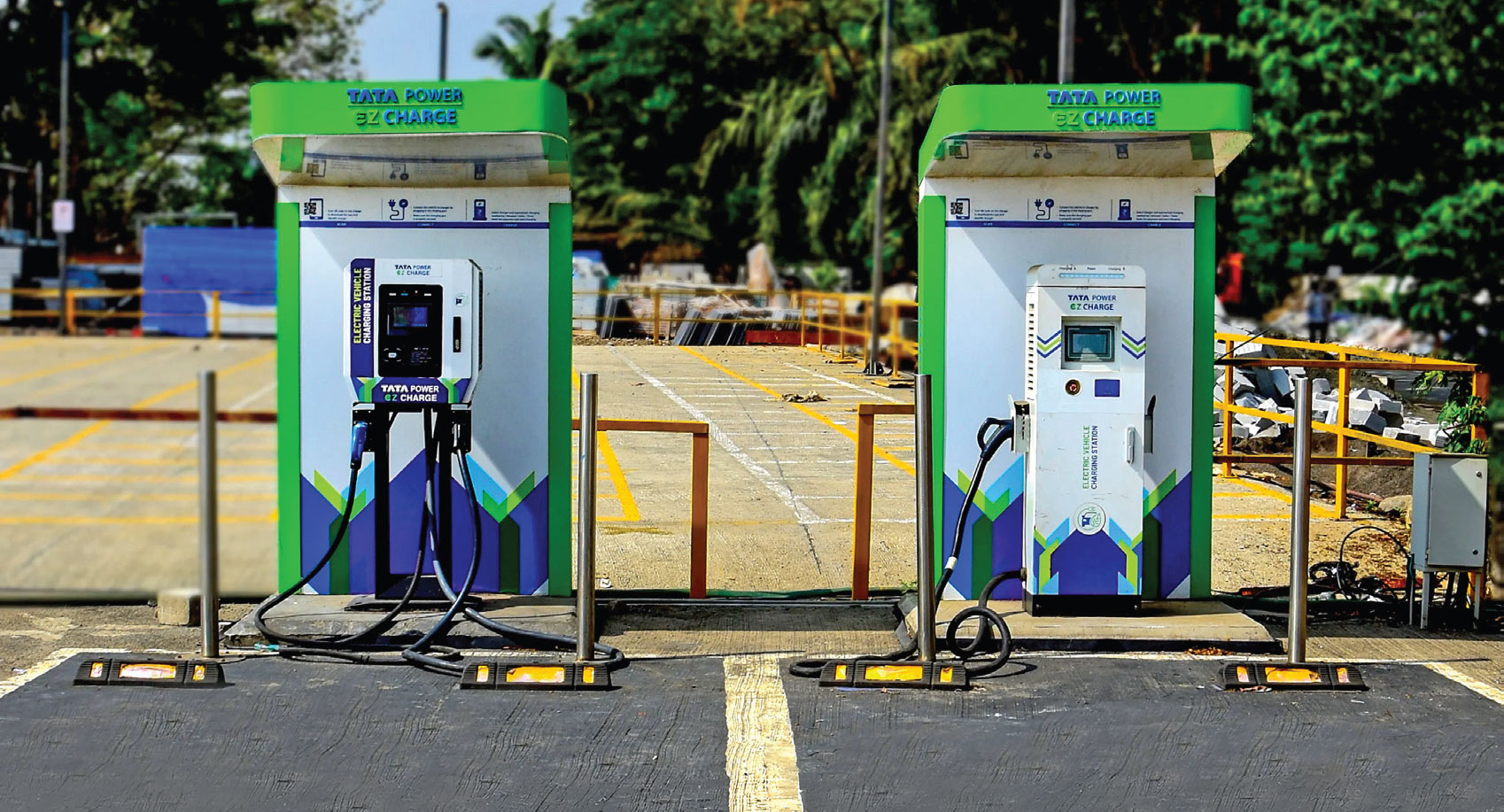
Emerging segments such as rooftop solar, Energy-as-a-Service (EaaS), storage, EV charging, and distributed energy solutions for C&I customers are gaining traction. Residential rooftop solar adoption is accelerating under the PM Surya Ghar Yojana, alongside growing installations across segments. EV registrations reached reached 2.45 mn in FY26, supported by policy push and expanding charging infrastructure (~29,000+ stations). Regulatory developments such as VPPAs and carbon frameworks are enabling new business models.
Opportunities
- Growth possibilities in rooftop solar through the PM Surya Ghar Yojana
- Expansion of EV ecosystem
- Storage and green energy solutioning opportunities
- New market mechanisms (VPPA, carbon markets)
FY27 outlook
- Potential growth in rooftop solar adoption driven by the PM Surya Ghar Yojana and supportive policy measures
- Evolution of Energy-as-a-Service and complex solutioning for round-the-clock RE power to C&I consumers
- Scaling distributed energy solutions
- Storage adoption acceleration
- Evolution of clean energy markets
Our response
We are expanding our new-age energy portfolio across rooftop solar, EV charging, and distributed energy solutions. In rooftop solar, we have built a strong presence with 4.8+ GWp installed capacity and continue to invest in scalable platforms and digital capabilities to deliver integrated, customer-centric energy solutions and capture emerging growth opportunities.
We also operate one of India’s largest EV charging networks, with 7,000+ charging points across 700+ cities and towns, supporting the continued growth in EV adoption in the country, with registrations reaching ~5 lakh in FY26. We launched EnerUni platform addressing evolving market trends by enabling integrated, end-to-end energy management across supply, demand, generation, trading, and analytics.
strategies
Thermal, hydro and nuclear
Market context
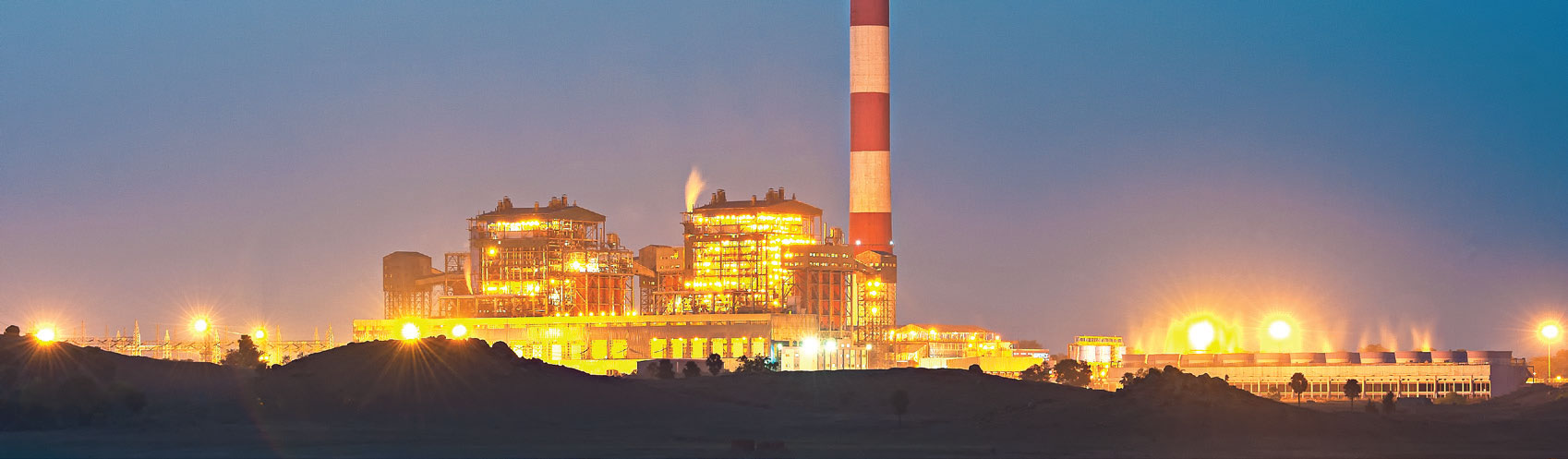
Thermal capacity stood at 249 GW, with renewed interest seen from some states in long-term PPAs and growing pipeline of projects under construction and planning. Hydro is being repositioned as a strategic asset, to help meet the need for firm and dispatchable power through nonfossil sources. Nuclear expansion is gaining policy support with a long-term capacity target.
Opportunities
- Flexibilisation of thermal assets
- Growth in hydro and pumped storage
- Growing nuclear power opportunities driven by the SHANTI Bill, capacity expansion targets, and sustained government support under the Nuclear Energy Mission for Viksit Bharat
FY27 outlook
- Stable role of thermal for base load
- Increased focus on flexibility
- Hydro and pumped storage capacity expansion
- Gradual nuclear scale-up
Our response
We continue to operate our thermal portfolio of 8.8+ GW, focusing on efficiency improvements and emission reduction initiatives. At the same time, we are developing 4.5+ GW of hydro and pumped storage opportunities to complement our renewable portfolio.
We are working with few state governments for assessing the feasibility of nuclear plants, and related geotechnical studies are under progress.
We continue to maintain high plant availability and operational excellence across our conventional assets while supporting grid stability.
strategies