Kindling change
What matters to our communities
Material topics
business-continuity
Capital linkage
SBOs
UNSDGs

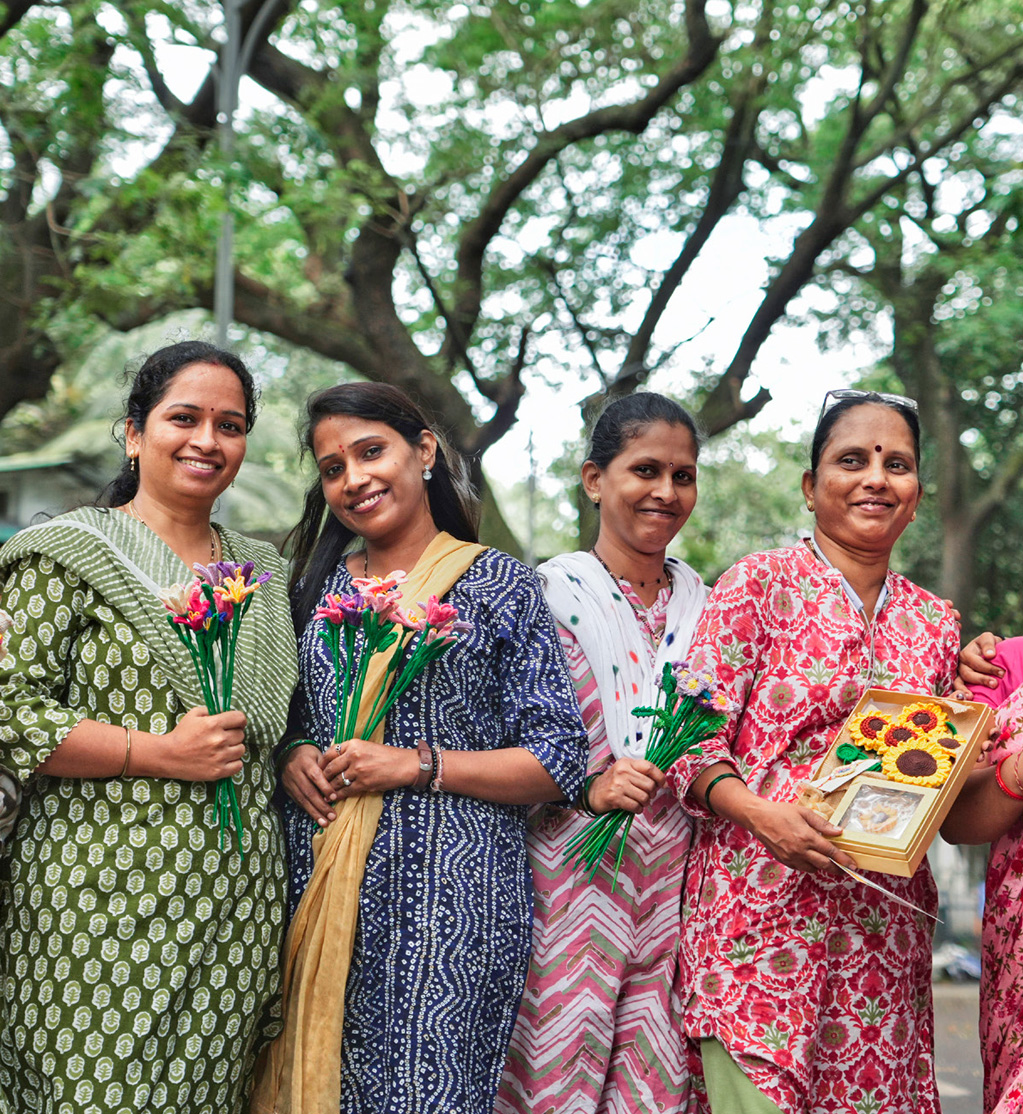
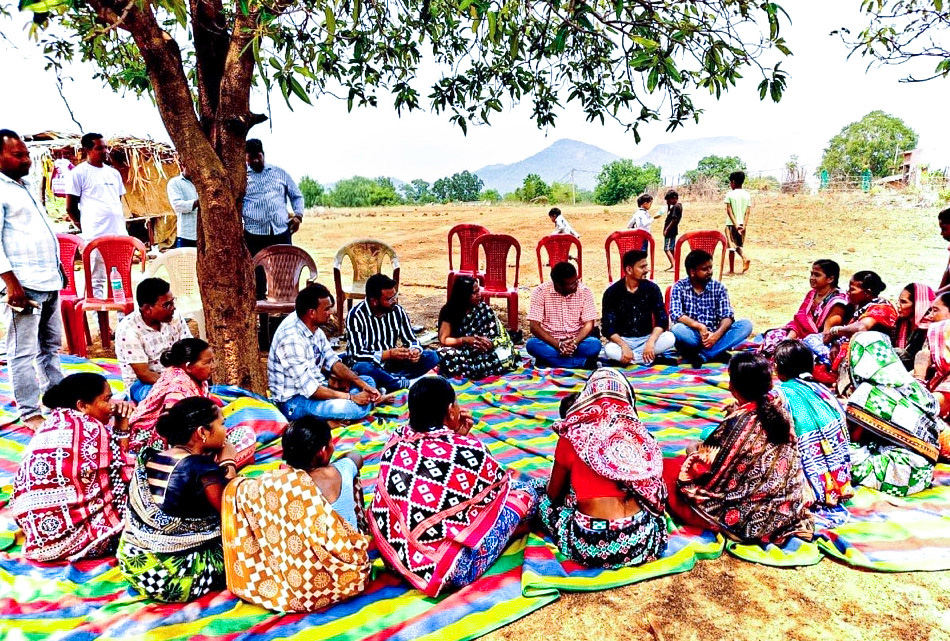
At Tata Power, along with powering homes, we empower lives. Our community initiatives are rooted in the Tata ethos of trusteeship and inclusive growth, transforming underserved regions into hubs of opportunity and resilience. From igniting young minds through STEM and energy education, to skilling women and youth for meaningful livelihoods, to restoring ecosystems and enabling sustainable water and energy access, we create impact that lasts. Across 110+ districts in 21 states, including 23 aspirational districts, our programmes build stronger, healthier, and more self-reliant communities, turning challenges into shared progress.
Metrics at a glance
Engaging with communities
How we engage
- Project-based stakeholder meets
- Participation in CSR activities
- Periodic meetings and focused group discussions
- Long-term engagement through institutional synergies
- 50% AA beneficiary impact achieved through intentional stakeholder engagement
Nature and frequency of interaction
- Proactive, programme-aligned engagement with Board-level committees, business and CSR leaders, community institutions, and stakeholders across national, state, and regional levels
- Need-based interaction
Stakeholder recommendations
- Enhance stakeholder dialogue
- Strengthen safety and security measures within communities
- Increase multi-level collaborations
- Reinforce responsible business conduct and commitment to sustainability
- Transparency in practices and impacts
Response to the stakeholders
- Conducted CEIs and four third-party impact assessments in FY26, moving beyond entity-level governance
- Organised regular volunteering and awareness campaigns to strengthen last-mile outreach
- Established non-financial partnerships through MoUs and LoIs with government and other organisations
- Aligned CSR programme design with central thematic priorities and policies, informed by ongoing engagement with businesses and communities
Enabling sustainable community
About TPCDT
The Tata Power Community Development Trust (TPCDT), established in 2009, serves as the centralised governance and implementation arm for Tata Power's CSR initiatives, institutionalising the Company's long-standing commitment to community development. As the umbrella body providing strategic direction, oversight, and standardisation, it operates through a structured, trustee-led review mechanism, ensuring alignment with Tata Values, statutory requirements, and the Company's long-term sustainability vision. In addition, TPCDT engages with local community institutions and regional thought leaders for developing strategy for long term CSR programmes.
Through robust structures, monitoring systems, and partnerships, the Trust promotes inclusive growth across education, employment and employability, entrepreneurship, and essential enablers. Its focus is on creating sustainable livelihoods, strengthening communities, and delivering shared value at scale.
Vision
Powering inclusive transformations through innovative solutions at scale, enabling communities and our neighbourhoods to thrive with confidence and purpose for a sustainable tomorrow.
Mission
We are empowering a million lives by catalysing change through the co-creation of meaningful synergies for long-term impact, building future-ready and sustainable livelihoods rooted in energy literacy and environmental stewardship.
Community development approach
Focus area
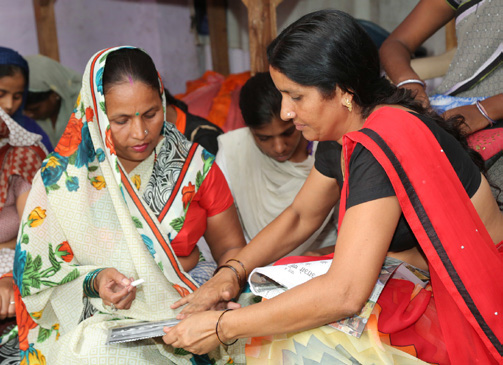
- Driving CSR design and implementation across Tata Power, its JVs and subsidiaries, through the Tata Power Community Development Trust (TPCDT)
- Operating with robust governance and a dedicated team, ensuring transparency accountability, and measurable impact
- Leading initiatives that are rooted in the Tata Group's legacy, enabling sustainable, long-term transformation
- Aligning thematic areas with our CSR policy to ensure sustained impact across regions and evolving community needs, while advancing the Tata Affirmative Action commitment through an enterprise-wide policy focused on empowering underserved groups, including women, SC/ST communities, and neurodiverse individuals
Key thematic areas
 Education
 Employability and Employment
 Entrepreneurship
 Essential Enablers
Initiatives and progress during FY26
- Seeded long-term initiatives in new geographies, including programmes focused on sanitation workers, water stewardship, sports, and animal welfare
- Expanded Club Enerji programme initiatives to Uttar Pradesh and Uttarakhand through the Eco Crew platform's on-ground and online engagements, reaching 1,000+ schools and over 3+ lakh students
- Strengthened digital networks and phygital modules, and advanced open-access knowledge creation through initiatives such as Pay Autention, E-Sanidhya, and Anokha Dhaaga; integrated technology-led solutions into public healthcare interventions and Club Enerji schools
- Structured a community and environment-centric communication channel, with launch planned for the next financial year
Target geographies and focus areas
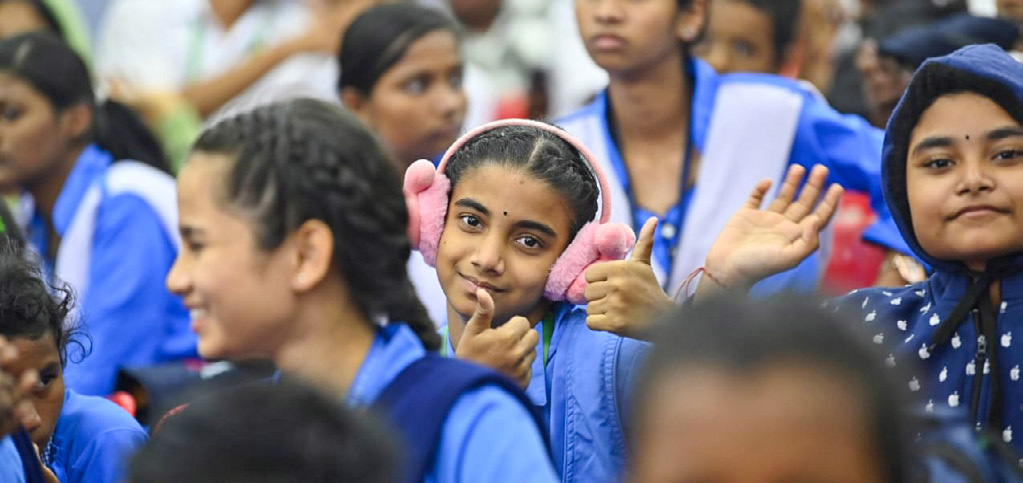
At Tata Power, we design our CSR programmes to operate regionally and nationally, mapping community needs to identify disadvantaged groups. This ensures initiatives are locally relevant, focused, and impactful.
We regularly assess our programmes to measure impact, capture learnings, and improve, with a focus on SC/ST communities, Persons with Disabilities, and women from marginalised communities. Around 40% of outreach is in Aspirational Areas across 23 districts. Through this approach, we aim for interventions that are inclusive, meaningful, and sustainable.
- Strategic long-term programmes: Maharashtra, Tamil Nadu, Odisha, Uttar Pradesh
- Ongoing projects: Delhi NCR, Himachal Pradesh, Haryana, Rajasthan, Madhya Pradesh, Gujarat, Karnataka, Andhra Pradesh, Telangana, Kerala, Bihar
- Special programmes (disaster response & Affirmative Action):
Jammu & Kashmir, Punjab, Assam, Tamil Nadu and Delhi
Key long-term CSR flagships
Education
Education is a key priority area for CSR programmes across all Tata Power locations. Our educational initiatives foster inclusive development by empowering conservation champions, nurturing STEM skills, advancing digital and financial literacy, and creating opportunities for neurodivergent students.
Club Enerji
Geographic footprint: Odisha, West Bengal, Jharkhand, Delhi, Tamil Nadu, Andhra Pradesh, Telangana, Madhya Pradesh, Bihar, Uttar Pradesh, Punjab, Rajasthan, Gujarat, Maharashtra, Karnataka, Kerala
Focus area
- Promoting STEM education among school students through digital and offline learning platforms
- Raising awareness about energy conservation and sustainable energy practices
- Encouraging students to contribute innovative solutions for a sustainable future
- Enhancing teacher capacity through training and career counselling
- Providing education support and scholarships under Tata Affirmative Action, prioritising SC/ST communities, Persons with Disabilities and vulnerable groups

Strategic way forward
- Strengthening Club Enerji as a climate education and youth leadership platform, moving beyond awareness campaigns
- Training teachers in experiential learning and climate concepts to nurture young innovators developing people-centred sustainable technologies
Initiatives and progress during FY26
- Reached 6.7+ lakh students across geographies with STEM and energy conservation concepts by engaging 2,800+ schools across 16 states through the Club Enerji curriculum
- Connected with 3+ lakh students across 1,000+ schools nationwide through the Eco Crew platform
- Launched a national awareness initiative in partnership with Dainik Jagran, supporting energy and climate priorities by promoting decentralised solar adoption and fostering grassroots change agents for sustainable living
- Collaborated with Amar Chitra Katha to develop a comic on the Gaja Sanrakshana initiative, focused on clean energy, wildlife conservation, and coexistence
- Expanded hands-on STEM learning through the 'Lab on Bike' initiative, reaching 325+ schools and 38,000+ students across renewable energy locations
- Conducted teacher training programmes focused on career counselling, inclusive education, and experiential teaching techniques, particularly in rural geographies
Other initiative
Expanded Karta and Lakshya scholarship programmes across Delhi, Odisha, and Maharashtra, providing financial assistance to students from marginalised communities to support access to higher and professional education and enable long-term career advancement.
Urja Mela – spotlight on student engagement
Overview
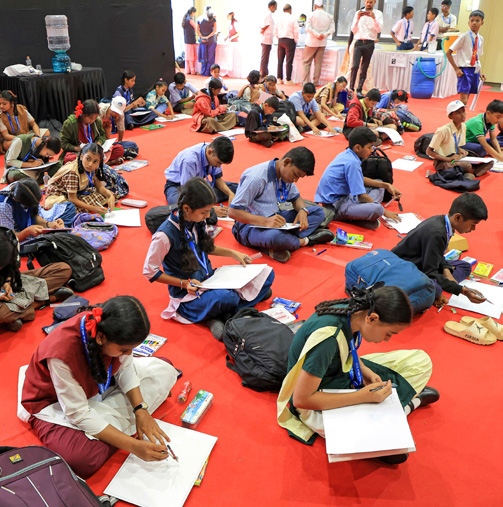
- Urja Melas gather Club Enerji-associated schools for STEM and energy conservation education
- Encourage hands-on involvement through competitions, mentoring and interactive sessions
- FY26 theme: 'Clean Energy, Greener Tomorrow', promoting awareness about conservation and sustainability
FY26 highlights
- The National Urja Mela was conducted on December 16, 2025 in New Delhi with 1,000+ participants from 200+ schools across 15 states.
- Maharashtra State Urja Mela: First-ever event with 300+ children from 27 schools across Mumbai and Maval-Mulshi regions
- Regional Urja Melas: A total of 14 regional Urja Melas were conducted in Bengaluru (Karnataka), Sambalpur, Puri, Badrak, Jajpur (Odisha) and Jharkhand
- Integrated teacher training sessions to strengthen inclusive learning pathways
- Launched the Club Enerji Booklet in English, Hindi, Marathi, and Kannada with renewable energy concepts, DIY projects, and interactive learning tools
- Sensitisation sessions towards students with disabilities
Adhikaar
Geographic footprint: Tamil Nadu, Andhra Pradesh, Telangana, Odisha, Madhya Pradesh, West Bengal, Jharkhand, Bihar, Uttar Pradesh, Punjab, Delhi, Rajasthan, Gujarat, Maharashtra, Karnataka, Kerala
Focus area
- Empowering underserved communities by facilitating access to government welfare and social security schemes
- Strengthening last-mile delivery of essential services through local leadership and community engagement
- Building capacity in communities via Adhikaar Kendras and Adhikaar Mitras for sustained and localised impact
- Supporting vulnerable groups, including PVTGs (Particularly Vulnerable Tribal Groups), SC communities, urban migrants, and marginalised workers
- Linking livelihood initiatives with social security and government schemes for holistic community upliftment
Strategic way forward
- Building strong partnerships and standardising training modules to create a larger network of Adhikaarpreneurs
- Expanding government collaborations, including Pradhan Mantri Surya Ghar Scheme and clean water initiatives
- Integrating Adhikaar with other flagship programmes such as Anokha Dhaaga, Roshni and Pay Attention to build interlinked community development networks
Initiatives and progress during FY26
- Expanded operations in multiple states in lines with increased business presence covering multiple clusters and reaching 10.7+ lakh beneficiaries through scheme convergence and documentation support
- Trained and engaged 2,000+ Adhikaar Mitras as community leaders to strengthen last-mile delivery
- Collaborated with 4,000+ public institutions to enable wider and more equitable access to government welfare schemes
- Facilitated access to government scheme linkages worth ₹ 400+ crore, creating measurable social value across multiple areas
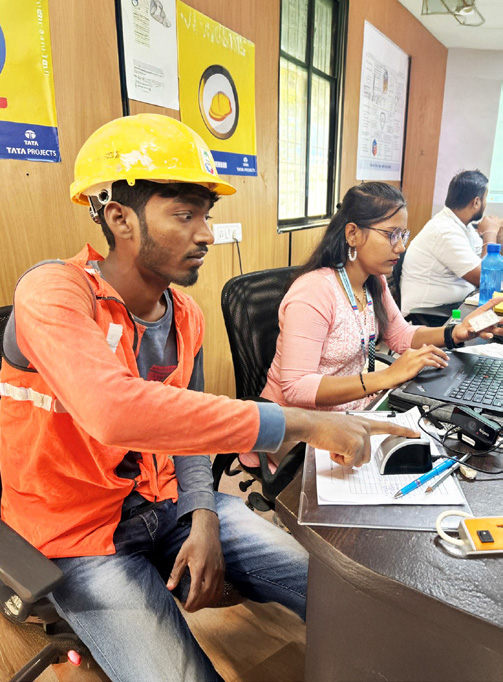
- Supported urban migrants across Mumbai, New Delhi, Odisha, and other peri-urban regions with identification and enrolment into government schemes such as E-Shram and Aadhaar through biometric verification
- Extended livelihood and social security linkages across Odisha DISCOMs, Jojobera, Mundra, and hydropower locations, covering agriculture, livestock, and related schemes
- Enabled access to welfare schemes for 400+ Tata project construction workers through collaboration with Adhikaarpreneurs, strengthening intra-group synergies
Pay Autention
Geographic footprint: Tamil Nadu, Telangana, Odisha, Assam, Jharkhand, Delhi, Maharashtra, Kerala, West Bengal
Focus area
- Raising awareness and promote early intervention for individuals with neurodiversity
- Upskilling caregivers, parents, public workers and volunteers by enabling accessible home-care solutions, including: dance, movement and yoga therapy, art and play therapy, applied nutrition workshops
- Building inclusive ecosystems in schools, Anganwadis and public spaces
- Ensuring inclusive access across underserved and rural communities, guided by Tata Affirmative Action principles
Strategic way forward
- Strengthening network of individuals with Autism, special educators, parents, and frontline workers via e-learning
- Expanding dance, movement and yoga therapy modules to make it accessible to all, especially those without formal academic qualifications or the ability to pursue full-time education
- Increasing early detection resources and improving access to behavioural and learning aids for caregivers
- Scaling programme depth and geographic reach for greater impact

Initiatives and progress during FY26
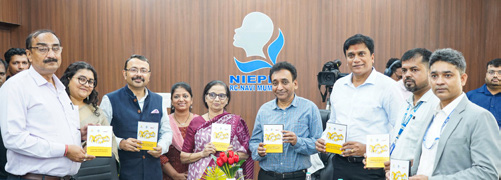
- Worked with 60,000+ families across 8 states and conducted national-level sensitisation workshops in collaboration with RCI and NIEPID to promote inclusive development for persons with neurodiversity
- Trained 5,000+ parent groups and frontline workers in early intervention for Autism Spectrum Disorder (ASD), and expanded brain nutrition and dance movement workshops, reaching 100+ parents and special educators at NIEPMD
- Organised nationwide awareness initiatives, including inclusive screenings of the Oscar-nominated film 'Tanvi The Great' across 11 cities in 7 states in partnership with Anupam Kher Studios
- Participated in Purple Fest 2026 at Rashtrapati Bhavan, engaging 10,000+ participants and enabled collaborations through the Pay Autention kiosk to improve access to resources for parents and caregivers via multi-sensory workshops, LEGO play therapy, and dance movement therapy
- Supported a Centre of Autism in Tirunelveli in partnership with the Government of Tamil Nadu, providing early intervention and integrated care services; established a PwD Skilling Centre in Prayagraj, Uttar Pradesh, creating employment opportunities for 500+ youth with disabilities
- Organised the first Odisha Neurodiversity Summit in Bhubaneswar, engaging 500+ beneficiaries and 20+ partner organisations, with focused sessions on early detection and timely intervention
- Partnered with Atypical Advantage to make inclusive UI/UX design courses accessible to individuals with neurodiversity through the Pay Autention initiative
- Collaborated with Tata Institute of Social Sciences, Kolkata Sanved and TPCDT to co-create and facilitate a Dance Movement Yoga Practice course for individuals with neurodiversity.
- Worked with National Abilympics Association of India in a 5-year partnership to host skill based competitions and to mentor individuals with neurodiversity for the International Abilympics.
in action
E-Sanidhya – bridging care for neurodivergent communities
E-Sanidhya is a phygital platform under the Pay Autention initiative that leverages technology and expert-led interventions to improve access to care, support, and resources for neurodiverse individuals and their caregivers, particularly in underserved and remote communities.
Designed as a collaborative ecosystem, the platform is implemented through a structured execution and management framework, with NIEPID managing day-to-day operations through a dedicated team and TPCDT providing voluntary support and oversight. Together, these efforts have enabled E-Sanidhya to expand its reach and deliver meaningful impact across the neurodiversity continuum.
Key highlights FY26
- 14,000+ users registered across India
- Dance, movement and yoga therapy module piloted with NIEPID with non-verbal and creative practices methods made accessible to all literacy levels
- Early intervention and caregiver support made accessible remotely
- Strengthens community building through awareness, mentoring, and resources
Impact snapshot
- Empowered caregivers, educators and public workers to better support neurodivergent children
- Provided scalable, home-based therapy options
- Bridged gaps in access to screening, diagnosis, and intervention
Looking ahead
- Expand art in health modules to reach more individuals across 28 states and four union territories
- Integrate early detection tools and e-learning resources
- Deepen the network of parents, special educators and frontline workers for a truly inclusive ecosystem

Employability and Employment
Through our CSR initiatives in employment, we focus on creating sustainable livelihoods and meaningful work opportunities for marginalised youth and women across our communities through industry-aligned training, targeted skilling programmes, and inclusive interventions.
Vocational training centres
Geographic footprint: Odisha, Delhi, Uttar Pradesh, Gujarat, Karnataka, Kerala, Rajasthan, Jharkhand, Tamil Nadu, Andhra Pradesh, Telangana, Bihar, Maharashtra
Focus area
- Encouraging technical, vocational, and green-energy skills for underserved communities, including solar PV, energy storage, EV charging, power transmission, industrial safety, and smart metering
- Empowering women through practical skills, enterprise management, financial literacy and leadership as community ambassadors
- Advancing digital literacy, employability readiness and future-focused skills aligned with India's clean energy transition
- Driving inclusive skilling for Affirmative Action (AA) communities and marginalised youth
- Expanding access to skilling across urban, rural and aspirational areas
Initiatives and progress during FY26
- Expanded skilling initiatives to 55 centres across 14 states, reaching 1+ lakh youth through VTCs and ITI programmes, with women accounting for ~50% of beneficiaries
- Trained 400+ youth in trades such as Assistant Electricians, Fabricators/Welders, and Retail Sales Assistants across multiple states
- Trained 350+ youth as Solar PV Technicians and Installers, integrating employability readiness skills
- Strengthened partnerships with 83 Industrial Training Institutes, enabling hands-on technical training for youth from underserved communities in high-demand trades
- TPSDI (Tata Power Skill Development Institute): Operates a hub-and-spoke model across India, combining practical training with industry relevance. It has trained 50,000+ beneficiaries from underserved communities, including 20,000+ women, with an overall reach of 4+ lakh individuals across 200 courses spanning solar PV, energy storage, EV charging, tailoring, computer, and electrical skills.
Odisha Green Job Academy
A vocational training initiative focused on building future-ready skills in sustainability and renewable energy. The programme trains rural youth in roles such as solar technicians, EV technicians, and plumbing, in collaboration with organisations like UNICEF and National Skill Development Corporation. It operates as an NSDCcertified academy, driving green job creation across rural communities.
Skill on Wheels
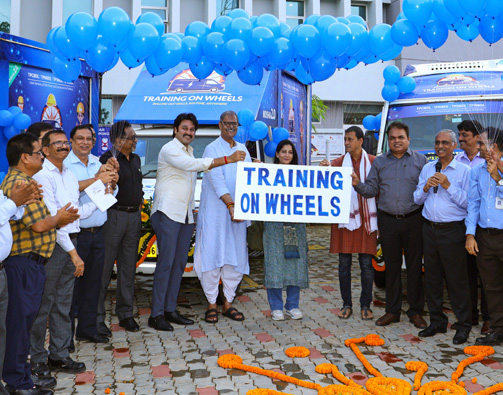
A mobile training initiative launched to deliver on-the-go skill development in remote locations, with a focus on green jobs and WASH (Water, Sanitation and Hygiene). The programme enables access to technical training, enhancing employability and supporting entrepreneurship among rural populations.
Wayanad Skill Park, Kerala
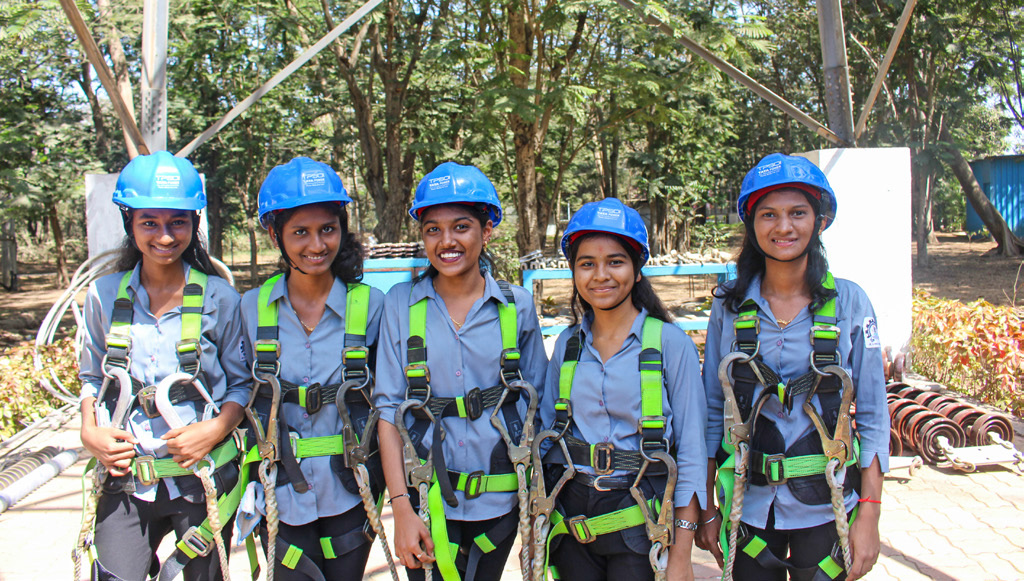
Hands-on training in solar PV, electrical trades, and retail equips youth and women from underserved communities with future-ready skills. The skill park has been set up in partnership with Additional Skill Acquisition Programme (ASAP), Govt. of Kerala.
Impact highlights – FY26
- 640+ youth trained in solar and electrical skills
- Women trained in entrepreneurship and community leadership
- Programmes linked to careers, employability and green energy participation, with mentorship by the best industry professionals in the latest high-quality technical equipment
- Trainings include solar PV installation and maintenance, industrial safety, data entry, baking and sales
- We are working closely with local industries and hospitals for placements of these students
ITI Bikaner, Rajasthan
Introduced a PV Solar Technician course at ITI Bikaner in collaboration with TPSDI. The course aims at equipping local youth with industry-relevant skills, bridging skill gaps in renewable energy sectors through industry exposure and hands-on training.
So far, over 1,900 youth have been trained in industrial safety standards and solar installations.
Aligning with Tata Affirmative Action
Guided by care and inclusivity
Tata Power's Affirmative Action (AA) vision is rooted in the principles of care and inclusivity, seamlessly embedded in our organisational ethos and CSR framework.
Powering transformation
Our AA Policy aligns with the Company's motto of 'Lightening up Lives', focusing on 'Powering Transformation' to provide clear direction across all initiatives.
2030 aspiration
We aim to positively impact 320 lakh lives within AA communities by 2030.
Our approach
- Delivering direct and indirect impact through carefully designed programmes and processes
- Forging strategic synergies with businesses, institutions and public-private partnerships
- Leveraging employee expertise and volunteering for amplified outcomes
- Driving focused affirmative actions across key thematic areas to ensure inclusive and lasting impact
Abha
Geographic footprint: Odisha, Delhi, Maharashtra
Focus area
Technical skilling in power distribution
Delivering structured training in electricity metering, billing, revenue collection, and basic power distribution operations, enabling women to take on traditionally male-dominated energy sector roles
Financial literacy, life skills and leadership
Conducting programmes in digital literacy, financial management, communication, problem-solving, and leadership development to build confidence and workplace readiness
Flexible and local employment opportunities
Creating dignified, locally accessible employment options that balance household responsibilities with stable earnings and social security benefits
Strategic way forward
- Targeting to upskill 90,000 - 1,10,000 youth and women in the next five years.
- Establishing stronger linkages to placements, apprenticeships and local employment opportunities to promote sustained economic independence
Initiatives and progress during FY26
- Trained 3,800+ women under the Abha initiative across India, enabling an average monthly income
ranging from
₹ 10,000 - ₹ 12,000 per month - Enabled placement of Abha women in formal employment and income-generating roles across power distribution and energy efficiency programmes; integrated efforts with Vocational Training Centres to provide hands-on skilling, apprenticeships, and community-linked employment pathways
Entrepreneurship
We nurture inclusive socio-economic growth by promoting self-employment, micro-enterprises, and economic empowerment for women, farmers, Persons with Disabilities, and rural communities. Through capacity building, collective formation, enterprise support, and market linkages, we foster entrepreneurial mindsets, sustainable livelihoods and resilient community ecosystems.
Anokha Dhaaga
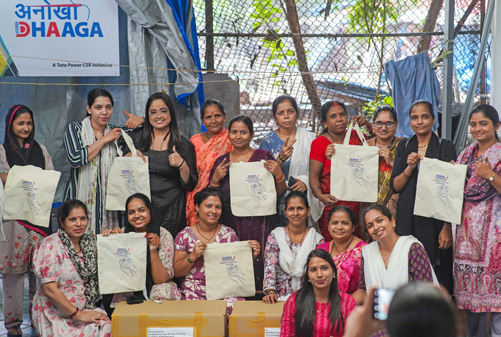
Anokha Dhaaga is a women-led micro-enterprise initiative that equips women Self Help Groups (SHGs) with income-generating skills and financial independence through skill training and capacity building.
Geographic footprint: Tamil Nadu, Andhra Pradesh, Odisha, Madhya Pradesh, West Bengal, Jharkhand, Uttar Pradesh, Delhi, Maharashtra, Himachal Pradesh, Karnataka, Gujarat, Rajasthan
Focus area
- Supporting women-led micro-enterprises and skill development for semi-skilled, unskilled, tribal, and farmer women
- Preserving traditional crafts while creating market-linked income opportunities
- Driving inclusive growth and community leadership
- Supporting upskilling of benifitted 8,500+ farmer families and Persons with Disabilities (PwDs)
Strategic way forward
- Expanding Anokha Dhaaga to support 40,000-45,000 members across SHGs, farmer collectives and micro-enterprises
- Scaling Smart Circularity initiatives to create a wider range of office and home utility products, embedding sustainability as a daily practice
- Upskill 100+ Master trainers to cascade further to 5,00,000 members
Initiatives and progress during FY26
- Generated ₹ 5+ crore in revenue through 50+ B2B collaborations under Anokha Dhaaga;
- Engaged 15,000+ active SHG members across 25 centres nationwide
- Strengthened a network of 2,700+ Self-Help Groups, involving 5,500+ producer members
- Conducted capacity-building workshops for 8,500+ farmer families in Maharashtra, enhancing knowledge of dryland farming and climate adaptation
- Launched the Anokha Dhaaga Learning and Management System on YouTube, an open-access platform to deliver soft skills training across geographies
- Enabled participation of 120+ women artisans in the Tata AI Sakhi immersion programme at the India AI Impact Summit 2026 to explore AI applications for rural entrepreneurship
- Co-developed a fly ash-based product range in collaboration with Indian Institute of Technology Madras to advance circular economy practices
Advancing smart circularity
Objective
Integrate sustainability into CSR operations by transforming waste into reusable resources, promoting environmental stewardship alongside economic empowerment.
FY26 highlights
- Collected and recycled plastics, producing 2,000+ RPET T-shirts from 3.5+ tonnes of plastic for the Tata Mumbai Marathon and internal events
- Supported 500+ women from Anokha Dhaaga in circularity-based production, creating sustainable livelihoods
- Repurposed industrial scrap, particularly from Mundra, into public art installations in collaboration with Bhuj-Kutch artisans, featuring traditional crafts like Ajrakh printing, weaving and mirror embroidery
- Employee and family-led volunteering drives collected PET bottles, textiles, and other recyclable materials, channelled to social enterprise partners for upcycling
- RPET products and repurposed fabrics used across events, CSR initiatives, and employee onboarding to promote eco-conscious values
- Installed over 300 desks in schools and 50 benches across community institutions Maharashtra, Madhya Pradesh and Rajasthan. Each bench is made of 60kgs of plastic, contributing to over 3,000kg of plastic being recycled
Impact
- Strengthened a circular economy at the community level and integrated employee volunteering
- Increased awareness and adoption of sustainable, everyday practices within and beyond Tata Power communities
Essential enablers
Through our CSR initiatives in employment, we focus on creating sustainable livelihoods and meaningful work opportunities for marginalised youth and women across our communities through industry-aligned training, targeted skilling programmes, and inclusive interventions.
Focus area
Health and medical access
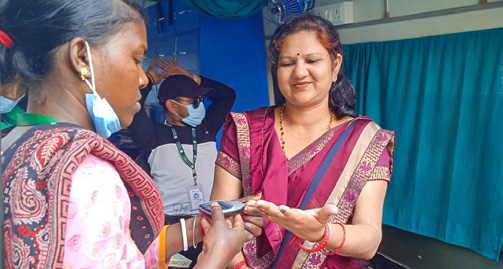
Mobile Medical Units providing consultations, free medicines, and health education on hygiene, sanitation and lifestyle diseases.
Sports promotion
Supporting rural youth with training, equipment, and opportunities to participate in state and district-level competitions
Sanitation
Technology-enabled, safe, and dignified sanitation interventions for urban workers in partnership with municipalities and national programmes.
Clean drinking water
Setting up RO water plants and safe water facilities in schools, slums, metro stations; monitoring water quality and conducting awareness sessions on conservation.
Water stewardship and ecological conservation
Watershed restoration, AI-enabled water budgeting, drone monitoring and solar-powered smart drinking water systems for sustainable water access.
Solarisation and watershed management
Rooftop solar installations, solar street lighting, energy awareness sessions, and watershed development in drought-prone regions
Initiatives and progress during FY26
- Reached 30.4+ lakh beneficiaries across 15+ states
- Deployed 32+ Mobile Medical Units, delivering doorstep healthcare and screening 2,500+ families across remote and underserved communities
- Enabled solarisation of Gram Panchayats, Primary Health Centres, schools, and public institutions across renewable project locations in Andhra Pradesh, Bihar, Gujarat, Karnataka, Maharashtra, Rajasthan, and Uttar Pradesh
- Implemented watershed management and ecological restoration projects in arid and semi-arid regions, contributing to improved water table levels; undertook rejuvenation of water bodies in Karur (Tamil Nadu), and Partur and Ahmednagar (Maharashtra)
- Installed and maintained 100+ RO water units across public institutions in regions with limited access to potable water and high groundwater contamination
- Promoted sports development by providing training and kits to rural youth, supporting the emergence of state-level athletes in Goa and Punjab
Group collaborations and partnerships
- Collaborated with Tata Trusts under the 'One Odisha' initiative to strengthen education, healthcare, and livelihood programmes
- Partnered with TajSATS and Anokha Dhaaga to deliver skilling programmes in culinary arts, F&B, and vocational skills for youth and Persons with Disabilities
- Worked with Tata Sons and Brihanmumbai Municipal Corporation on coastal road beautification through culturally inspired installations
- Participated in the Tata Mumbai Marathon with eco-conscious initiatives including RPET T-shirts, pre-charged RFID EZ charge cards, and awareness campaigns through the Eco Crew platform
Employee volunteering and inclusion
- Clocked 2.7+ lakh volunteering hours through initiatives such as Pay Autention, Smart Circularity, and Climate Crew
- Engaged 3.1+ lakh volunteers across CSR initiatives, including 1,200+ inclusive volunteering hours in collaboration with TELEC Sports and other organisations, supporting activities such as creating tactile learning materials for individuals with neurodiversity
- Conducted volunteering initiatives during Tata Volunteering Week, including blood donation drives, collection drives, webinars, and multi-format engagement programmes
- Advanced inclusion through the Pay Autention initiative, enabling structured volunteering such as 'Speed Mentoring', where employees mentor neurodiverse individuals to support skill development and career exploration
- Enabled participation from employees and families across 12+ Tata Group companies, reinforcing a culture of inclusion and community engagement
- Aligned volunteering efforts with the United Nations Sustainable Development Goals (UN SDGs) 4, 8, 10, and 17
Volunteering under smart circularity
- Enabled employee-led collection of PET bottles, textiles, and recyclable materials, channelled to partners such as ReCircle and Anokha Dhaaga for recycling and upcycling
- Converted plastic waste into RPET fabric and repurposed materials, supporting women artisans in creating sustainable products such as T-shirts, bags, and accessories used across events and employee onboarding
Volunteering for elephant conservation
A key pillar of the Gaja Sanrakshana programme is the mobilisation of community volunteers known as Gaja Saathis. The initiative has successfully trained and mobilised 3,750 Gaja Saathis across the intervention areas to support elephant conservation efforts.
These volunteers play a vital role in:
- Coordinating community response during elephant movement
- Disseminating early warning alerts within villages
- Preventing harmful or retaliatory practices
- Facilitating the safe passage of elephants through human habitations
Volunteering under Pay Autention
Under Pay Autention, our volunteering initiative was designed to bring inclusion and enable mutual learning between volunteers and the neurodiverse community. As part of this effort, programmes such as 'Speed Mentoring' connects mentors and mentees based on shared skills, interests, and aspirations, with volunteers dedicating time over the weekends to guide and support neurodiverse individuals in exploring their strengths and career pathways.
As part of the Tata Volunteering Week, we also had employees across our Mumbai offices create tactile learning material for children with neurodiversity.

Long-term impact through shared value
Focus area
In line with our commitment to continuous sustainable development, across its thrust areas, TPCDT has also designed long-term multi-year initiatives to create lasting social assets in various locations. By strategically aligning with national and regional government agendas, the approach aims to enhance impact through collaborative partnerships. The goals include establishing sustainable projects with enduring benefits, implementing multi-location interventions to meet diverse community needs, and leveraging synergies within the Tata Group for comprehensive development. This approach, with a focus on long-term shared-value creation, seeks to drive positive socio-economic change in our communities while supporting broader national development objectives building replicable models that deliver social, economic, and environmental value over time.
Monitoring frameworks
Community Engagement Index (CEI)
Measures the scale and depth of community impact and contribution to sustainable regional development across operational areas. It tracks participation across planning, inclusion, collaboration, and impact, providing both quantitative and qualitative feedback on key programmes, and is conducted once every two years.
Regional Development Dimensions (RDD)
Assesses social, economic, hygiene, infrastructure and amenities. Each dimension scored out of 25 for a composite development score.
Initiatives and progress during FY26
- Started the Women's Entrepreneurship project in Tirunelveli and Thoothukudi, Tamil Nadu. Working with existing self help group, we have heatmapped agricultural and non-agricultural products, aligning with local produce and promoted non-conventional enterprises such as eco-friendly sanitary pad making, cold press oil extraction units and millet processing enterprises with market and B2B linkages through Tata Group ecosystems and Anokha Dhaaga
- Set up a PwD skilling centre in Prayagraj, Uttar Pradesh that conducts sessions on retail sales, e-commerce, ITeS and marketing, supported by training modules, guest lectures and counselling sessions
- Partnered with the Tata Agricultural and Rural Training Centre for the Blind (TACEB) that is dedicated to empowering persons with visual impairment through agriculture-based skill development, rural training, and sustainable livelihood programmes. Additionally, we have provided green energy solutions across the centre along with agricultural equipment
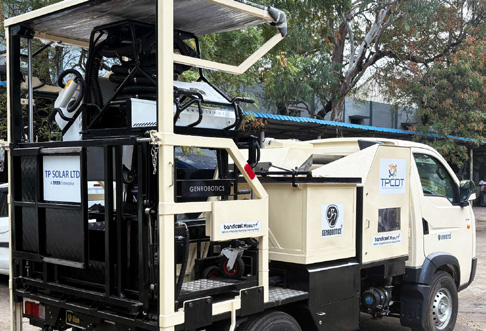
- Deployed a Vehicle Integrated Robotic Sanitation System in Tirunelveli, Tamil Nadu. This has been done with the Triunelveli Municipal Corporation to promote safe, mechanised and dignified sanitation work as part of our long-term affirmative action
- Set up a farmer field school in Prayagraj covering 23 blocks, promoting organic practices, intercropping and low-cost farming practices to enhance sustainability and reduce costs. Additionally, we have also implemented hands-on demonstrations and peer-learning programmes to improve farmers' knowledge and skills along with linkages to improve access to schemes and services.
- Flood relief measures were implemented across 13 villages of the Kollam Wind farm site in Dharashiv district of Maharashtra. 1,000+ rations and relief kits were distributed with essential groceries and hygiene supplies, ensuring timely and essential support to affected families
- The Gaja Sanrakshana project is a vital initiative to protect the elephant population in Odisha. It primarily targets hotspots around elephant reserves and corridors. In FY26, our initiatives have extended to 17 new ranges, making it a total of 20 forest ranges in nine Forest Divisions across eight districts. So far, a total of 2,000+ threat electrocution hotspots have been identified and measures have been taken to control live wire poaching spots, sagging electric lines and open transformers. Other essential measures such as farmer sensitisation sessions, night patrols and installation of early warning systems have been initiated to prevent human-elephant conflict and casualties.
Coming together for a stronger impact
Strategic collaborations
- Partnered with 2,000+ like-minded organisations to create a strong ecosystem for community development
- Network spans across public institutions, government bodies, local self-governments, research and academic institutes, Tata Group companies, and community-based organisations at regional and national levels
- Initiatives cover sanitation, beautification, education amplification, volunteering and more, ensuring a unified approach to social development
Tata Group synergies
- IHCL, Air India, Tata Elxsi, Tata Communications, Tata Tele Business Services, Voltas, Titan, Croma, Star Alliance, Tata International, Tata Motors, Rallis, Tata Chemicals, Tata AIA, Tata Steel Foundation
- Tata Agricultural and Rural Training Centre for the Blind (TACEB), Tata Trusts Small Animal Hospital
Government partnerships
- Ministry of Rural Development, Prerna, NAAI, NIEPID, Tamil Nadu Government, NRLM, Odisha Government, NIEPMD
- Commissionerate of Welfare of Differently Abled, Department of Empowerment of Persons with Disabilities (DEPwD)
Institutional and academic partners
- TISS, SPJIMR, Karya, IITs, Skill Council for Persons with Disabilities, Wildlife Institute of India
Awards
- The E-Sanidhya portal, under the Pay Autention programme, received the Mahatma Award 2025 for Digital Transformation and Social Impact
- The Pay Autention programme was recognised with the Restore Award 2025 in the Kindness category, acknowledging efforts to build an inclusive care ecosystem for individuals with neurodiversity through E-Sanidhya, a phygital platform offering virtual screenings, expert consultations, and caregiver support
- Tata Power Company Limited received the ICSI CSR Excellence Award 2025 in the Large Category, recognising its efforts in expanding CSR impact
- Tata Power received the Tata Engage Award for Excellence in Volunteering and Highest Volunteering Hours in the Very Large Category for FY26
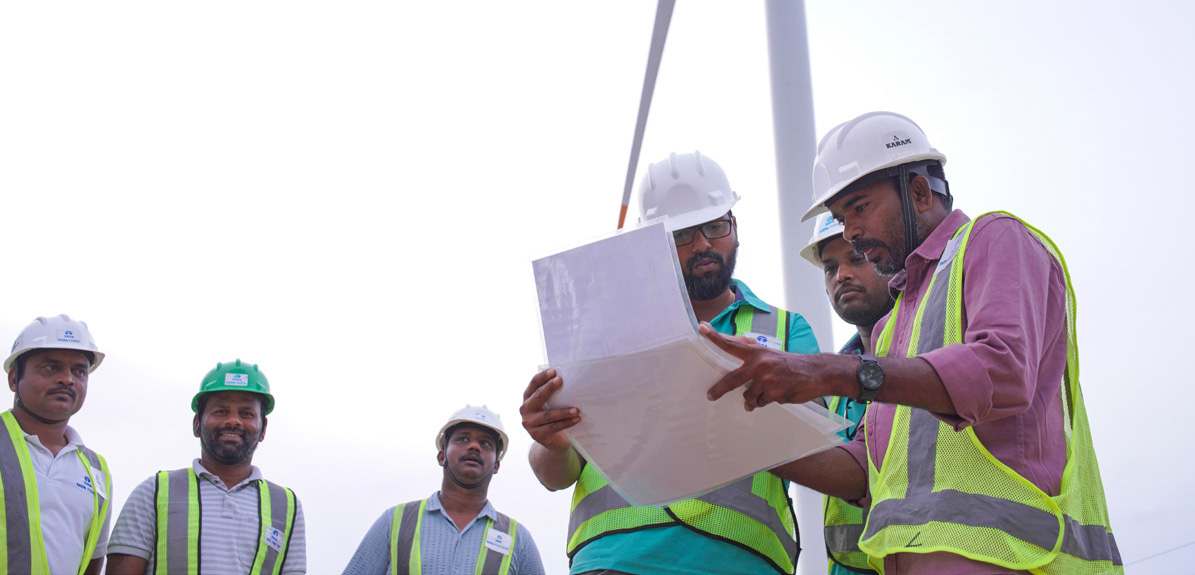
Promoting the shift to renewable energy through the Akkalkot Solar Project
We are advancing collaborative clean energy adoption through the 120 MW Akkalkot Group Captive Solar Project in Maharashtra, spread across 689 acres.
Developed under the group captive model, the project enables multiple companies to co-own and consume renewable energy, supporting affordable and sustainable power access for industrial consumers.
Beyond clean energy generation, the project is creating community impact through local employment, skill development, women empowerment initiatives, watershed development, and education programmes such as 'Lab on Bike'.
The Akkalkot project reflects our commitment to building renewable energy infrastructure that delivers both environmental and social value.
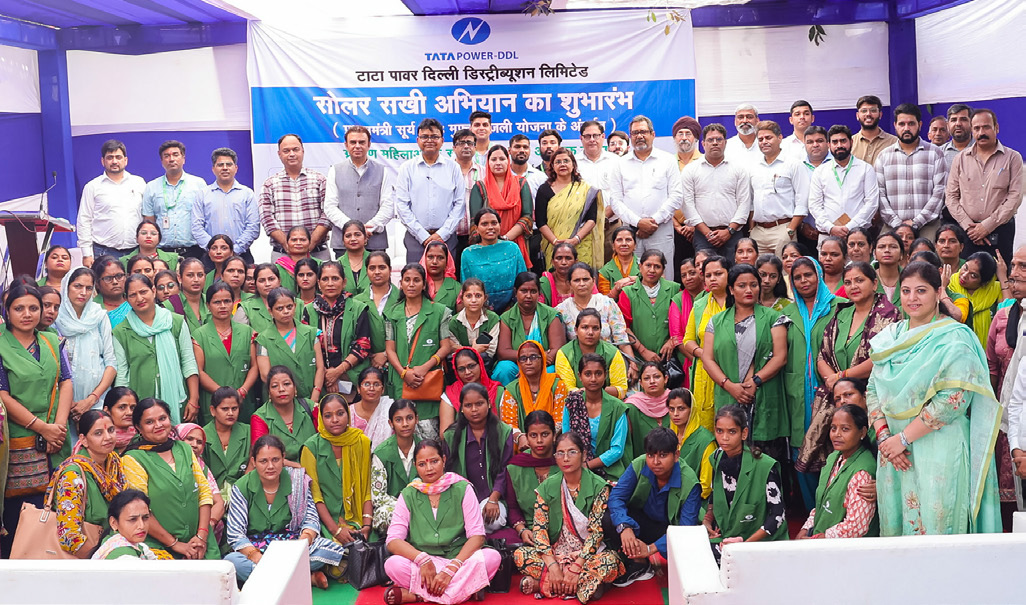
Solar Sakhi Abhiyan
We launched the Solar Sakhi Abhiyan under the PM Surya Ghar: Muft Bijli Yojana to promote rooftop solar awareness in rural communities. The initiative trained women volunteers as 'Solar Sakhis' to educate households on clean energy benefits, government subsidies, and sustainable energy adoption through grassroots outreach.
Impact highlights
- Trained 100 women volunteers as Solar Sakhis
- Expanded outreach across 75+ villages
- Increased awareness of rooftop solar adoption and government incentives
- Strengthened women-led community engagement in sustainability
- Supported India's renewable energy and clean energy transition goals
in action
Reimagining inclusion: Empowering the Paradhi community through Affirmative Action
At Tata Power, Affirmative Action extends beyond creating opportunities; it is about dismantling systemic barriers, fostering inclusion, and enabling communities historically left behind to participate meaningfully in India's development journey. This commitment came to life in Partur, Maharashtra, through PARADH, a transformative initiative focused on the socio-economic empowerment of the Paradhi community.
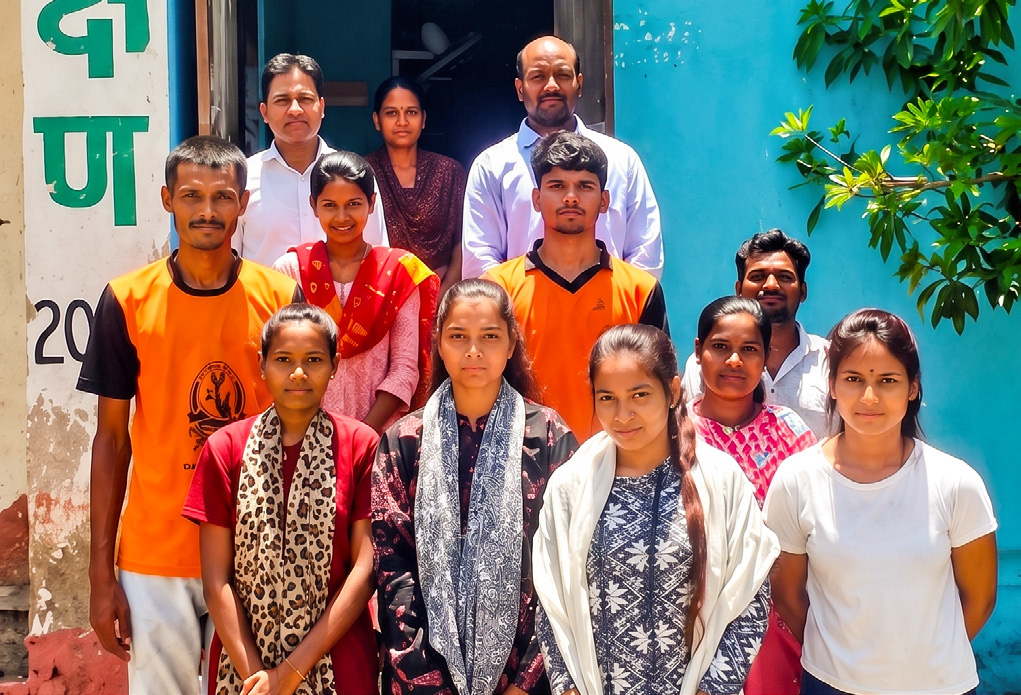
For generations, the Paradhi community has grappled with deep-rooted social stigma, economic exclusion, and limited access to essential services and opportunities. These challenges often translated into precarious livelihoods and strained relationships with surrounding institutions and industries. Recognising that sustainable change requires understanding rather than exclusion, Tata Power chose a path of engagement, trust-building, and empowerment.
In August 2025, Tata Power Community Development Trust (TPCDT) partnered with the District Collectorate of Jalna through a formal Memorandum of Understanding to drive the holistic development of the Paradhi community in Partur. The intervention began with a comprehensive socio-economic assessment covering 407 households across three major settlements, laying the foundation for evidence-based action.
One of the community's most pressing challenges was the lack of access to identity documents and social security schemes. To address this, we established a dedicated Document Service Centre and organised six documentation camps, enabling nearly 1,000 community members to secure critical documents such as ration cards, caste certificates, PAN cards, E-Shram cards, bank accounts, and other identity credentials. These efforts unlocked access to several government welfare programmes, including tribal development schemes, labour welfare benefits, and clean cooking initiatives, generating an estimated ₹ 14 lakh worth of financial coverage and community assets.
Beyond access to services, the programme focused on nurturing confidence, leadership, and aspirations among community members. Mind Programming workshops engaged Paradhi youth in discussions around ethical practices, personal development, and community leadership. Exposure visits to leading institutions, including YASHDA, BARTI, TRTI, Pune Police Commissionerate, and Vigyan Ashram, broadened perspectives and inspired participants to envision new possibilities for themselves and their communities.
Recognising that sustainable inclusion requires institutional support, we also facilitated sensitisation workshops for government officials, helping address long-standing prejudices and strengthening collaboration between the administration and the community. Simultaneously, community-led advocacy efforts delivered tangible civic improvements, including electricity access for the community hall at Paradhiwada, restoration and installation of streetlights, and improved municipal waste collection services.
To create pathways for long-term livelihood security, Tata Power established a dedicated Police Recruitment Facilitation Centre equipped with training infrastructure, learning resources, and physical fitness equipment. The centre supports Paradhi youth aspiring to join security and law enforcement services, opening doors to dignified employment and social mobility.
During FY26, the PARADH programme reached over 2,300 beneficiaries across multiple interventions, including documentation drives, literacy initiatives, community workshops, youth development programmes, exposure visits, civic advocacy campaigns, and livelihood facilitation efforts.
While the journey is still unfolding, the impact has been significant. Increased access to government entitlements, improved civic infrastructure, stronger community leadership, shared value creation and enhanced institutional engagement have contributed to greater socio-economic inclusion and self-reliance. Equally important, the programme has helped build trust and mutual understanding between the community and Tata Power, fostering stronger community relations and reinforcing the social licence to operate.
The PARADH initiative demonstrates how affirmative action, when implemented through sustained engagement and partnership, can transform lives while creating shared value for communities and businesses alike. As we continue to expand our inclusive development efforts, PARADH serves as a powerful example of how purposeful intervention can help rewrite narratives of exclusion into stories of dignity, opportunity, and progress.
Vidyut Dhaara: Powering progress beyond the grid
Energy has always represented more than infrastructure and electricity generation for us. It is a force that powers aspirations, strengthens communities, creates opportunities, and enables sustainable progress. Rooted in this belief, Vidyut Dhaara embodies our social impact philosophy, reflecting how the energy we generate flows beyond the grid and into the lives of people to create meaningful and lasting impact.

What is Vidyut Dhaara?
A unified vision for growth.
It is how we articulate our social impact journey and extend our business purpose and energy ecosystem. It reflects the integration of business and societal progress, where access to energy creates pathways for education, livelihoods, employability, inclusion, entrepreneurship, and environmental stewardship. It enables us to bring together our operations, people, and communities under a shared ecosystem of inclusive growth.
It is more than a film or communication platform. It reflects how Tata Power's energy creates brighter futures, empowers communities, and enables sustainable progress for generations to come.
Lighting the path to opportunity
To bring our vision to life, we created the Vidyut Dhaara film, a cinematic expression of Tata Power's evolving journey and impact. Narrated through the lens of its young protagonist, Dhaara, the film presents energy as a continuous current of possibility that shapes futures and creates meaningful change across generations.
The visual narrative moves through our legacy in hydro generation and our expanding renewable energy landscape across solar and wind, symbolising the Company's transition towards a cleaner future. Interwoven within this journey are stories of the people and communities at the heart of our impact ecosystem.
The film highlights the impact of our flagship social initiatives:
Anokha Dhaaga
Empowers women Self-Help Groups (SHGs) and entrepreneurs through sustainable livelihoods
Pay Autention
Advances neurodiversity awareness and inclusion
TPSDI
Strengthens youth employability through targeted skill development
Club Enerji
Nurtures environmental consciousness among young citizens
We collaborated with Swarathma, a band known for its commitment to sustainability and social consciousness, to create a soundtrack that made the narrative alive and urge the viewers to see the bigger picture and believe our belief and vision. The music captures the optimism and enduring flow of energy into lives.
More importantly, the film establishes Vidyut Dhaara as Tata Power's enduring business-linked social impact expression, bringing together communities, employees, customers, and partners under a shared philosophy of progress and possibility.