



 Contact us


Introduction
Building resilient communities by meeting essential needs and improving lives through partnerships with local stakeholders.
Local needs based interventions
Local, demand-driven interventions to strengthen basic infrastructure and extend one-time support, as needed.
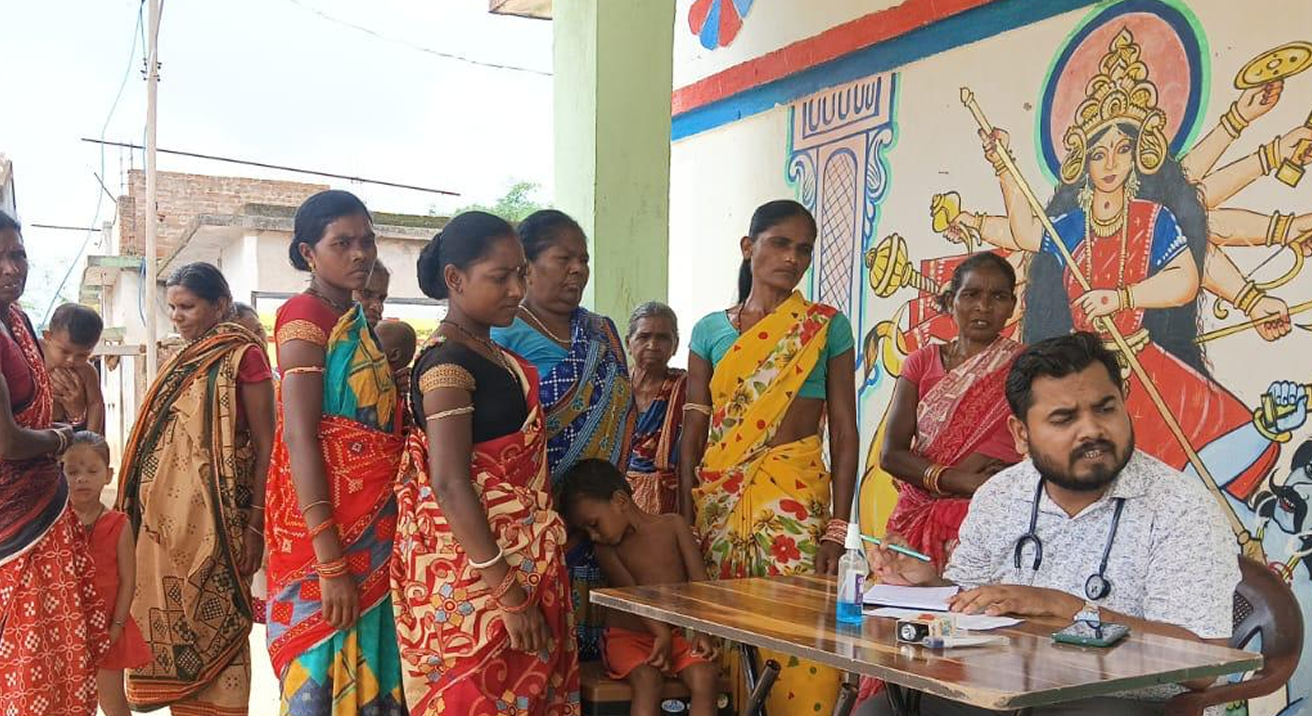
Essential services to support communities
Mobile Medical Units (MMUs)
Providing accessible, essential on-the-ground healthcare for community members.

Providing mobile healthcare for communities
Access to clean drinking water
As part of its commitment to community well-being, Tata Power-DDL has launched a Clean Water initiative to ensure access to safe drinking water. To address the critical need for affordable and hygienic water, the company has installed 101 RO plants across government schools, academic institutes, slum clusters, Delhi Metro stations, and sports complexes. While students in schools and institutes receive this facility free of cost, residents of slum clusters and metro commuters can access it at highly subsidized rates. Today, more than four lakh people benefit from this initiative every day, reinforcing Tata Power-DDL’s mission to create healthier, sustainable communities.
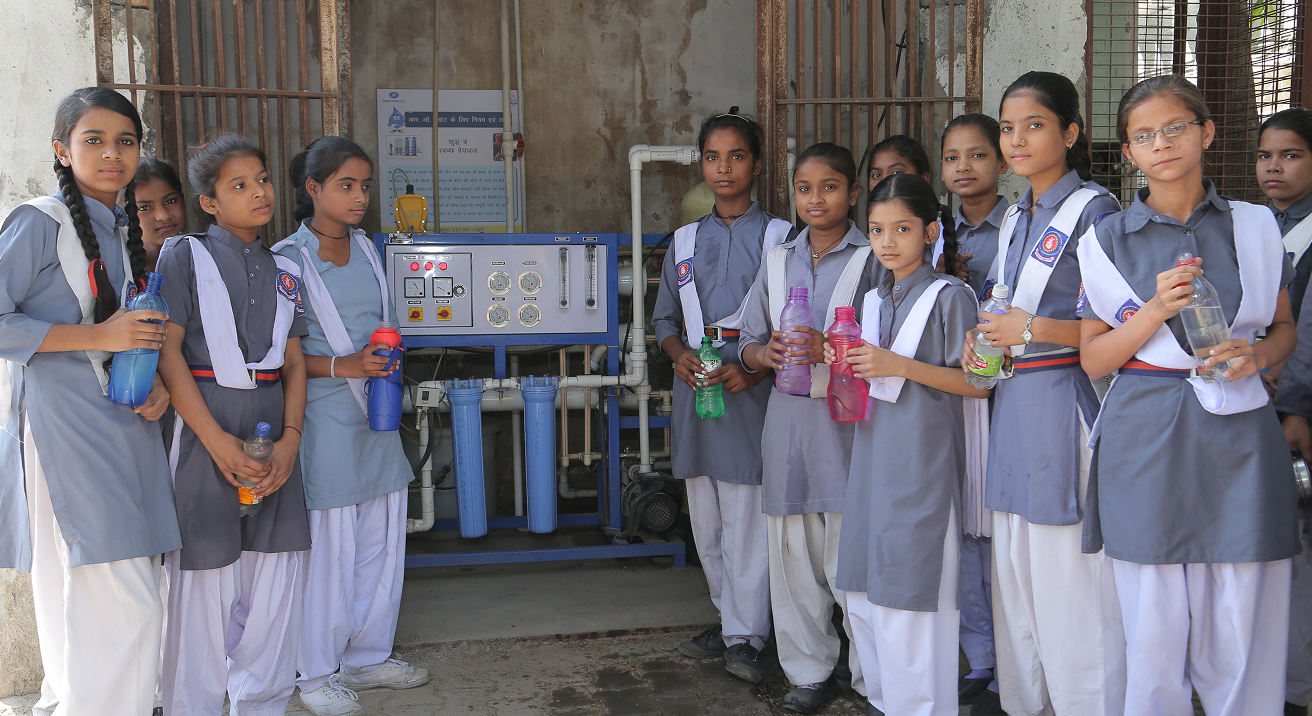
RO purified drinking water for students
Training for sports
Sports coaching, self-defense training, life-skills education, and dedicated Affirmative Action outreach for inclusive participation.

Promoting skill development through sports
Solarisation & watershed management
Solarisation projects extend green, clean power to community infrastructure in remote villages. The initiative bridges energy gaps and ensures uninterrupted power for critical services. Key activities include:
- Rooftop solar installations on key community buildings.
- Solar street lighting in public spaces.
- Energy awareness sessions to promote responsible usage.
The goal is to improve safety and access in village spaces, and to enhance the delivery of education, healthcare, and governance. By building community awareness and ownership of clean energy, these projects promote inclusive rural development and support a transition toward sustainable, resilient infrastructure. Tata Power has extended solarisation support to Gram Panchayats, Primary Health Centres, Police Stations, and Schools.
Watershed management is a need-based intervention focused on increasing water sufficiency in regions with scanty rainfall, particularly arid and semi-arid areas. These projects enhance water availability and improve the water table. Key aspects and impacts include:
- Addressing drought-prone locations and water scarcity during summer months.
- Implementing deep-bore, solar-powered overhead tanks to provide safe drinking water to families, supporting “drudgery reduction” among women.
- Constructing watershed structures that enhance water availability, improve water quality, and increase drinking water supply.
- Creating positive impact on both the demand and supply sides of water.
Including traditional and indigenous knowledge during implementation to ensure community participation.
- Demonstrating benefits such as a 30% increase in water availability, a 25% rise in crop yields, and a 20% growth in farmers’ incomes, revitalising agriculture and enhancing livelihoods.
- An example is a comprehensive water conservation initiative in Mathani village, Ahmednagar district (Maharashtra), which involved repairing check dams and constructing recharge shafts in collaboration with NABARD and local communities; NABARD also sanctioned 3.5 crore for a watershed program at Ahmednagar.
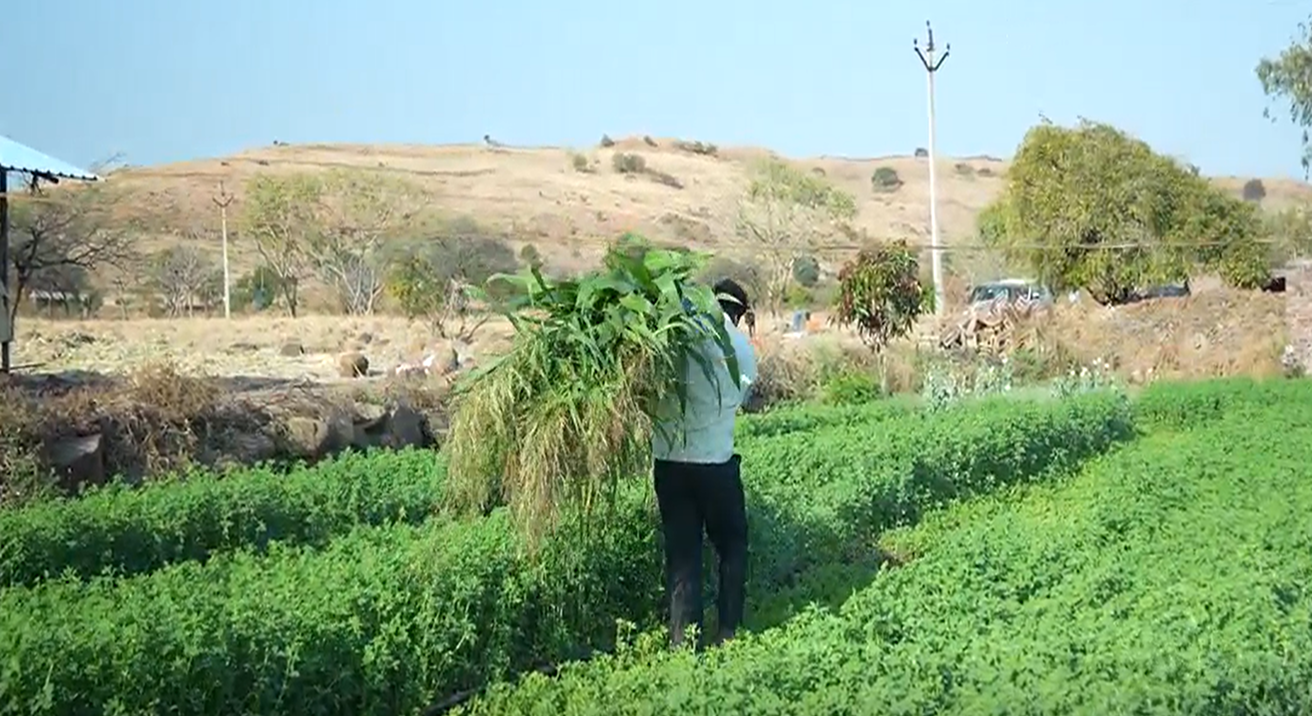
Energy access and enhanced water efficiency