
Quick Links
We empower marginalized communities by translating Affirmative Action into equitable access, lasting opportunity, and real outcomes
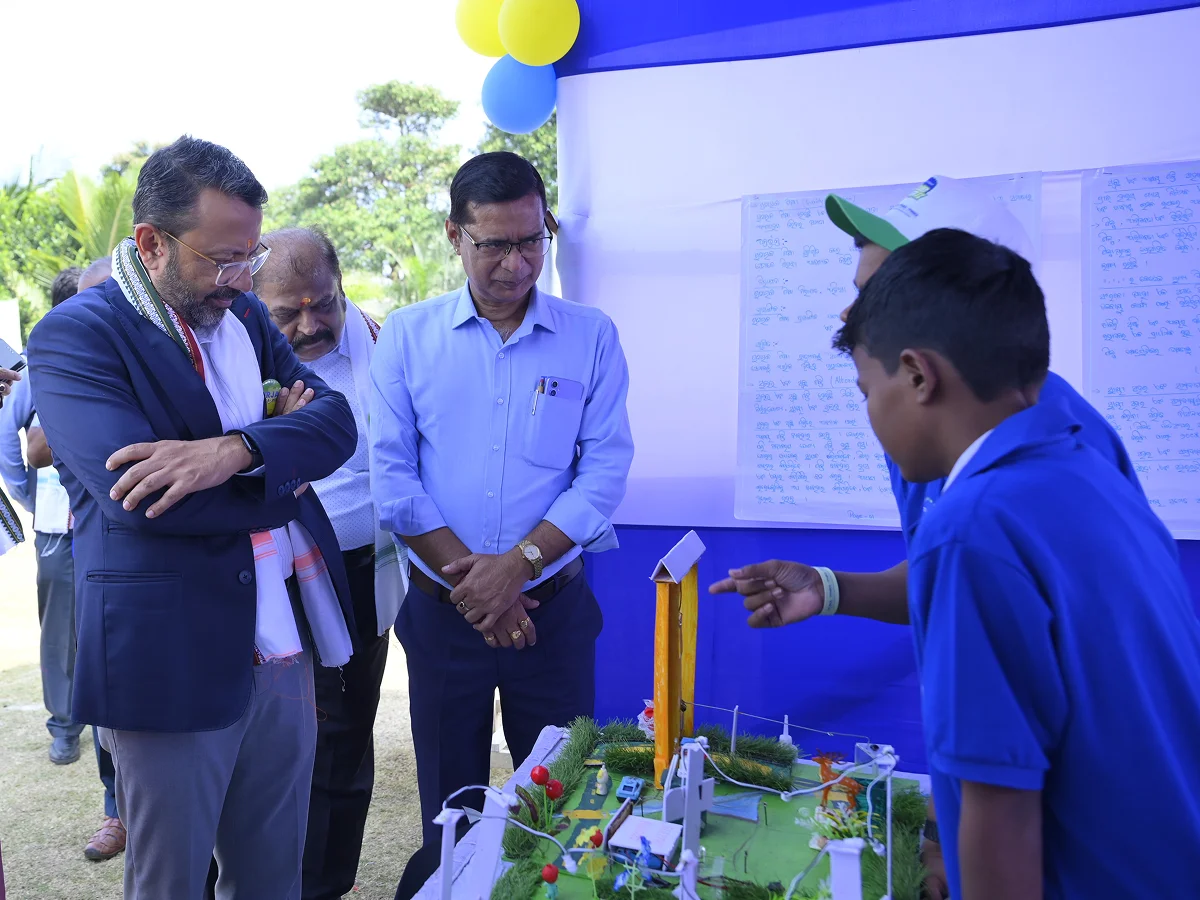
Real change begins locally, with training, inclusion, and care building confident, resilient communities everywhere

Visit our easy-to-access resource repository for insights into our efforts on Affirmative Action in India
Showing of items
The frequently asked questions section serves as a reliable source for unlocking answers to some of the most crucial inquiries. Please refer to this section for any queries you may have.
Affirmative Action in India refers to constitutionally allowed measures that help historically disadvantaged communities such as SCs, STs, and socially and educationally backward classes access education, employment, and political representation. Articles 15(4) and 16(4) empower the state to make special provisions, including reservations in education and public employment.
Typical measures include:
1. Reserved seats in higher education for SC, ST, and OBC students.
2. Reserved positions in public employment to ensure adequate representation of backward classes.
3. 4% horizontal reservation for persons with benchmark disabilities across categories.
4. 10% reservation for Economically Weaker Sections (EWS) in education and public employment, separate from SC, ST, and OBC quotas.
Nationally recognised Affirmative Action communities chiefly means Scheduled Castes and Scheduled Tribes, which are formally notified by the President under Articles 341 and 342. Alongside these, reservations also cover groups in the Central List of Other Backward Classes, and a separate EWS quota was created by the 103rd Constitutional Amendment.
Affirmative Action in India is a broad set of steps that expand fair access to education, public employment, and representation for communities that have faced long-standing barriers. Reservation is one specific tool within this larger approach. The Constitution permits these measures through Articles 15(4), 15(5), 15(6) and 16(4). The Supreme Court has guided how they are designed and applied over time, including in the Indra Sawhney judgment, shaping Affirmative Action policy in India, and the history of Affirmative Action in India.
Within the law, companies can back scholarships, hostels, girl child education, skill training, livelihood and entrepreneurship, and supplier inclusion for disadvantaged groups. CSR spending must align with Schedule VII and can be interpreted broadly to meet local needs, enabling credible Affirmative Action initiatives that are community relevant. Many of these initiatives fall under skill development CSR.
In 2019, Parliament passed a constitutional amendment providing up to 10 percent reservation in education and public employment for economically weaker sections, separate from existing SC, ST and OBC quotas. Policy details and rationale are documented in official legislative briefs. This is the Affirmative Action policy in India for EWS.
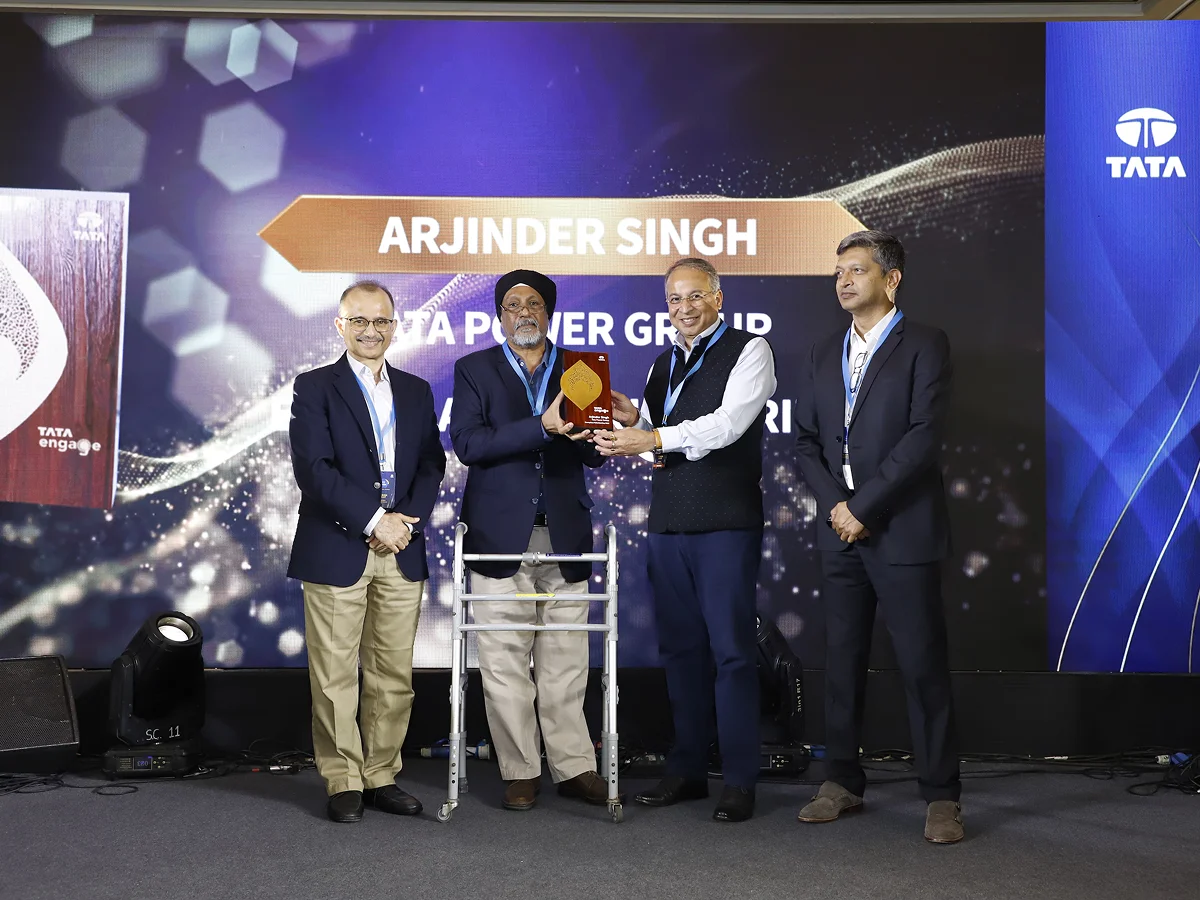
Aligned with Tata Power’s five CSR pillars, our efforts focus on integrating Affirmative Action groups into value chains while enhancing employability and entrepreneurship. Through targeted programs and scholarships across multiple states, we empower vulnerable communities, with a special emphasis on SC and ST groups, by combining skilling opportunities with strong market linkages.
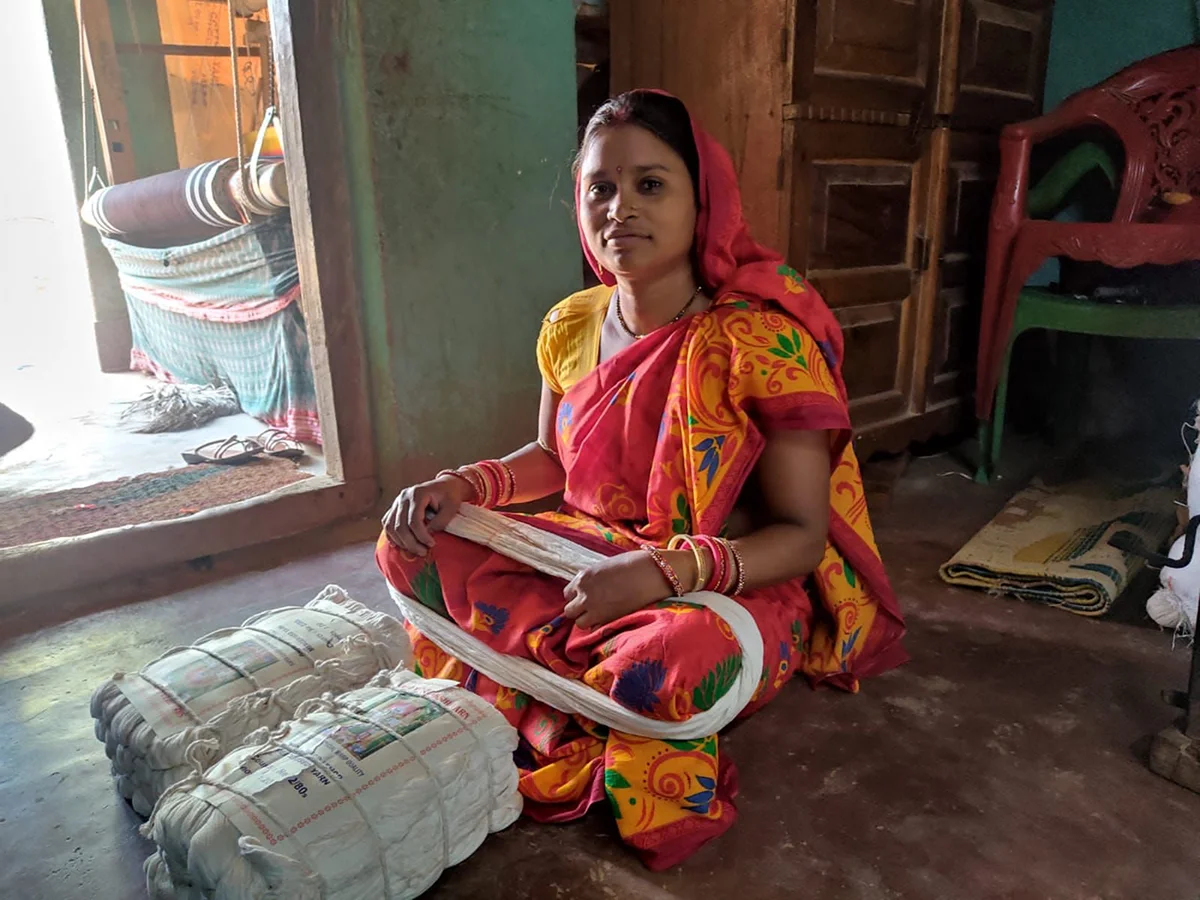
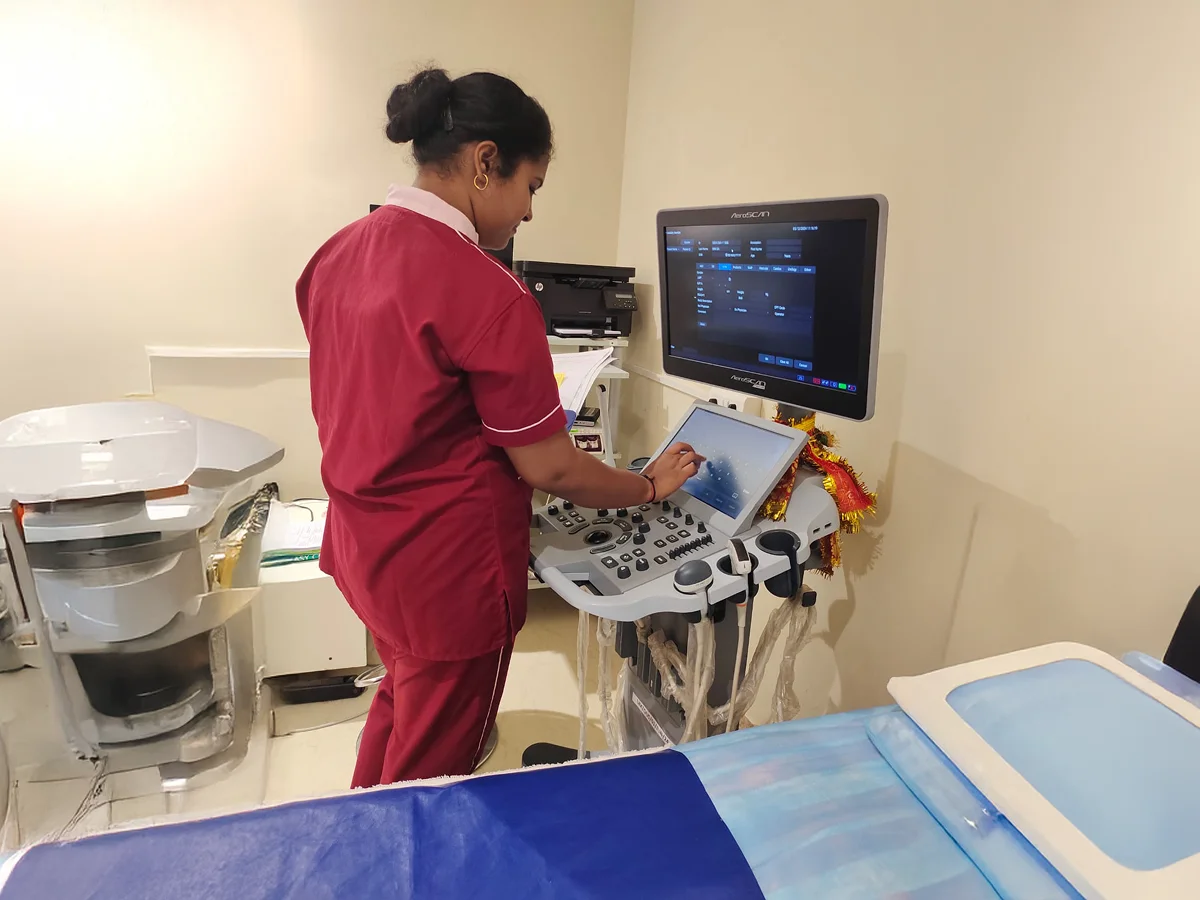
Tata Power’s initiatives for women include Abha, which equips semi-skilled and unskilled women with digital training for roles in metering, billing, and collections, offering flexible work opportunities. Anokha Dhaaga enhances incomes by nurturing skills in garments, handicrafts, and community enterprises. Together, these programs reflect Tata Power’s commitment to inclusive growth and women’s empowerment through education and livelihood development.
Section 135 of the Companies Act requires qualifying companies to spend money on CSR aligned to Schedule VII. Government replies and FAQs explain that women empowerment, gender equality, education, health, environment and disaster relief are eligible CSR areas, interpreted broadly. This framework supports women empowerment through CSR initiatives nationwide.
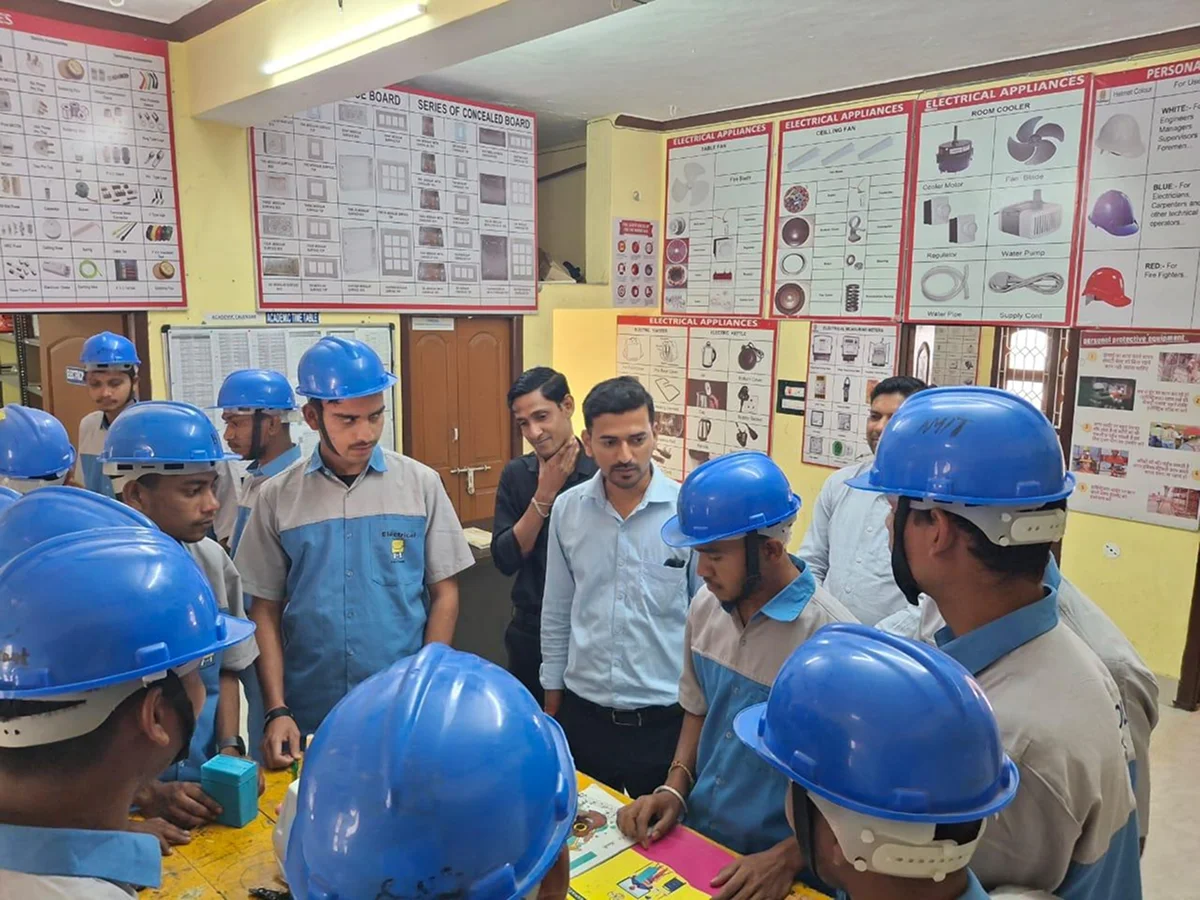
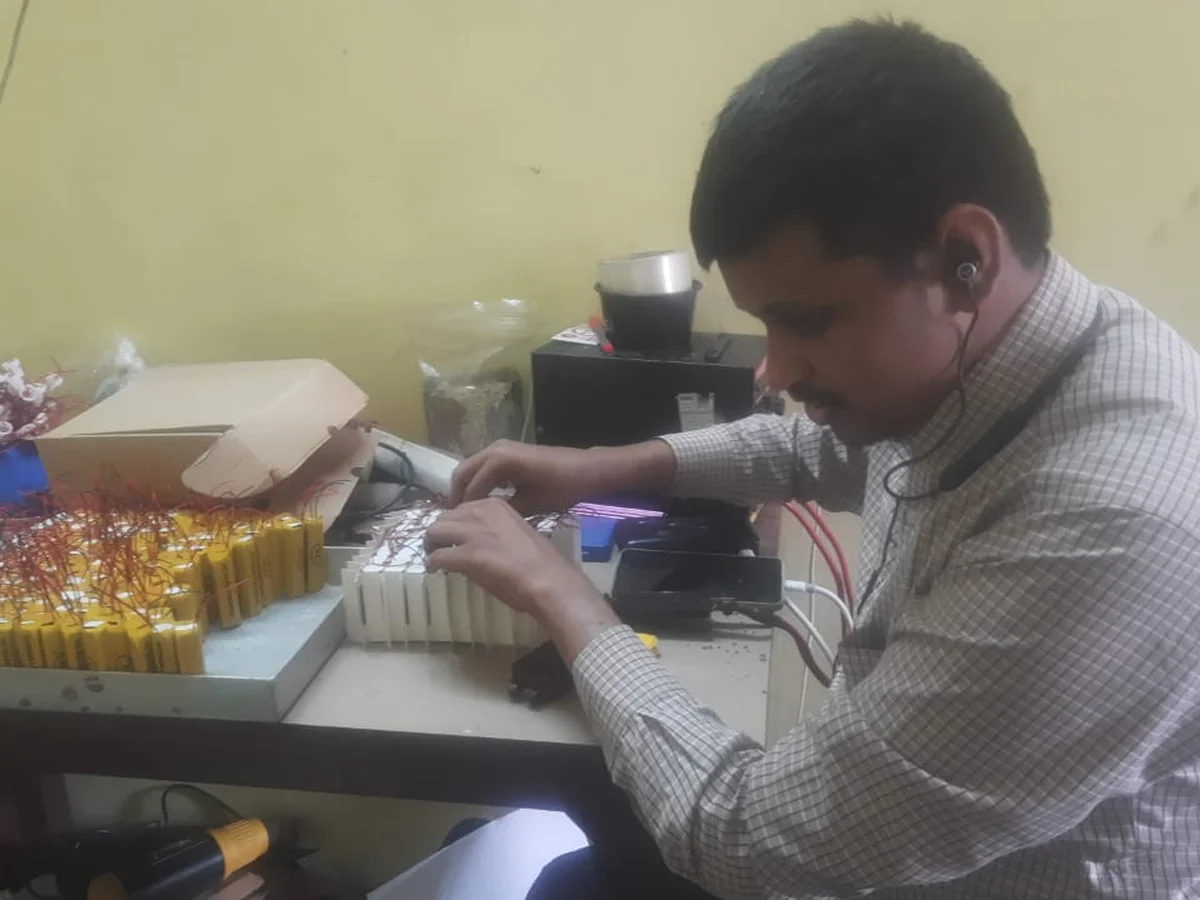
Through the Tata Power Skill Development Institute, the company trains people for green jobs and makes courses more accessible to disadvantaged groups. Corporate reports highlight a large training footprint and targeted programs for vulnerable communities. These are clear employability initiatives at Tata Power.
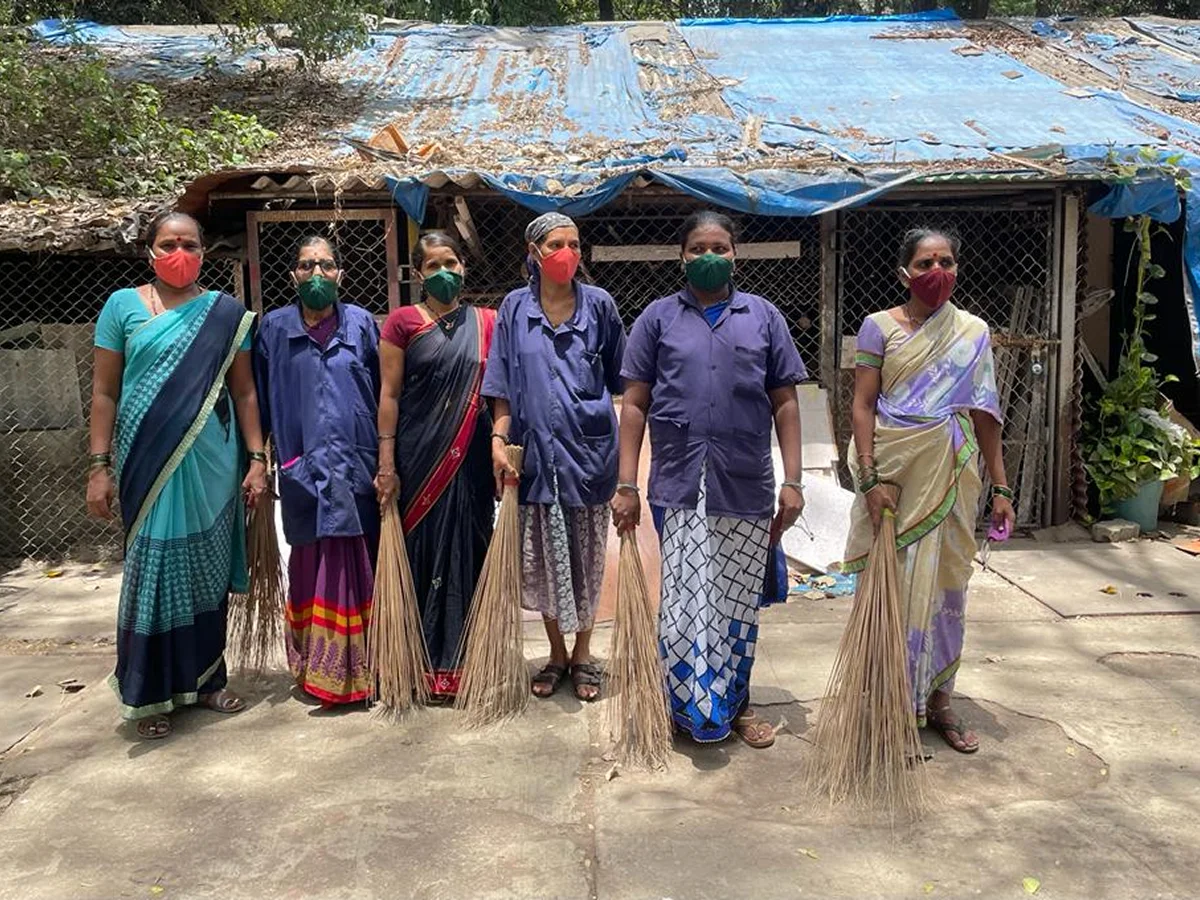
Inclusive hiring at Tata Power is central to fostering diversity, equity, and inclusion, supported by mentoring, equal opportunity commitments, and women-led operations. Examples include the women-led Tejaswini Group in Mumbai distribution operations and an 80% women operator workforce at the Tirunelveli solar cell and module plant. Tata Power also applies positive discrimination in recruitment, offering a 5% marks relaxation for Affirmative Action candidates during campus interviews, and incentivizes contractors to hire a higher share of SC/ST workers, further advancing affirmative action. These initiatives together demonstrate inclusive hiring across the company.
Tata Power’s community model covers education, employability and employment, entrepreneurship and essential enablers. Examples include model-village work in Jawhar for tribal families, residential schooling, and ITI support, alongside awareness programs. These reflect education CSR Tata Power actions inside its broader Affirmative Action and inclusivity ethos.
Contact us
Contact information
Phone
1800-209-8484
Registered Address
Tata Power Community Development Trust Bombay House 24, Homi Mody Street, Mumbai - 400 001, Maharashtra, India
Shareholders' relation team
Ms. Krupa Sutaria - 022-66657926
Mr. Kasturi Soundararajan - kasturis@tatapower.com
Mr. Rajesh Lachhani - rajesh.lachhani@tatapower.com
Authority under IEPF
Deputy Nodal officer:
Krupa Sutaria
krupa@tatapower.com
022-6665 7926