


 CONTACT US


What is an energy passport?
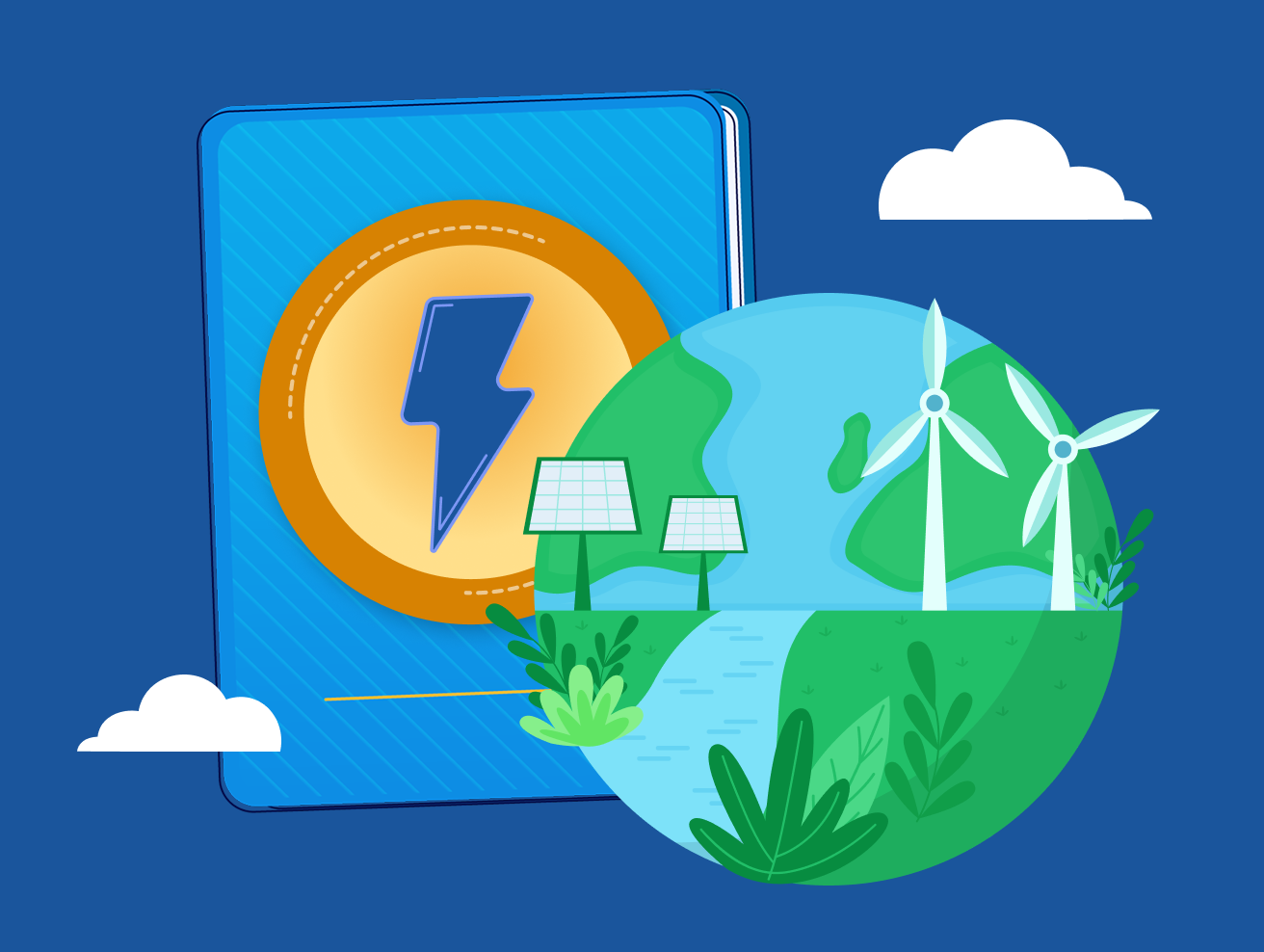
An energy passport is a secure digital record of a consumer’s electricity details and energy assets. It can include verified information such as account details, connection history, meter data, usage records, rooftop solar, battery storage, EV charging assets, and access to energy schemes or services.
Under the India energy stack, the digital energy passport is designed to give consumers greater control over this information. They can choose to share their verified record safely with utilities, service providers, financiers, aggregators, or government agencies whenever required.
Why does the energy passport matter?
A consumer energy passport makes verified energy information easier to access, share, and use. This can help consumers in several ways -
- It is an important part of the India energy stack
- It helps create a trusted digital record of a consumer’s energy-related information
- It allows consumers to securely share verified energy information with the right organizations
- It can make access to energy services faster, simpler, and smoother
- It can help consumers access new energy services such as rooftop solar, green energy options, EV charging, battery storage, and energy financing
- Just as Aadhaar made identity simpler and UPI made payments easier in India, the energy passport can support a more connected, trusted, and consumer-led energy system

What does an energy passport include?
A consumer energy passport can work like a verified digital record of a consumer’s electricity details, account information, connection history, and energy assets. Built for India’s secure digital energy infrastructure, it may include -
Consumer identity and electricity account details
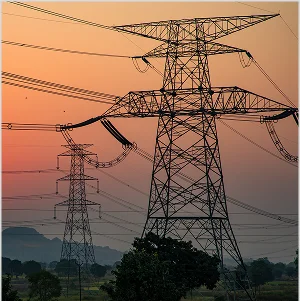
Service connection and premise information
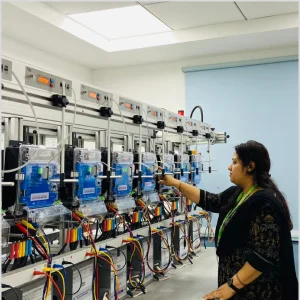
Meter details and consumption history

Sanctioned load and connection category

Rooftop solar installations

Battery energy storage systems
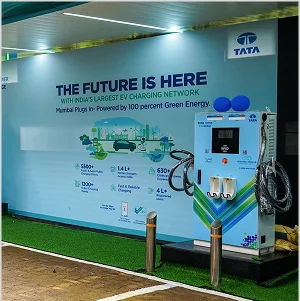
Electric Vehicle (EV) ownership and charging assets
How can customers use an energy passport?
An energy passport helps customers access electricity and clean energy services faster by reducing repeated paperwork and verification. With secure, consent-based sharing of verified energy credentials, customers can use it to -

Apply for a new electricity connection or transfer

Register rooftop solar, batteries, or EV chargers

Participate in demand response and flexibility programs

Access green energy and energy-financing schemes

Share verified energy credentials with service providers

Get onboarded faster to new utility or energy services
Apply for a new electricity connection or transfer
Register rooftop solar, batteries, or EV chargers
Participate in demand response and flexibility programs
Access green energy and energy-financing schemes
Share verified energy credentials with service providers
Get onboarded faster to new utility or energy services
How is an energy passport generated?

An energy passport in India is generated by bringing together verified information from trusted participants across the energy ecosystem, such as -
- Distribution Utilities (DISCOMs)
- Customer Information Systems (CIS)
- Smart Meter and Meter Data Management Systems (MDMS)
- Rooftop Solar Registries
- Government and regulatory databases
These verified records are converted into a digital credential that is issued to the consumer and can be stored in a digital wallet or credential repository.
The consumer remains in control of when the credential is shared and who it is shared with.
The process typically includes -
- Entering the consumer number
- Validating details through OTP
- Generating the energy passport with the required details
- Connecting with DigiLocker
Frequently asked questions
The frequently asked questions section serves as a reliable source for unlocking answers to some of the most crucial inquiries. Please refer to this section for any queries you may have
A digital energy passport would be generated by verifying a consumer’s electricity-related details through trusted energy systems.
In the Indian context, this may typically begin with -
- Entering the consumer number
- Validating the request through OTP
- Generating the energy passport with verified details
Once issued, it may be stored in a digital wallet or credential repository such as DigiLocker, with the consumer deciding when and with whom it is shared.
The energy passport in India should currently be seen as an enabling digital credential under the broader India energy stack vision, not as a mandatory requirement for every consumer.
Its purpose is to make verified energy information easier to -
- Access
- Use
- Share with consent
As the framework moves through pilots and wider implementation, specific use cases may be defined by utilities, regulators, or government agencies.
Yes, rooftop solar details can be part of a consumer energy passport when they are verified through trusted sources such as -
- DISCOM systems
- Rooftop solar registries
- Relevant government and regulatory databases
This helps the passport reflect not just the electricity connection, but also the consumer’s energy assets. Over time, the energy passport can evolve as new assets, services, or programs are added by the consumer.
DigiLocker is a secure digital wallet that helps citizens access, store, share, and verify authentic digital documents and certificates.
An energy passport is an energy-specific digital credential. It brings together verified information such as:
- Electricity connection details
- Meter records
- Consumption history
- Energy assets
- Energy schemes or services used by the consumer
The energy passport may be stored or accessed through DigiLocker, while the passport itself works as the consumer’s verified energy identity for energy-related services.