



 Contact us


Quick Links

Badge of honor

Bhutan's largest hydropower project with 1,125 MW installed capacity
Asia’s first of its kind pumped storage hydropower project with 150MW generation capacity
Powering up with pumped hydro storage
Pumped hydro storage is the ultimate power combination of water and energy, one that is here to stay
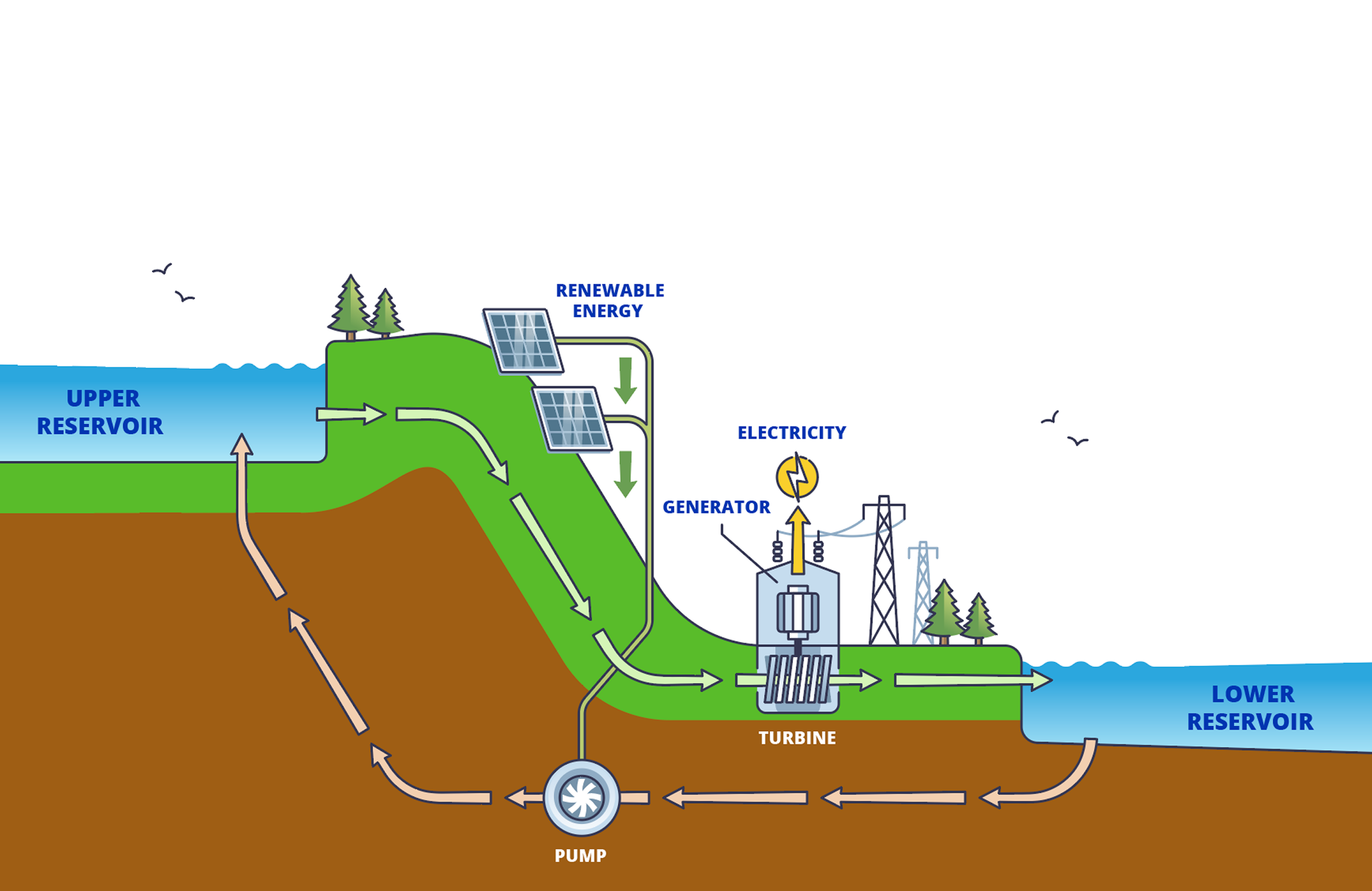
- What is pump hydro?
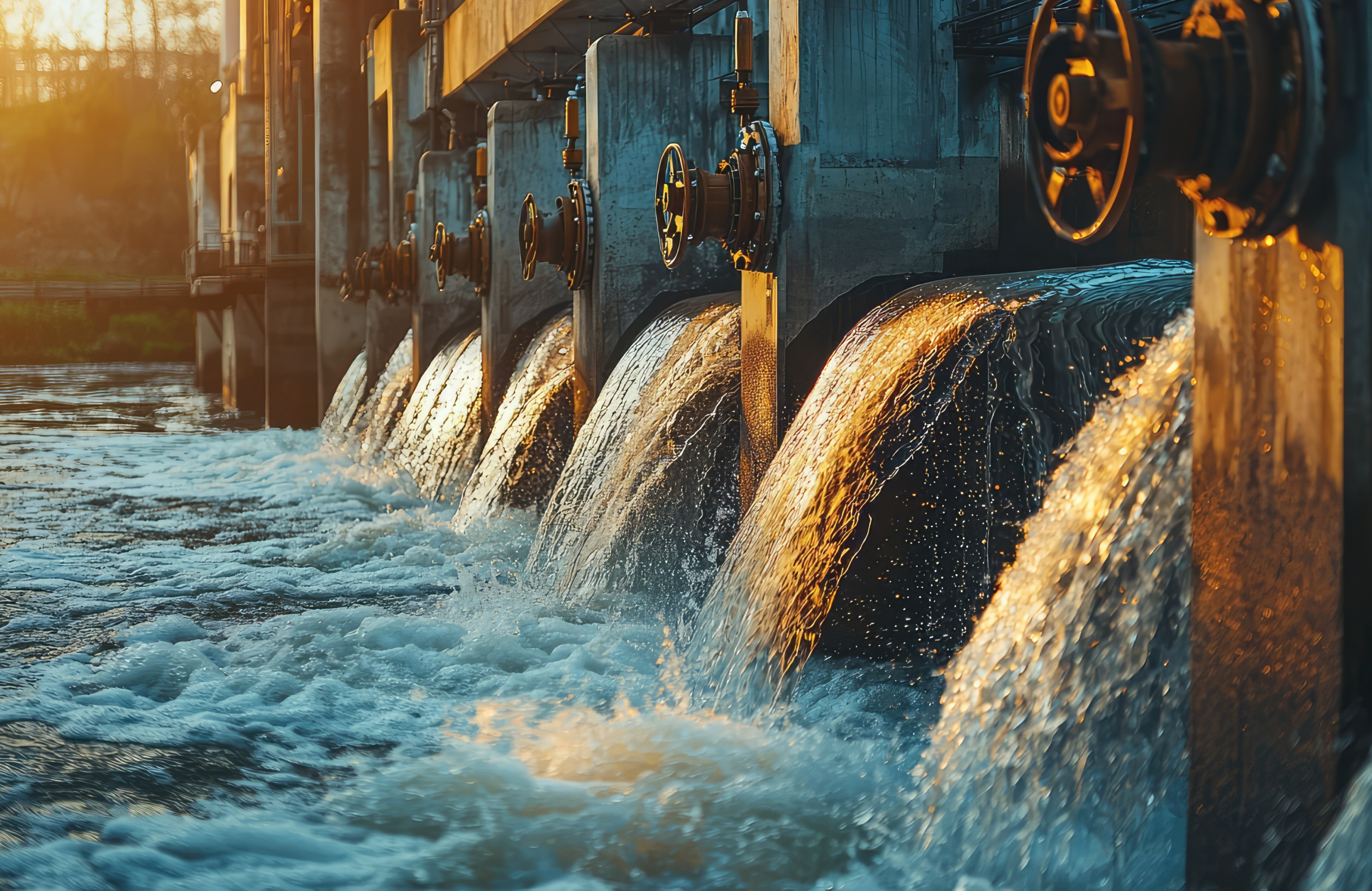
- How does a pumped storage hydropower plant work?

Tata Power’s pumped hydro storage benefits

Empowering you for hours
Long discharge duration of our pumped hydro storage plants ensures unhindered energy supply for over 4-6 hours

Curbing losses
The high round-trip efficiency of our pumped hydro storage in India ensures that 75–80% of energy is retrieved by the system

Lighting up your world
Even when the grid is out for hours, our pumped hydro plants can black start so you don’t need to run about during emergencies

Standing tall with you
Our pumped hydro systems are built to last. With a lifespan exceeding 80 years, these systems can be recharged and used for years

Keeping steady during spikes
Peak load management during spikes and dips helps reduce costs and avoid blackouts

Tipping the balance
Our plants ensure grid balancing and frequency regulation to avoid equipment damage or accidents
Our pumped storage hydropower projects
Our pumped storage hydropower initiatives are an integral lever to achieving India’s renewable energy goals. But here is what strengthens our backbone
- Ongoing projects
- Upcoming projects
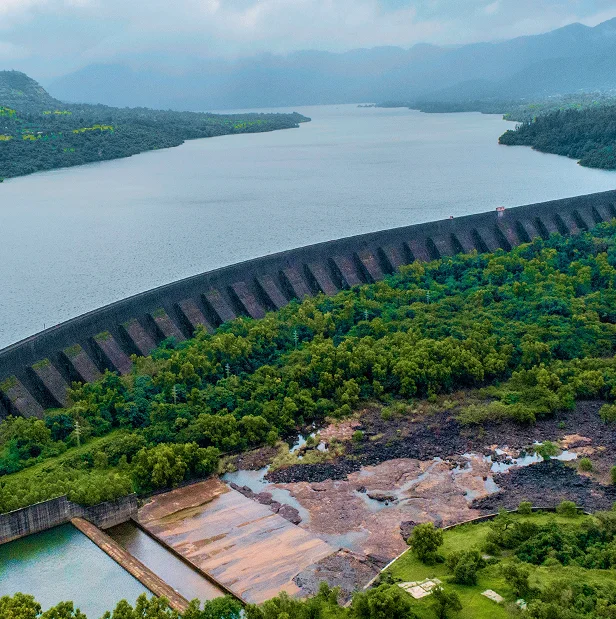
Bhira, Maharashtra
150 MW pumped hydro storage project; 1997
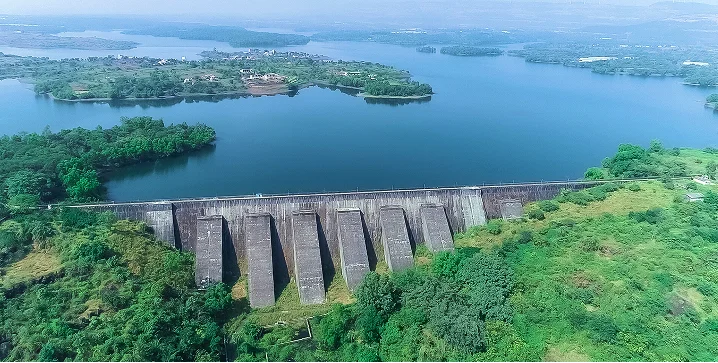
Bhivpuri, Maharashtra
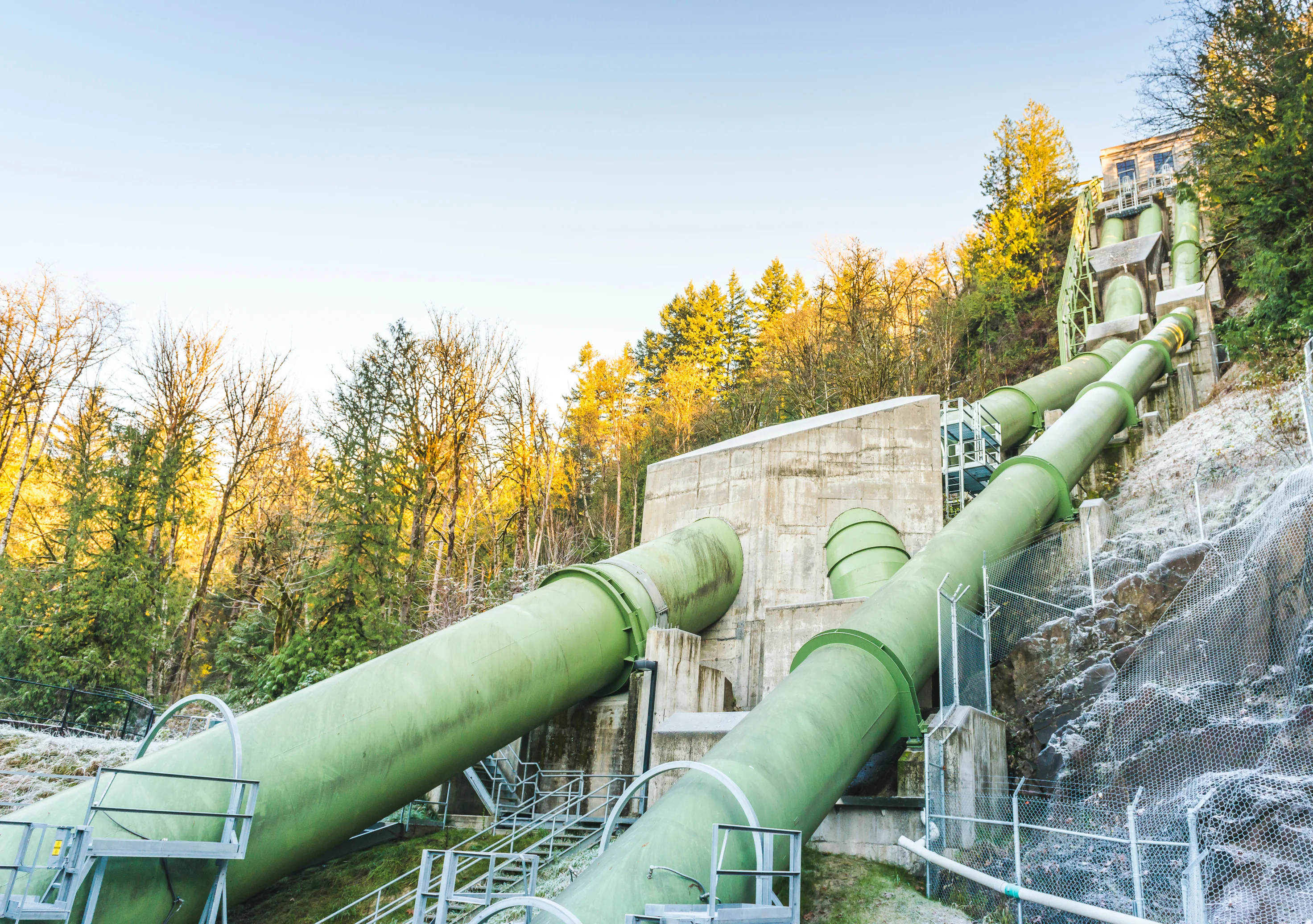
Shirawata, Maharashtra
Proposed 1800 MW project

Potalpali, Maharashtra
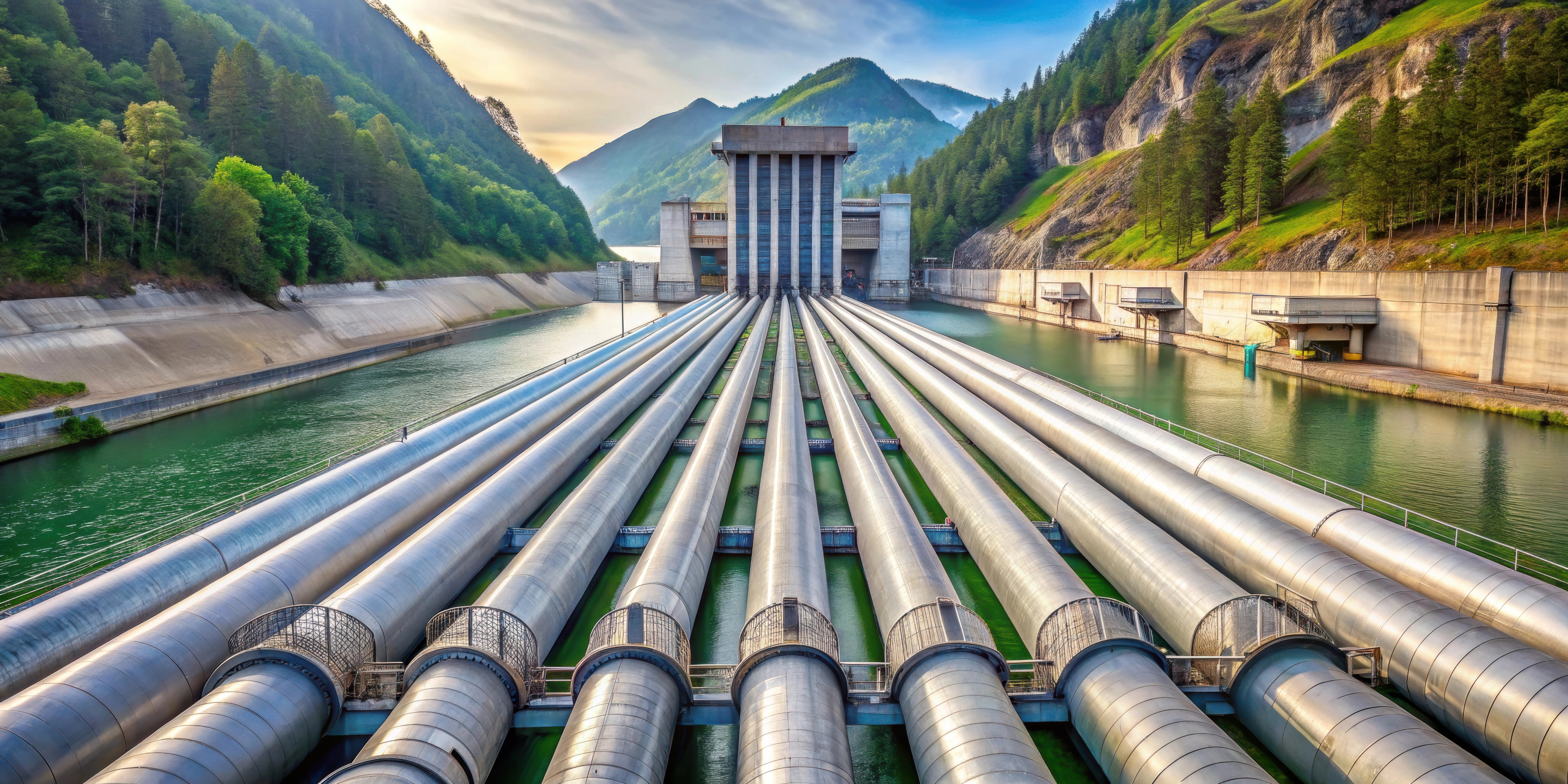
Kataldhara, Maharashtra
Nenavali, Maharashtra
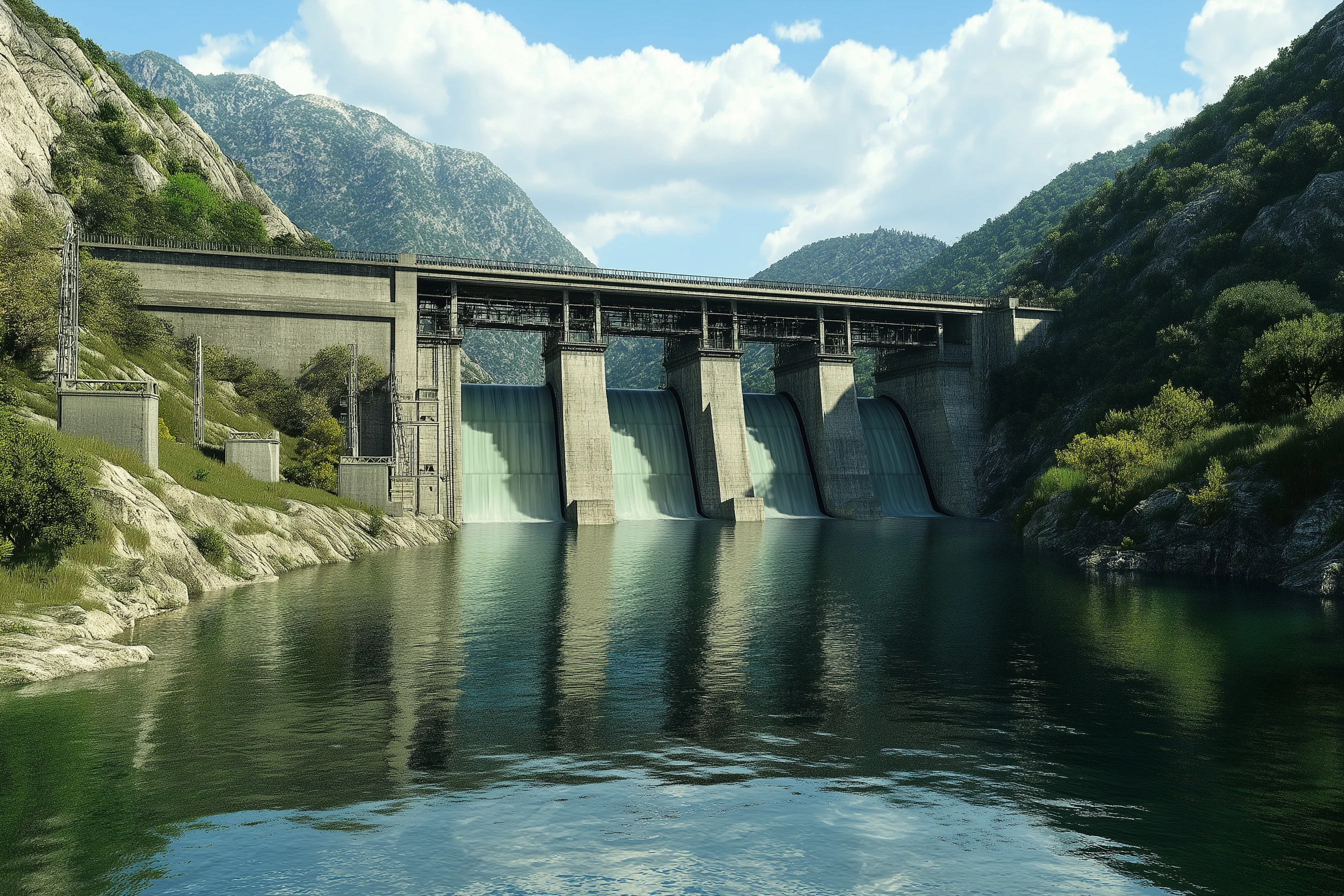
Jambulpada, Maharashta
Types of pumped storage hydropower plants
Open loop pumped hydro plant
Connected to a natural water body like lakes, rivers, etc.
Tata Power’s Bhivpuri Pumped Storage Plant uses Thokarwadi’s water
as an upper reservoir.

Closed loop pumped hydro storage
Use two artificial reservoirs; independent of natural bodies of water.
While the nation primarily focuses on open-loop system units till date, Tata Power
is all set to change the trend. We’re exploring closed loop systems to alleviate environmental damage, while protecting our communities.

Frequently asked questions
- FAQs
Pumped hydro, or pumped hydro energy storage, is a system that stores electricity by pumping water to a higher reservoir during low demand and releasing it through turbines in a pumped storage hydro power plant to generate power during peak demand.
The benefits of pumped hydro storage include high efficiency, grid stability, large-scale energy storage, and supports renewable energy integration. It’s one of the most mature and reliable pumped hydro energy storage systems worldwide.
Pumped hydro storage in India began in the 1980s, with several pumped storage hydropower projects commissioned since then. Key pumped storage hydro power plants include Kadamparai (Tamil Nadu, 400 MW), Bhira (Maharashtra, 150 MW), Srisailam (Andhra Pradesh, 900 MW), Ghatgar (Maharashtra, 250 MW), Purulia (West Bengal, 900 MW), and Jayakwadi (Paithan, Maharashtra, 12 MW). Notably, Tata Power’s Bhira pumped storage hydro power plant, commissioned in 1997, was the first of its kind in Asia, marking a significant milestone in pumped hydro energy storage.
Pumped hydro storage systems generally have an efficiency of 70-85%, making pumped storage hydropower one of the most efficient energy storage solutions.
Environmental impacts of pumped storage hydropower plants may vary depending on the system type, location, and size. Open loop pumped hydro storage may affect aquatic ecosystems due to natural water source use, whereas closed loop systems reduce such impacts by recycling water between reservoirs with minimal ecological disturbance.
A pumped storage hydro power plant can supply power for several hours, depending on reservoir size and system design, making pumped hydro energy storage ideal for balancing daily grid fluctuations.
Yes, pumped hydro storage plays a crucial role in renewable energy adoption by storing excess power from intermittent sources like wind and solar, stabilizing the grid, and enabling continuous power supply through pumped storage hydropower projects.
Contact us
Contact Information
Investor Complaints
Contact Person : Mr Angshuman Chakrabarti
: Ms Mona Purandare
Email : cs-mpl@tatapower.com