


 Contact us


What is a Microgrid
A microgrid is a small, local power system that can operate with or without the main electricity grid. It connects microgrid energy sources and users within defined boundaries, acting as a single unit. Microgrids improve reliability by switching to “island mode” during outages.
In simple terms, microgrids are small, independent power units that can be used to power remote areas.
What is a Solar Microgrid
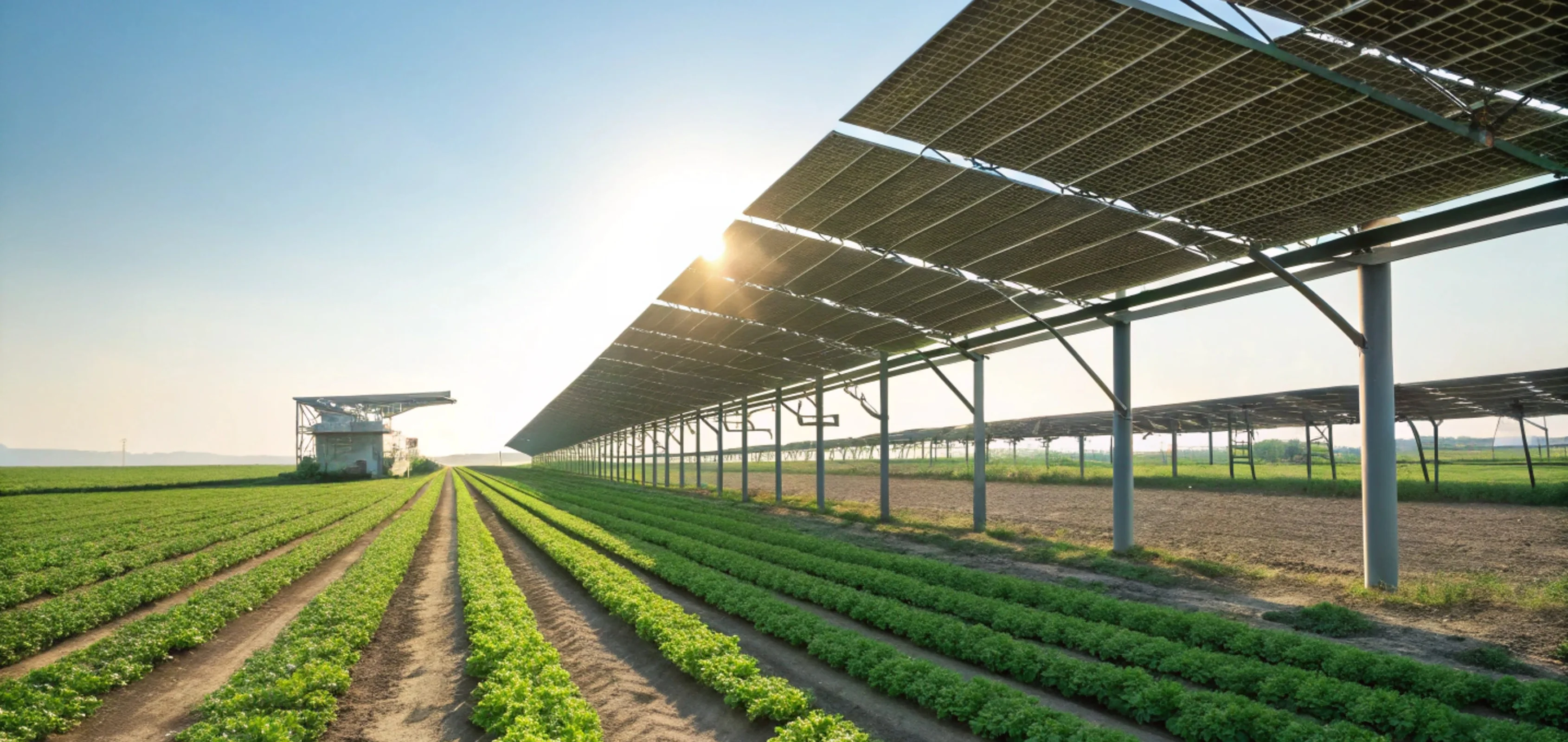
A solar microgrid is powered mainly by solar panels, often paired with batteries for storage. It provides clean and affordable electricity, especially in remote areas where access to the national grid is limited. solar microgrids are widely used for rural electrification, disaster relief, and powering schools, clinics, and communities.
What are the Sources of Microgrid
Microgrids draw power from a variety of sources, often combined for efficiency and reliability:
- Renewables: solar panels, wind turbines, small hydro plants
- Fuel-based generators: diesel, natural gas, or biogas, usually as backup
- Energy storage: batteries or other storage devices to balance demand and supply
- Advanced tech: fuel cells and microturbines in some setups
What are the Examples of Microgrids
Microgrids operate in many parts of the world. Some microgrid examples include:
- California, USA: Calistoga Resiliency Center powers 5,000 people with batteries and hydrogen fuel cells.
- Yemen: UNDP-backed solar microgrids lowered rural electricity costs.
- Haiti: Smart wireless microgrids bring affordable energy to villages.
Uses of Microgrids
Microgrids provide reliable power for remote villages, military bases, hospitals, and disaster-struck regions. They support renewable energy integration, reduce dependency on central grids, and lower energy costs.
Importance of Microgrids
Microgrids are important because they strengthen energy security, reduce transmission losses, and support sustainability. By decentralizing power, they enable faster recovery from blackouts and promote renewable energy use. Microgrids also empower communities with affordable electricity, advancing both social development and environmental goals.