


 Contact us


What is Voltage
Voltage is the “push” that makes electric charges move in a wire or conductor. It is not a force itself but rather the difference in electric potential between two points, which drives charges to flow. This flow of charges creates current.
In simple terms, voltage is the medium without which, no current flows, and no power is transferred.
SI Unit of Voltage
The unit of voltage in electricity is the volt (V), named after Alessandro Volta. One volt equals one joule of energy per coulomb of charge. The volt is the measure, while voltage is the quantity being measured.
What is Electric Potential Difference
Voltage is also called electric potential difference. It represents the change in potential energy of a charge as it moves between two points. In daily use, we simply call it voltage, but in science, “potential difference” is the more precise term.
Sources of Voltage
- Batteries (provide DC voltage with fixed polarity)
- Power plants (generate AC voltage that changes direction many times per second)
- Generators and solar cells (other sources of DC or AC voltage)
Examples of Voltage
- Household power sockets (120V–230V)
- AA batteries (1.5V)
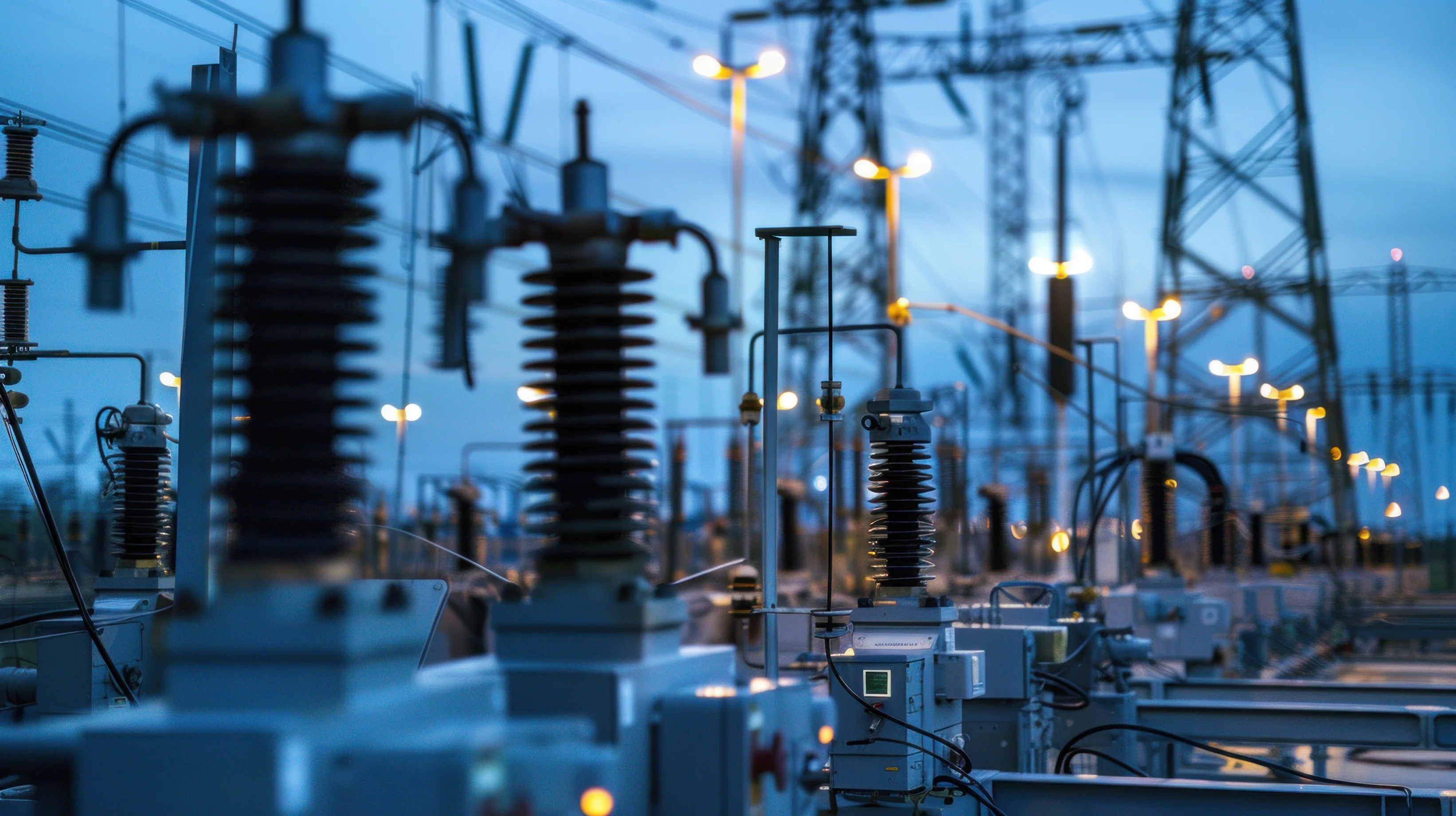
- High-voltage transmission lines (12kV–16kV)
Uses of Voltage
- Running electrical appliances and lights
- Powering electronics through batteries
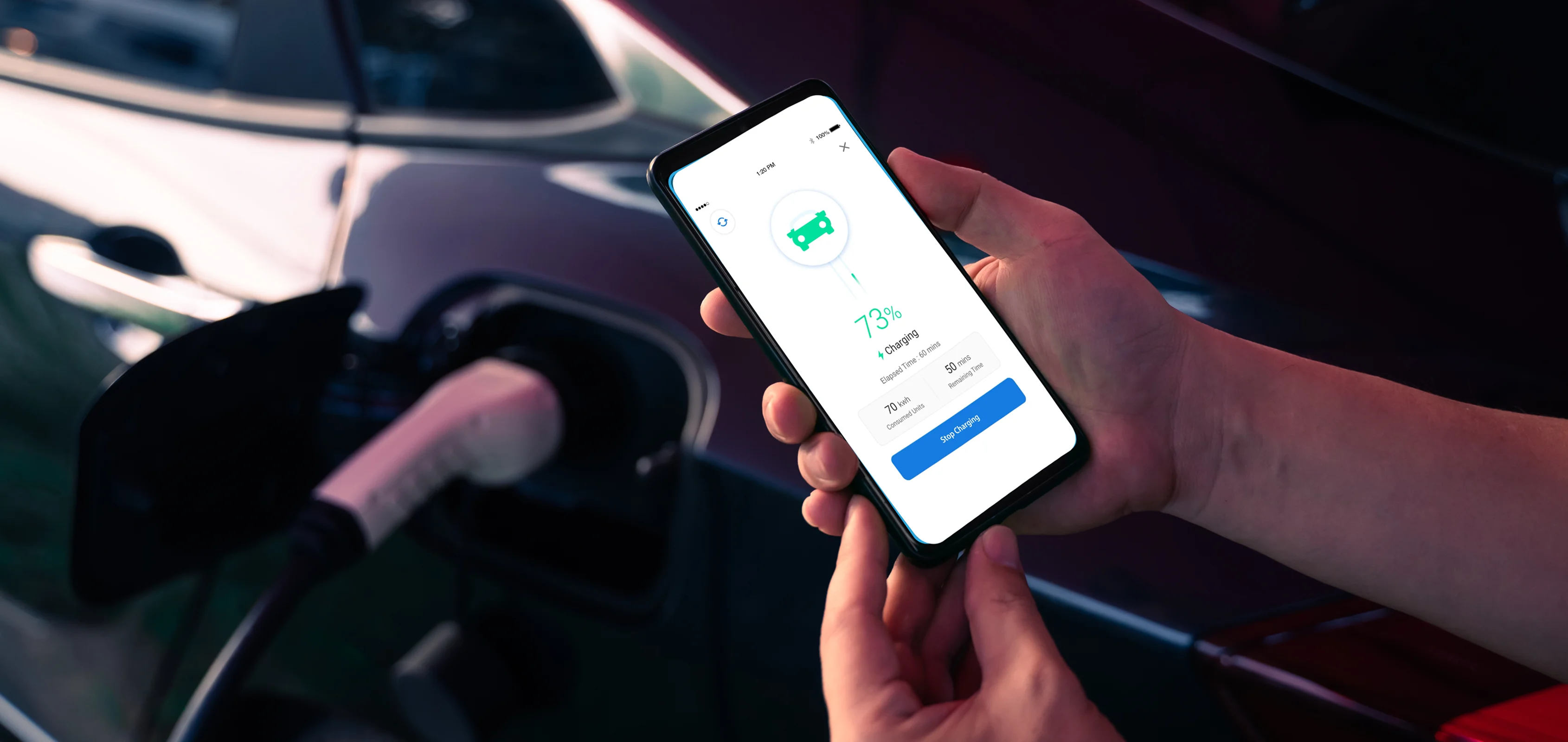
- Driving motors in machines and vehicles
- Long-distance transmission of electricity