


 Contact us
Quick Links


Badge of honor

1,513 MU (Million Units) hydroelectricity sold in FY26
447 MW operational hydro generation capacity
1,210 MCM (Million Cubic Metres) water storage across six dams
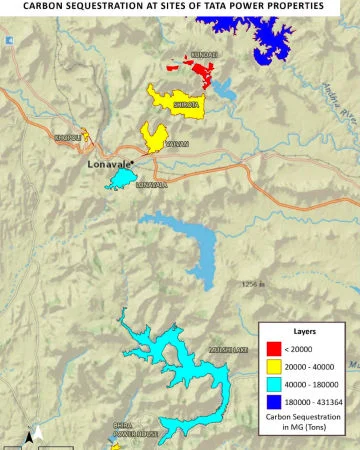
8.65 lakh tons of carbon sequestration mapped through GIS
151 villages supported through CSR initiatives
94 CSAT Score rated "Excellent Performance" by customers
A leading hydropower company in India
Building on this legacy, Tata Power is expanding its hydro energy projects beyond India through a 5,533 MW clean energy partnership portfolio in Bhutan. It is also advancing hydro innovation with ROV-assisted underwater inspections and exploring floating solar opportunities, while its long running Act for Mahseer initiative supports aquatic biodiversity.
Our hydropower plants and projects
For over a century, Tata Power's hydro power plants have supported reliable electricity generation in India, combining engineering excellence with sustainable hydro energy solutions.
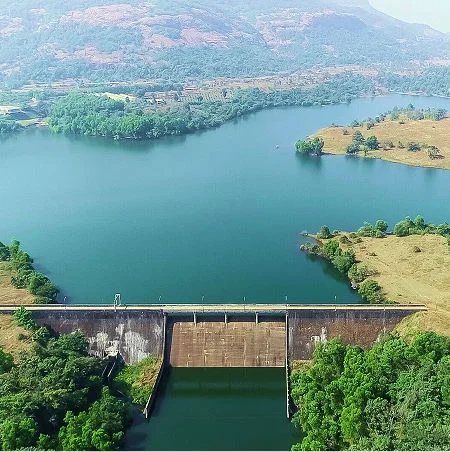
Khopoli hydroelectric power plant
72 MW | Maharashtra, India The birthplace of Tata Power's hydro journey and a pioneer in clean energy.
LEARN MORE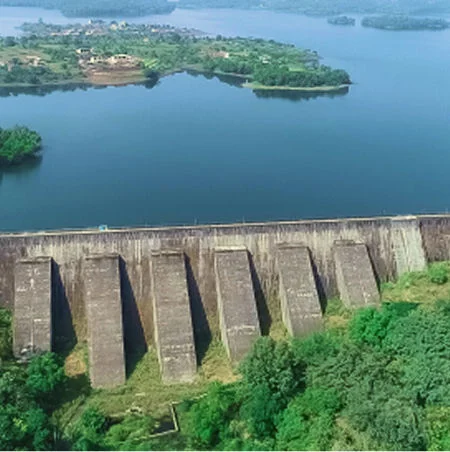
Bhivpuri hydroelectric power plant
75 MW | Maharashtra, India Leveraging Pelton and Francis turbine technologies for dependable hydro energy generation.
LEARN MORE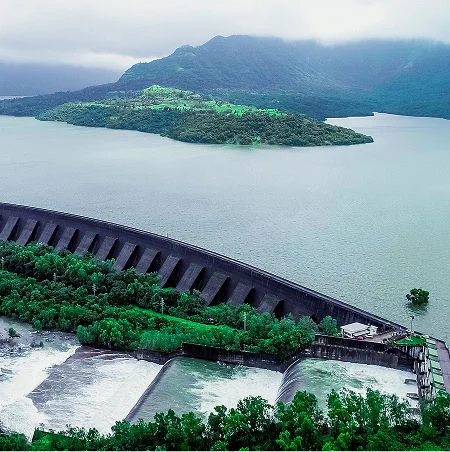
Bhira hydroelectric power plant
300 MW | Maharashtra, India Home to Asia's first pumped storage unit, powering flexible and reliable hydro generation.
LEARN MORE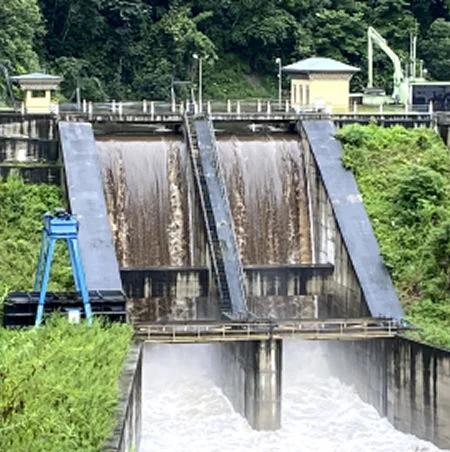
Dagachhu hydroelectric power plant
126 MW | Bhutan A pioneering cross-border hydro energy project advancing clean power generation in Bhutan.
LEARN MOREOur hydropower, measured in impact
Water’s impact isn’t measured in megawatts alone. At Tata Power, hydro energy also means managing vital water resources, conserving ecosystems and supporting communities beyond the power grid.
1,210 MCM
(Million Cubic Meters) Water Storage Capacity Across 6 Dams
151 villages
Supported through CSR Intiatives
12.5 Million
Consumers Served
36,00 Acres
Transformation Projects
3,247
Planned Hydro Capacity 2028
880 MW
Generation Capacity
Pumped hydro storage

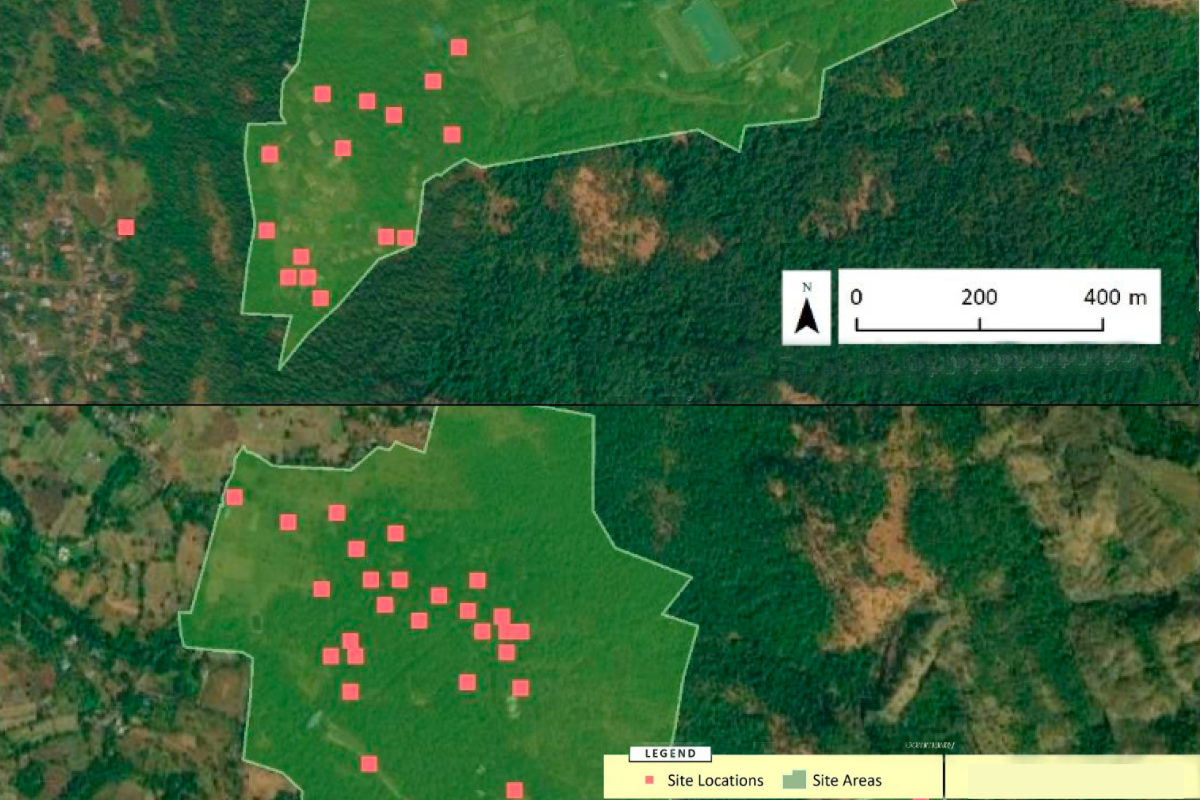
GIS-based green cover mapping
Across nine hydro locations and 226 survey plots, Tata Power uses satellite imagery, field surveys and GIS mapping to assess vegetation, biodiversity, land use and carbon sequestration. The resulting location-linked database guides forest restoration, species conservation and afforestation planning. With an estimated 865,000 tonnes of carbon sequestration mapped, these insights strengthen long-term environmental stewardship and support more sustainable hydro energy operations.
Living up to a vision

Nurturing sustainable progress
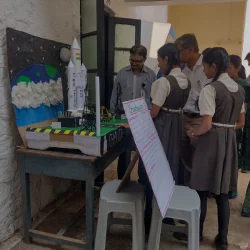

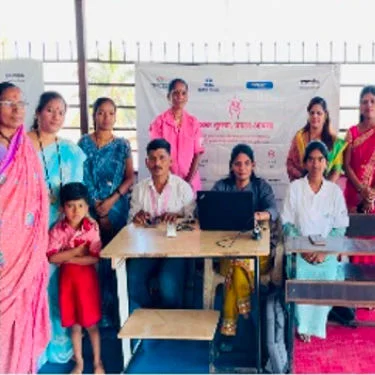

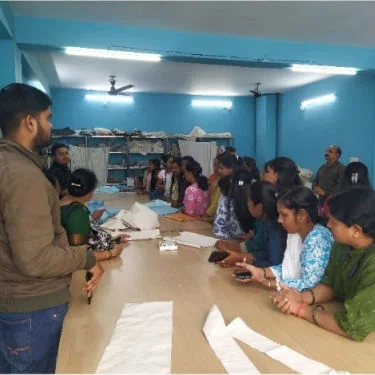
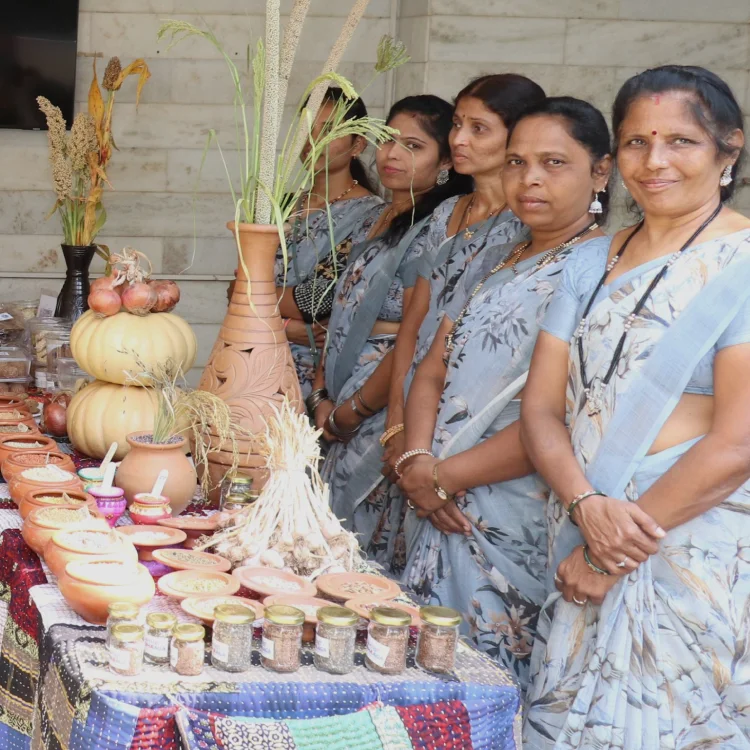
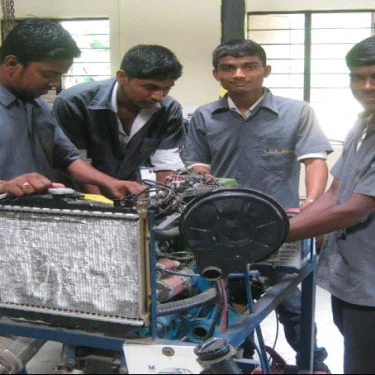
Skill Development & ITI Training: Building employability through vocational training and industry exposure.
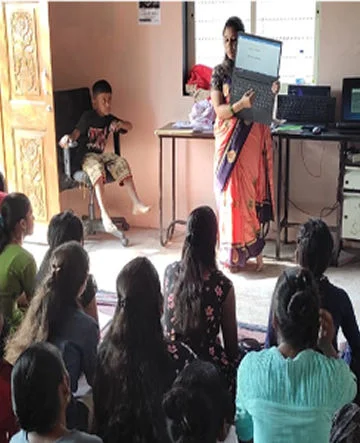
Vocational Guidance Programs: Preparing youth and women for employment and entrepreneurship opportunities.
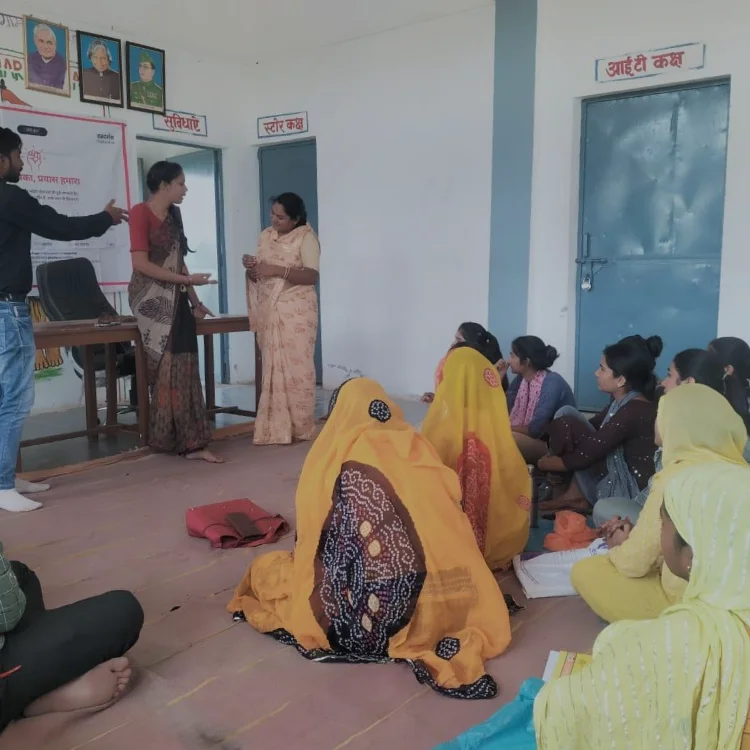
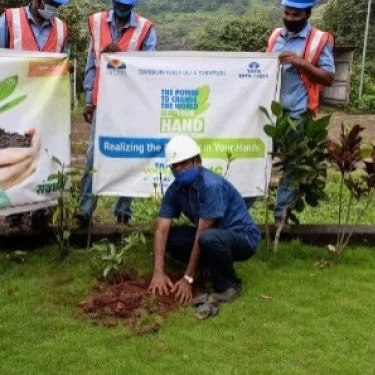
Tree Plantation Drives: Employees contribute to environmental restoration through community plantation activities.

Sustainable is attainable
For over 55 years, Tata Power’s conservation efforts have supported the distribution of 15 million Mahseer hatchlings across India, helping the Blue-finned (Deccan) Mahseer move from Endangered to Least Concern on the IUCN Red List, while efforts to protect the endangered Golden Mahseer continue.
Giving hydropower an innovative edge
Our approach to hydro power generation goes beyond conventional engineering, bringing together smarter technologies, efficient operations and sustainable solutions

Dyke wall construction
An innovative dyke wall project at Mulshi increased water storage capacity by 48 MCM, enabling an additional 283.29 MUs of hydro power generation while maximizing the potential of existing hydro infrastructure.

Remotely Operated Vehicles (ROVs)
ROV technology enables safe inspection of water-filled tunnels within Tata Power's hydroelectric power plants. At Bhira, this innovation helped avoid 172 outage days while improving asset visibility and operational efficiency.

Drone-Based Inspections
Advanced drone inspections support monitoring of penstocks and switchyards, improving maintenance planning and helping ensure reliable hydro power generation across critical assets.

Floating Solar Projects
Built on existing hydro reservoirs, floating solar projects unlock up to 750 MW of renewable energy potential while making smarter use of water resources and infrastructure.

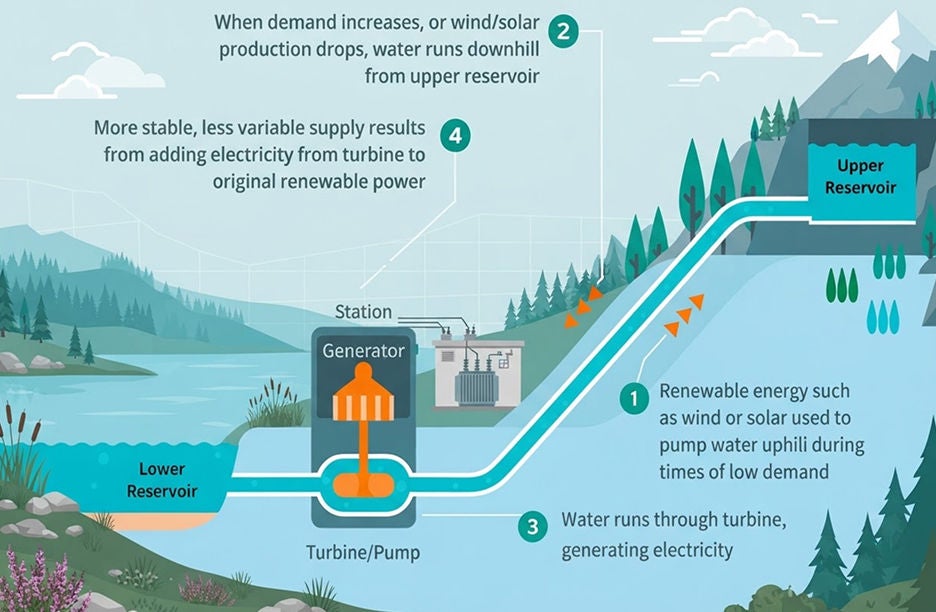
Pumped Storage Hydro
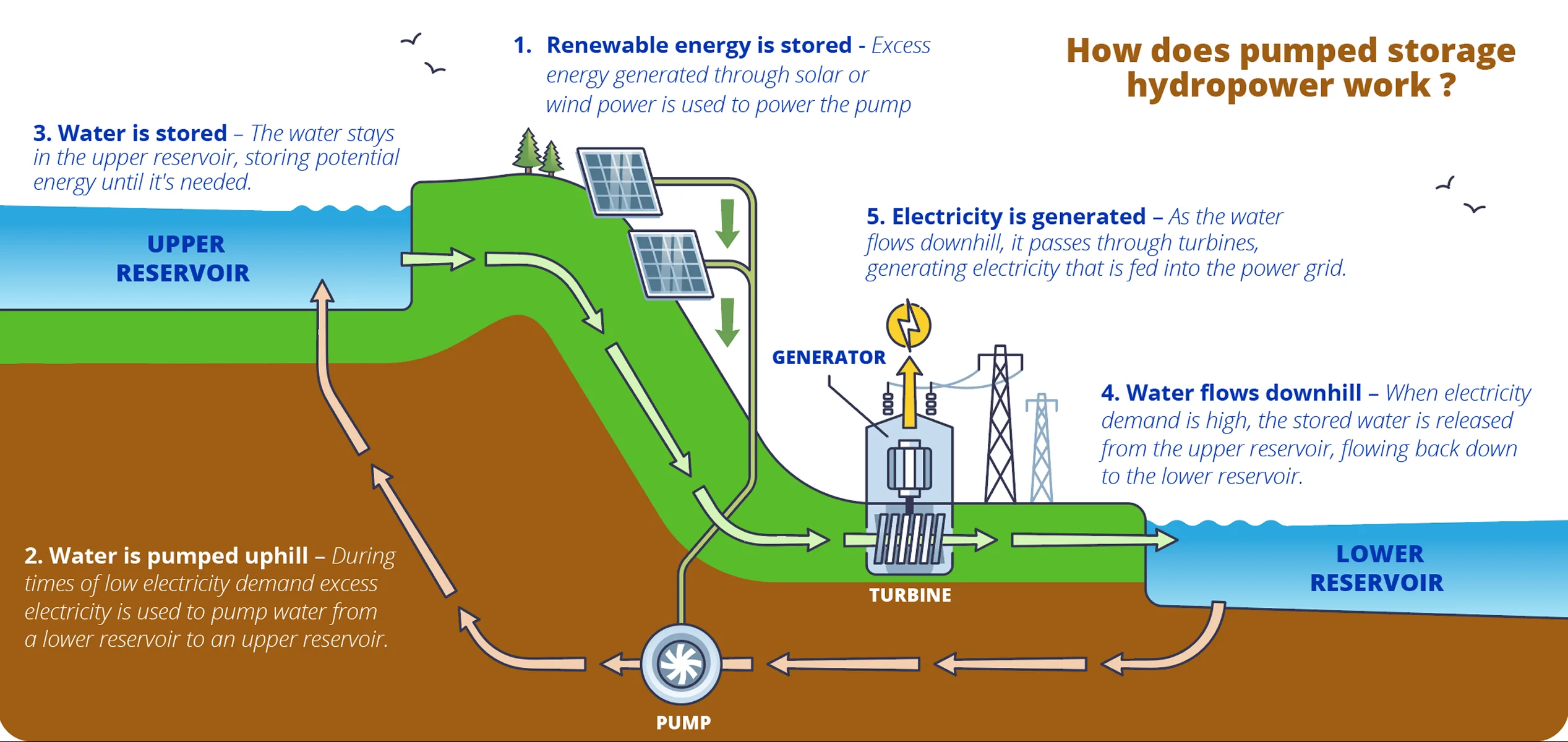
Acting as a natural battery, pumped storage hydro stores excess energy and supports flexible hydro power generation, improving grid reliability and enabling greater renewable energy integration.

Digital Hydro Operations
Digital dashboards, analytics, and hydro MIS platforms provide real-time operational insights, helping improve decision-making, efficiency, and performance across Tata Power's hydro energy solutions.

GIS Green Cover Mapping
GIS-based mapping helps monitor biodiversity, carbon sequestration, and afforestation opportunities, supporting long-term environmental stewardship across Tata Power's hydro energy portfolio.
Our award-winning hydropower journey
Our achievements go beyond generating power, earning recognition for operational excellence, renewable energy leadership and environmental conservation

Tata Power’s Khopoli, Bhira and Bhivpuri Hydro Power Stations were recognized for Outstanding Performance, each receiving a Gold 4-Star rating in the Manufacturing

Tata Power’s ‘50 Years of Act for Mahseer’ conservation initiative won Gold in the ‘Corporate Social Crusader of the Year’ category at the IAA Olive Crown Awards 2022, recognizing its commitment to biodiversity conservation.

Tata Power Hydro received the Paryavaran Snehi Award for Best Efforts in Environmental Management, recognizing its commitment to environmental sustainability and responsible hydro operations.

Tata Power Hydros won the ‘Outstanding Renewable Energy Producer – Hydro’ award at the 4th Indian Green Energy Awards (IFGE) 2024, recognizing Bhira Hydro Power Plant’s operational excellence and sustainable practices.
At 75, Chandrabhaga Ganpat Shinde supported a family of four on a monthly income of ₹10,000, with limited awareness of government welfare schemes available to her. During a door-to-door application camp, Haqdarshak facilitators Nita Parithe and Bharat introduced her to the E-Pik Pahani (Kharif) scheme, which supports access to farmer benefits. They guided her through every step of the application process, enabling her to successfully access the scheme and the support it offered.
Chandrabhaga Ganpat Shinde
Vadeshwar Village, Maval, Pune
With a monthly family income of ₹15,000, Ravi Bhagwan Gaikwad was unaware that his family could benefit from government-backed healthcare coverage. During a scheme awareness camp in Ansute, Haqdarshak facilitators Nita Parithe and Bharat introduced him to the Pradhan Mantri Jan Arogya Yojana (Ayushman Bharat) scheme. Through application support and guidance, he was able to successfully access health insurance benefits designed to reduce the financial burden of medical emergencies.
Ravi Bhagwan Gaikwad
Ansute Village, Maval, Pune
Living in a kutcha house with her husband and two children, Rajeshri Akshay Ankush managed a household income of ₹12,000 per month. Despite completing Class 12, she was unaware of welfare schemes that could support her family. During a community awareness camp in Kiwale, Haqdarshak facilitators Savita and Bharat Shinde helped her understand the E-Shram Card scheme and guided her through the application process, enabling her to successfully access the benefits available to informal workers.
Rajeshri Akshay Ankush
Kiwale Village, Maval, Pune
Contact us
Contact Information
Investor Complaints
Contact Person : Mr Angshuman Chakrabarti
: Ms Mona Purandare
Email : cs-mpl@tatapower.com