
Quick links
As one of the leading thermal power companies in India, we deliver reliable thermal power through continuous innovation, supercritical technologies, and higher energy output for the country’s sustainable growth
Robust, reliable, and resilient
Our responsible practices and innovations are powering India's rise with a
sustainable and secure energy supply
8,860 MW
Energy generation
500 MW
India’s first in Trombay, Mumbai
443 MW
Waste heat / BFG
Our nationwide footprint across thermal power projects in India supports homes, agriculture, and industries, backed by large-scale thermal infrastructure that strengthens India’s long-term energy security
Results
Showing of items
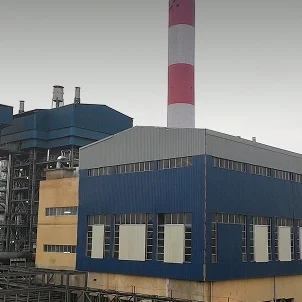
With industrial waste heat recovery, unused heat becomes useful energy, improving performance and strengthening cleaner thermal operations
We are using heat waste produced from blast furnace and coke oven gases used in the steel making process. Our waste heat recovery units are in three states, and will expand into other projects with Tata Steel for maximized efficiency
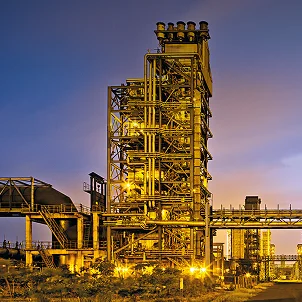
We strengthen conventional power generation systems through advanced technologies, improving efficiency while steadily reducing environmental impact
The frequently asked questions section is a reliable source for unlocking answers to some of the most crucial inquiries. Please refer to this section for any queries you may have.
Thermal power generation in India refers to the production of electricity by converting heat energy from fuels such as coal, gas, diesel, and lignite into electrical power.
Used for:
1.Supplying electricity to homes, offices, and commercial spaces
2.Powering energy-intensive industries like manufacturing, steel, and cement
3.Supporting critical infrastructure, including railways, metros, and data centers.
4.Delivering stable base-load power to meet daily and peak demand.
Thermal sources account for around half of India’s installed power capacity and contribute a large share of actual electricity generation, making them essential for grid stability and energy security.
Several large thermal power plants play a key role in supporting India’s electricity needs. Among them, Tata Power operates some of the country’s most prominent thermal assets.
Key thermal power plants operated by Tata Power -
1. Trombay thermal power station
Location: Near Mumbai, Maharashtra
Capacity: 930 MW
Highlights: Multi-fuel boilers and advanced emissions control systems
2. Mundra thermal power station
Location: Mundra, Gujarat
Capacity: 4,150 MW
Highlights: India’s first supercritical thermal power plant
3. Maithon thermal power plant
Location: Jharkhand
Capacity: 1,050 MW
Highlights: High-efficiency generation supporting eastern India
4. Jojobera thermal power plant
Location: Near Jamshedpur, Jharkhand
Capacity: 427.5 MW
Highlights: Supplies power to industrial and regional grids
5. Prayagraj power plant & station
Location: Uttar Pradesh
Capacity: Supercritical thermal station (3x660 MW)
Highlights: Supports base-load power generation for northern India
These plants collectively contribute to grid stability, large-scale electricity supply, and India’s long-term energy security.
A thermal power generation system is a method of producing electricity by converting heat energy into electrical energy. In a typical system, fuel such as coal, natural gas, or oil is burned to produce high-pressure steam, which drives turbines connected to electric generators. The turbine’s rotation is transformed into electrical power that feeds the grid. This system underlies conventional power generation and forms a core part of how Tata Power’s plants help meet India’s energy needs while working to improve efficiency and lower emissions.
Conventional power plants are electricity-generating facilities that use established energy sources such as coal, oil, natural gas, or nuclear fuel to produce power for the grid.
They generate electricity by -
1. Fuel is burned or used to release heat
2. Heat converts water into steam
3. Steam spins a turbine
4. The turbine drives a generator
5. Electricity is produced and supplied to the grid
In India, conventional power plants provide dependable base-load power, supporting the national grid and meeting large-scale energy demand for homes, industries, and critical infrastructure.
1. Thermal power generation refers specifically to producing electricity by converting heat from fuels like coal, gas, or oil into electrical energy using steam or gas turbines
2. Conventional power generation is a broader category that includes thermal generation as well as other established methods like hydro and nuclear that use traditional fuel sources to make electricity.
3. While all thermal plants are conventional, not all conventional generation systems are thermal.
Thermal power plants in India offer several key benefits that support the nation’s energy system -
1. They provide a consistent and reliable supply of electricity, forming the backbone of India’s power grid.
2. These plants use proven technology and locally available fuels, helping meet large-scale demand.
3. They support economic activity by enabling industrial growth and employment.
4. Thermal plants can be located near fuel and water sources, making them flexible to build.
A thermal power plant project involves the planned development of a facility that converts heat from fuel into electricity for the grid.
Project lifecycle -
1. Planning and feasibility, including site, fuel, and environmental studies
2. Design and engineering of boilers, turbines, generators, and control systems
3. Procurement of major equipment
4. Construction and installation of plant infrastructure
5. Testing, commissioning, and grid synchronization
In India, companies like Tata Power execute such projects to meet large-scale energy demand and support industrial growth.
Conventional electricity generation refers to producing power from well-established energy sources that have long supported national grids. These include non-renewable fuels such as coal, oil (petroleum), natural gas, and nuclear fuel, which are used to create heat that drives turbines connected to generators to make electricity. Large hydroelectric power is also often classed with conventional sources because it has been widely used for decades. These traditional energy types form the backbone of most national electricity systems.
Waste heat recovery in thermal plants is the process of capturing excess heat produced during power generation that would normally be released into the environment and putting it to use. In thermal power plants, this involves using heat from flue gases, steam or hot exhaust to generate additional steam or electricity, improving overall energy efficiency and reducing fuel consumption. It helps lower operational costs and reduce carbon emissions by making better use of energy that would otherwise be wasted.
Tata Power offers a range of thermal energy solutions for industries in India that improve energy efficiency and reduce waste -
1. Supercritical technology operates at higher temperature and pressure to improve fuel efficiency and reduce greenhouse gas emissions compared with lower-grade systems.
2. Subcritical technology is applied to reduce emissions and maximize energy output in some conventional plants.
3. Waste heat recovery systems capture heat from industrial processes and use it to generate additional power, reducing waste and emissions.
4. Zero liquid discharge ensures no industrial wastewater is released, supporting sustainable operations.
5. Flue gas desulphurization removes sulfur compounds from exhaust gases, cutting pollution.
6. Ash utilization practices repurpose fly ash and bottom ash for construction materials, reducing landfill impact.
Tata Power can support large industrial facilities with a reliable thermal power supply by leveraging its extensive generation capacity and advanced technologies. Its conventional power stations, including Mundra Thermal Power Station with over 4,150 MW capacity and other plants such as Prayagraj and Maithon, deliver steady base load electricity across states. These plants use proven thermal systems to maintain a consistent supply while meeting heavy industrial demand and supporting operational continuity.
Tata Power is one of India’s leading thermal power companies because of its extensive generation capacity, advanced technologies, and sustainable operations. Its major plants include the Mundra Thermal Power Station in Gujarat, the Trombay Thermal Power Station, the Maithon Thermal Power Plant, the Jojobera Thermal Power Plant, and the Prayagraj Power Plant in Uttar Pradesh, all contributing significant capacity to the grid. Tata Power also implements measures such as waste heat recovery, flue gas desulphurization, and utilization of 100 percent of ash generated to improve efficiency and reduce environmental impact, reinforcing its role in responsible thermal generation.
Yes. Tata Power does operate thermal power plants in India that use supercritical technology, which increases efficiency compared with older, lower-grade systems. The Mundra Thermal Power Station, a key plant in Gujarat, was built with India’s first 830 MW supercritical unit and delivers large-scale power across western states. Other major plants in its portfolio, such as the Prayagraj Power Plant, are also supercritical plants operated through Tata Power and its associates, reflecting the company’s use of advanced thermal technologies in its generation fleet.
1. Proven generation capacity across major plants such as Trombay, Maithon, Jojobera, Mundra, and Prayagraj that support large power requirements.
2. Advanced thermal technologies, including supercritical systems for higher efficiency, subcritical systems for balanced output, waste heat recovery that converts excess heat into power, flue gas desulphurization to lower pollutants, zero liquid discharge for cleaner water use, and ash utilization for reduced waste.
3. Sustainable operations that improve environmental performance while maintaining strong power delivery.
4. National presence that helps industrial and utility partners secure a reliable energy supply at scale.
Tata Power does not specifically advertise off-the-shelf customized thermal power generation systems for individual manufacturing units. However, through its conventional generation portfolio and partnerships like Industrial Energy Limited, it supports industrial energy needs by deploying industrial waste heat recovery and energy-efficient thermal systems that reuse excess heat to generate power, improve efficiency, and reduce emissions, helping large industrial operations manage their energy use.
Tata Power follows multiple measures to meet India’s emission norms and environmental standards:
1. Flue gas desulphurization systems are implemented at plants like Trombay to reduce sulfur emissions as part of pollution control.
2. The company adopts zero liquid discharge practices to prevent wastewater discharge.
3. Tata Power ensures 100 percent ash utilization to reduce waste and minimize environmental impact.
4. Advanced thermal technologies, such as subcritical systems, help lower carbon emissions and improve efficiency.
Tata Power’s waste heat recovery (WHR) solutions can help industries reduce energy costs by -
1. Using waste heat effectively instead of letting it escape, converting excess heat from industrial processes into power for reuse. This lowers the need for additional fuel or grid supply.
2. Reducing energy consumption by tapping heat that would otherwise be lost, cutting operational expenses.
3. Improving sustainability while reducing greenhouse gas emissions, which can indirectly lower compliance and environmental costs.
4. These measures support more efficient and cost-effective thermal energy use in industrial settings.
The company does not explicitly offer conventional power generation as a service for commercial or industrial clients in the way specialized industrial providers do. Tata Power’s role is generating and supplying electricity at scale as part of India’s grid through its conventional and other energy assets. Businesses and industries can access this electricity through market mechanisms such as open access or power purchase agreements, but there is no advertised conventional generation service product for individual clients.
Tata Power can support hybrid energy solutions that combine thermal and renewable generation -
1. Diverse energy portfolio includes thermal, solar, wind, hydro, and waste heat recovery, giving it a balanced supply mix across conventional and clean energy sources.
2. Through Tata Power Renewable Energy Limited, the company develops hybrid and round-the-clock projects that blend wind and solar capacity with storage.
3. These hybrid solutions enable more stable and cleaner power delivery that can complement thermal generation for large users and grid reliability.
This reflects Tata Power’s capability to integrate different energy sources for flexible power
Tata Power uses several approaches to keep thermal electricity generation stable and continuous:
1. Balanced generation portfolio combines large thermal capacity with renewable and hybrid solutions to meet demand consistently.
2. Advanced thermal technologies, such as supercritical and subcritical systems, improve fuel use and help maintain output.
3. Waste heat recovery and efficient plant operations boost output and reduce energy losses.
These measures support a steady electricity supply for consumers and industry throughout the day and night.
No, Tata Power does not specifically list standalone operations and maintenance support for industrial thermal energy systems as a distinct service offering on its official platforms. Tata Power’s publicly described O&M services focus on renewable assets such as solar and wind, where dedicated teams monitor and maintain project performance. Industries looking for thermal plant O&M would typically rely on specialised contracts or Tata Power’s broader project services rather than a marketed thermal O&M product.
Contact us
Contact information
Toll free number
1800-209-5161
Corporate Identity No. (CIN)
L28920MH1919PLC000567
Registered address
Bombay House
24, Homi Mody Street
Mumbai - 400 001,
Maharashtra, India
Tel: (91 22) 6665 8282
(Contact time : 9am - 5pm)
Email address
customerportal.tatapower.com
Authority under IEPF
Tata Power Coal Jetty Trombay
Tata Power Coal Jetty Trombay is a non- major port located at Tata Power Company Limited, Trombay, Mahul Road, Chembur Mumbai 4000074.