


 CONTACT US


Quick Links

Badge of honor

30 years of experience and expertise
Pan-India presence for exclusive sales and services
Multiple financing options to help you start your journey
Unmatched quality, with the trust of Tata
Over 3 GW solar modules shipped globally
Why choose Tata Power solar?
We take every solar panel project with the utmost responsibility. From small rooftops to large solar farms, our work adds clean capacity and proves that well-planned projects in India can light homes, offices, commercial institutions, and factories with ease.

Unmatched safety
Safety is built into every product and practice. From manufacturing to installation, each solar panel project follows strict checks that protect people and property.

Superior quality & expertise
As one of the leading solar panel manufacturers in India, we use decades of expertise and advanced technology to ensure quality, performance, and sustainable growth across every solar energy plant .

Customized solutions
We analyze weather, load, and budget to create high-impact solar power solutions. From city rooftops to utility-scale solar power projects in India, each design meets local needs and maximizes savings.

Cutting-edge technology
High efficiency solar panel cells, smart tracking, and real-time monitoring help our solar power plants in India deliver maximum output and impact.

Unwavering service
Providing comprehensive assistance to every individual, business, and partner through each phase of your solar panel project and beyond.

Overall approach
Our in-house teams design, source, build, and maintain complete solar power projects in India, giving clients a single, trusted partner from start to finish.
End-to-end solar power solutions
We deliver tailored solar solutions for India’s evolving energy needs. From residential solar rooftops to large-scale solar installations, every solution is designed to deliver clean power, optimize savings, and support the nation’s sustainable growth
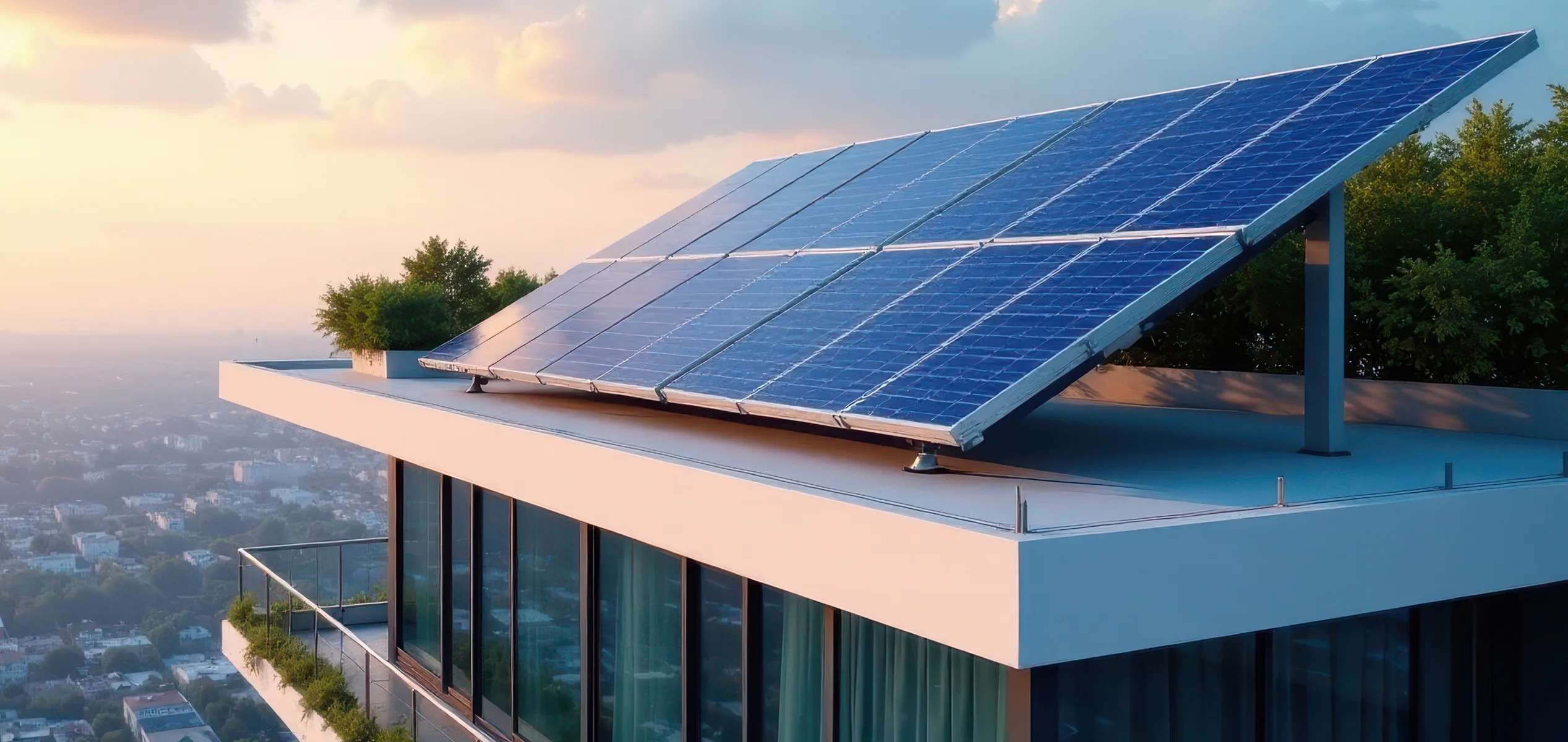
Rooftops
We deliver 360º rooftop solutions for homes, offices and industries. Our solar epc projects include rooftop systems that fit into solar microgrid networks, cut energy costs, and deliver clean power.
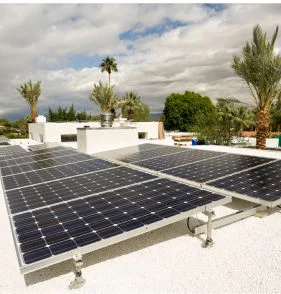
EPC ground-mount
We manage ground mount solar projects from start to finish. Our team plans the layout, installs ground mounted solar panels, and runs final tests to make sure each system works reliably.
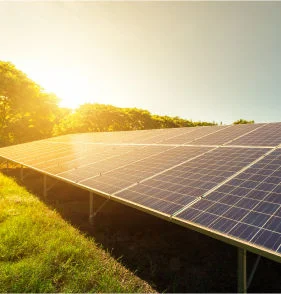
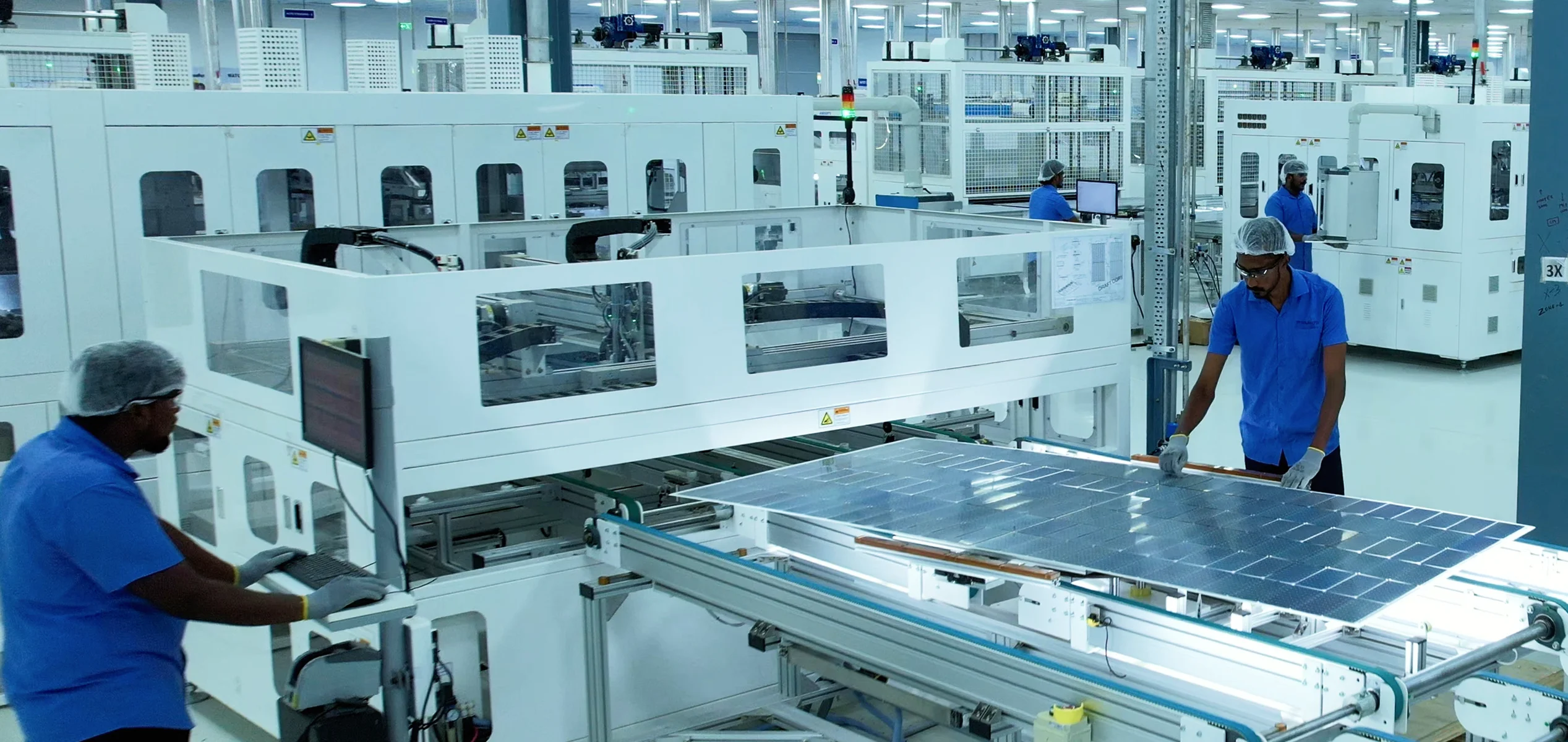
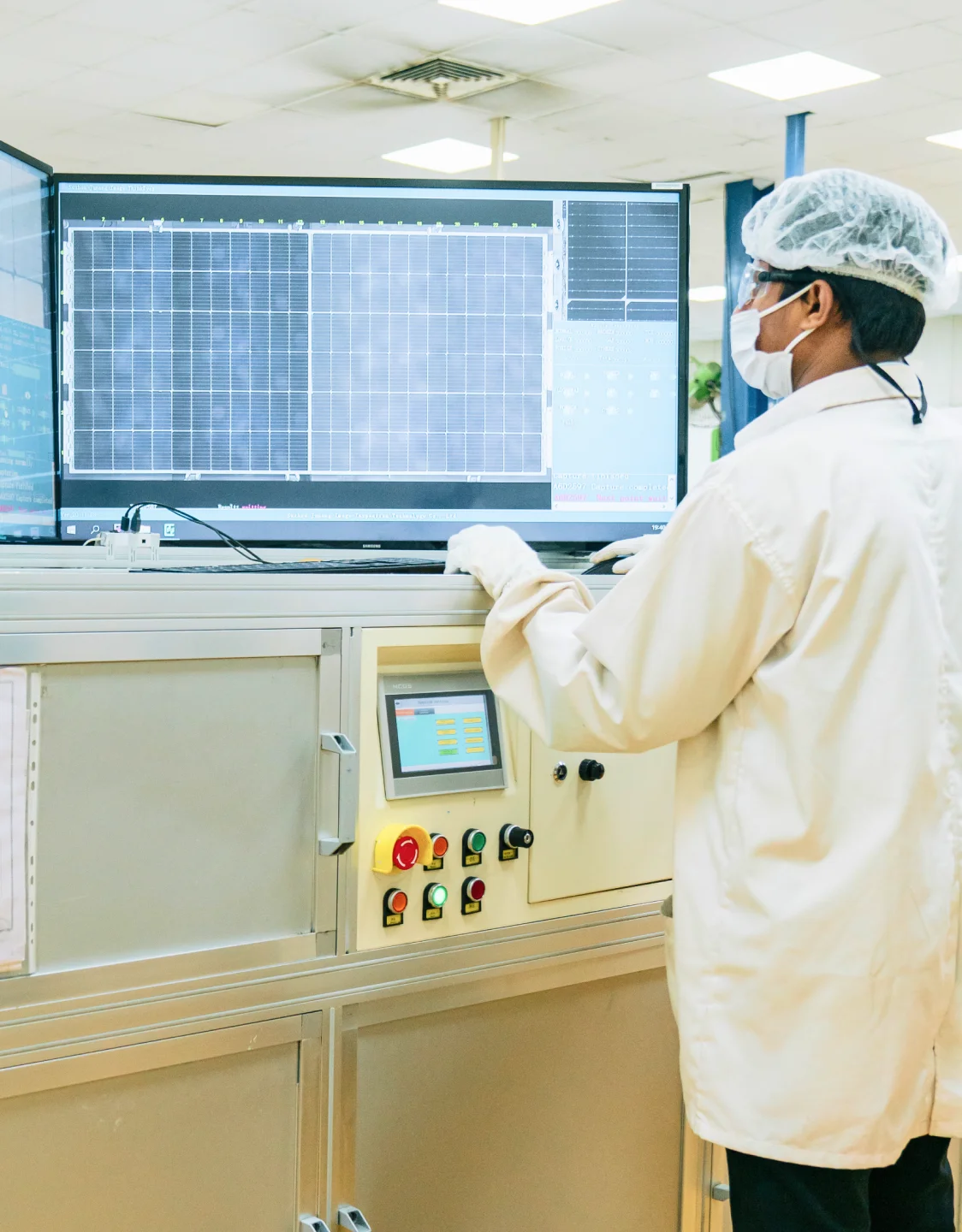
Module manufacturing
Cutting-edge production of solar modules in a wide range of configurations, power outputs, and panel sizes. Our modules are ideal for rooftop installations, ground mounted solar power plant projects, and solar microgrid systems.

How does solar energy work?
Solar energy begins with the power of sunlight and ends with reliable, clean electricity for every need. Understanding how this transformation happens is key to unlocking the full potential of renewable energy adoption

Photovoltaic (PV) systems
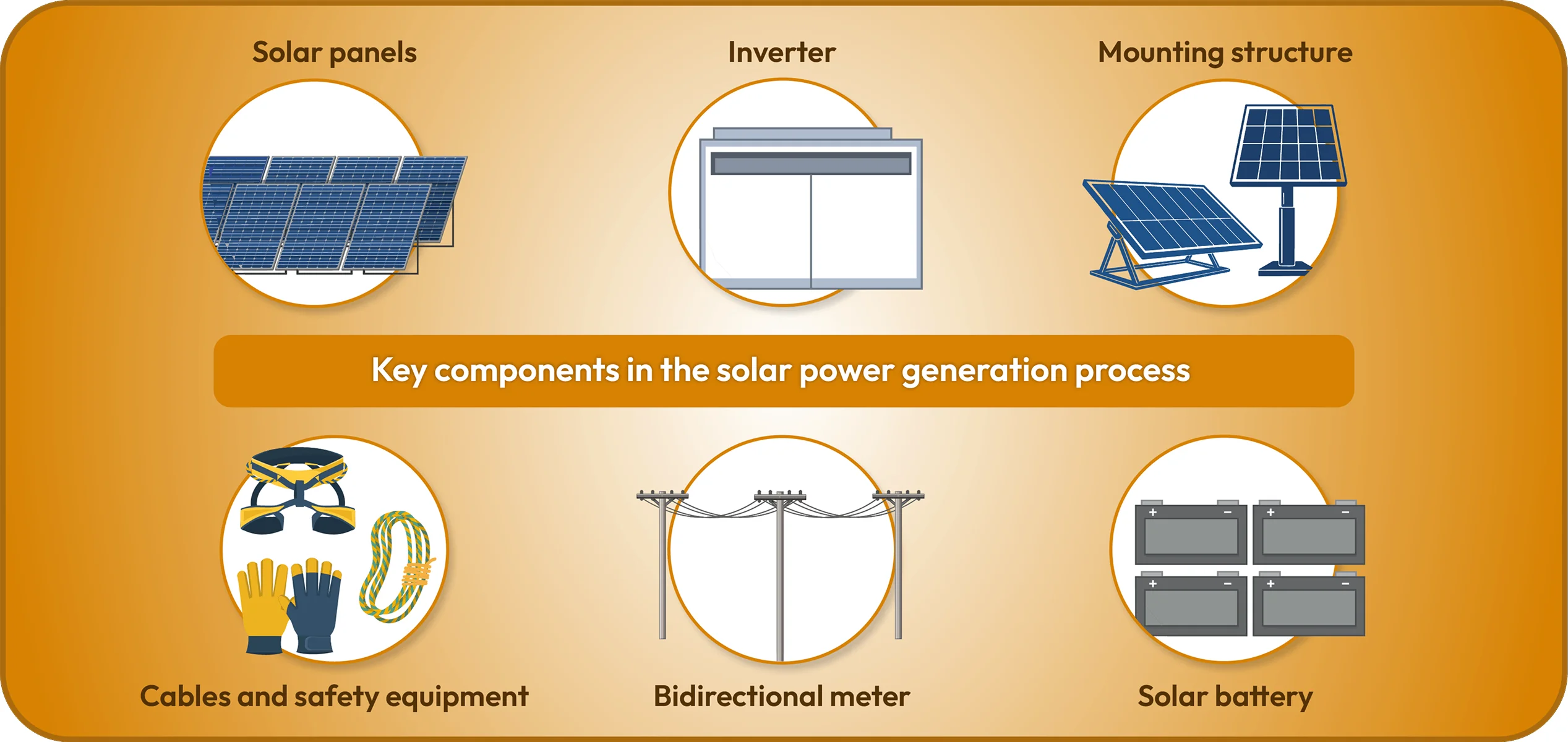
A solar photovoltaic system made of panels with semiconductor materials that convert sunlight directly into electricity. When sunlight reaches photovoltaic cells, electrons are set into motion, generating direct current (DC) electricity. A solar inverter then converts that DC into alternating current (AC) electricity suitable for home or commercial use, completing the solar panel electricity generation process.

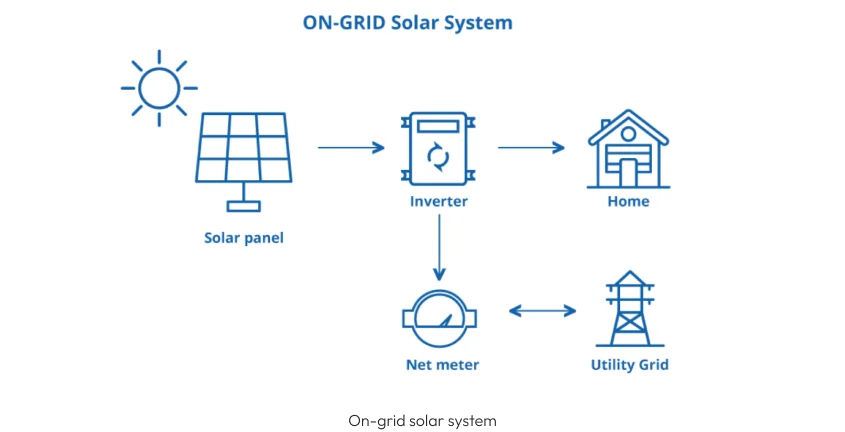
On-Grid solar systems
On-grid systems connect a solar panel system to the public electricity grid. If panels produce more electricity than is used, excess power is sent to the grid and credited via net metering. When solar output falls, the grid supplies the shortfall.

Off-Grid solar systems
Off-grid solar systems include the key components of a solar PV system: solar panels, battery storage, and charge controllers. They operate independently of the grid. Batteries store excess energy for use at night or on cloudy days, and these systems function independently of the public electricity grid.

Solar thermal systems
Solar thermal systems capture heat from sunlight to warm water or air. They do not involve solar panel efficiency or electricity generation but use heat transfer for residential heating, hot water, or industrial processes.

Our solar powered projects
Since our solutions are customized for various needs, our solar power projects projects differ in core features and scale. The common goal, however, remains to ignite the movement towards clean energy
- Indian projects
- Landmark international projects
- Round-the-clock energy projects
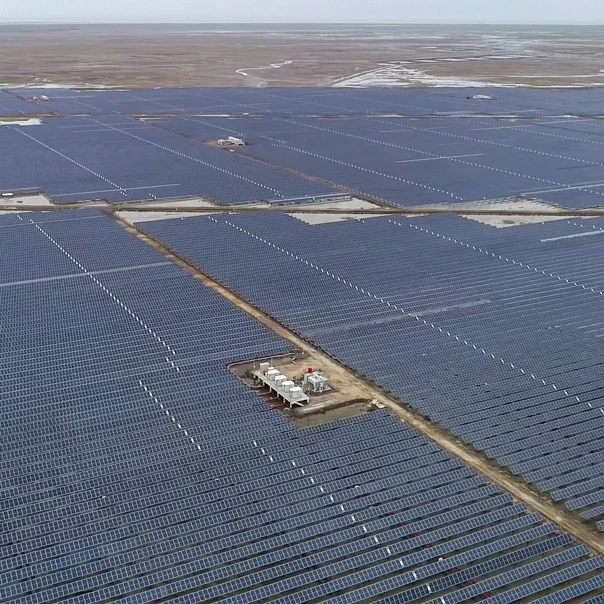
300 MW solar plant Dholera, Gujarat
LEARN MORE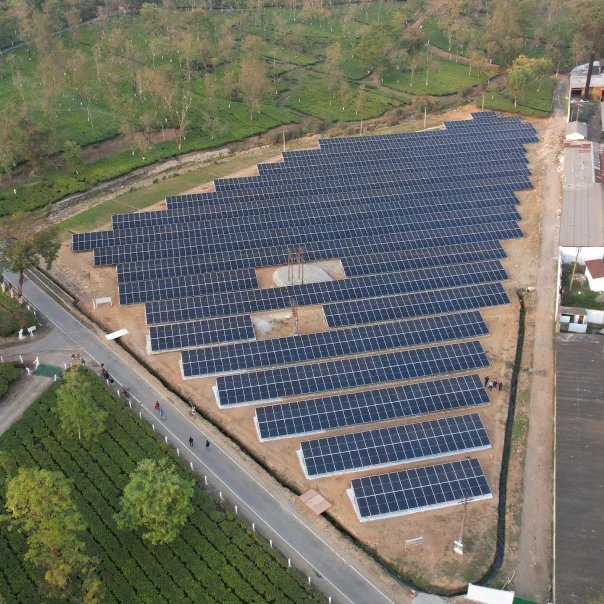
1040 kW bifacial solar project, Chengmari tea estate, West Bengal
LEARN MORE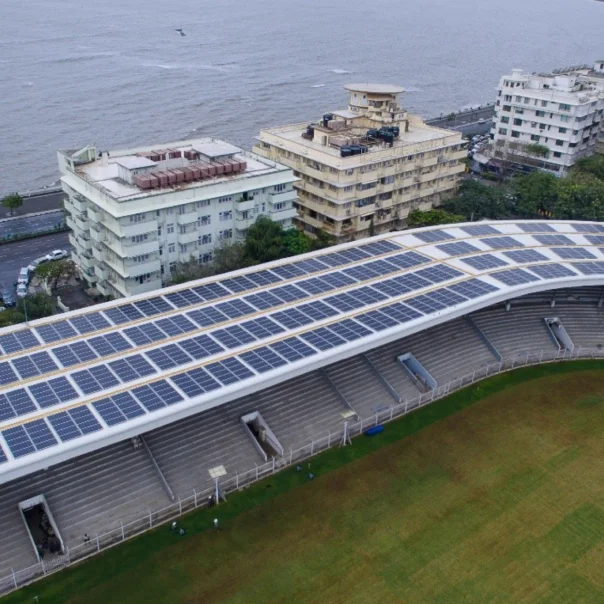
820.8 kWp solar rooftop installation, CCI Stadium, Mumbai
LEARN MORE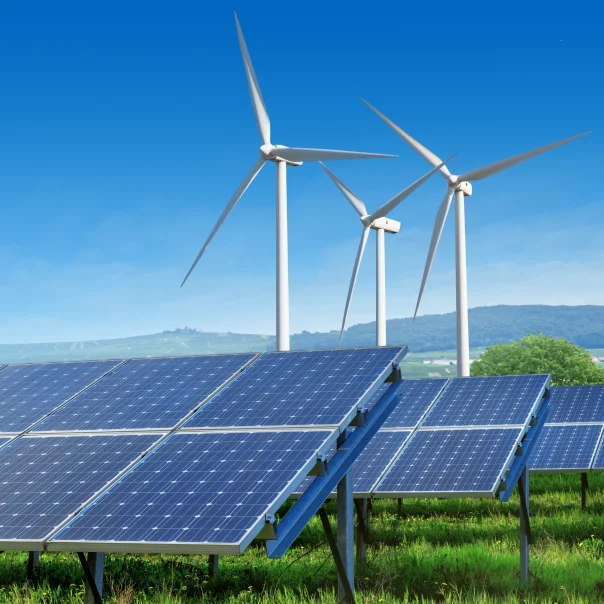
966 MW Round-the-clock (RTC) renewable power project, Tata Steel
LEARN MORE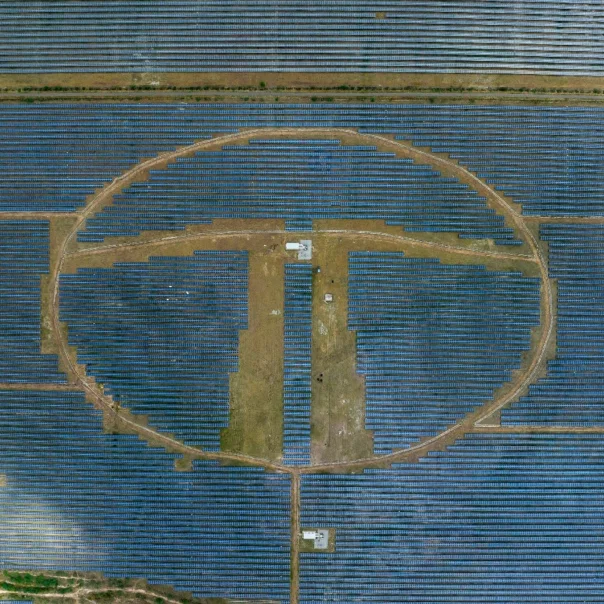
400 MW solar plant, Pavagada, Karnataka
LEARN MORE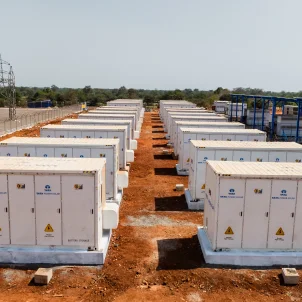
100 MW solar PV Power plant with 40MW / 120 MWh Battery Energy storage system, Rajnandgaon, Chhattisgarh
LEARN MORE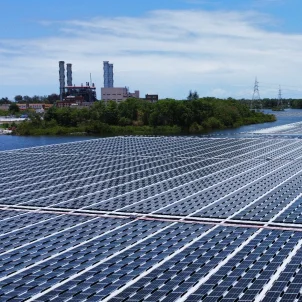
101.6 MWp floating solar project, Kayamkulam, Kerala
LEARN MORE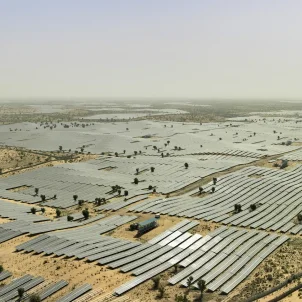
450 MWp solar project, Bikaner, Rajasthan
LEARN MORE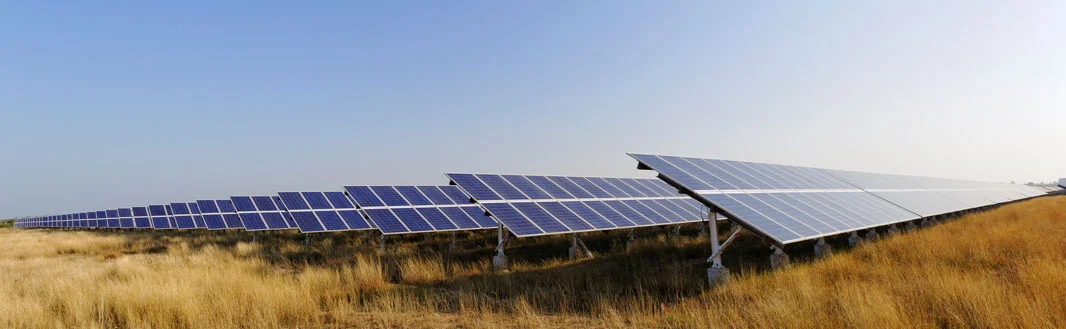
17 MW Tata Power, Mithapur, Gujarat
LEARN MORE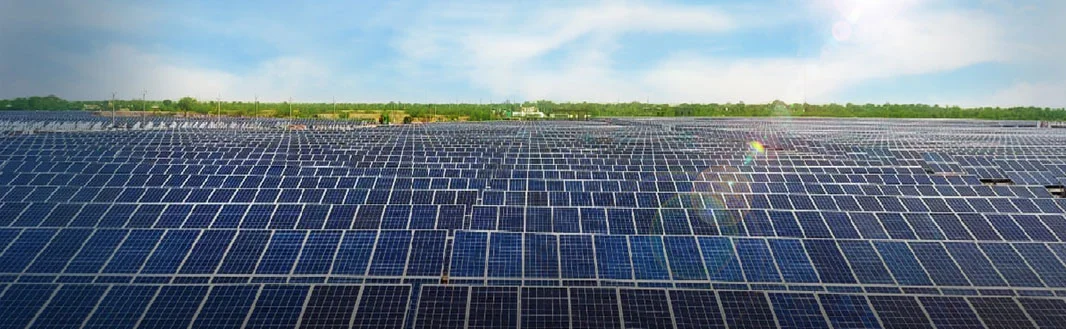
30 MW ground mounted solar project Chandarva Gujarat/
LEARN MORE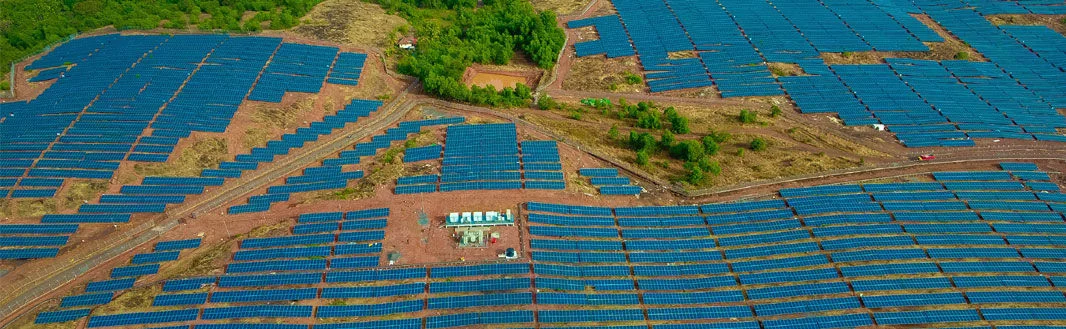
50 MW – AC Solar PV Plant at Kasaragod Solar Park, Kerala
LEARN MORE
TP Renewable Microgrid Launches Mobile App for Rural Customers
LEARN MORE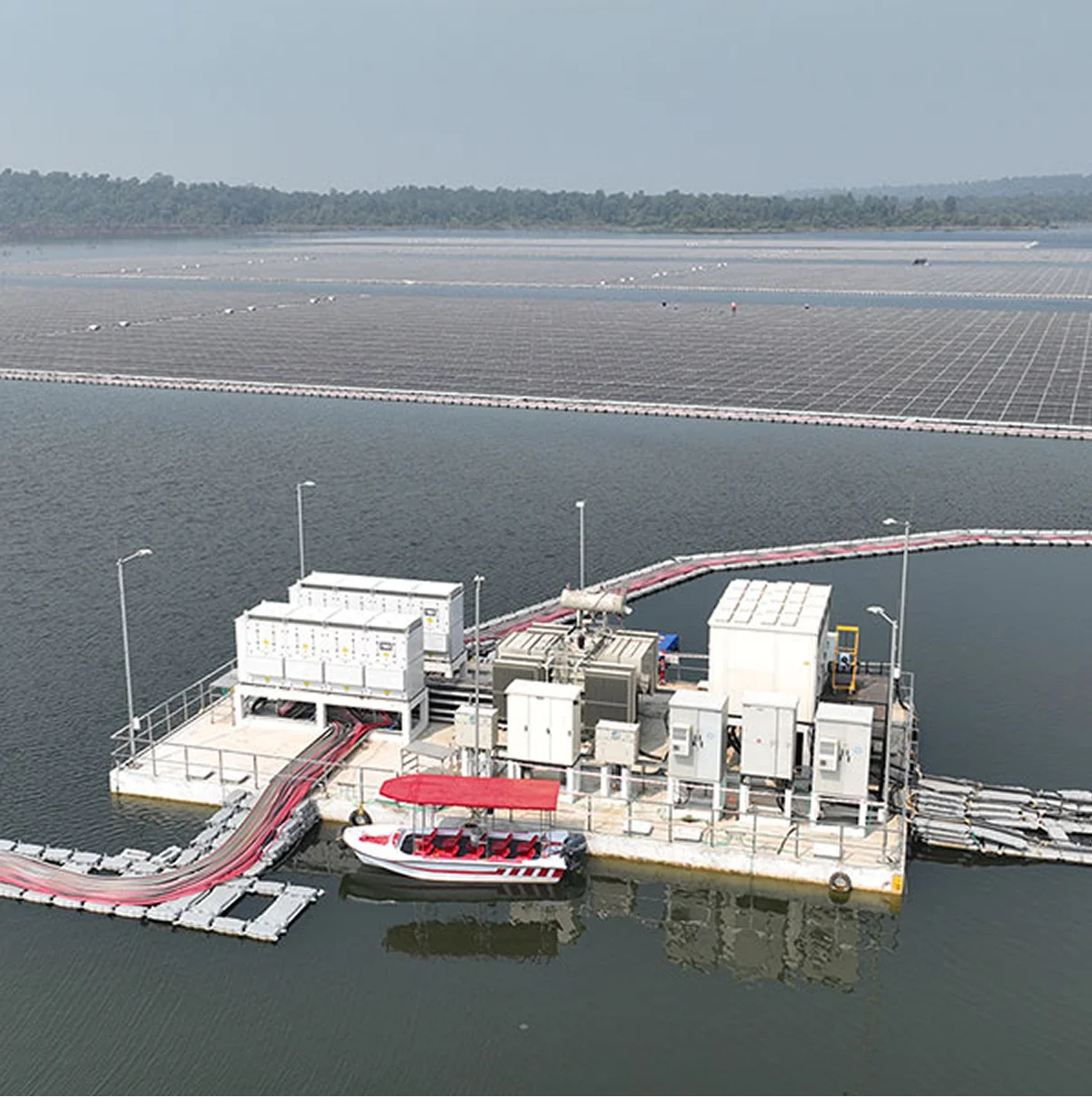
125.84 MWp DC One of India’s Largest Floating Solar Projects at Omkareshwar, Madhya Pradesh
LEARN MORE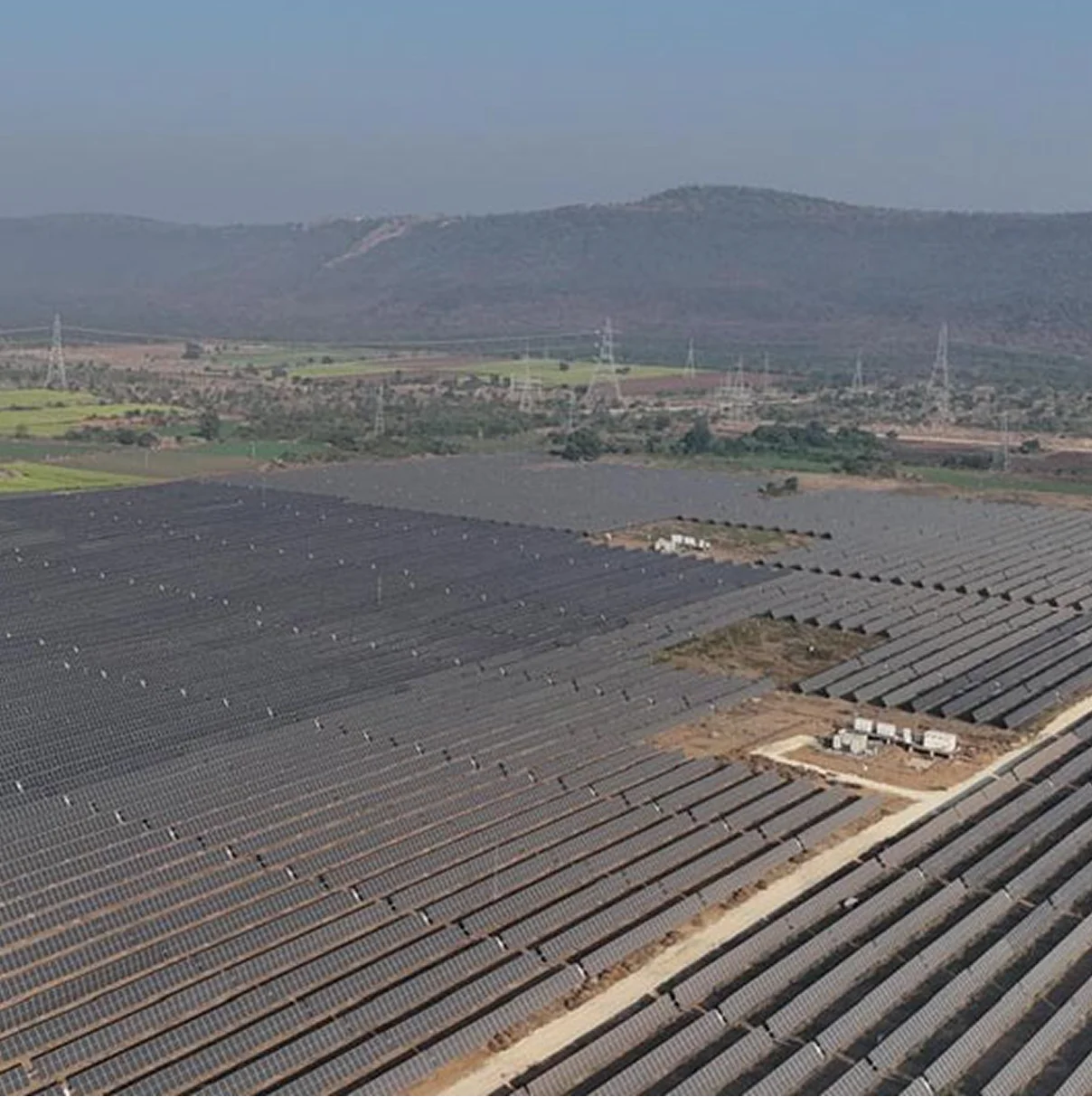
431MW DC Solar Project, Neemuch, Madhya Pradesh
LEARN MORE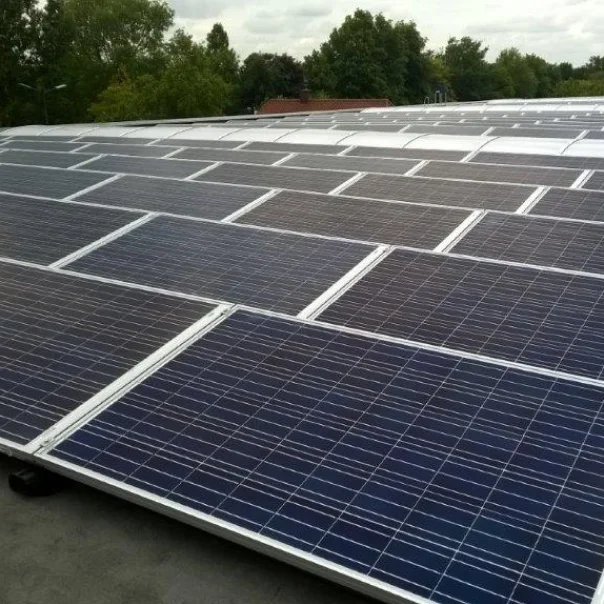
257 kWp Bunde, Netherlands
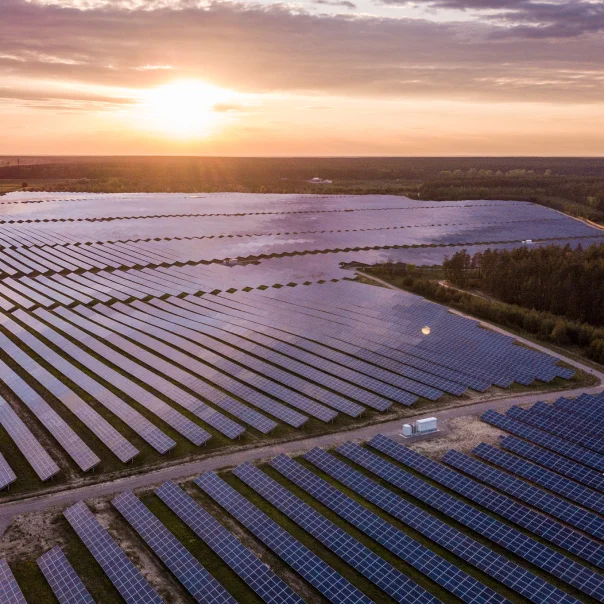
3.411MWp Sittard-Geleen, Netherlands
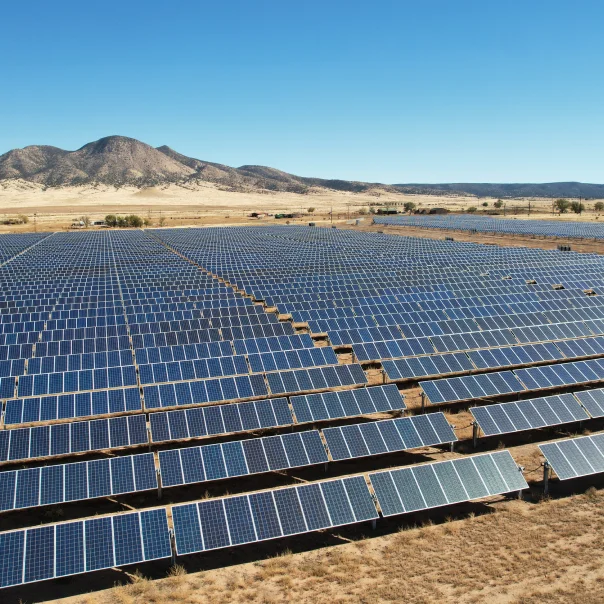
3.376MWp Labish, Oregon, USA
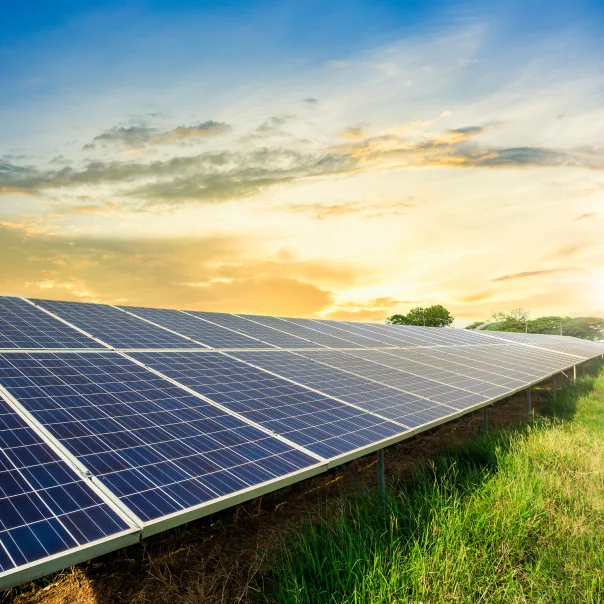
2.948MWp Ballston, Oregon, USA
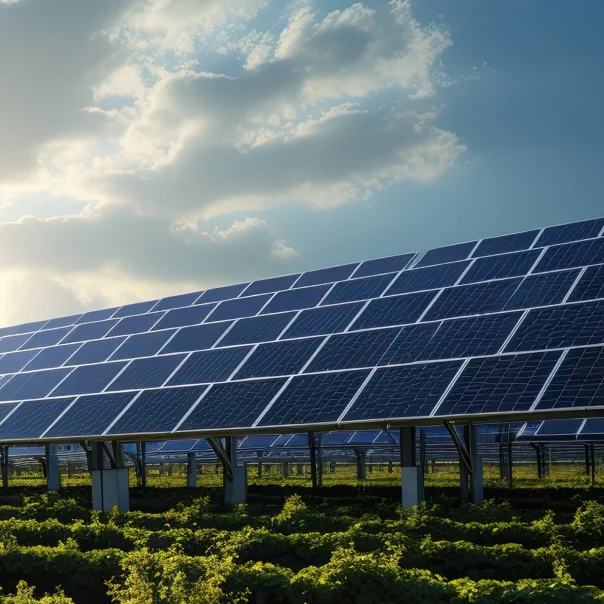
25MW Sønderborg, Denmark
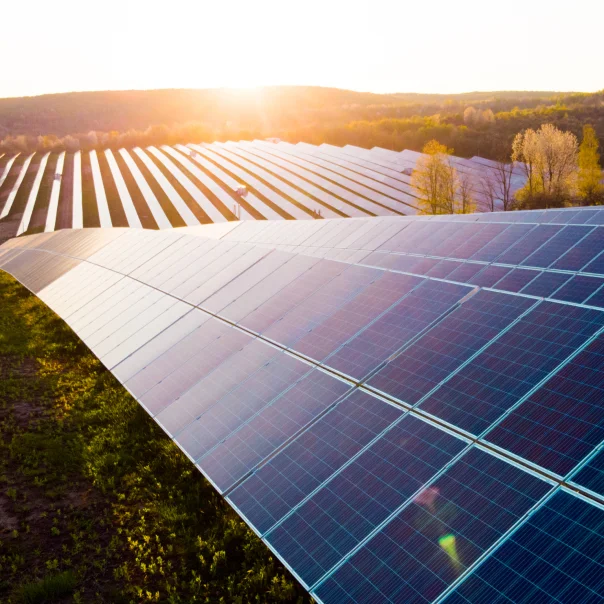
30MWp across smaller projects United Kingdom
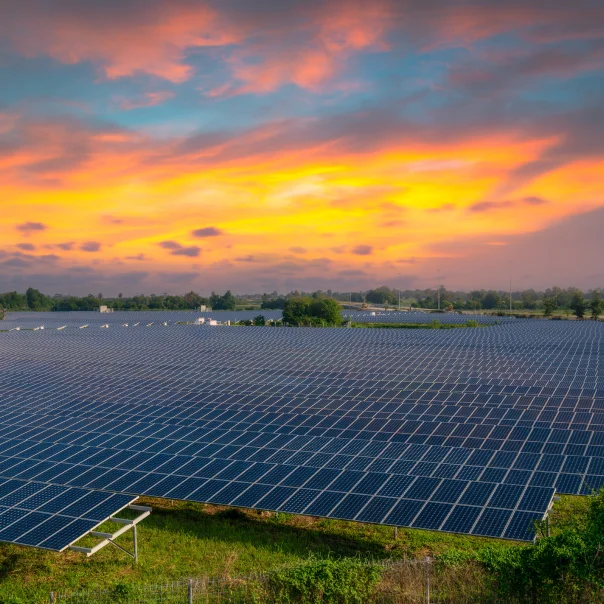
1MWp Awali Oil Field, Bahrain
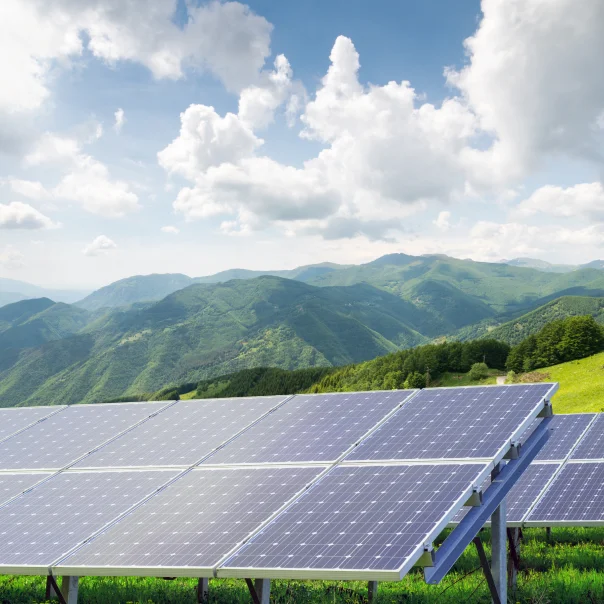
3.8MWp Herzogenrath, Germany
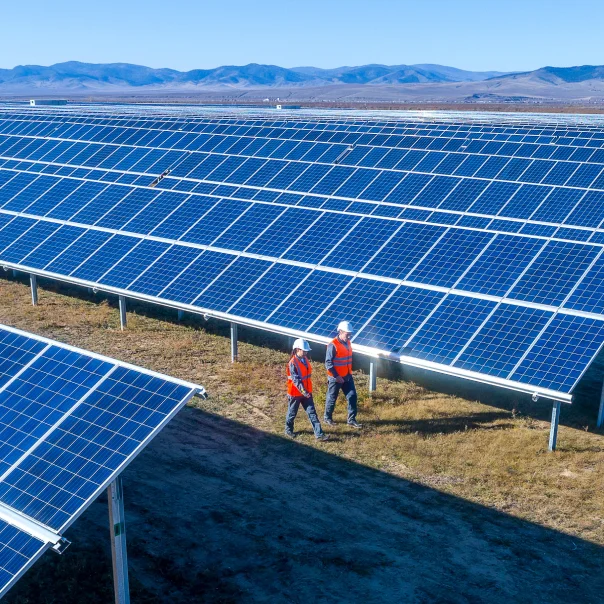
8.4MWp Horslunde, Denmark
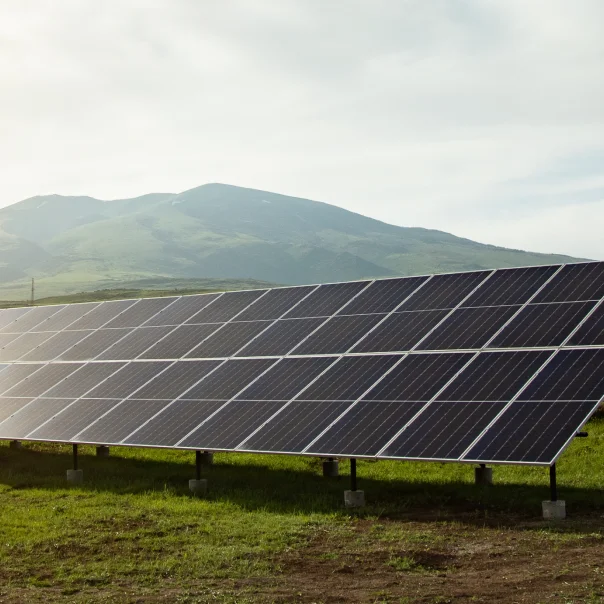
51MWp Nees, Denmark
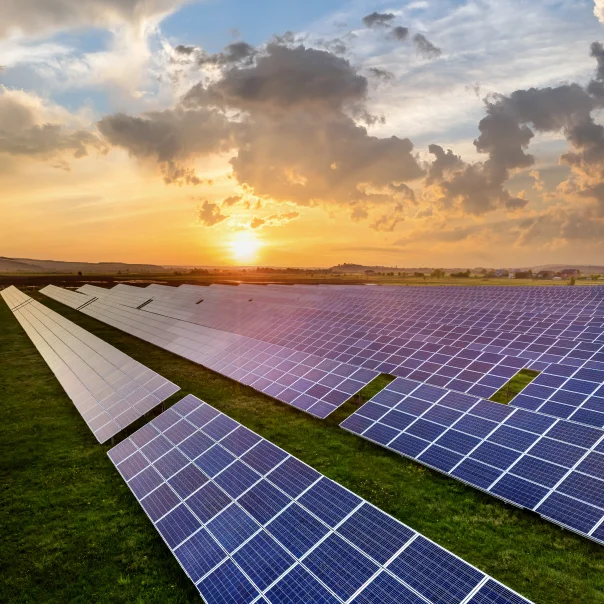
5MWp Ferry Farm, West Sussex, United
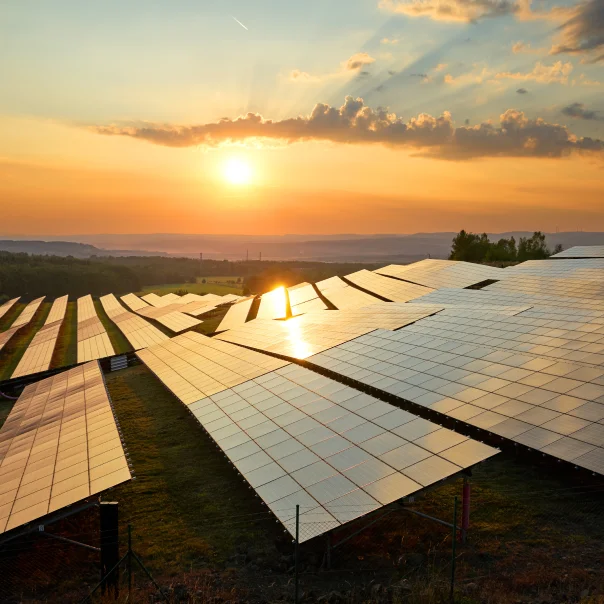
4.4MWp Bryn Bachau, Chwilog, Gwynedd, United Kingdom
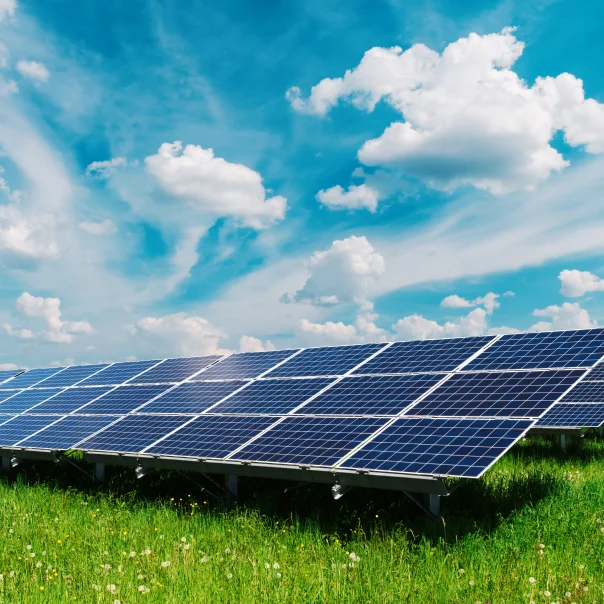
5MWp Lagness, Chichester, United Kingdom
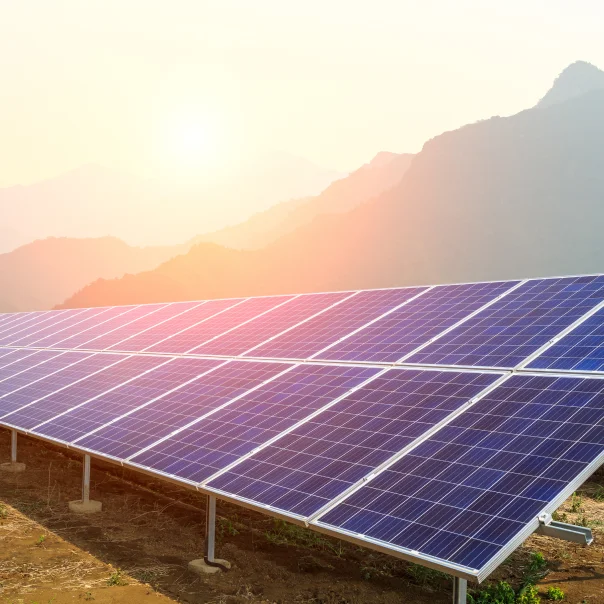
5MWp Manor Farm, United Kingdom
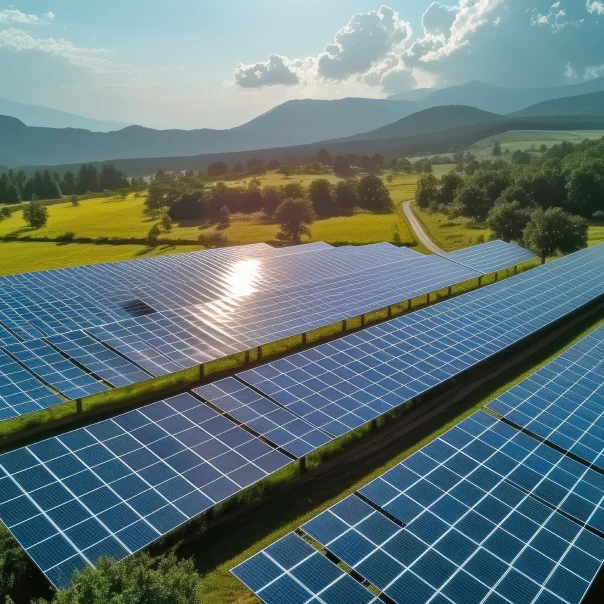
250kWp Chichester, United Kingdom
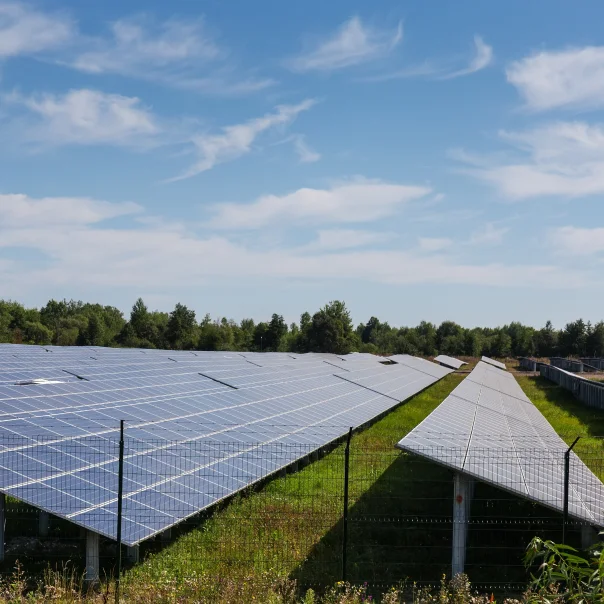
385kWp Ho Chi Minh City, Vietnam
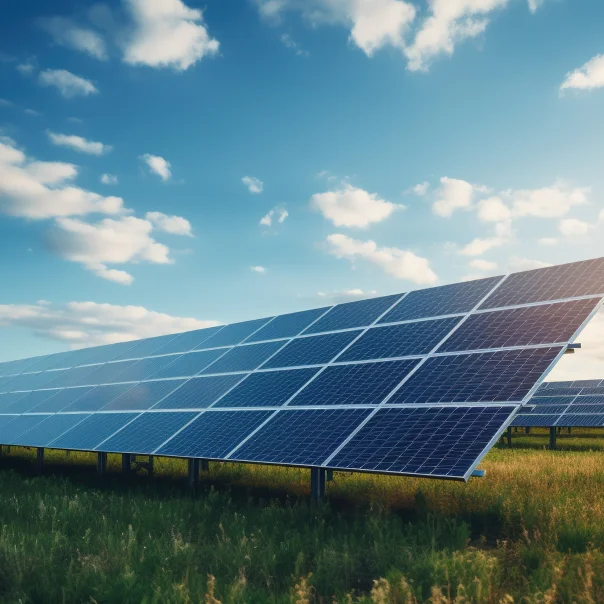
200kWp 2kWp x 100 schools across Sri Lanka
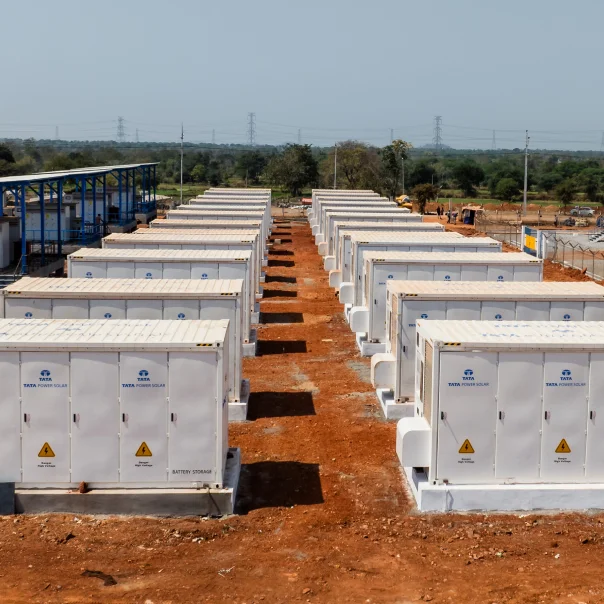
100 MW solar PV Power plant with 40MW / 120 MWh Battery Energy storage system, Rajnandgaon, Chhattisgarh
LEARN MORE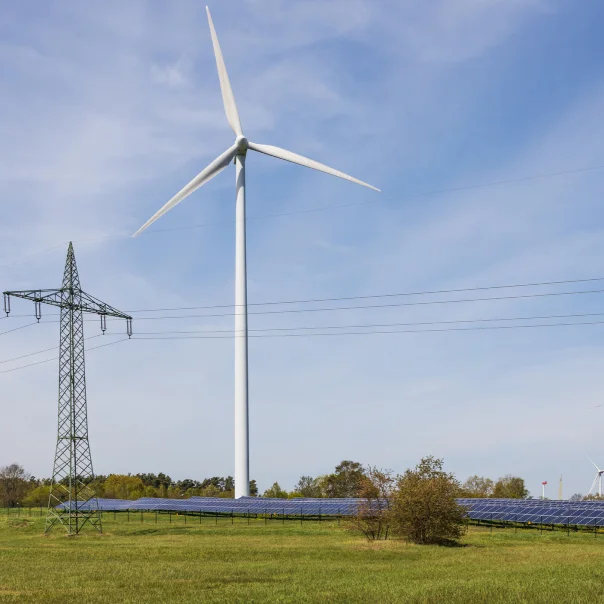
966 MW Round-the-clock (RTC) Renewable Power Project for Tata Steel
LEARN MORE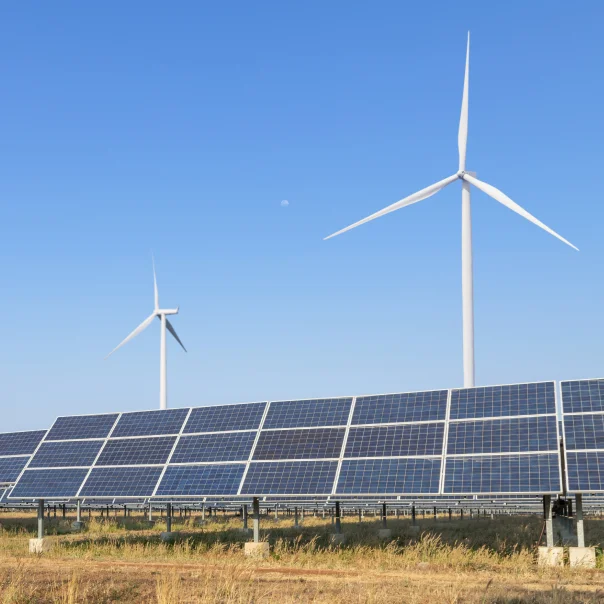
510 MW Hybrid project with Tata Power Delhi Distribution
LEARN MOREOver 2.5 GW modules shipped globally

Our key clients







Sustainable is attainable
Do you know? The Anokha Dhaaga initiative has woven a brighter future for 1,050 women, across eight states
In the spotlight
When clean power arrives, rural progress follows
In remote villages of UP and Bihar, Tata Power Renewable Microgrid is making sustainable power a catalyst for lower emissions, stronger livelihoods and everyday rural progress.
AI video disclaimer
This film contains visuals and content generated or enhanced using Artificial Intelligence (AI) technologies for illustrative and creative purposes. Any resemblance to actual persons, events, or situations is purely coincidental unless explicitly stated. The content is intended for informational and engagement purposes only.
We took a pledge in Paris in 2015 that 40% of our capacity will be coming from non-fossil fuel sources by 2030. Today we are already at 42.8%. Making us the fastest county, working to achieve their NDCs. Interestingly, we are also leaders in energy transition as well as take the lead in reduction of energy efficiency which is at 30% already.
R K Singh
Union Minister- Power, New and Renewable Energy

We are working very closely with Tata Power to enable energy access across India and other countries. I consider them to be a leader with the regulatory thinking and innovations to help tackle these challenges.
Dr. Robert Stoner
MIT Energy Initiative
When I began working here two years ago, power outages were a major challenge. With no electricity in the evening, it was nearly impossible to keep the shop open. But ever since we got connected to the microgrid, everything has changed. Now, I can keep my shop open until 9 PM, allowing me to serve more customers after dark. This reliable power supply has truly transformed my business and brought in more evening customers
Raju Singh Baghel
Shopkeeper, Uttar Pradesh

In 2015-16, we chose Tata Solar to be our module supply partner. We chose them because, Tata has a commitment to excellence & quality. It has a superb team; we can look forward to business do more business. We are also impressed by the ethos, Sustainability of Tata’s.
David Maguire
Director BNRG Renewables, Ireland
We are delighted to partner with Tata Power Solar to jointly deliver this project for Toyota.
Gab Barbaro
Managing Partner
British Gas Business Services
Tata Power Solar complements us in its focus for quality and is a highly respected group in the world. Our solar projects need a significant level of quality standards when it comes to panels, and we feel that this partnership will help us achieve that and a lot more
Mr. Mikkel Dau Jacobsen
Managing Partner, Better Energy Development A/S
Before Tata Power, we relied heavily on the grid and often paid huge electricity bills for our diesel generator. When representatives reached out to various shops in this market, we decided to switch. Since then, Tata Power has consistently provided us with reliable, uninterrupted power at a significantly reduced cost—less than half of what we used to pay, while their customer service is swift with its solutions
Mr. Vinod Kumar
Shopkeeper, Uttar Pradesh
Many companies approached me but after some research it was clear that Tata Power is the best in the market. The Installation was handled wisely by Tata Power as the roof space was less. Walkways between the system make it easier to look after the panels. I chose Tata Power for trouble free service and guarantee. I am thankful to Tata Power Company.
Mr. Madhu Sudan
Ajmer, Rajasthan
Resource center
No Results
Showing of items
Frequently asked questions
The frequently asked questions section is a reliable source for unlocking answers to some of the most crucial inquiries. Please refer to this section for any queries you may have.
- Solar energy
Solar energy systems rely on a vital component - silicon wafers - that convert sunlight into electricity. These semiconducting wafers liberate electrons when exposed to sunlight, establishing a flow of direct current (DC) electricity. This efficient process allows solar systems to harness renewable energy from the sun, providing a sustainable power source
A grid-connected solar rooftop system does not produce electricity during a grid outage. However, battery-based systems don't just provide backup but also help generate electricity using solar during grid outages. Please refer to our products section to know more in detail
No, solar electricity is not wasted if it's not being consumed by the premises. During daytime, the solar system exports any excess electricity not used to the national electricity grid. Similarly, at night, excess electricity required by the premises is imported from the grid as solar generation is absent at night
Meter(s) installed along with the solar system keep a record of excess generation exported to the grid and imported from it. At the end of each period, customers are credited for excess generation exported to the grid as per the prevailing state policy, and charged only for net consumption from the grid
A photovoltaic (PV) system converts sunlight into electricity with the help of solar panels. These panels capture sunlight and create a flow of electrons to generate direct current (DC) electricity. This DC electricity is converted to alternating current (AC) by sending it to an inverter, making it suitable to power household appliances. The AC electricity flows through an electrical panel to power your home or business, while the excess energy is either sent back to the grid or stored in batteries for later use
The capacity of a solar connection installation depends on several factors:
1. Load requirement: The capacity needed to power your desired load through solar energy. This varies from state to state. On average, a 1 kW system is suitable for a monthly electricity bill of approximately Rs. 1,000
2. Shadow-free space availability: The amount of unobstructed space required for the installation. As a rule of thumb, a 1 kW system typically needs around 100 sq ft of shadow-free space
3. Sanctioned load: The maximum capacity allowed by state regulations. Generally, exceeding the sanctioned load capacity is not permitted
Solar energy is the power we harness from the sun’s radiation, converted into electricity or heat using technologies like photovoltaic panels or solar thermal collectors. In a solar photovoltaic system, panels made of semiconductor cells turn sunlight into electric current, while solar thermal systems capture heat. By installing a simple solar panel system on your roof, you can access this renewable, abundant energy, lower your electricity bills, reduce reliance on fossil fuels, and help cut greenhouse gas emissions.
The different types of solar panels in India are monocrystalline, polycrystalline, and thin film. Monocrystalline panels use one solid silicon crystal that gives smooth looks and strong output. Polycrystalline panels are made from blended crystals, so they are more affordable but slightly less efficient. Thin film panels have a thin active layer on glass or metal, making them lighter and flexible though they give lower power per area. For many homes, monocrystalline units rank among the best solar panels.
Solar energy works by converting sunlight into usable and reliable electricity. It converts sunlight into power through four technologies. Photovoltaic systems use semiconductor panels to generate electricity, which inverters refine into alternating current. On-grid solar systems feed surplus energy into the grid for credit via net metering and draw from it when panels produce less energy. Off-grid solar systems pair panels with battery storage to ensure uninterrupted power in remote, cloudy conditions. Solar thermal systems capture sunlight as heat to warm water or air for residential heating or industrial processes.
Solar energy works by converting sunlight into usable and reliable electricity. It converts sunlight into power through four technologies. Photovoltaic systems use semiconductor panels to generate electricity, which inverters refine into alternating current. On-grid solar systems feed surplus energy into the grid for credit via net metering and draw from it when panels produce less energy. Off-grid solar systems pair panels with battery storage to ensure uninterrupted power in remote, cloudy conditions. Solar thermal systems capture sunlight as heat to warm water or air for residential heating or industrial processes
Solar energy is a renewable source of energy that relies on the sun’s light and heat to generate energy. It taps photovoltaic panels to produce clean electricity and uses thermal collectors to capture warmth for heating water and spaces. Unlike fossil fuels, solar never depletes and emits no carbon pollutants during operation. With abundant daily sunlight and minimal environmental impact, solar energy provides a smart solution for homes, businesses, and communities.
The benefits of solar energy are:
Reduces electricity bills by allowing users to generate their own power
Promotes energy independence for homes and businesses
Provides a renewable and abundant power source that relies on free sunlight
Generates clean electricity with minimal greenhouse gas emissions
Improves air quality and supports environmental conservation
Requires low operating costs after installation
Offers flexible system sizes suitable for both rooftops and large-scale plants
Supports both on-grid and off-grid applications
Drives job creation and economic growth through the expanding solar industry
Benefits from government incentives and subsidies that reduce upfront costs
Solar energy faces several limitations, primarily due to its dependence on sunlight and the inability to generate power consistently throughout the day. The upfront cost for panels and installation can be high, even as prices slowly fall. Production depends on daylight and weather, so cloudy days and night hours reduce output. Solar panel systems also need adequate roof or land space, which can be scarce in dense areas. Panel efficiency faces physical limits despite ongoing improvements. Adding battery storage or backup systems is often necessary to ensure power at night or during extended cloudy spells, increasing investment
Solar energy can reduce electricity bills by letting homeowners generate their own power. This means they rely less on the grid, and if they produce more energy than they use, they might even get credits through net metering for the excess electricity fed back into the grid. Incorporating battery storage further saves by holding excess power for night or cloudy days. Together these features deliver long-term savings and financial certainty.
To choose ideal solar panels, first measure your roof area and assess daily sunlight, then match panel types accordingly. When space is tight, monocrystalline modules deliver higher watt output per square meter, resulting in high efficiency. Larger roofs can accommodate polycrystalline panels which cost less but offer slightly lower efficiency. Thin-film technology is lightweight and flexible yet requires more surface for equal power. Be sure to review efficiency figures, independent durability tests, and warranty terms from reputable manufacturers before making a final purchase.
Solar energy can be a great option for both homes and businesses as it offers long-term savings on electricity bills and is better for the environment too. But to get the most out of it, your system needs to be the right size and designed for your specific location. Things like the age and size of your roof, how much shade it gets, the direction it faces, how much sunlight your area receives, and your current electricity costs all play a big role in deciding whether solar is a good fit and how much you could save.
Net metering is a billing system that lets owners of a solar panel system earn credits for excess electricity sent to the utility grid. You benefit from net metering primarily by reducing your electricity bills, as the credits earned for surplus energy can offset electricity drawn from the grid when your power generation is low, such as at nighttime or on cloudy days. This arrangement lowers electricity costs, speeds up payback, and makes solar power solutions more appealing for homes and businesses.
Yes, several government subsidies are available in India for solar installations.
Pradhan Mantri Surya Ghar Muft Bijli Yojana: Homeowners can receive free electricity up to 300 units per month and a subsidy of up to ₹78,000 for installing solar panel systems up to 3 kW.
MNRE’s Grid Connected Rooftop Solar Programme: Domestic rooftop systems are eligible for Up to 40% subsidy for systems up to 3 kW, and 20% subsidy for systems with capacity between 3 and 10 kW.
PM-KUSUM Scheme: Farmers can avail up to 60% subsidy for the installation of solar-powered agricultural pumps under this scheme.
Contact us
Contact information
Toll Free Investor Helpline
1800-209-8484 (All 7 days, 8 AM - 8PM)
Corporate Indentity No. (CIN)
U40106MH1989PLC330738
santoshc@tatapower.com
Registered Address
Tata Power Solar Systems
Limited C/o. The Tata Power
Company Limited,
Corporate Center B, 34 Sant
Tukaram Road, Carnac Bunder,
Mumbai - 400 009, Maharashtra
North
Tata Power Solar Systems Limited
1st Floor, Shatabdi Bhavan, B-12, 13, Sector - 4,
Noida, Uttar Pradesh - 201301 India
Tel: +91 120 6102000 Monday - Friday (9AM-5PM)
East
Tata Power Solar Systems Limited
Merlin Matrix, DN - 10,
Suite No. 703, 7th Floor
Near RS Software
Salt Lake, Sector V
Kolkata - 700 091
South
Tata Power Solar Systems Limited
78, Electronics City, Phase I
Hosur Road
Bengaluru - 560 100 India
Tel: +91 80 6777 2000 / 3000
Monday - Friday (9AM-5PM)
Related blogs
View all