


 Contact us
Tata Power’s Mumbai divisions achieve platinum zero waste to landfill certification


Sections
- Introduction
- What is zero waste to landfill (ZWTL)?
- How is Tata Power redefining sustainable operations?
- How is zero waste to landfill performance measured?
- How does zero waste to landfill support the circular economy?
- How does landfill diversion drive circular growth?
- How does this support Tata Power’s 2030 sustainability roadmap?
- How can a zero-waste milestone build momentum?
- Bottomline
- FAQs
- Sources
Introduction
The world generates over 2 billion tonnes of municipal waste every year, making resource recovery one of the most important conversations in sustainability today. As organizations move beyond carbon reduction and clean energy targets, the focus is also shifting to how materials are used, recovered and kept in circulation.
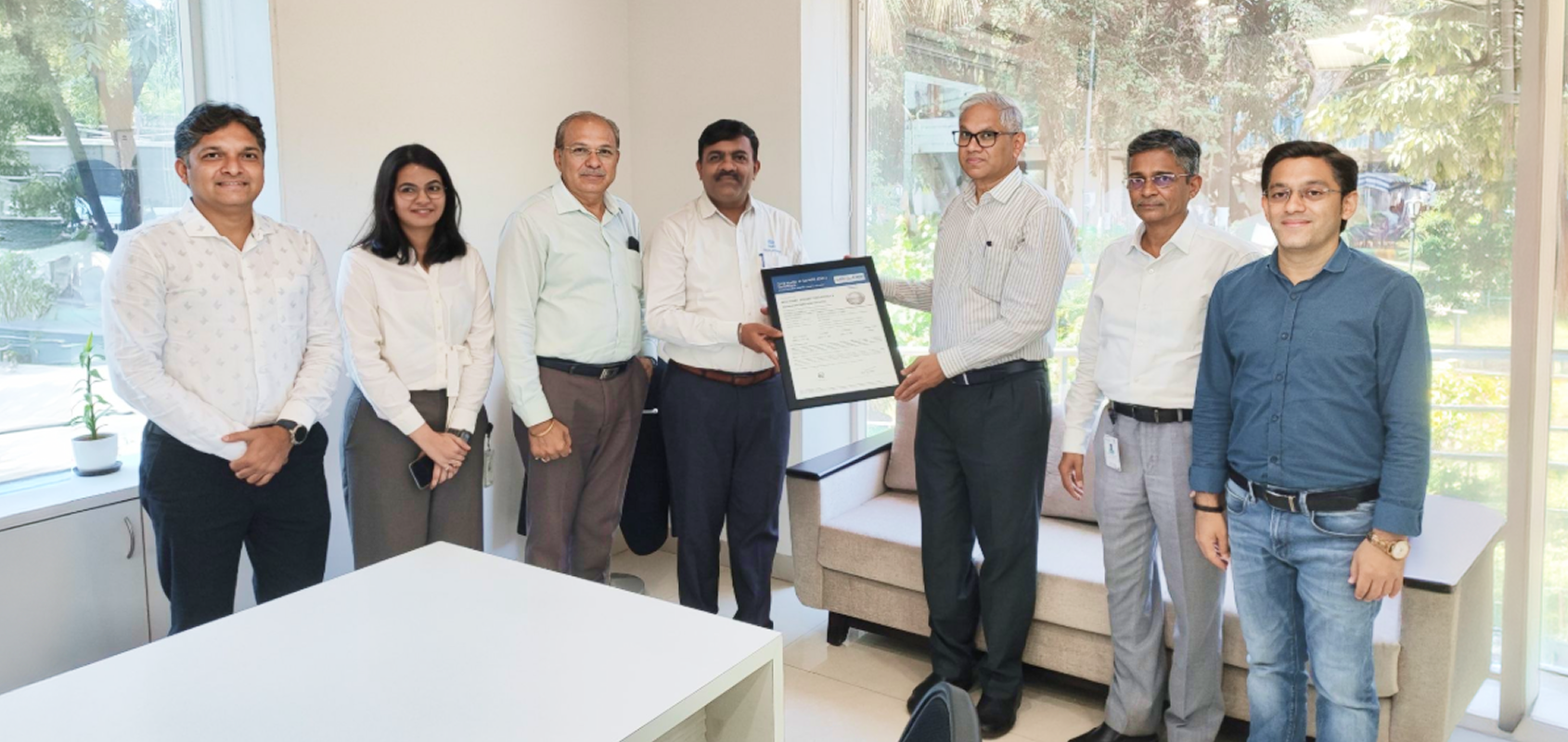
For a utility business operating at scale, this shift must show up in everyday operations. Tata Power – Mumbai Transmission and Mumbai Distribution Divisions have achieved the Zero Waste to Landfill (ZWTL) Platinum Certification for FY 2024–25, marking a significant milestone in their sustainability journey. The achievement reflects a structured approach to waste segregation, recovery and circular resource management, opening up a larger conversation on what zero-waste operations can look like in practice.
What is zero waste to landfill (ZWTL)?
Zero Waste to Landfill is a sustainability practice where waste is managed as a resource, not as something to be buried and forgotten. The focus is to reduce waste at source, reuse materials, recycle or compost what can be recovered, and send as little as possible to landfill. It matters because landfills do more than take up space. They lock away useful materials, add pollution risk, and weaken the shift towards a circular economy.
It works through a simple hierarchy -
1. Reduce waste at the source
2. Reuse what can be used again
3. Recycle or compost suitable materials
4. Recover value from the rest, responsibly
A credible ZWTL (Zero waste to landfill) programme usually means diverting at least 90% of waste from landfill, incineration, or the environment.
How is Tata Power redefining sustainable operations?
Tata Power is redefining sustainable operations by turning waste management into a measurable, independently verified part of everyday business performance. For its Mumbai Transmission and Mumbai Distribution Divisions, sustainability is not limited to intent, policy, or one-time initiatives. It is reflected in how waste is segregated, recovered, recycled, reused, and responsibly disposed of across operations.
This approach was validated through the Zero Waste to Landfill Platinum Certification for FY 2024–25, awarded to Tata Power – Mumbai Transmission and Mumbai Distribution Divisions by Indian Register Quality Systems (IRQS), a division of IRCLASS Systems and Solutions India Pvt. Ltd.
The certification confirms that the divisions were independently checked and verified to meet the requirements of the Zero Waste to Landfill framework under the Platinum Category. The ZWTL certification is based on measurable landfill diversion performance, making it a strong indicator of operational discipline, resource efficiency, and reduced landfill dependency.
| Category | Landfill Diversion Performance |
|---|---|
| Platinum | More than 95% |
| Gold | More than 90% |
| Silver | 81% and above |
| Baseline | Below 81% |
Tata Power – Mumbai Transmission and Mumbai Distribution Divisions achieved an overall landfill diversion rate of 95.67% during FY 2024–25, securing their place in the highest certification category.
More importantly, this milestone signals a shift in how large-scale utility operations can function—where waste is no longer an inevitable byproduct, but a managed resource, and sustainability is embedded into the core of operational excellence.
How is zero waste to landfill performance measured?
Zero Waste to Landfill performance is measured through the landfill diversion rate, which shows the share of waste kept away from landfills through structured recovery and responsible waste management practices.
Achieving a landfill diversion rate of 95.67% is the result of a systematic and disciplined waste management framework embedded across operations.
- Waste segregation at source
- Recycling and reuse programs
- Authorized waste recovery channels
- Scientific disposal practices
- Continuous monitoring and waste minimization measures
- Strong environmental compliance mechanisms
Together, these initiatives ensure that waste is managed through structured recovery pathways rather than being directed to landfill. More importantly, they demonstrate how sustainability can be integrated into everyday operational processes rather than treated as a standalone environmental initiative.
The achievement also highlights Tata Power's focus on creating systems that are measurable, auditable, and scalable across business functions.
How does zero waste to landfill support the circular economy?
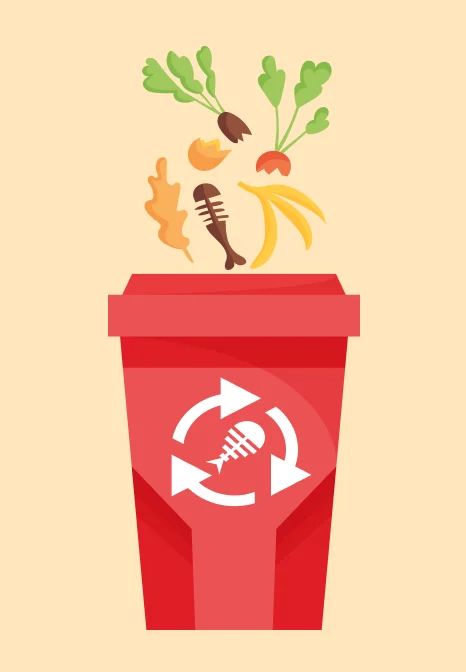
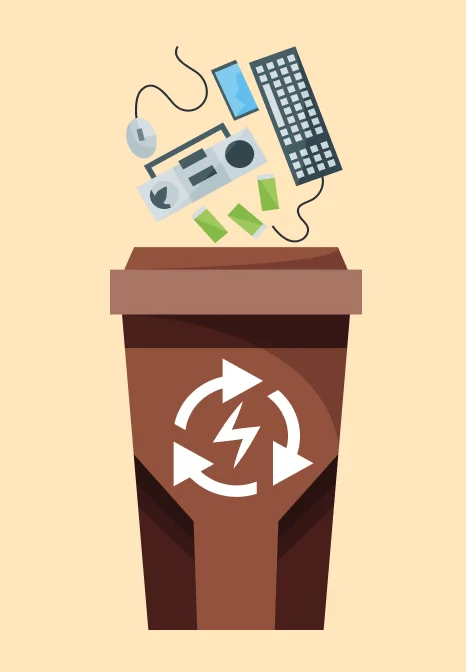
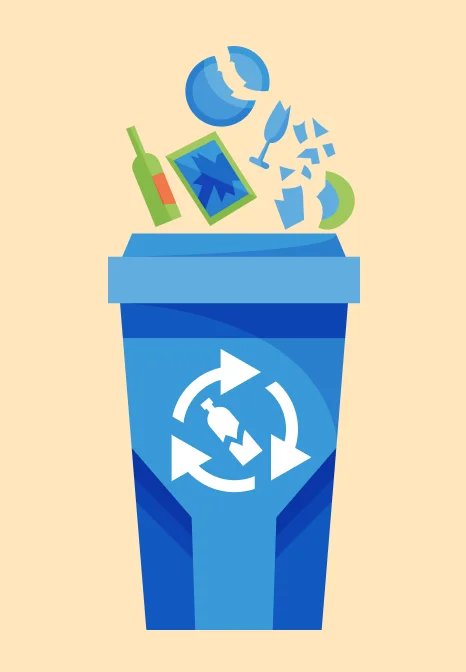
Zero Waste to Landfill supports the circular economy by keeping materials in use for longer and reducing dependence on landfill disposal. Under this approach, waste is not treated as a final output, but as a resource that can be recovered, recycled, reused, composted, or responsibly processed.
One of the key strengths of the Zero Waste to Landfill framework at Tata Power lies in its comprehensive approach to waste management. Rather than focusing on a single waste category, Tata Power addresses multiple waste streams through specialized treatment and recovery mechanisms, aligning its operations with sustainability goals.
Biodegradable waste
Biodegradable waste was managed through -
- Composting
- Organic waste treatment
- Authorized recovery processes
These measures ensured that organic waste was diverted away from landfill and processed through environmentally responsible channels.
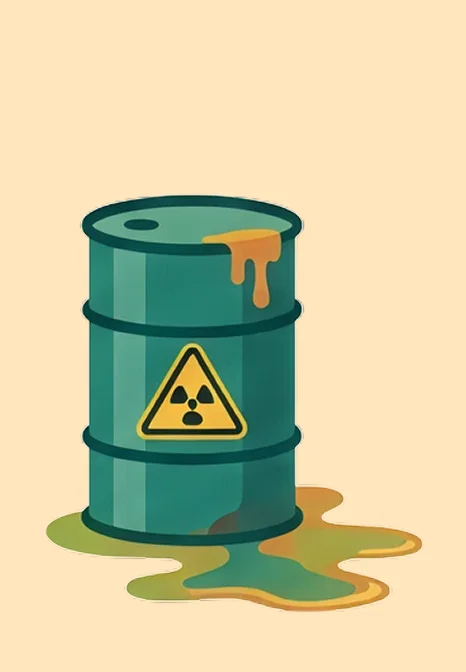
Used oil
Used oil generated during operations was disposed of and recycled through CPCB and MPCB-authorized recyclers, ensuring compliance with hazardous waste management rules.
Responsible handling of used oil is particularly critical for utility operations, where improper disposal can have significant environmental consequences.
E-waste
Electronic waste was scientifically managed through authorized e-waste dismantlers and recyclers.
This enabled -
- Safe dismantling and processing
- Material recovery
- Regulatory compliance
- Reduced environmental impact
Other recyclable waste streams
Additional waste streams managed under the framework included -
- Plastic waste
- Paper waste
- Metal scrap
- Packaging waste
- Miscellaneous operational waste
These materials were directed through recycling and recovery channels to maximize resource utilization and minimize landfill dependency.
The overall approach emphasized a simple but powerful principle: extract maximum value from resources before considering disposal.
How does landfill diversion drive circular growth?
Landfill diversion turns waste into a resource stream by steering it away from disposal and into recovery, recycling and reuse pathways. Materials keep circulating instead of being discarded, unlocking value, reducing losses and supporting a more efficient system.
Zero Waste to Landfill goes beyond managing waste at the end of its life. It reflects a shift from linear “take, use, dispose” thinking to a circular approach where materials are continuously recovered and reintegrated into use.
- Strong governance systems
- Reliable recovery and recycling networks
- Clear accountability mechanisms
- Continuous performance monitoring
- Employee participation and awareness
Tata Power's achievement demonstrates how infrastructure and utility companies can play a meaningful role in advancing circular economy principles while simultaneously reducing environmental impact.
By diverting waste toward recovery pathways, the company is reducing landfill dependency, conserving resources, and strengthening long-term operational sustainability.
How does this support Tata Power’s 2030 sustainability roadmap?
The platinum certification supports Tata Power’s 2030 sustainability roadmap by converting its Zero Waste to Landfill ambition into a measurable, verified, and scalable operating model.
It is not an isolated accomplishment. It forms an important part of Tata Power’s broader sustainability journey and supports the organization’s long-term aspiration of achieving Zero Waste to Landfill by 2030.
- Strong institutionalization of waste segregation and diversion practices
- Enhanced recycling and resource recovery efficiency
- Reduced environmental footprint associated with landfill disposal
- Alignment with circular economy and ESG objectives
- Improved compliance with evolving environmental regulations and sustainability frameworks
Perhaps most importantly, the success achieved by Mumbai Transmission and Mumbai Distribution Divisions establishes a scalable model that can be replicated across other Tata Power locations.
As sustainability expectations continue to evolve, such operational models will play a critical role in accelerating organization-wide progress.
How can a zero-waste milestone build momentum?
Momentum from a zero-waste milestone is created when it shifts the mindset from achievement to acceleration. For Tata Power, the Platinum Certification is not an endpoint, but a catalyst - driving deeper accountability, smarter systems, and a renewed push to embed responsible waste management across every layer of operations.
- Enhancing waste reduction at source initiatives
- Increasing circular utilization and material recovery rates
- Expanding digital waste tracking and monitoring systems
- Exploring advanced recycling and waste-to-resource technologies
- Driving continuous improvement through periodic audits and performance benchmarking
These next steps are designed to further improve operational sustainability while reducing landfill dependency across business divisions.
The focus remains on creating a culture of continuous improvement where waste reduction and resource efficiency become integral components of operational excellence.
Scratch. Reveal. Learn
Curiosity has its rewards
Bottomline
The Zero Waste to Landfill Platinum Certification is more than a recognition of one operational milestone. It reflects a larger shift in how organizations must think about growth, where progress is measured not only by what is built, but also by what is recovered, reused, and kept out of landfills.
With a 95.67% landfill diversion rate, strong recovery systems, and a roadmap for continuous improvement, this achievement shows how sustainability can move from intent to everyday action. It also sets up a timely reminder for industries, institutions, and communities alike - a cleaner future will depend on how responsibly we use resources, how intelligently we manage waste, and how consistently we turn ambition into measurable change.

Frequently asked questions
The frequently asked questions section is a reliable source for unlocking answers to some of the most crucial inquiries. Please refer to this section for any queries you may have.
- FAQ
Zero Waste to Landfill certification verifies that an organization is not just claiming better waste management but proving it with data. Under recognized frameworks such as TRUE, a facility must have a zero-waste policy, track its waste streams, meet legal requirements, and divert at least 90% of solid, non-hazardous waste from landfill, incineration, and the environment over the most recent 12-month period.
Waste diversion refers to any approved method that prevents waste from being sent directly to landfill. This can include recycling, reuse, composting, recovery, co-processing, or treatment through authorized channels. The exact method depends on the type of waste and the certification framework being followed. The main aim is to recover value from materials instead of treating disposal as the first option.
There is no single global number that defines a “good” landfill diversion rate for every sector. As a practical benchmark, 75% diversion is already considered strong in many institutional waste programmes. For certified zero waste performance, however, the bar is higher. TRUE certification requires 90% or greater diversion by weight, maintained over 12 months. The stronger the rate, the closer operations move towards circular resource use.
Companies pursue Zero Waste to Landfill certification because it turns waste management from a back-end housekeeping activity into a measurable sustainability commitment. It helps organizations reduce landfill dependence, improve material efficiency, strengthen waste tracking, cut avoidable disposal costs, and demonstrate credible environmental performance. Certification also gives stakeholders proof that the company’s waste claims are backed by a recognized framework, not just internal reporting.
A landfill diversion rate is generally calculated by comparing the amount of waste diverted from landfill with the total waste generated during a defined period. For example, if most waste is reused, recycled, composted, or sent through recovery channels, the diversion percentage increases. The calculation depends on reliable records, waste stream mapping, and documentation from authorized vendors or treatment partners.
Recycling is one method of landfill diversion, but the two are not the same. Recycling converts used materials into new inputs, while landfill diversion is a broader measure. It includes source reduction, reuse, recycling, composting, and other approved ways of keeping waste out of landfills. A company can improve diversion without relying only on recycling, especially by preventing waste before it is created.
Yes. Zero waste does not always mean no waste is created at all. It means the business has strong systems to reduce waste at source and divert the remaining waste away from landfills through responsible channels. The focus is on prevention, segregation, recovery and continuous improvement rather than simply claiming that waste does not exist.
Circular economy thinking changes the question from “How do we dispose of this?” to “How can this material stay useful?” It pushes organizations to design better systems for reuse, repair, recycling, and recovery. This makes waste management less reactive and more strategic, because materials are treated as resources that still have value after their first use.
Tracking waste by category helps companies understand which materials need attention and which recovery pathways are working. Organic waste, e-waste, used oil, plastic, and paper cannot be managed in the same way. Category-wise tracking improves vendor selection, compliance, reporting, and recovery planning. It also helps identify where waste can be reduced at source.
Zero Waste to Landfill supports ESG goals by improving how a company manages resources, waste, and environmental impact. It contributes to the environmental pillar by reducing landfill use, encouraging reuse and recovery, and supporting circular economy practices. It also strengthens governance by requiring policies, tracking, compliance, and performance data. For ESG reporting, waste diversion offers a clear, measurable indicator of operational responsibility.
Authorized recyclers help ensure that waste is handled safely, legally, and responsibly. This is especially important for regulated waste streams such as e-waste, used oil, or hazardous materials. Working with approved partners gives organizations better traceability and compliance confidence. It also helps ensure that material recovery does not create hidden environmental or social risks elsewhere.
Keep reading...
View all