Contact us
Quick Links



Badge of honor

Ability to boost output to full capacity in under 5 minutes
880 MW of floating solar potential across four dams
Use of GIS technology for green cover mapping
Free Governor Mode of Operation (FGMO) at Bhira to maintain stable operations
“Excellent Performance” rating by our customers, with a CSAT score of 94
Black-start capability for Mumbai Islanding
Living up to a vision
The mission of Tata Power’s hydro power plants is to deliver affordable, clean, green, and abundant power. The progress must serve people and the nation, while enabling urban growth and strengthening grid reliability.


Riding the waves of progress
Since setting up our first hydropower plant, our story has evolved into one of growth, efficiency, and innovation

Hydro power built to last
Tata Power’s hydro assets deliver reliable, long-term energy, built to perform under changing conditions. With steady output and rapid response, they support continuous generation, strengthening urban energy stability and easing grid stress during peak demand

Grid balancers to stabilize hydro power
Hydro power is vital for grid stability as variable renewables grow. Tata Power’s hydro plants provide fast, controllable generation that responds instantly to demand, manages peak loads, stabilizes frequency, and balances solar and wind. This on-demand flexibility makes hydro one of the most dependable resources for reliable power

Time-tested hydro power technology
Hydro power blends proven engineering with modern innovation. Tata Power’s hydro plants use advanced turbines and control systems to operate efficiently under varying conditions, while ongoing upgrades and sustainable practices improve performance, extend plant life, and reduce environmental impact. This ensures dependable power for evolving grid needs

Sustainable hydro energy for climate and nature
Sustainable hydro energy supports both climate action and ecosystem health, delivering low-emission power through the natural water cycle. Tata Power’s hydro projects integrate responsible water management, habitat protection, and environmental safeguards to reduce ecological impact. Beyond electricity, hydro infrastructure strengthens water security, flood control, and climate resilience, aligning energy generation with environmental and community priorities

Clean energy champions
Tata Power designs hydro plants for low O&M costs, making them a strategic and cost-effective part of the energy mix. Working in synergy with variable renewables, hydro balances supply fluctuations and strengthens system resilience. This enables clean energy to scale without compromising reliability and supporting India’s renewable transition

Efficient, responsible hydro power
As part of Tata Power’s long-term clean energy strategy, operational efficiency, safety, and environmental stewardship are prioritized. Continuous water flow in the Konkan region is maintained year-round, with westward-flowing rivers receiving releases even after power generation
Turning the tide for tomorrow
Realizing the untapped potential of water as a clean energy source, to transform rivers and streams into sustainable power generators with minimal disruption to ecosytems
880 MW
Generation capacity(Domestic)
36,000 acres covered
Area covered
1,210 Million M3
Water storage capacity across 6 dams
12.5 Million
Consumer base
151 villages
Areas covered under CSR initiatives
3,247 MW
Estimated generation by 2028

Delivering a steady flow of power across India
Tata Power’s hydro stations support industrial and regional power demand through dependable, clean generation. These hydro projects in India combine legacy engineering with modern grid support capabilities
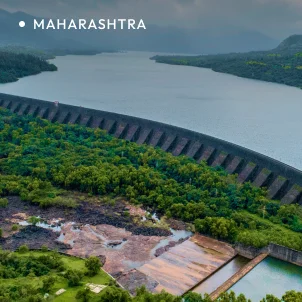
Bhira Hydroelectric Project
150 MW | Maharashtra, India India’s first pumped storage hydropower station, delivering energy storage and peak demand support for the grid
LEARN MORE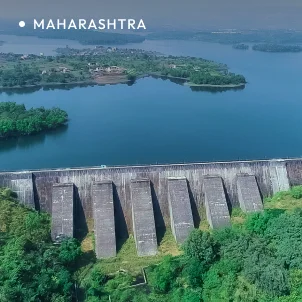
Bhivpuri Hydro Power Plant
75 MW | Maharashtra, India An early hydro power station drawing water from the Thokerwadi Dam to supply steady regional generation
LEARN MORE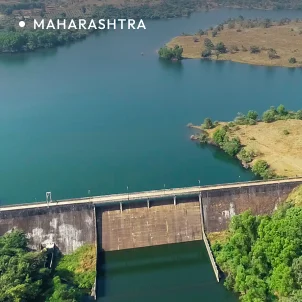
Khopoli Hydro Energy Generation Project
72 MW | Maharashtra, India Commissioned in 1915, one of India’s oldest hydro plants and Tata Group’s first power project
LEARN MORE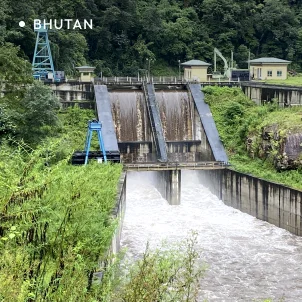
Dagachhu Hydro Power Project (DHPC)
126 MW | Dagachhu, Bhutan A run-of-the-river hydro project delivering clean power through cross-border renewable cooperation
LEARN MORE
Sustainable is attainable
Do you know? The blue-finned Mahseer fish, once declared endangered, has been moved to low concern by IUCN thanks to the Mahseer Conservation Drive, led by us at Lonavala, Pune, for more than 50 years
Innovation in hydro power for a sustainable future
Hydro power continues to deliver efficient, clean energy, and Tata Power is advancing this foundation through innovation in hydro technologies. By improving plant efficiency, modernising equipment, and strengthening system controls, these innovations help increase output while reducing environmental impact.
This continued focus on innovation supports a cleaner energy future and strengthens hydro power’s role in a reliable, low-carbon electricity system.

Pumped storage facilities
Our smart storage techniques are eco-friendly, flexible, and offer great economic value. The process involves using surplus energy to pump water into a higher reservoir, which then flows back into the lower section, generating electricity by moving turbines during periods of high demand

Floating solar
Our hydro projects use four major dams, which have a combined floating solar potential of 750 MW. These floating solar projects help reduce water evaporation and increase the efficiency of solar panels due to the cooling effect of the water

Dyke wall construction
These constructions ensure durability and effective flood control, protecting surrounding areas from water-related damage. Our project in Mulshi has witnessed an increase in water levels by 1 meter, increasing its storage capacity by 48 million m3 to generate an additional 283.29 MUs of power

Risk management
We are continuously integrating advanced technologies to protect our personnel and equipment. Some of these initiatives include the implementation of self-operated emergency personal rescue devices and the use of plug-and-play fire detection systems

Remotely operated vehicles (ROVs)
Used to access and inspect underwater environments safely, our initiative at the Bhira plant helped us evaluate the conditions of water-filled tunnels, saving 172 days of outage with an incentive of ₹10 Cr

Digital innovations
From real-time data visualization and streamlined resource management to enhanced system monitoring with Power BI Dashboards, Control System Monitoring (CSM), and more, our advancements are improving efficiency, safety, and saving costs
Empowering communities
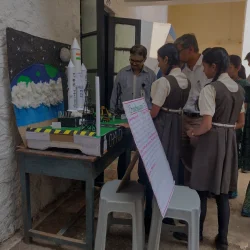

Tata Vidyalaya Bhira (TVB) offers quality education to 320 children of employees and the community with 30 dedicated staff members


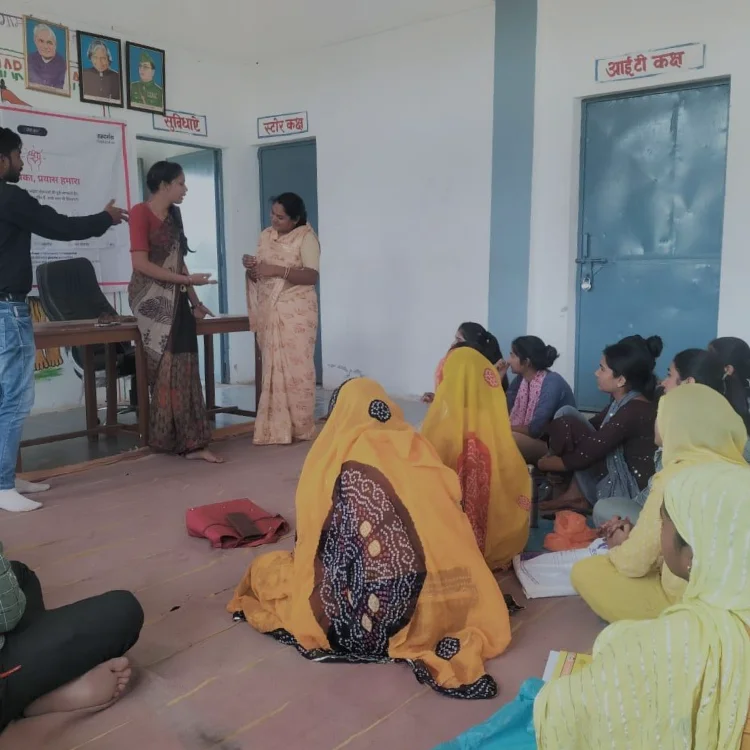
Establishing Dhaaga centers to support underprivileged women, train rural women, and implement educational schemes
Empowering youth, women, and others to generate their livelihood income generation via skill development


Awards and recognition for hydro excellence
Tata Power’s hydro portfolio is widely recognized for operational excellence, safety, and environmental responsibility. These industry awards reflect the company’s leadership in delivering reliable, efficient, and responsible hydro power in India
Winner - “Outstanding Renewable Energy Producer – Hydro”
4th Indian Green Energy Awards (IFGE) Awards 2024

Silver Award in the MUDA category to reduce Oil leakage over BPSU
9th CII National 3M Competition 2021

Gold as the Corporate Social Crusader of the Year for “50 years of Act for Mahseer”
Olive Crown Awards by IAA

Gold Award in “Restorative Category” for Khopoli
CII National 3M Competition 2021

Gold Award for “50 years of Act for Mahseer” – Best CSR Campaign
Afaqs Marketer’s Excellence Awards 2022

Gold Award in the Restorative Category
42nd CII National Kai-Zen Competition 2022

Platinum Winners
14th CII National 3M Competition

Gold Award for two teams
International QC Competitions. Jakarta 2022

Contact us
Contact Information
Investor Complaints
Contact Person : Mr Angshuman Chakrabarti
: Ms Mona Purandare
Email : cs-mpl@tatapower.com