


 Contact us


What is a battery?
A battery is a device that stores chemical energy and converts it into electrical energy when needed. It provides power to operate a wide range of devices—from small electronics to electric vehicles and large-scale energy storage systems.
In simple terms, a battery means a portable source of electricity that can supply power on demand. A battery typically contains electrodes (anode and cathode) and an electrolyte that work together to create an electric current.
Importance of batteries
The importance of batteries lies in their ability to provide portable and reliable power across everyday life and modern industries. Batteries enable energy storage, which is essential for integrating solar and wind power, powering electric vehicles, and ensuring electricity availability during outages. They reduce reliance on fossil fuels, support clean energy adoption, and play a critical role in digital infrastructure, healthcare devices, and backup power systems. Batteries are therefore central to building a more reliable, efficient, and sustainable energy future.
How does a battery work?
A battery works through an electrochemical reaction. Chemical reactions inside the battery release electrons, which move from the anode (negative terminal) to the cathode (positive terminal) through an external circuit. This flow of electrons creates electricity that powers devices.
In rechargeable batteries such as lithium-ion batteries, the chemical reaction can be reversed by supplying electricity, allowing the battery to be charged and reused.
Uses of batteries
Common uses of batteries include:
- Powering mobile phones, laptops, and electronic devices
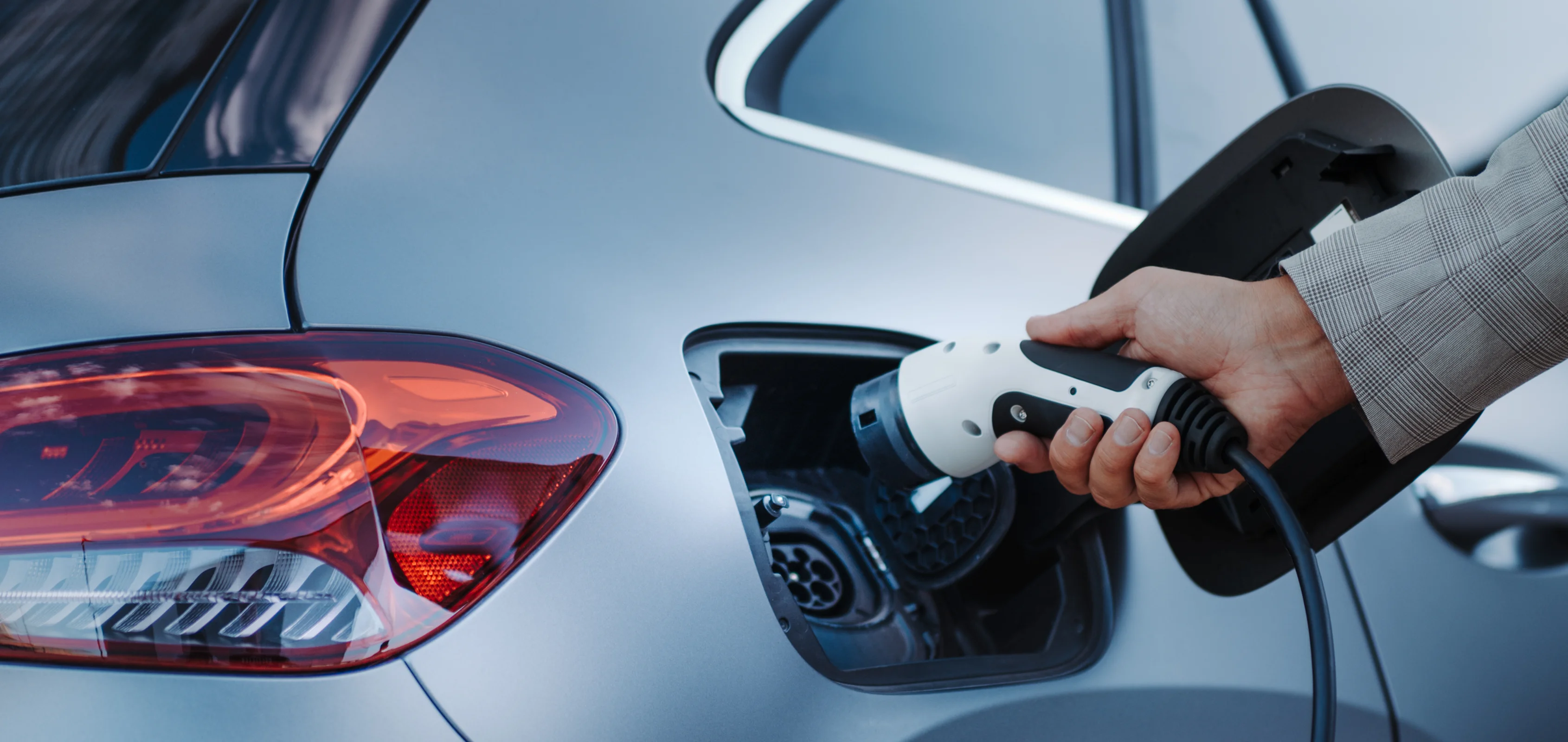
- Running electric vehicles such as cars and scooters
- Storing solar energy in home battery backup systems
- Supporting commercial and industrial energy storage systems
- Providing UPS power for computers and data centres
- Operating medical devices and portable equipment
Examples of batteries
Some practical examples of batteries are:
- Lithium-ion batteries used in smartphones and EVs
- Lead-acid batteries used in cars and home inverters
- Solar storage batteries used for residential and commercial backup
- Nickel-metal hydride batteries used in hybrid vehicles
- Grid-scale battery storage used by utilities