


 Contact us


Sections
- Introduction
- How to calculate EV charging time?
- How long does it take to charge an electric car?
- Time to charge different EVs: A comparison
- Factors affecting EV charging time
- How fast are different EV chargers?
- India's most popular EVs and their charging times
- Charging your car the right way
- Bottomline
Introduction
How long does it take to charge an electric car? Add to that, what decides the EV charging time? Charging an EV isn't as quick as filling a fuel tank. It can take anywhere from 30 minutes to more than 12 hours. The time depends on the size of the battery, the type of charger, and how much charge is already left in the battery. This is exactly where many EV owners feel a little stuck. The numbers vary and the answers are not always simple. Whether you drive a compact electric scooter, a sleek four-wheeler, or you're thinking about getting your first EV, understanding how charging works is a big part of the journey.
With this blog, let’s dive into how to calculate VE charging time, what affects charging speed, and what it means for you.
How to calculate EV charging time
Calculating EV charging time becomes straightforward when you look beyond just the battery size and charger rating. Factors like current charge level, charging speed limits, and real driving conditions all play a role. Understanding these helps you plan charging stops better and use your EV more efficiently every day.
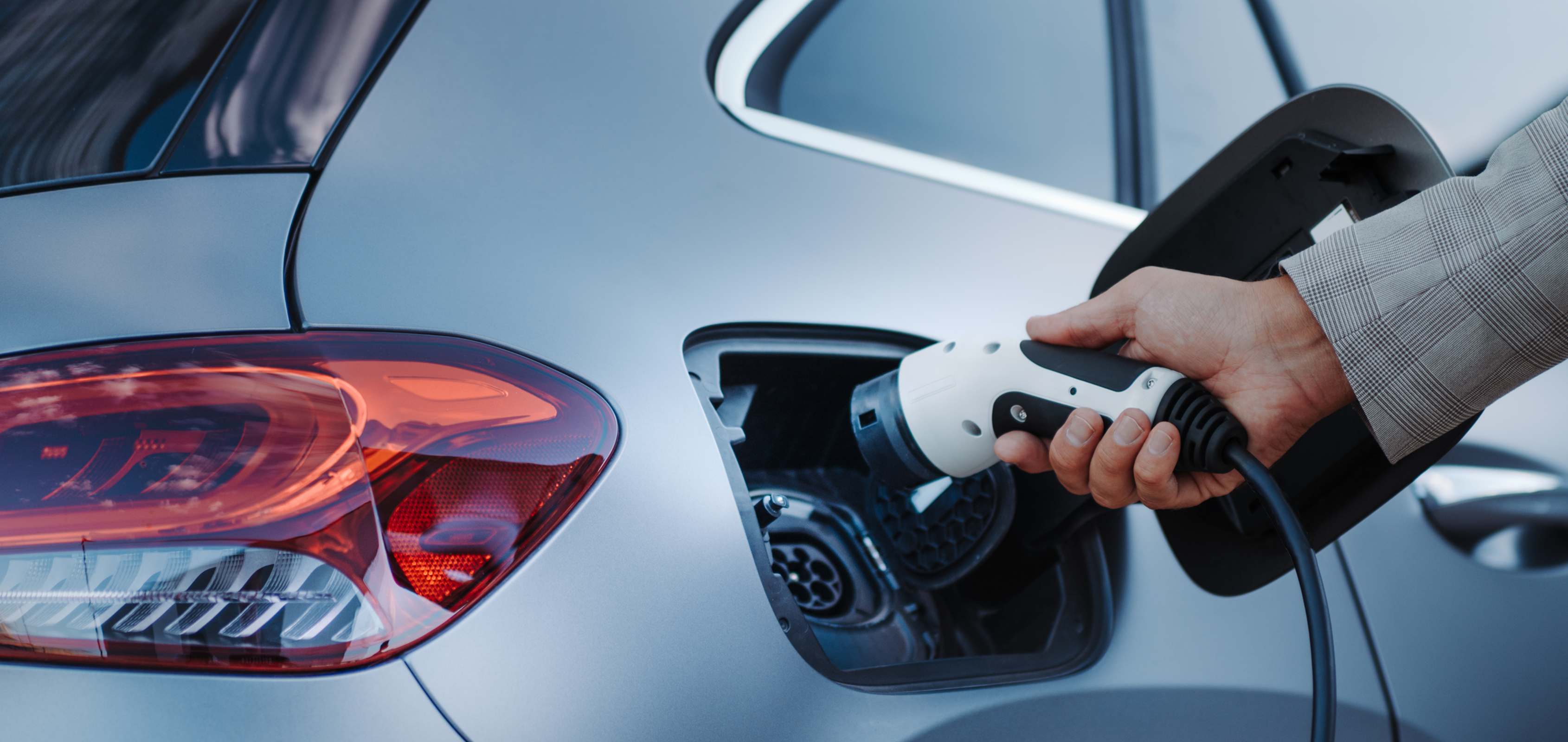
How long does it take to charge an electric car at a charging station?
Understanding how long it takes to charge your electric vehicle is one of the most common questions among EV users. Charging times vary depending on where you plug in, the charger’s power output, and your vehicle’s battery size. At home, using a standard 15-amp socket, a full charge can take anywhere from 8 to 15 hours, making overnight charging a convenient option for daily use. Public charging stations often provide faster options. Level 2 chargers, typically found in shopping centers or workplaces, can recharge your car in 4 to 8 hours, while DC fast chargers at highway stations can deliver an 80% charge in as little as 30 to 60 minutes.
Many EV drivers also use top-up charging during the day to maintain battery levels between longer trips. This flexible approach allows you to extend your range without waiting for a full charge. Knowing the right charging method for your needs and understanding different charging speeds can help you plan trips efficiently and make the most of your EV’s capabilities.
Time to charge different EVs in India: A comparison
Whether you ride a zippy two-wheeler, drive a city-friendly four-wheeler, or manage a fleet, charging times can vary quite a bit. Understanding EV charging time in India is crucial to make the most of your vehicle. Charging times can vary widely depending on the vehicle type, battery capacity, and charger power. This EV charging time comparison will help you find the right charger and set realistic expectations for charging your EV in everyday Indian conditions.
To help you understand EV charging time in India, here’s a simple breakdown of how long it typically takes to power up different types of EVs in India, at home or on the go.
EV Category
|
Approx. Battery Size (kWh)
|
Home Charging Time (AC, 2.3–7.2 kW)
|
Fast Charging Time (DC, 30–150+ kW)
|
Real-World Examples
|
Two-wheelers
|
2.5 – 4
|
4 – 6 hours
|
60 – 75 km range added in 15 minutes (select networks)
|
Ola S1, Ather 450X
|
Three-wheelers
|
6 – 9
|
3.5 – 5 hours
|
0 – 100% in 15 – 30 minutes (rapid DC charging)
|
Mahindra Treo, Bajaj RE EV
|
Four-wheelers (Mid-Range)
|
25 – 45
|
6 – 15 hours
|
0 – 80% in 50 – 65 minutes
|
Tata Nexon EV, MG ZS EV
|
Four-wheelers (Premium)
|
60 – 110+
|
5 – 8 hours (with 11–22 kW wall box)
|
10 – 80% in 30 – 45 minutes
|
Jaguar I-PACE, Mercedes EQC
|
Commercial EVs / Fleets
|
30 – 75+
|
6 – 12 hours
|
20 – 80% in 20 – 60 minutes
|
Tata Ace EV, Ashok Leyland eComet
|
What are the factors affecting EV charging time in India?
If you’re wondering why the EV charging time for your vehicle sometimes varies or why some EVs seem to charge quicker than others, it’s because several things come into play. Did you know not performing proper maintenance of your EV battery can reduce its lifespan?
Knowing these factors can help you plan your charging stops better and avoid surprises on the road.
When you use an EV charging time calculator, knowing your battery size, charger power, and the current state of charge makes your estimate more accurate. Also, if you’re planning a trip or charging stop in India, considering weather and load sharing can save you time and frustration.
EV Charger Types in India: Level 1, Level 2, and DC Fast Charging Explained
Not all EV chargers are the same. Some are ideal for overnight charging at home, while others can power up your car during a quick chai break. In India, EV chargers are broadly classified into three levels based on how fast they charge your vehicle:
Level 1 charger (Slow charging)
This is the most basic form of EV charging. It uses the same 15A, 230V plug you use for a geyser or washing machine. The power output is usually between 2 to 3.5 kW.
- Suitable for overnight charging at home
- Takes 8 to 12 hours to fully charge an EV
- Ideal for two-wheelers, three-wheelers, or plug-in hybrid electric vehicles (PHEVs)
- Convenient but slow, best for daily top-ups or low-usage vehicles
- Common in homes across Indian cities like Pune, Jaipur, and Kochi, where overnight charging is the norm.
Level 2 charger (Fast charging)
Level 2 chargers are more powerful and much faster than Level 1. These operate between 7 and 22 kW using 240V AC.
- Can fully charge most EVs in 3 to 6 hours
- PHEVs can be charged in just 1 to 2 hours
- Common at public parking areas, malls, office buildings, and even homes with dedicated wall-mounted units
- Ideal for users with higher daily driving range
- Widely installed in metro cities like Bengaluru, Delhi NCR, and Mumbai. Popular locations include DLF Cyber Hub in Gurugram, Phoenix Marketcity in Mumbai, and office complexes like Manyata Tech Park in Bengaluru.
Level 3 charger (Rapid charging or DC fast charging)
These are high-speed chargers using direct current (DC), usually delivering between 50 kW and 350 kW. They bypass the vehicle’s onboard AC-to-DC converter and deliver power directly to the battery.
- Charges up to 80 percent in 20 to 60 minutes, depending on battery size and charger output
- Mostly found on highways, petrol pumps, or commercial EV charging station franchises
- Not typically installed at homes due to their high voltage requirements and cost
- Essential for long-distance drivers or fleet vehicles that can’t afford downtime
- Key locations include highway toll plazas like the Mumbai-Pune Expressway, Reliance petrol pumps with EV charging in Gujarat and Maharashtra, and commercial charging hubs in cities such as Hyderabad and Chennai.
Each type of charger has a role to play depending on your driving habits, your vehicle, and where you plan to charge it. If you mostly drive within city limits, a Level 1 or Level 2 charger might work perfectly. But if you're frequently taking longer trips, or if you operate a fleet, DC fast charging can save you significant time.
Understanding charger types helps you better plan your routes, estimate EV charging time more accurately, and pick the right setup for your home or business.
Government Guidelines and Standards for EV charging in India
To make EV adoption easier across India, the Ministry of Power released revised guidelines for EV charging infrastructure on 14th January 2022. Here’s what you need to know:
- Setting up a public EV charger does not require a license, as long as it follows safety and technical standards
- There should be at least one public charging station every 3 km by 3 km in cities and every 25 km on highways
- Fast chargers (DC) are recommended every 100 km along major roads
- Electricity tariffs for public charging are capped at affordable levels to encourage more users
- Public charging points must support digital payments and provide discounts during solar power generation hours
- These rules are designed to make charging stations more accessible, reliable, and affordable for all types of EV users.
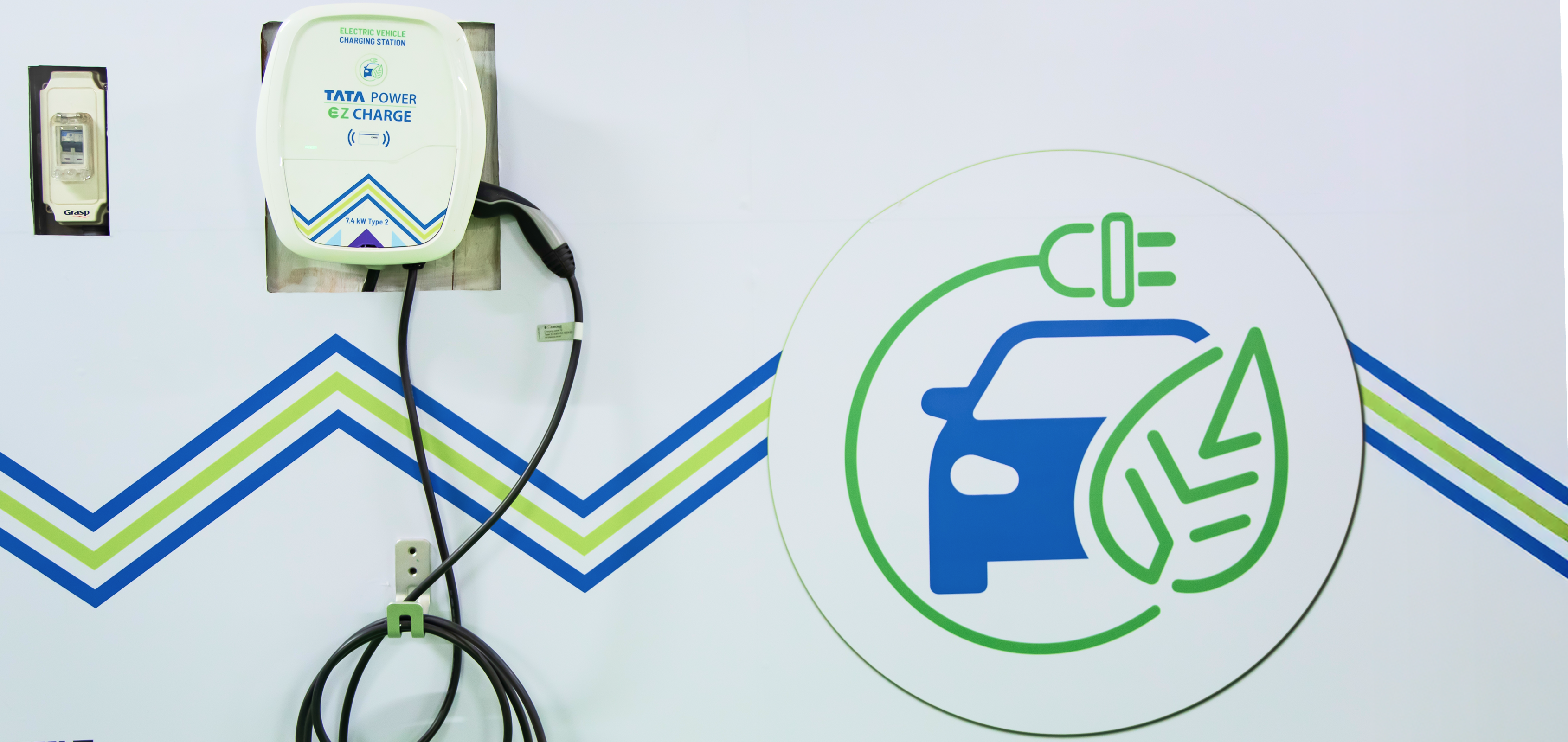
India’s most popular EVs and their charging times
Electric vehicles are changing the way you drive in India, but knowing how long your EV takes to charge can make all the difference. Whether you’re planning your next trip or daily commute, understanding charging times helps you stay on the move without delays. Let’s explore some popular EVs and how quickly you can power them up:
Tata Nexon EV Prime (30.2 kWh)
- Home charging (2.3–3.3 kW plug): 8 to 9 hours
- Fast AC (7 kW): Around 4.3 hours
- DC fast charger (50 kW): 0 to 80 percent in about 56 minutes
This model offers dependable performance and practical time to charge EV, making it perfect for overnight home charging.
Tata Nexon EV Max (40.5 kWh)
- Home plug (3.3 kW): About 15 hours
- Fast AC (7.2 kW): Approximately 6.5 hours
- DC fast charger (50 kW CCS2): 0 to 80 percent in about 56 minutes
With its longer range and similar EV charging time, it’s ideal for longer trips without losing charging convenience.
Tata Tigor EV (26 kWh)
- Home plug: About 8 hours 45 minutes
- DC fast charger (65 kW): Around 65 minutes
A compact sedan that still offers strong EV charging performance for city use.
Tata Harrier EV (65–75 kWh, launching 2025)
- Supports 120 kW DC fast charging
- Estimated 0 to 80 percent in around 30 minutes
Tata Motors’s flagship EV is expected to deliver competitive EV battery charging time for long-distance travel.
Premium Picks
Jaguar I-PACE (90 kWh)
- Home AC (7.4 kW charger): Around 12.5 hours
- DC fast charger (100 kW): 10 to 80 percent in around 40 minutes
Jaguar’s luxury electric SUV offers a strong combination of performance and range, supported by Tata Power’s fast-charging network for quick top-ups on the go.
Land Rover Range Rover EV (estimated 90 kWh)
- Home AC (11 kW charger): Around 8 hours (estimated)
- DC fast charger (100 kW): 10 to 80 percent in around 40 minutes (estimated)
Land Rover’s upcoming electric Range Rover model will leverage Tata Power’s EZ Charge network for reliable home and public charging solutions, supporting premium EV lifestyles.
MG ZS EV (44.5 kWh)
- Home AC (7.4 kW charger): Around 6.5 hours
- DC fast charger (50 kW): 10 to 80 percent in around 50 minutes
MG’s popular electric SUV combines urban practicality with Tata Power’s extensive charging infrastructure for convenient and accessible EV ownership.
Model
|
Battery (kWh)
|
Home AC
|
Fast AC
|
DC Fast (0 to 80 percent)
|
Nexon EV Prime
|
30.2
|
8 to 9 hours
|
Around 4.3 hours
|
About 56 minutes
|
Nexon EV Max
|
40.5
|
15 hours
|
6.5 hours
|
About 56 minutes
|
Tigor EV
|
26
|
8.75 hours
|
–
|
Around 65 minutes
|
Harrier EV (2025)
|
65–75
|
NA
|
NA
|
Around 30 minutes (est.)
|
Jaguar I-PACE
|
90
|
Around 12.5 hours
|
–
|
Around 40 minutes
|
Land Rover Range Rover EV (est.)
|
90 (est.)
|
Around 8 hours (est.)
|
–
|
Around 40 minutes (est.)
|
MG ZS EV
|
44.5
|
Around 6.5 hours
|
–
|
Around 50 minutes
|
Charging your car the right way
Reducing EV charging time often comes down to small, practical choices. Using the right charger, maintaining optimal battery levels, and avoiding frequent full charges can make a noticeable difference. Planning charging around daily routines and favourable conditions helps improve efficiency, saving both time and energy without changing how you drive.
Bottomline
As electric vehicles become a vital part of the future of mobility, proper battery care and smart charging choices are essential to getting the most out of your EV. Maintaining your battery with thoughtful habits, like avoiding full charges and parking in the shade, combined with using trusted charging networks, ensures your vehicle remains reliable and efficient for years to come. Tata Power’s EZ CHARGE offers a comprehensive, dependable charging infrastructure backed by decades of experience, making it easier than ever to keep your EV powered wherever you go. Choose wisely, charge confidently, and drive into a cleaner, greener tomorrow.
Frequently asked questions
The frequently asked questions section is a reliable source for unlocking answers to some of the most crucial inquiries. Please refer to this section for any queries you may have.
- FAQ
EVgo chargers vary from 50 kW to 350 kW. Charging time ranges from 15 minutes (for an 80% charge on a high-power charger) to about an hour depending on the vehicle and charger.
EVs with larger batteries and support for high-power DC fast charging, like the BMW iX and Tesla Model 3, charge the fastest, reaching 80% in 20 to 40 minutes.
A fully charged EV typically lasts between 150 to 700 kilometers depending on battery capacity, driving conditions, and vehicle efficiency.
The Tata Nexon EV Max offers an estimated range close to 437 km, but no widely available EV in India currently offers a 700 km range.
A 120 kW DC fast charger can charge an EV from 10% to 80% in roughly 20 to 40 minutes depending on the vehicle’s battery size and charging capacity.
Charging time (hours) = Battery capacity (kWh) ÷ Charger power (kW) × Efficiency factor (usually 0.85 to 1).
Home charging with a Level 2 charger (7-22 kW) typically takes 5 to 12 hours for a full charge depending on battery size.
Top up charging means adding small amounts of charge regularly instead of fully charging from empty, which helps maintain battery health.
The BMW iX and Mercedes EQC charge fastest in India with high-power onboard chargers and fast DC charging support.
Using higher power DC fast chargers and vehicles with fast charging compatibility reduces EV charging time the most.
Daily DC fast charging is not recommended as it can degrade battery health over time; it’s best used occasionally or on long trips.
Level 1 charging uses a standard 120V household outlet and provides the slowest charge, typically adding about 5 km of range per hour.
Level 2 chargers run on 240V and deliver 7 to 22 kW, charging most EVs fully in 4 to 12 hours.
In India, DC fast charging refers to charging stations delivering 50 kW or more power directly to the battery, enabling rapid charging compared to AC chargers.


Keep reading...
View all