


 Contact us


What is EV charging
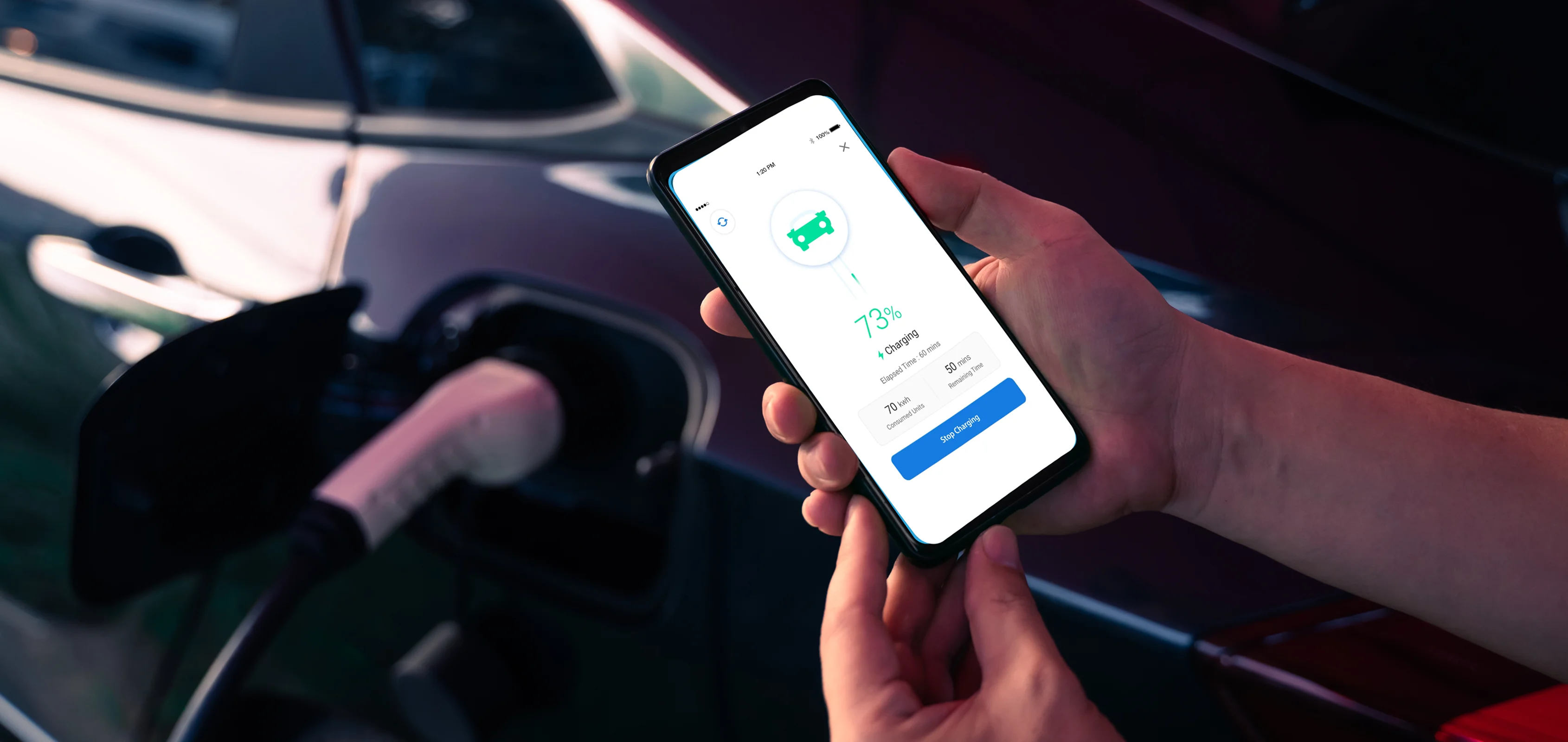
EV charging is the process of supplying electric energy to recharge the batteries of electric vehicles (EVs) using charging stations or home chargers. It is the EV equivalent of refueling, enabling clean, emission-free transportation.
In simple terms, EV charging means plugging in an electric vehicle to refill its battery with electricity.
Importance of EV charging
The importance of EV charging lies in enabling clean and sustainable mobility. It reduces reliance on fossil fuels, cuts greenhouse gas emissions, and supports the transition to renewable energy. Widespread EV charging infrastructure improves accessibility, lowers operational costs, and promotes energy independence, making it a key part of decarbonizing the transport sector.
Uses of EV charging
Common uses of EV charging include:
- Powering electric vehicles for daily commuting
- Supporting commercial EV fleets and logistics
- Enabling long-distance travel through highway fast-charging stations
- Integrating renewable sources like solar into EV charging setups
- Reducing fuel costs through efficient, at-home charging options
Examples of EV charging
Some practical examples of EV charging are:
- Home EV chargers allowing overnight charging with domestic electricity
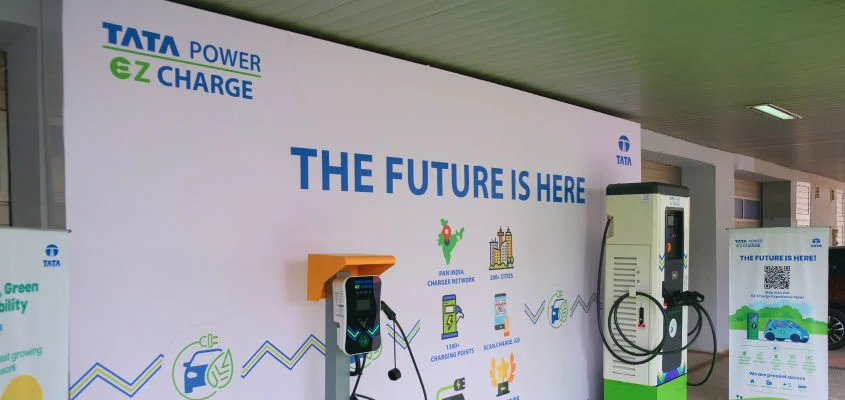
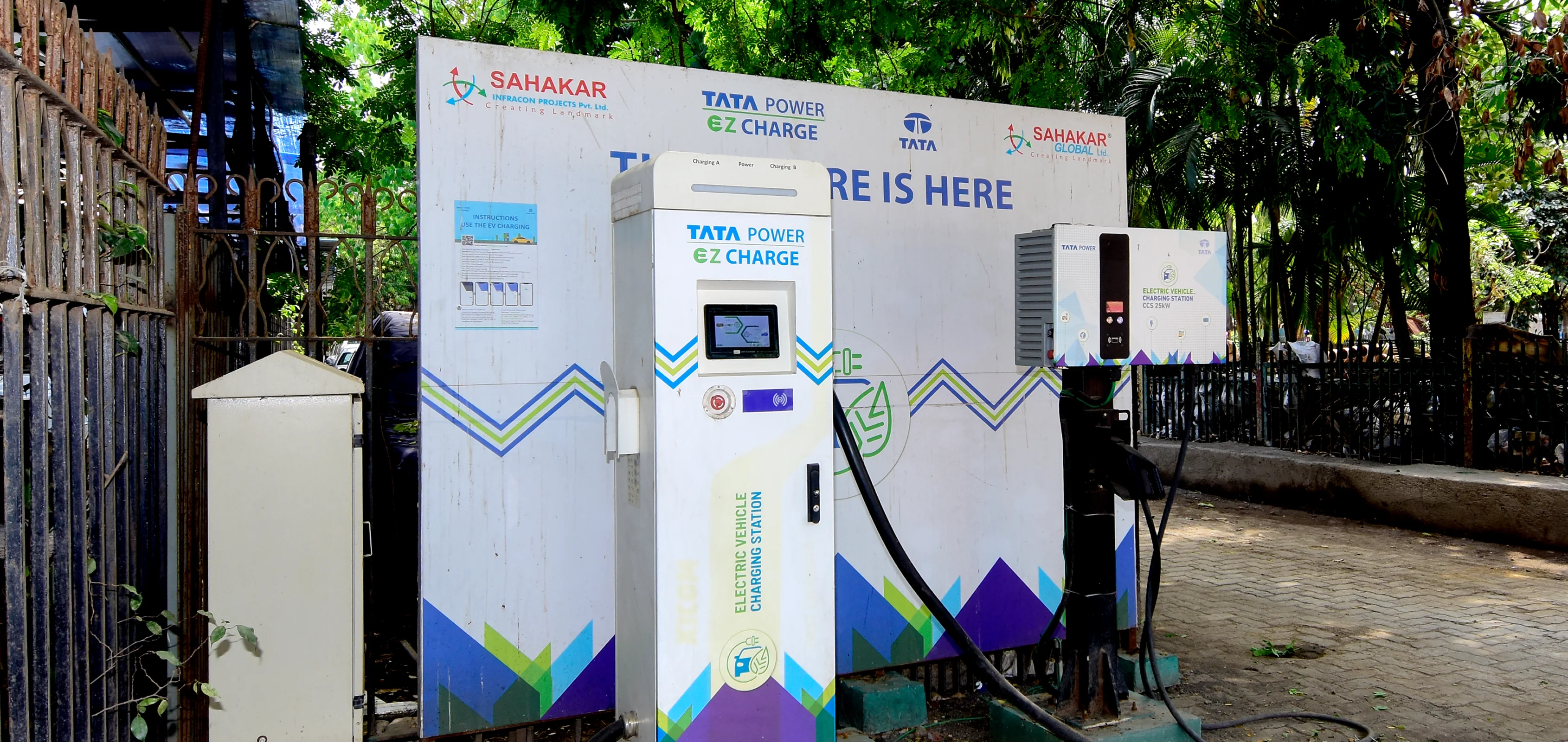
- Public fast-charging stations located at shopping centers and highway stops
- Solar-powered EV charging stations enabling clean energy use
- Workplace chargers supporting employee EV use during office hours
- Fleet charging hubs for electric delivery vans and public transport buses
- Portable EV chargers providing emergency backup power for vehicles
Related Terms
Blogs
READ MORE