


 Contact us


What is grid electricity?
Grid electricity also known as the power grid, refers to the power that is delivered from power plants to homes and businesses via a large, interconnected network. The network includes high-voltage transmission lines, substations, and local distribution lines ensuring reliable access of electricity across regions. Most of our modern life runs on electricity, hence utility companies and energy suppliers are constantly working on protecting the grid and making it more resilient to meet the rising demands.
Importance of grid electricity
Grid power supply is important for several reasons, and below are a few:
- They are a reliable source of power ensuring a steady and continuous supply of electricity
- By connecting multiple power sources to one network, the grid enables efficient transmission of electricity across vast distances and regions
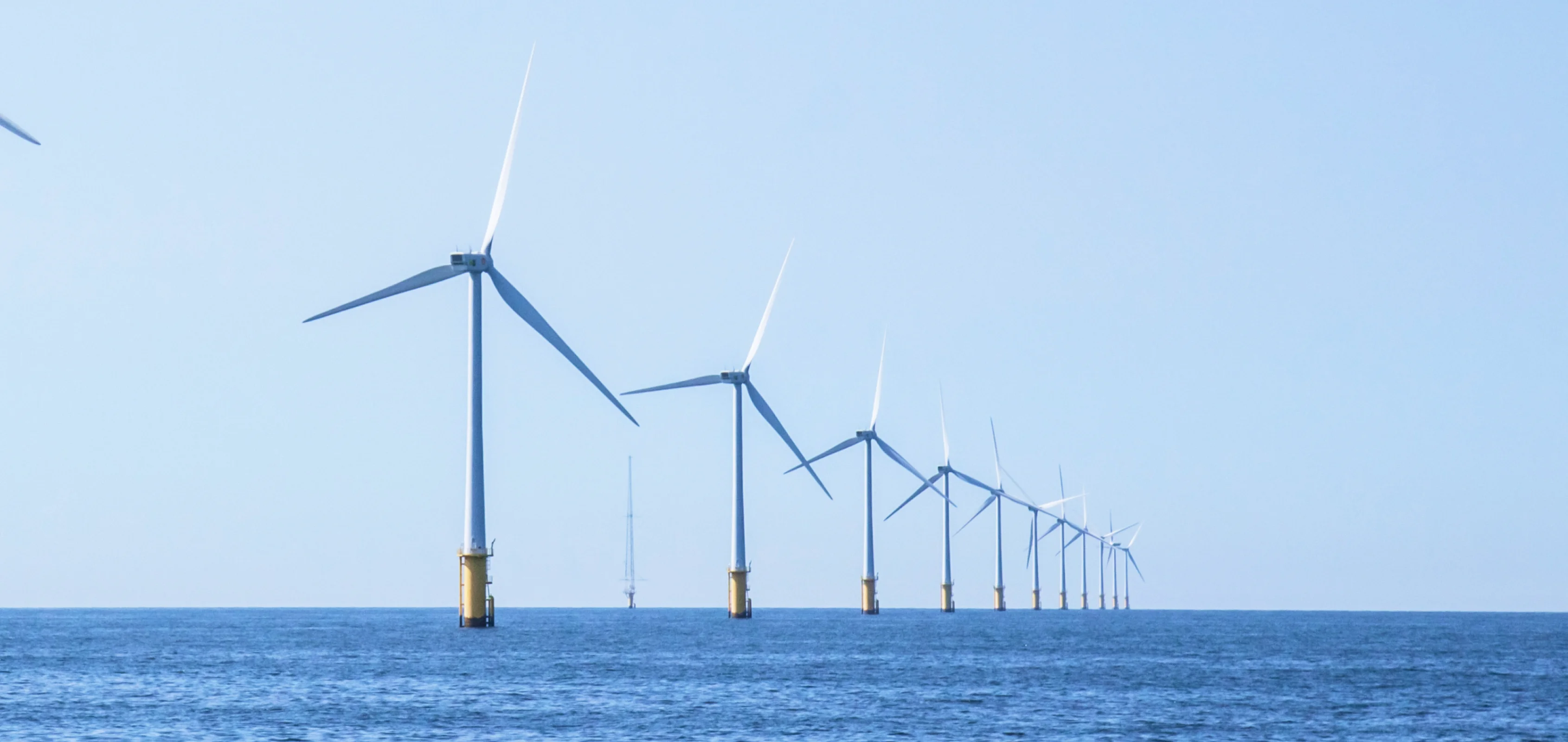
- Modern grids can help balance demand by integrating renewable energy sources such as solar, wind, and hydro power
- Grid interconnections also allow power sharing between regions, reducing the risk of blackouts and improving national energy resilience.
Uses of grid electricity
Although, it is well known, grid electricity powers our life, here are some critical uses:
- Powering lighting, fans, air conditioning, heating, kitchen appliances, and electronics for homes
- Keeping computers, lighting, air conditioning, lifts, and other essential systems running smoothly for offices
- Driving heavy machinery, production lines, and automation systems for various industries
- Supporting street light, metro systems, hospitals, schools, government buildings and other public utilities
- Enabling telecom towers, data centres, and digital networks to operate continuously
Example of grid electricity
Ever wondered, when you charge your phone, or run your washing machine, or switch on a factory line where does the power come from? The power you end up using comes from the grid.