


 Contact us


What is transmission and distribution
Transmission and distribution (T&D) are the two key stages in delivering electricity from power plants to consumers. Transmission moves high-voltage electricity over long distances from power plants to substations. Distribution takes the electricity from substations, lowers the voltage to safer levels, and delivers it to homes, businesses, and industries.
In simple terms, transmission and distribution means moving electricity from where it’s produced to where it’s used.
Importance of transmission and distribution
Transmission and distribution are important because they ensure electricity is delivered reliably and efficiently to end-users. They reduce energy losses, support integration of renewable energy, maintain grid stability, and help expand electricity access. Effective T&D systems are essential for powering communities, industries, and supporting economic growth.
Uses of transmission and distribution
Common uses of transmission and distribution include:
- Transporting electricity from power plants to cities and towns
- Connecting renewable energy sources like wind farms and solar plants to the grid
- Reducing voltage for safe use by consumers
- Supporting residential, commercial, and industrial energy needs
- Enabling smart grid technologies for better energy management
Examples of transmission and distribution
Some practical examples of transmission and distribution are:
- High-voltage transmission lines carrying power across regions
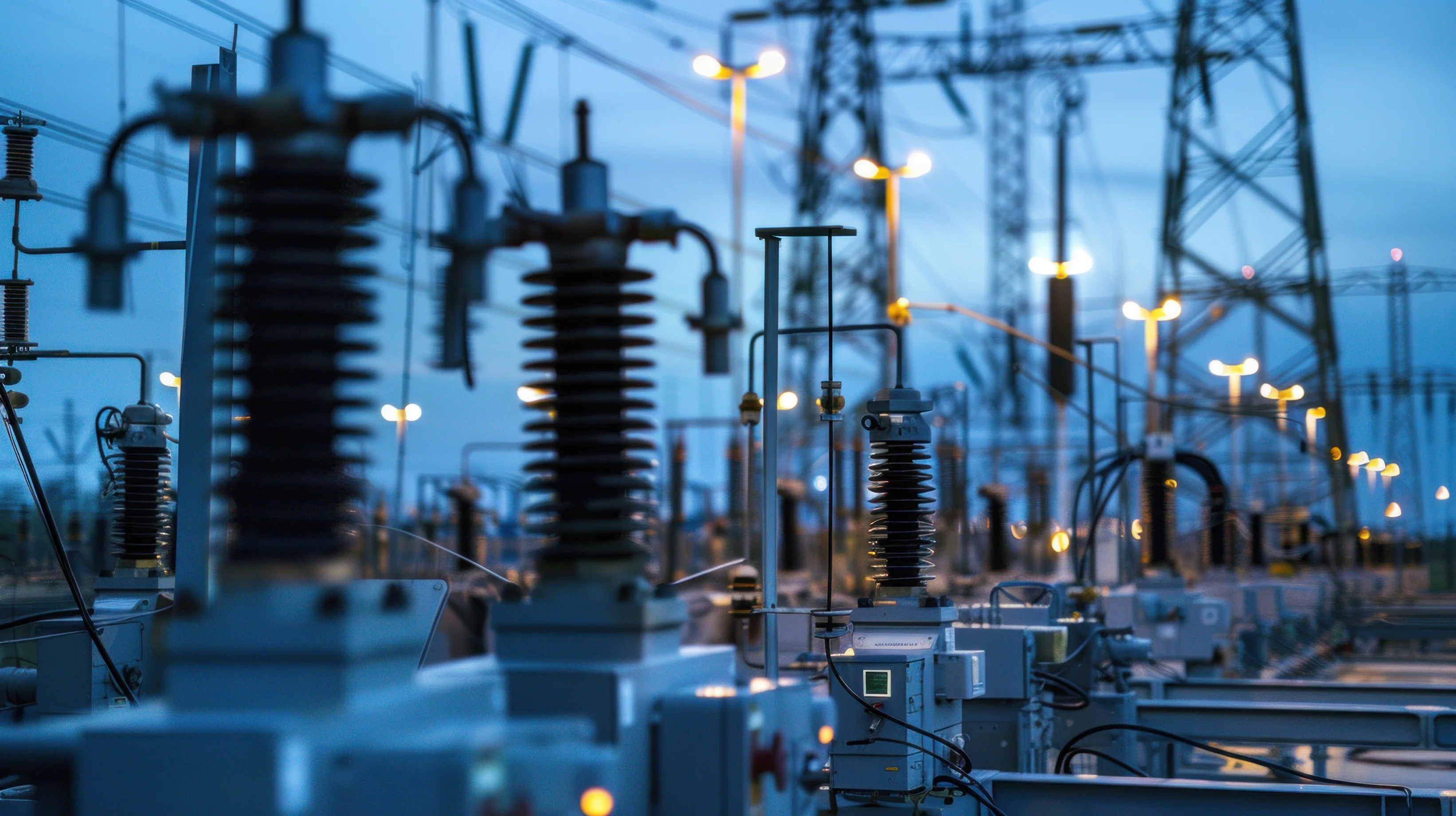
- Substations stepping down voltage for safe distribution
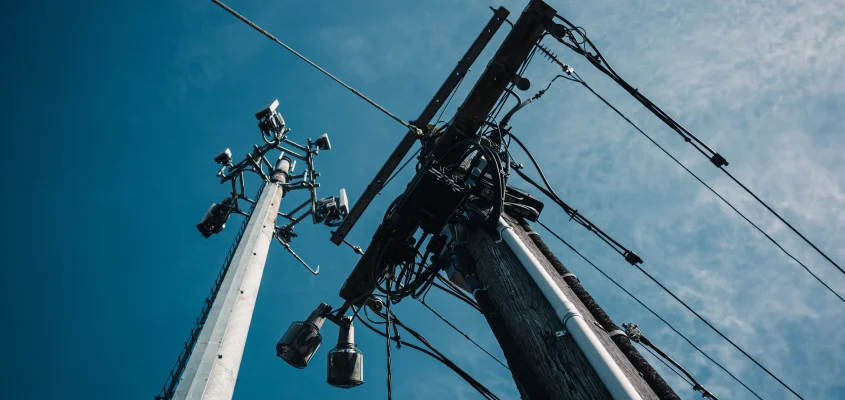
- Distribution poles and wires delivering electricity to homes
- Underground cables supplying electricity in urban areas
- Smart meters monitoring energy use in real time
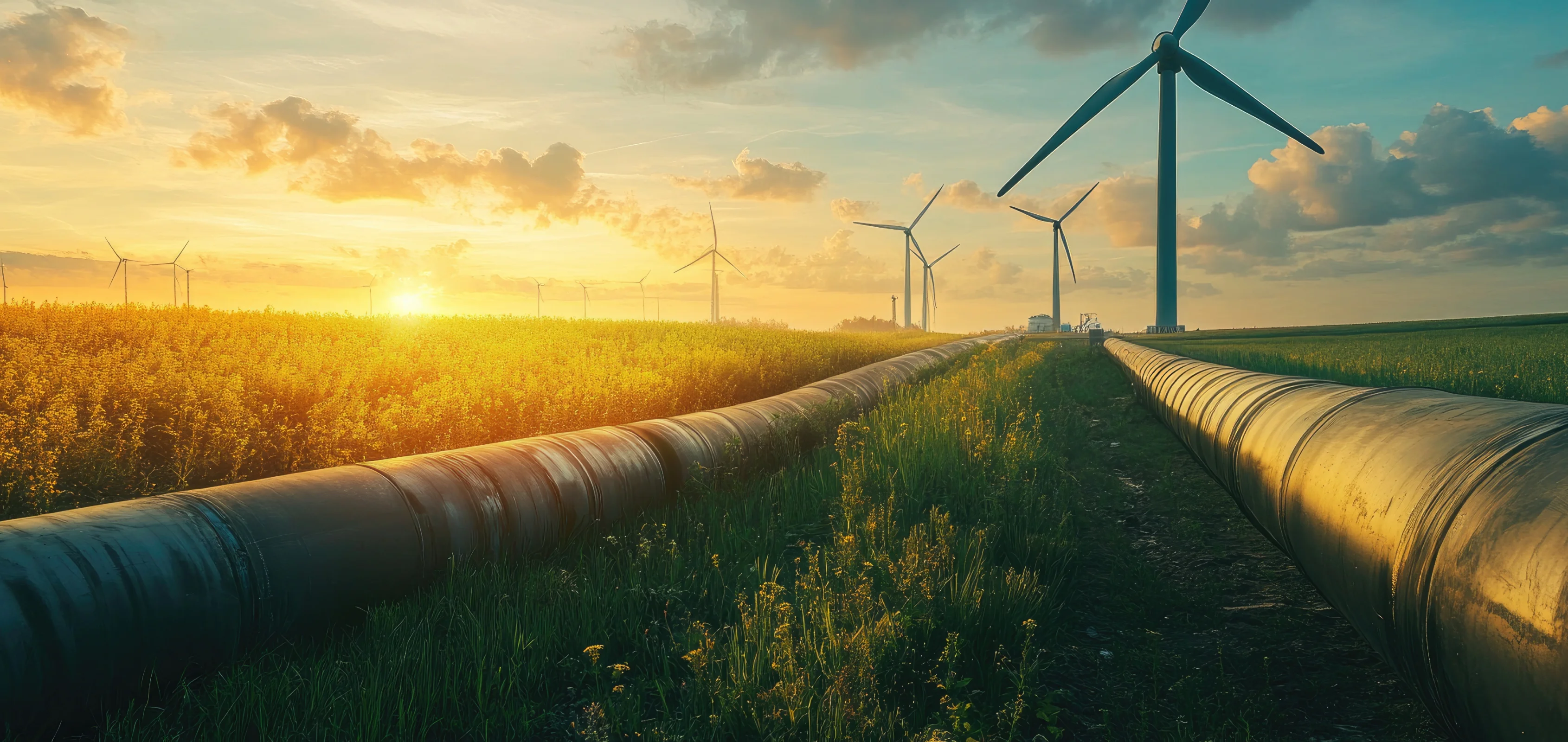
- Grid connections integrating hydropower and wind energy into local networks
Related Terms
Blogs
READ MORE