


 Contact us


What is a Plug-In Hybrid Electric Vehicle?
A Plug-In Hybrid Electric Vehicle (PHEV) combines an internal combustion engine with an electric motor and rechargeable battery. Unlike a conventional hybrid, a PHEV can be charged using an external power source and can use electric power, engine power, or both, depending on the vehicle and driving conditions.
In simple terms, PHEV refers to a hybrid vehicle that can be plugged in to charge its battery and use electric power for shorter journeys, while its fuel-powered engine provides additional range when needed.
Importance of PHEVs
The importance of PHEVs lies in their flexibility. They allow drivers to use electric power for shorter journeys while retaining a combustion engine for longer trips. When regularly charged and driven in electric mode, a PHEV can also reduce fuel consumption and tailpipe emissions compared with a conventional vehicle.
For drivers who want to adopt electric driving but still need the flexibility of a fuel-powered engine, a PHEV can offer a middle ground between a conventional vehicle and a fully electric vehicle.
Uses of PHEVs
Common uses of a plug-in hybrid car include:
- Daily commuting and short urban journeys using electric power
- Longer-distance travel using the combustion engine when required
- Reducing fuel consumption through regular electric driving
- Combining electric and engine power for different driving conditions
- Supporting the transition from conventional vehicles to electric mobility
- Fleet applications where vehicles require both electric driving and extended range
Examples of PHEVs
Some practical examples of Plug-In Hybrid Electric Vehicles include:
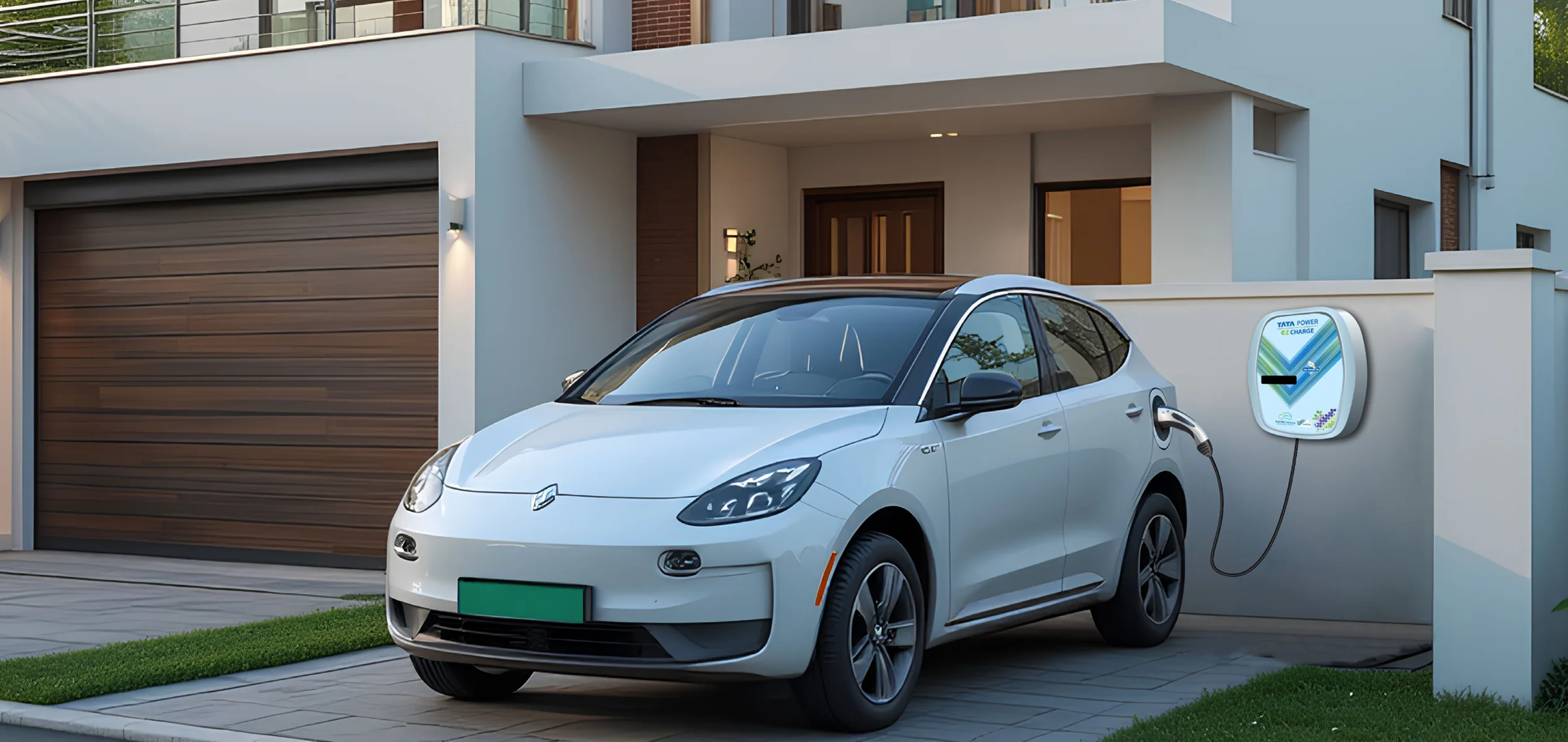
- A driver charging their PHEV overnight and using electric power for the daily commute.
- A PHEV using electric mode for short city trips and its combustion engine for longer journeys.
- A driver using a combination of the electric motor and engine during highway travel.
- A fleet using PHEVs for local operations while retaining fuel-powered range for longer routes.
Related Terms
Blogs
READ MORE