


 Contact us
Understanding EV charging the easy way


Sections
- Introduction
- What is EV charging?
- Understanding the fundamentals of EV charging
- Why charging speed shapes the EV experience
- AC vs DC charging: What should EV owners choose
- The truth about EV charging in everyday use
- Smart ways to protect and extend your EV’s battery life
- Why EV charging is essential for housing societies
- Optimizing your EV charging session
- How long do India’s most popular EVs take to charge?
- Your roadmap to building an EV charging franchise in India
- How can Workplace EV charging power India’s EV future?
- Powering a connected and convenient EV future
- Bottomline
- FAQs
Introduction
The guide also explores charging at homes, housing societies, highways, and public locations, while offering practical insights for EV owners. Along with information for resident communities, and those exploring charging infrastructure as an opportunity. This clear and informed view on charging decisions can improve convenience, reliability, and long-term value in India’s evolving electric mobility ecosystem.
What is EV charging?
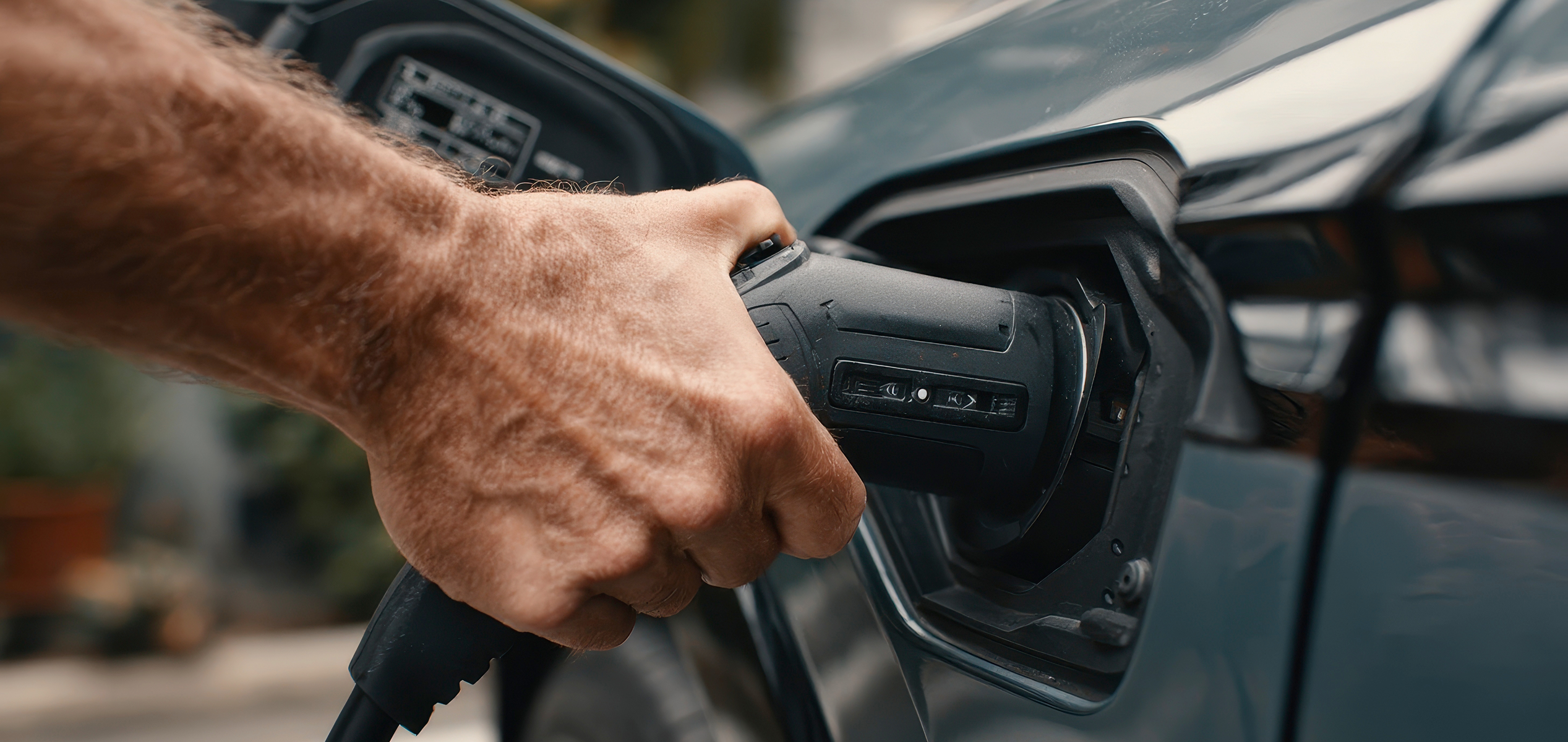
1. How it works
Electricity moves from the grid through the charging equipment into the car’s battery, with the car’s systems managing how power is stored.
2. Level 1 charging
Uses a standard household outlet. It is slow but simple and works well for overnight charging at home.
3. Level 2 charging
Uses a higher voltage supply and charges much faster, making it ideal for daily use at home, work, or public stations.
4. DC fast charging
Supplies direct current straight to the battery so it fills up quickly, often in under an hour, often found along highways and in city hubs.
5. Speed and range
Charging speed varies with the charger and battery size, influencing how long it takes to add range.
EV charging speed defines how convenient electric mobility really is. It shapes your time, your travel plans, and even the places you choose to plug in. From daily commutes to long highway drives, speed quietly influences every EV experience.
1. Why charging speed matters
Faster charging reduces downtime and makes long travel feasible, while slower charging suits overnight top-ups.
2. Factors affecting time
Battery capacity, charger power, state of charge, temperature, and load sharing influence how quickly electricity enters the battery.
3. Charger speeds
Level 1 slow chargers can take 8–24+ hours, Level 2 AC chargers typically need 4–8 hours, and DC fast chargers can add significant range in 20–60 minutes.
4. Real-world charge time
A full charge depends on battery size and charger type, with DC fast charging usually measured to around 80 percent because of battery protection protocols.
5. Choosing the right level
For daily commuting, Level 2 is ideal. For long journeys, public DC fast charging is the most efficient.
6. Calculating time
Divide the kilowatt hours you need by the charger’s actual power output to estimate hours, remembering that real times vary with conditions.
One spin. Four EV secrets. Ready to play?
Take a spin, stay curious - Bite-sized EV facts, fun trivia and smart charging tips await
Not every charger works the same way, and that difference shows up in speed, cost, and convenience. Choosing between AC and DC charging depends on how fast you need power and where you usually plug in. Understanding the basics makes it easier to charge smarter every day.
AC chargers
AC chargers supply alternating current from the grid that your electric vehicle must convert to direct current before it can charge the battery. This conversion happens inside the vehicle using the onboard charger, which limits power to typical levels between about 3.7 kW and 22 kW. As a result, AC charging is slower but cost-effective and widely available at homes, workplaces, malls, and parking areas, making it ideal for overnight or routine daily charging. AC charging is gentle on batteries and easier to install.
DC chargers
DC chargers deliver direct current straight to the battery, bypassing the vehicle’s internal converter. Power levels range from around 15 kW up to 350 kW or more, enabling rapid charging of 10 percent to 80 percent in roughly 20 to 60 minutes on compatible EVs. These fast chargers are best suited to public charging stations, highway rest stops, and commercial settings where quick replenishment is essential. DC charging is more expensive to install but significantly reduces downtime when time matters.
Electric vehicle charging has several myths around speed, range, cost, and infrastructure. EV charging does not need to take hours every time you plug in. Modern fast charging technology can add a significant amount of range in a short period, reducing inconvenience and range anxiety for drivers.
1. Charging time is manageable – Fast chargers and rapid public stations can cut charging time to a short break rather than hours, making longer journeys practical.
2. Range is sufficient – Most EVs now routinely offer 300 km or more per charge, enough for daily travel and many longer routes.
3. Costs are lower – Electricity for EVs tends to cost far less per kilometer than petrol, improving affordability over time.
4. Infrastructure is expanding rapidly – Public charging points have grown sharply, with thousands being added every year in recent times.
Uncover the truth about EV charging
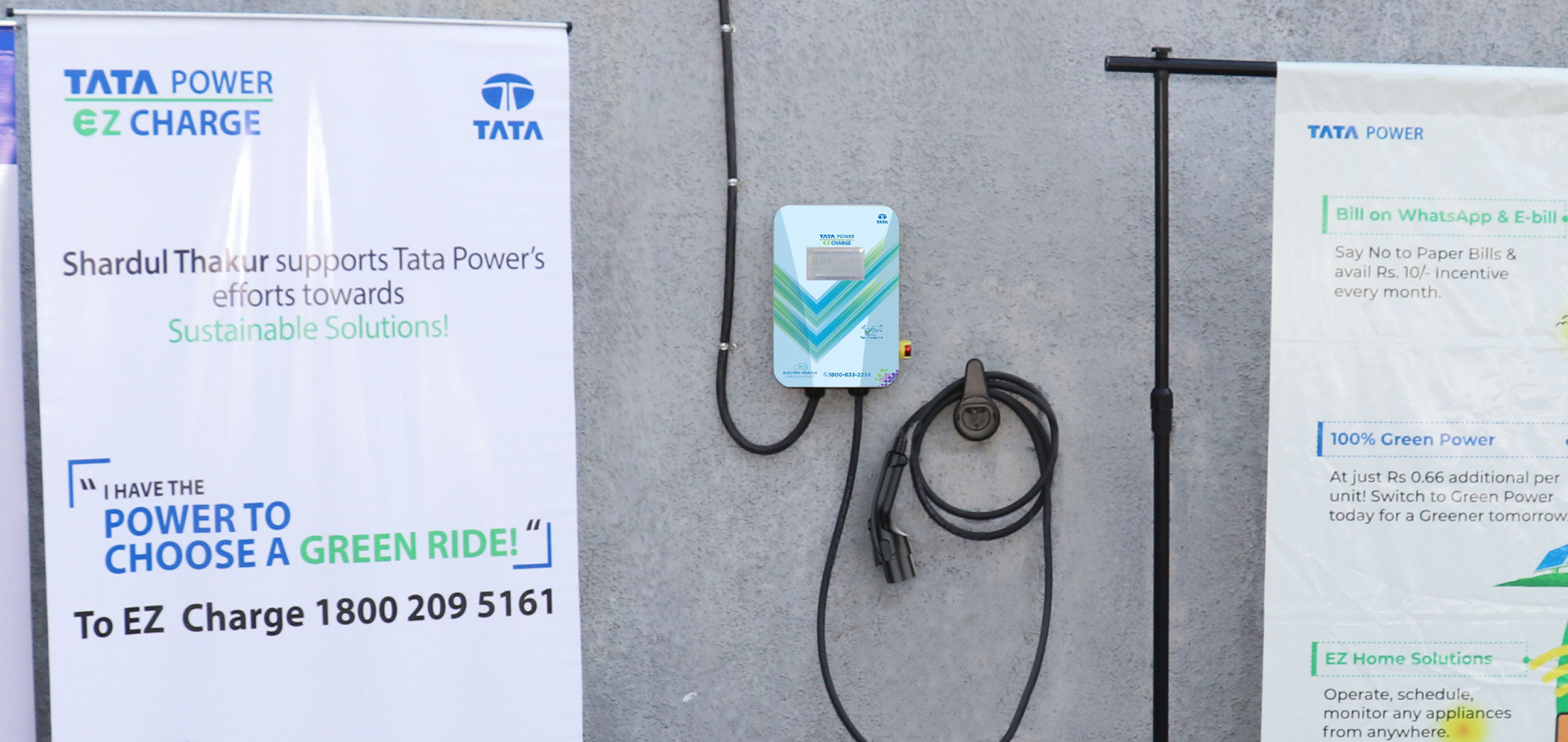
Smart EV charging tips for better battery life
Your EV’s battery is its heart and also its most valuable part. How you charge, drive, and care for it today decides how well it performs years from now. A few simple habits can go a long way in keeping it healthy and dependable.
1. Optimal charge range - Keep the battery between about 20 and 80 percent most of the time. Avoid fully charging to 100 or completely draining to zero as this stresses the cells and speeds up degradation over years of use.
2. Choose Slow Charging - Use level 1 or level 2 charging at home instead of frequent fast charging. Rapid charging creates heat that accelerates wear on lithium-ion batteries.
3. Manage temperature - Park in shaded or covered areas and avoid exposing the vehicle to high heat or deep cold. Extreme temperatures make the battery management system work harder and can shorten lifespans.
4. Driving habits - Smooth acceleration and moderate speeds reduce strain on the battery and improve efficiency over time.
5. Stay updated - Install manufacturer updates and follow specific guidance from your EV’s manual for best battery performance and longevity.
These steps help protect the most expensive part of your EV and keep it reliable for many years.
As more people switch to electric vehicles, where they charge matters more than ever. Housing societies play a key role in making EV ownership easy, practical, and future-ready. Adding charging today helps communities stay modern, valuable, and environmentally responsible.
1. Easy everyday EV charging - Residents can plug in right where they live and not worry about hunting for public stations. This saves time and makes EV ownership truly convenient for everyone.
2. Boosts property appeal - Homes with charging infrastructure attract buyers and tenants who value modern, sustainable living. Studies show that properties with EV chargers command higher value and demand.
3. New income opportunity - Societies can set up a shared charger and charge a fair fee to users. This steady income can offset costs and even become a small revenue stream for the community.
4. Supports green living - EV charging at home reduces reliance on petrol and cuts local pollution levels. Cleaner air and quieter streets make society healthier and more enjoyable for children and adults.
5. Encourages EV adoption - Easy access to charging encourages residents to choose electric vehicles. This makes your society part of the larger push toward sustainable transport.
Installing EV chargers now future-proofs your community and sets a strong example for sustainable living.
A good charging session is not just about plugging in and waiting. Small choices around timing, temperature, and charge levels can make charging faster, cheaper, and healthier for your battery. Getting these basics right helps you make the most of every charge.
1. Control heat exposure - Battery cells are sensitive to temperature. Charging when the battery is excessively hot or cold causes the system to limit power, slow down the session, and increase long-term wear. Moderate conditions allow for smoother energy flow.
2. Use an efficient state of charge (SOC) - Charging is most efficient when the battery sits between low and mid charge levels. As the battery approaches full capacity, charging naturally slows to protect the cells, making top-ups less time efficient.
3. Choose better timing - Plugging in during off-peak hours not only eases demand on the electrical grid but can cut costs if your utility offers lower night rates. Using smart charging tools lets you schedule sessions when the grid is less stressed.
4. Reduce grid stress - Coordinated charging that avoids peak electrical demand helps reduce pressure on the local grid infrastructure. Systems that shift EV charging to quieter periods make the overall energy system more stable and can improve charging efficiency for everyone.
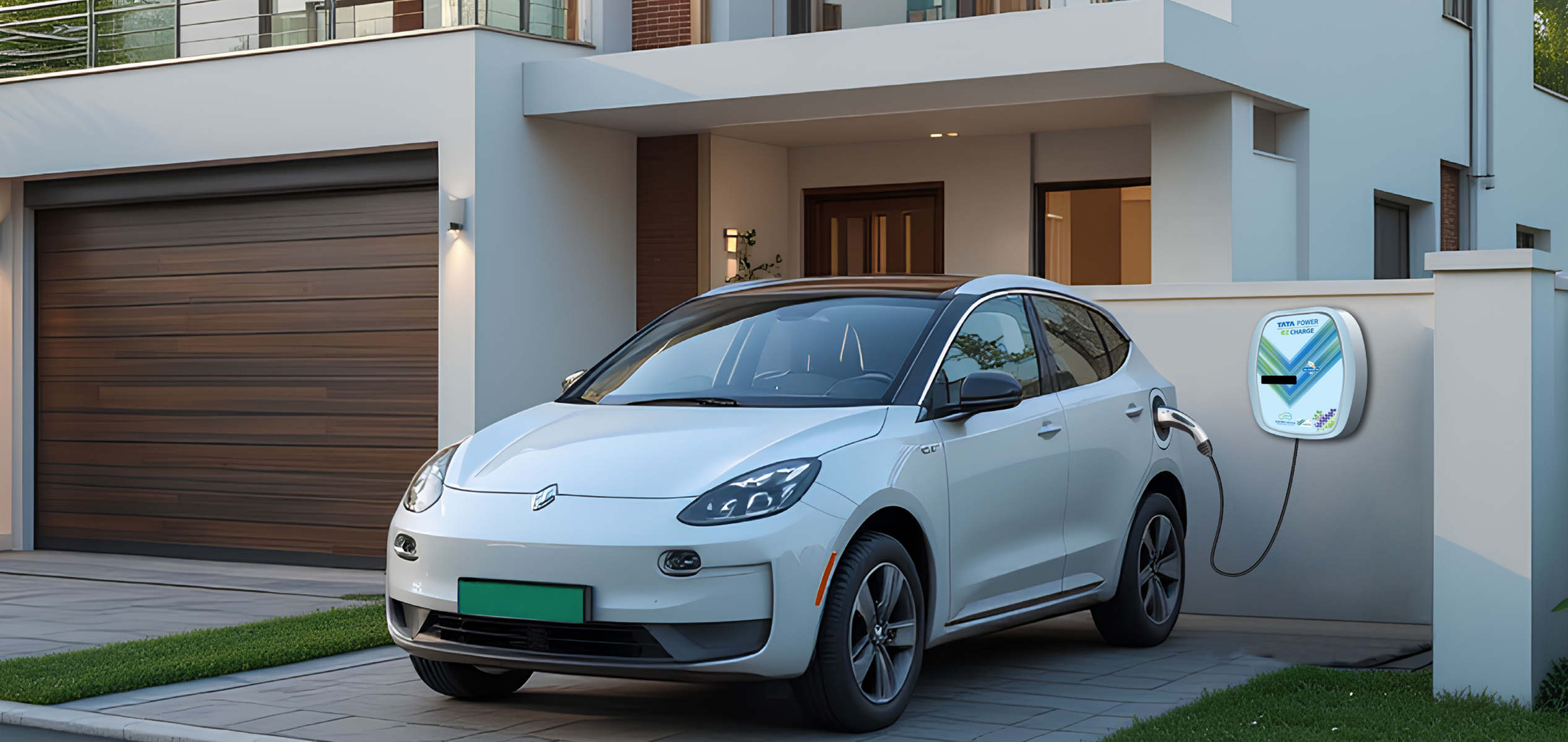
Charging speed shapes how people plan EV travel
India’s electric car market is growing fast, and charging time has become just as important as range or price. How long an EV takes to charge depends mainly on its battery size and the kind of charger it uses. For many owners, home charging is part of the routine, with most cars taking six to ten hours to fully charge overnight. The same car, however, can go from low to nearly full in under an hour on a DC fast charger.
For example, popular mid-size electric SUVs can take the night to charge on a regular home plug, but on a public fast charger they can be ready in about 50 to 60 minutes. Newer, high-end models with advanced charging systems can do the same in around 30 to 40 minutes. These differences shape how people plan commutes, weekend drives, and long journeys. Understanding charging time helps drivers avoid surprises and make electric driving simple.
Investing in an EV charging franchise is becoming a popular way to enter India’s fast-growing electric mobility space. It offers a mix of structured support, long-term potential, and a business model that grows as EV adoption rises across cities and highways.
1. Entry into a growing sector - An EV charging franchise lets you be part of a rapidly expanding ecosystem without building everything from scratch. You benefit from an established brand, technology, and operating framework.
2. Investment range - Setting up a public charging station usually needs an investment of around ₹1 to ₹2 crore. This covers chargers, electrical systems, approvals, and basic civil and site work.
3. Multiple revenue streams - Income comes from per-unit charging fees, partnerships with fleets, advertising space, and small on-site services. Good locations can generate steady monthly earnings.
4. Low operating complexity - These stations need very little manpower and have fewer moving parts than fuel stations. This keeps maintenance and daily operating costs relatively low.
Rapid EV adoption, rising by over sixty percent annually, is driving strong demand for charging infrastructure. Government support through schemes such as PM E-DRIVE and EV Mitra further improves viability by offering subsidies, tax benefits, and easier financing. A franchise model reduces complexity by clearly dividing responsibilities between the Charge Point Operator and the local partner.
Partnering with Tata Power EZ CHARGE strengthens this model through nationwide scale, turnkey execution, 24x7 monitoring, and long-standing brand trust, making the investment both future-ready and resilient.
Launch your EV charging franchise today!
With over 3,000 Tata Power charging points across 620+ cities and 1.2 lakh+ home EV chargers already powering everyday journeys, a workplace EV charging solution in India is no longer just an add-on. It is becoming central to how people charge daily. This guide breaks down how to plan, manage, and maximize EV charging at workplaces.
- Infrastructure setup: Assess demand, choose AC or DC chargers, plan power capacity, and ensure scalable deployment.
- Charger performance: Follow standards, enable regular maintenance, and use smart EV charging for workplaces for real-time monitoring
- Workplace policies: Define access, time limits, and pricing to ensure smooth and fair usage
- Business benefits: Improve employee satisfaction, support sustainability goals, enhance brand value, and prepare for future EV growth
A well-designed EV charging solution for offices ensures reliability, efficiency, and long-term value for modern businesses.
Are offices the key to EV adoption? Explore now
Powering a connected and convenient EV future
India’s EV transition is now moving beyond the stage of just adding more charging points. Tata Power’s FY26 progress highlights a shift toward a connected charging ecosystem focused on access, speed, reliability and everyday ease. With 5,800+ public, semi-public and fleet charging points, 1,160+ fast chargers spread across 254 highway corridors, and over 2.14 lakh home chargers; the network is steadily embedding itself into daily travel patterns. Yet the real transformation is not in numbers alone.
The rise of renewable-powered charging, smarter digital experiences through EZ CHARGE, interoperable networks and high-capacity charging hubs is redefining what convenience means for EV users. Together, these advancements are shaping a future where charging fades into the background, and electric mobility feels truly effortless.
EV charging is no longer just a technical detail; it is the backbone of how electric mobility works in real life. From home charging and highways stops to battery care and smart timing, every choice shape cost, comfort, and confidence on the road. As India’s EV ecosystem grows, charging will decide how easily people adopt electric vehicles and how smoothly they use them every day. Whether you are an EV owner, a housing society, or someone exploring charging as a business, understanding these basics gives you a clear advantage. Smarter charging decisions today lead to better batteries, lower costs, cleaner cities, and a stronger foundation for India’s electric future.
Frequently asked questions
The frequently asked questions section is a reliable source for unlocking answers to some of the most crucial inquiries. Please refer to this section for any queries you may have.
- FAQ
Charging speed depends on the type of charger, the vehicle’s battery capacity and onboard charger limits, and environmental factors like temperature. Higher-power chargers deliver faster energy, but if the car’s onboard system or battery can’t handle that power, speed remains limited. Battery state of charge also matters, with charging slowing as the pack fills to protect its lifespan.
Frequent use of DC fast charging can generate more heat in the battery, and repeated high-power sessions might contribute to long-term wear if used constantly. Occasional fast charging is fine, especially with modern thermal management systems, but relying on slower AC charging for routine top-ups at home can help preserve battery health.
A widely distributed charging network reduces reliance on only high-power fast chargers and spreads charging points where vehicles naturally stop, such as apartments, workplaces, malls, and transit hubs. This makes routine charging convenient and lowers pressure on grid infrastructure. Placing many normal chargers where vehicles park regularly also improves financial viability and user access across urban and suburban areas.
Yes, you can install an EV charger where you live. Most EVs include a basic charger, and you can add a dedicated home charger or wall box with the help of a licensed electrician. Home charging uses your regular electricity supply and adds convenience since you top up overnight. It also tends to cost less than frequent public charging.
The cost of setting up a public EV charging station in India varies widely based on scale and charger types. A basic station with slow chargers may cost a few lakh rupees, while a setup with fast DC chargers can run into tens of lakh rupees. Infrastructure costs like land, electrical connections, and equipment also influence this. Government incentives can help lower some of the upfront expenses.
Government schemes like the PM E-Drive and state-level policies provide subsidies and incentives to promote EV charging networks. These can include reduced capital costs for setting up stations, financial support for equipment, and regulatory support to speed approvals. States such as Rajasthan and Telangana also offer additional incentives for infrastructure development, helping to expand access across urban and rural areas.


Keep reading...
View all