


 Contact us


What is a Solar module?
A solar module is a collection of interconnected solar cells assembled into a single unit that converts sunlight into electricity through the photovoltaic effect. Multiple solar cells are combined and protected with glass, encapsulation layers, and a frame to create a durable power-generating panel.
In simple terms, a solar module refers to the complete panel setup that captures sunlight and produces direct current (DC) electricity for homes, businesses, and large solar plants. It includes different technologies such as monocrystalline, polycrystalline, and thin-film modules, each designed to maximise solar energy generation.
Uses of solar modules
Solar modules are used in a wide range of solar energy applications, including:
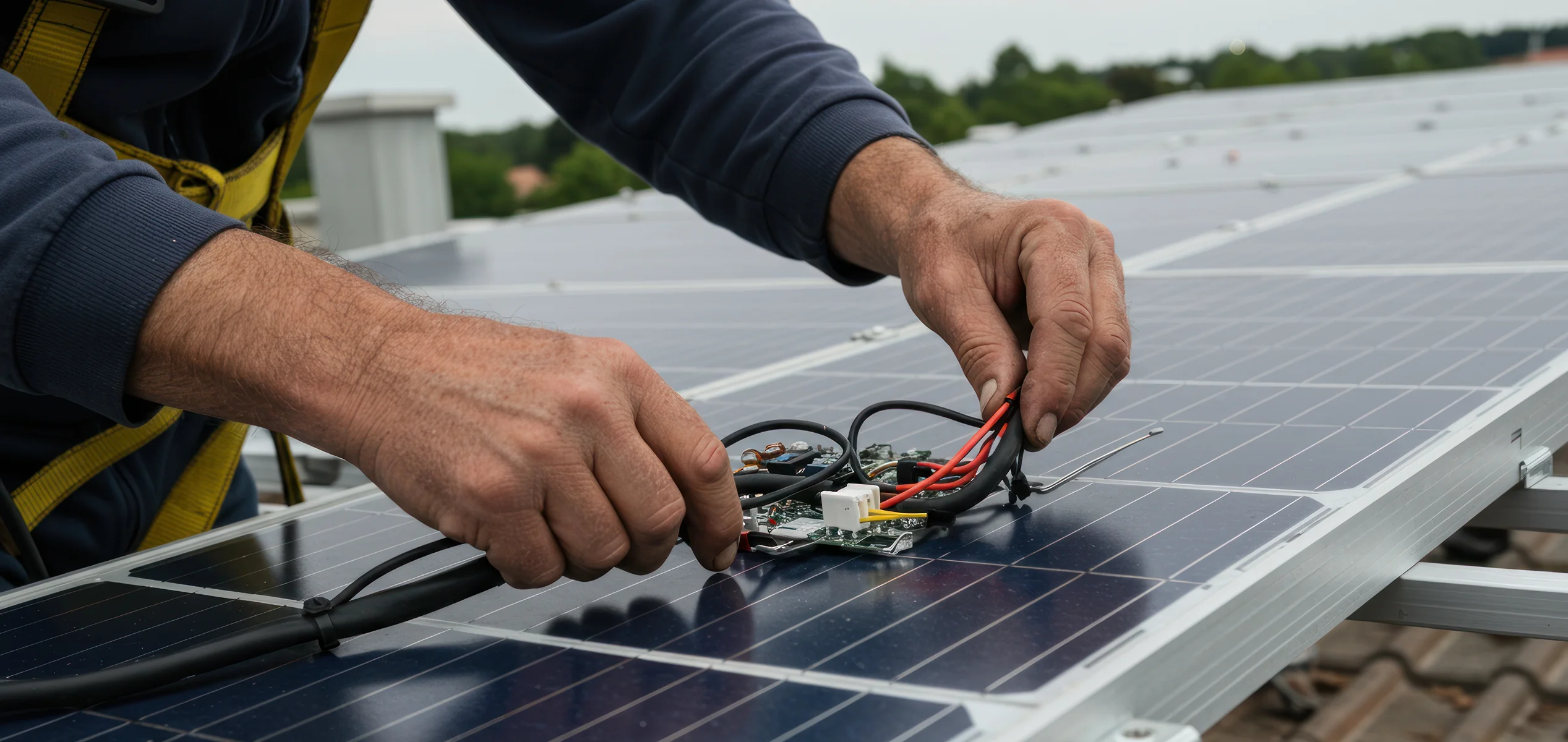
- Rooftop solar systems for homes, apartments, and commercial buildings
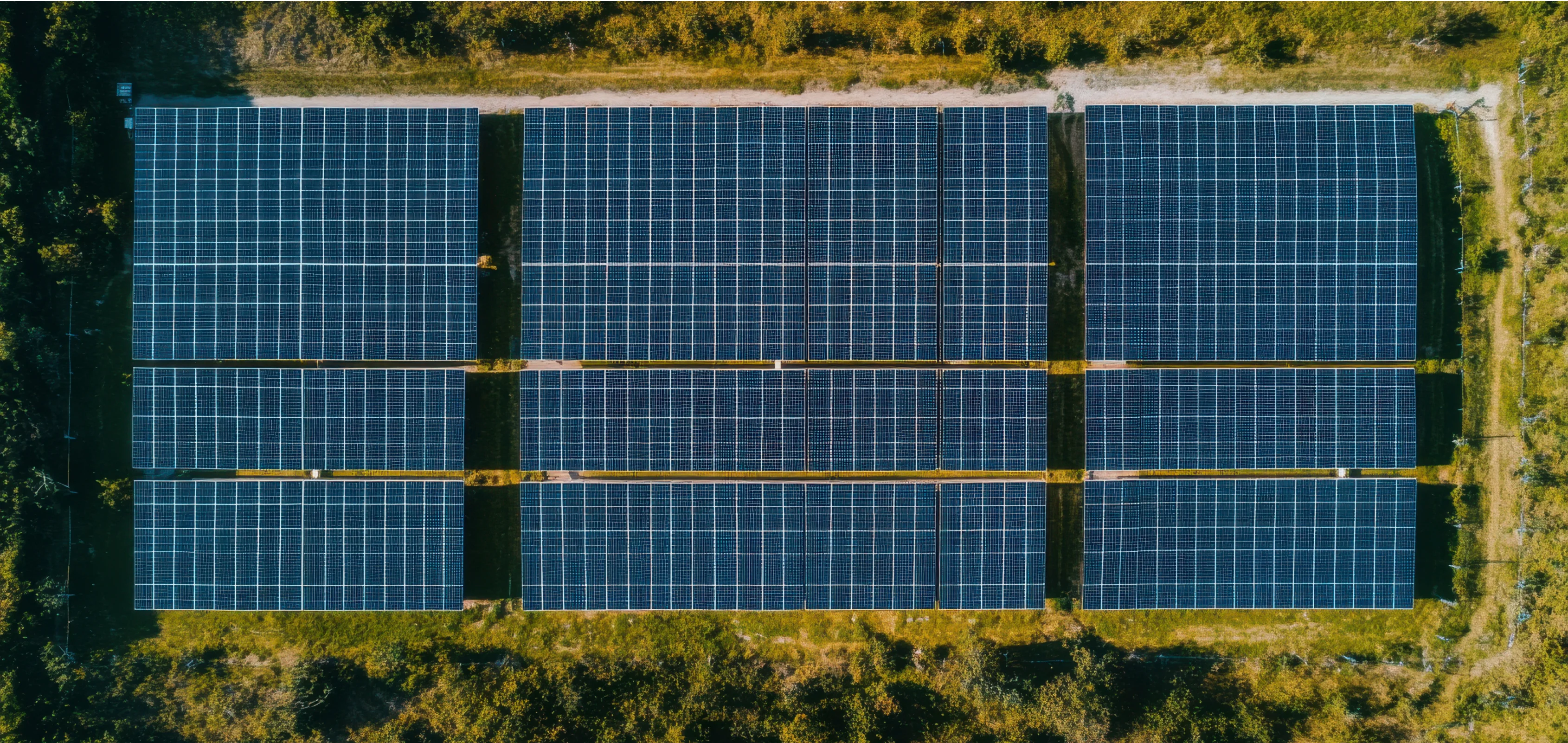
- Utility-scale solar farms generating large amounts of electricity
- Solar water pumps for agricultural irrigation
- Solar street lights and outdoor lighting systems
- Off-grid systems powering remote villages, telecom towers, and cabins
- Portable solar products such as solar lanterns, chargers, and mini power kits
- Hybrid solar systems integrated with batteries for reliable power supply
Examples of solar modules
Some common examples of solar modules include:
- Monocrystalline solar modules used in high-efficiency rooftop installations
- Polycrystalline solar modules commonly used in residential and commercial projects
- Thin-film solar modules designed for lightweight or flexible solar applications
- Bifacial solar modules that generate electricity from both sides for higher output
- Large solar module arrays installed in utility-scale solar parks across India
Related Terms
Blogs
READ MORE