


 Contact us
Solar energy is a reliable and sustainable force of the future


Sections
- Introduction
- What is solar energy?
- How does solar energy work?
- What are the advantages of solar energy?
- What are the disadvantages of solar energy?
- Evolution and future of solar energy
- Trends in solar energy
- Reasons businesses are switching to solar
- Why homeowners and housing societies are switching to solar
- Why are MSMEs the solar industry’s biggest untapped opportunity?
- Bottomline
What is solar energy?
Solar energy is the energy derived from sun, which is then converted into electrical energy or heat. Since it is derived from the sun, an inexhaustible resource that replenishes itself, solar energy is a sustainable power source. Captured through photovoltaic cells in solar panels, it can be used to power homes, businesses, and industries. As the world moves towards greener energy sources that limit harmful emissions, solar energy is becoming a viable alternative to conventional polluting fuels.
Want to explore solar energy in detail? Read more
How does solar energy work?
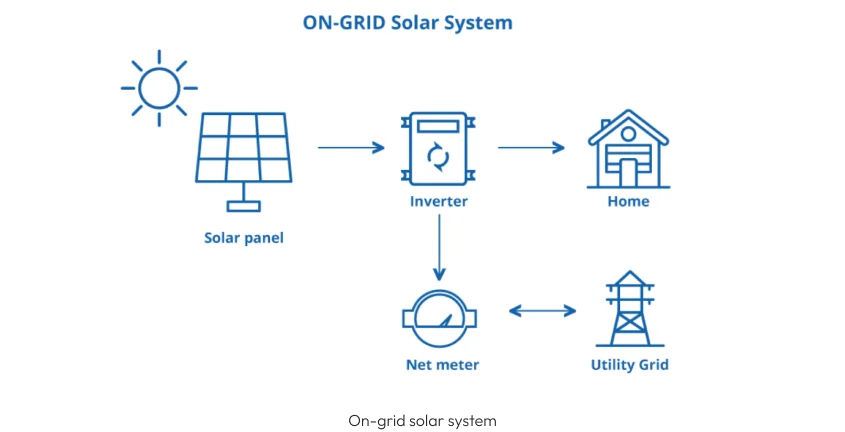
Solar energy is harnessed through the simple process of converting sunlight into usable electricity. Here is how it works:
- Sunlight hits a solar panel and is absorbed by PV cells
- A reaction is triggered inside the cells that causes DC electricity to flow.
- DC electricity will then pass through an inverter to convert it into AC
- AC is supplied to your homes, offices, and commercial spaces
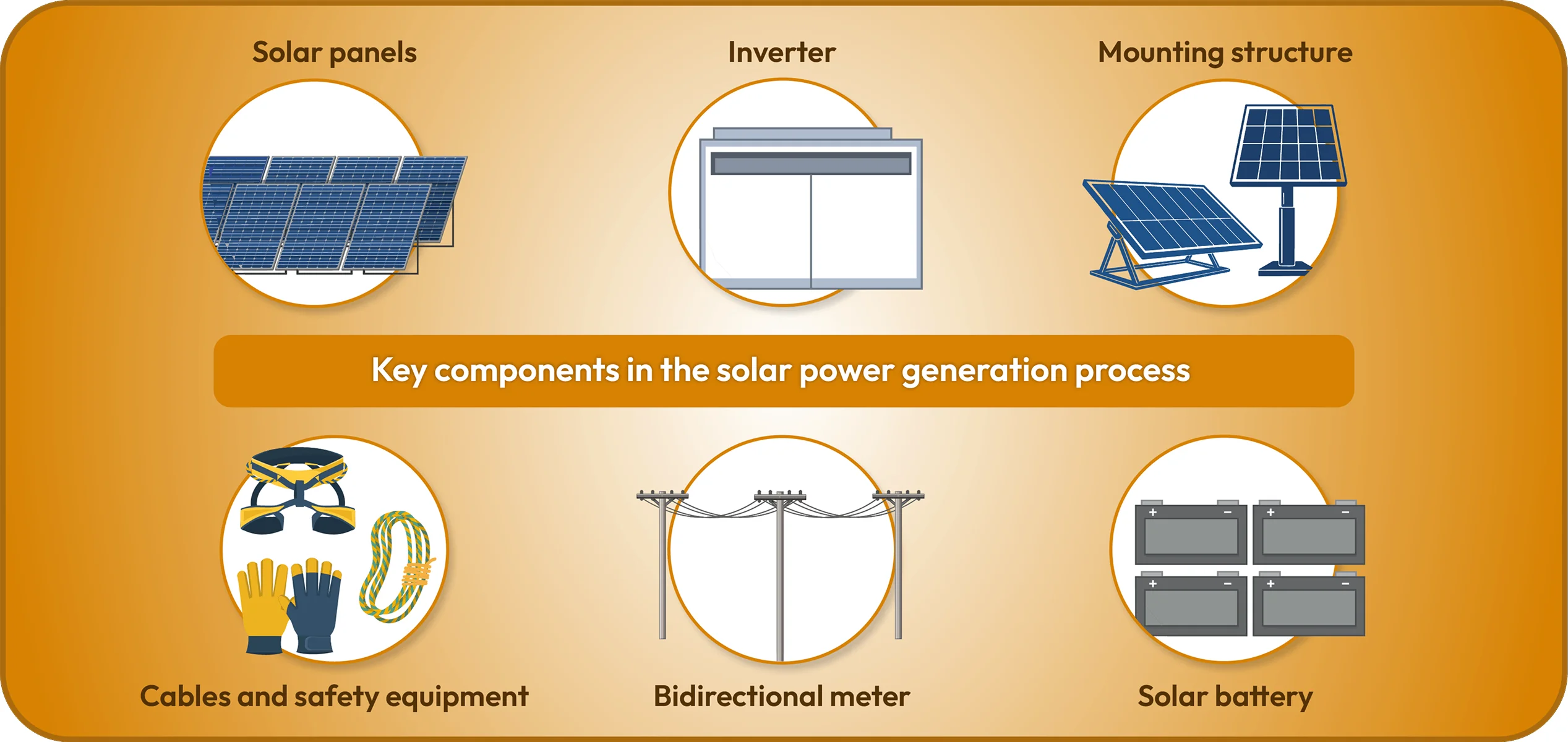
The generated electricity can either be utilized instantaneously to run appliances, fed back into the grid through net metering, or stored in batteries for later use, once converted. Because the whole process depends on sunlight, no noise, fuel waste, or emissions result from solar power generation, making it efficient and eco-friendly.
Solar energy offers a wide range of advantages, making it one of the most practical and future-ready power solutions today. It helps significantly reduce electricity bills, lowers dependence on conventional power sources, and provides a clean, renewable alternative that cuts carbon emissions. With government incentives, improving technology, and minimal maintenance needs, solar systems have become more accessible and cost-effective for both homes and businesses. Beyond savings, solar also adds long-term value by ensuring energy reliability and supporting a more sustainable lifestyle.
Ready to see why everyone’s switching to solar? Dive into the full list of game-changing benefits. Read now!

Ready to see why everyone’s switching to solar?
Dive into the full list of game-changing benefits
From lowered electricity bills to zero carbon emissions, solar energy has numerous advantages. But if you’re considering switching to solar, a balanced approach suggests looking at possible limitations too. Here a few disadvantages of using solar energy:
- High upfront costs of installation and setup
- Solar energy requires sunlight so cloudy or rainy days can cause inconsistent energy output
- Solar setups can take up rooftop or land space, which can be a limitation in metros and cities
- Solar energy cannot be generated at night, so battery storage is required, which is additional cost
- Improper disposal of solar panels can cause seepage of toxic chemicals into the ground or neighboring water bodies
While solar energy use can pose some limitations, the benefits can far exceed them, making them ideal for use in homes and business nationwide.
Looking for a balanced approach into solar energy? Know more!
While solar energy has a come a long way today, it started as a small-scale solution used primarily in satellites and remote areas where the grid couldn’t reach. As the benefits and ease of solar energy use became common knowledge, better technology emerged. Coupled with large-scale manufacturing, improved efficiency, and lower costs, solar power became accessible for homes and businesses too.
India is set to achieve a target of 500 GW of renewable energy by 2030, and solar has a huge part to play in it. The total solar potential of India stands at 748 GW, mostly centered in states like Rajasthan, Jammu and Kashmir, Maharashtra, Madhya Pradesh, and Andhra Pradesh.
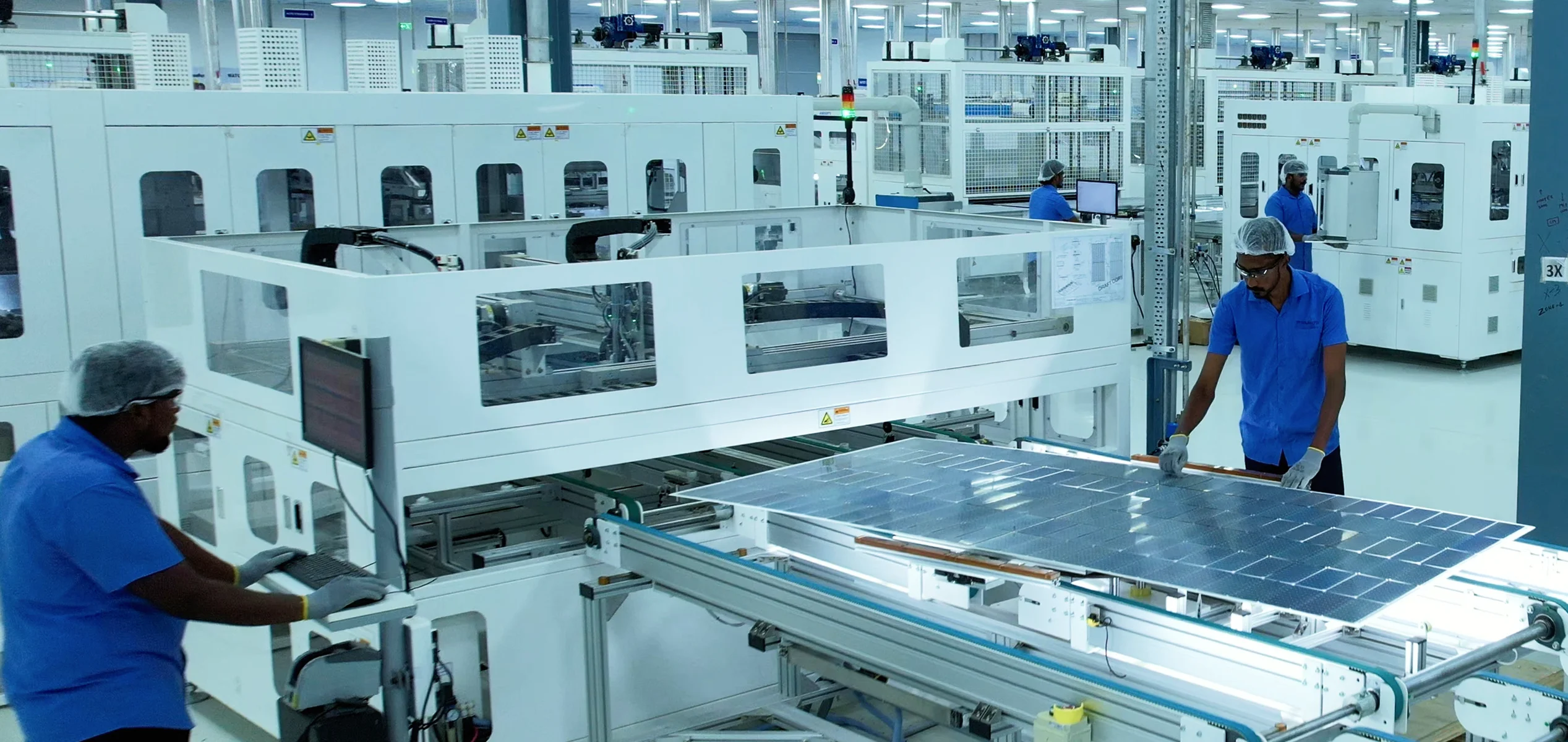
Domestic manufacturing of modules, solar PV cells, ingots, and wafers is accelerating the solar momentum, while local and central government schemes are making this shift much more effective.
Curious about how solar has evolved and where it’s headed next? Read more!
With India’s installed solar capacity exceeding 129 GW, the advancements in this technology have been non-stop. National schemes like PM Surya Ghar Yojana are pushing lakhs to switch to solar for their homes, while subsidies and tax benefits are inviting businesses to do the same.
Leading trends in solar include:
- Large scale solar projects powering cities to meet the growing energy demand
- Adoption of bifacial panels to achieve higher efficiency
- Solar panel integration in building structures that helps curb space shortage
- AI-powered operations to monitor and boost performance
- Integration with battery storage for more reliable, round-the-clock solar use
- Cross-border solar integration for energy independence and security
These trends illustrate how solar is shifting from adoption to smart, integrated energy solutions.
Looking to explore the latest trends in solar that are taking over the world? Explore now!
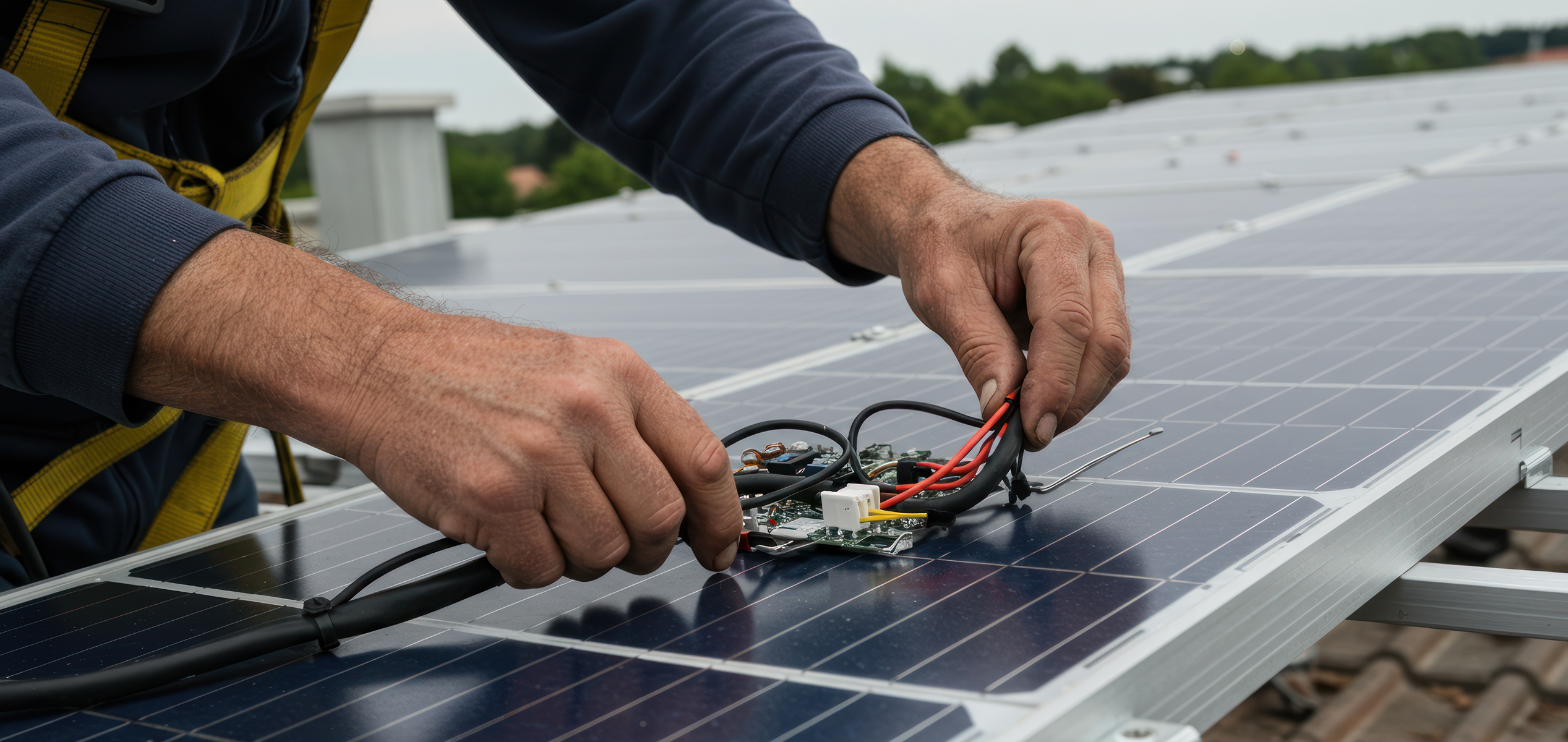
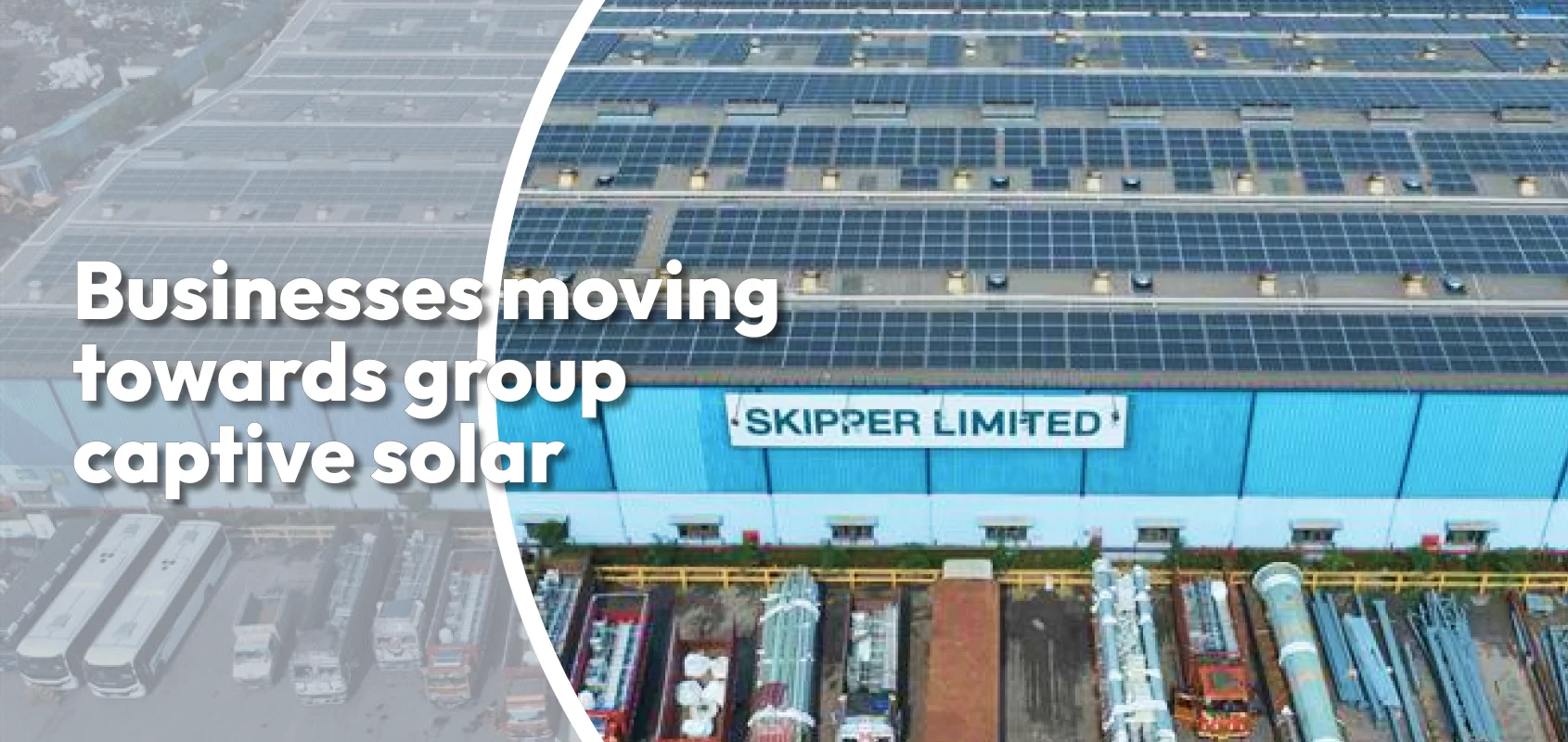
Businesses are adopting solar for lower electricity bills, energy independence, and strong ROI. Government incentives like subsidies and tax benefits make the investment even more attractive. Solar also helps companies reduce their carbon footprint and boost their sustainability credentials, making it a smart choice for the wallet and for the Earth.
When companies invest in solar, several tax‑related benefits help reduce their all‑in cost and improve returns:
- Accelerated depreciation: Companies can claim up to 40 % depreciation on solar assets in the first year under Section 32 of the Income Tax Act, lowering taxable income and improving cash flow. Know more about accelerated depreciation to avail the maximum benefit for your business.
- Income tax exemptions: Profits from solar power projects may be exempt from tax for up to 10 years under Section 80‑IA if eligibility criteria are met.
- Lower GST on solar equipment: Solar panels, inverters, and related components attract a reduced GST rate of 5 %, that reduces upfront system costs.
- GST input credits: Businesses can often claim input tax credits on GST paid for solar equipment and services, further lowering effective tax costs.
Still looking for a reason to make your business solar powered like lakhs others? Your search ends here. Explore now!
Solar energy is fast emerging as a smart, sustainable option for residential societies and homeowners to bring down their electricity bills. One of the biggest draws is the lower electricity bills, solar allows homes to generate their own power, reducing reliance on the grid and cutting monthly energy costs. Paired with battery storage, solar systems give backup power during outages, ensuring households are never left in the dark.
Solar is also environment-friendly, reducing carbon footprints and integrating with the clean energy objectives in India. Many homeowners enjoy government subsidies, net metering, and tax benefits that make installations cheaper and increase the payback period of the system.
Moreover, installing solar increases property value. Homes and societies with renewable energy solutions are being looked upon as more modern, green, and future-oriented. With long-lasting panels and minimal maintenance required, solar proves to be a practical, cost-effective, and eco-conscious choice for urban and suburban living alike.

Why are MSMEs the solar industry’s biggest untapped opportunity?
India’s solar journey is entering a more inclusive phase, where the focus is not just on adding capacity but expanding impact. MSMEs are central to this shift. While adoption has been slower so far, the fundamentals are now aligning, making rooftop solar for MSMEs more accessible, practical, and relevant than before. As these changes take shape, what was once a difficult decision is steadily becoming a viable and scalable opportunity.
A few key changes are driving this shift -
- Growing awareness of solar as a long-term operational advantage
- Better access to financing through flexible and low-upfront models
- Simplified execution with end-to-end solution providers
- Policy support and evolving frameworks improving adoption pathways
- Cluster-based approaches making solar more accessible at scale
Bottomline
As the world moves towards clean energy, solar energy becomes a huge part of this movement. The advancement in solar energy is helping its adoption not just across industries and business, but also through homes and rural communities. The numerous benefits of this renewable energy, especially cost savings and energy independence are pushing many to make the big switch. As the numbers show, solar’s potential in India’s future is unlimited and only growing.
Keep reading...
View all