



 Contact us

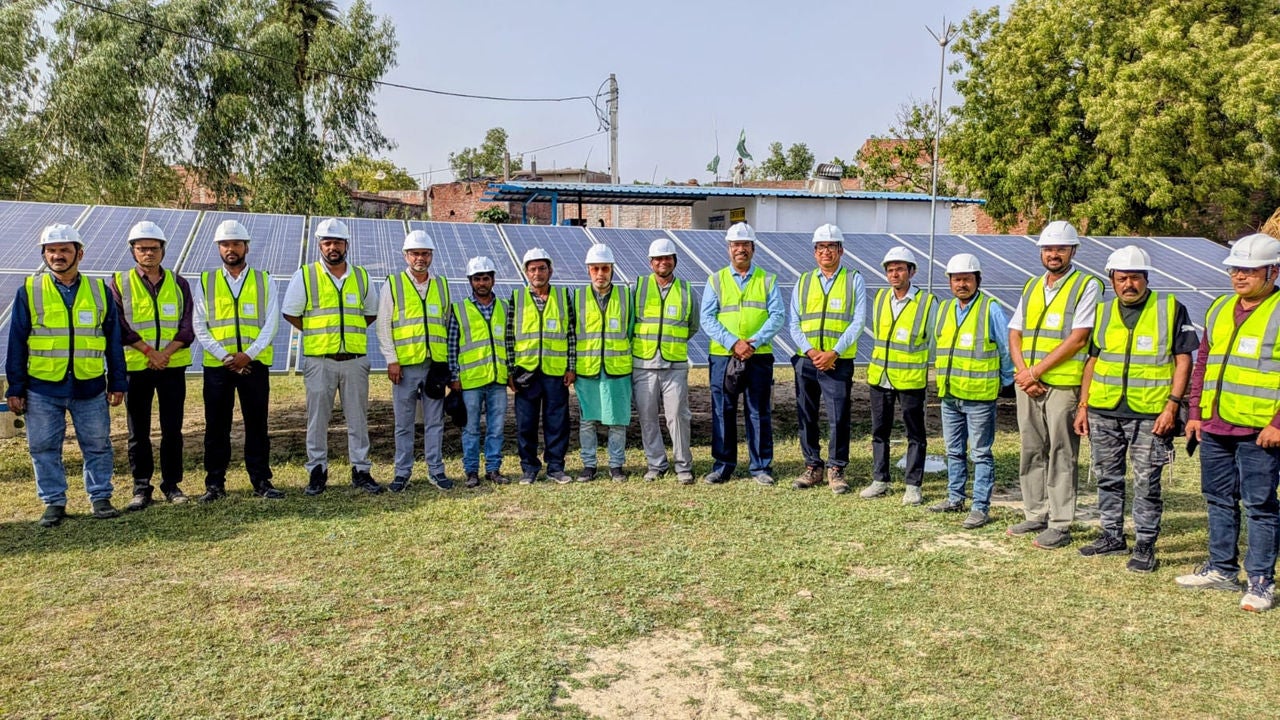
Uttar Pradesh, 21st April 2026: In an inspiring step towards a brighter future, TP Renewable Microgrid, a wholly owned subsidiary of The Tata Power Company Limited, is deepening its commitment to the sustainable transformation of rural communities through a meaningful renewable microgrid initiative in Paska Bazar. With the profound theme of “Energy Independence of Rural India through Renewable Solar Microgrid and Biogas-based Solutions,” this project is a demonstration of the power of clean energy in addressing the unique challenges faced by rural families.
Paska is a village nestled in the Paraspur Block of Gonda District, Uttar Pradesh. Approximately 35 kilometers from the district headquarters and about 95 kilometers from the state capital, Lucknow. Paska is home to around 2,500 families. The rural community struggle with power fluctuations and rely heavily on diesel generators, while also facing the seasonal threat of floods. For these families, dairy farming serves as a crucial lifeline, often second only to agriculture. This makes milk collection, cooling, and processing essential sources of income for the community.
Recognizing these needs, TP Renewable Microgrid established a 30 kWp Solar Microgrid in Paska village back in December 2020, bringing clean, affordable, reliable, and high-quality electricity to around 150 smiling consumers. The microgrid supports a range of enterprises, including grocery stores, tea shops, sweet shops, eateries, flour mills, and dairy collection centers. For a region that has long faced the difficulties of inconsistent energy supply, this initiative guarantees stable business operations, boosts productivity, and opens new opportunities for economic growth, all while contributing to environmental protection by offsetting around 16 tons of CO₂ each year. With load increase in this market the solar capacity has been enhanced to 50 kWp.
Paska Bazar has become a vital hub in the regional milk value chain, collecting milk from nearby villages within a 5 to 10-kilometer radius and storing it in bulk milk coolers (BMCs). Of the five BMCs in the bazaar, two are currently powered by the microgrid. A third BMC has recently been connected to the microgrid after its capacity was expanded, ensuring reliable cooling for the milk and reducing spoilage. This progress not only strengthens the efficiency of dairy operations but also brings peace of mind to the farmers and entrepreneurs in the community, allowing them to focus on what they do best: nurturing their livelihoods and supporting their families.
In pursuit of green future for rural communities, TP Renewable Microgrid is exploring de-centralised small-scale biogas solutions that empower individual households. This initiative is particularly beneficial for farmers, enabling them to convert cattle dung into raw biogas for cooking and take significant steps toward energy self-sufficiency at the grassroots level. Recently, a 2 M3 biogas plant was installed in Nayab Purwa hamlet, just around 2 kilometres from Paska Village, where it serves a family committed to providing fresh milk to the Paska Bazar every day.
These initiatives are not just about technology; it's about transforming lives. By moving away from reliance on LPG cylinders, families can enjoy financial savings while enjoying a cleaner energy source for cooking. Additionally, the residue from the biogas plant can be repurposed as organic manure for their fields or sold in the local market, providing further economic opportunities. Looking ahead, there are plans to introduce de-centralised ground-mounted solar power solutions to tackle the challenges of unreliable electricity supply, coupled with energy-efficient appliances to enhance comfort including development of rural entrepreneurs.
This profound endeavour by TP Renewable Microgrid aligns magnificently with Tata Power’s campaign of “Sustainable is Attainable.” It’s a demonstration project as to how decentralized renewable energy solutions can blend economic viability with environmental care, all while nurturing livelihoods in rural areas.
What truly sets this initiative apart is its Integrated Renewable Energy model, which combines solar power and Bio-CNG derived from agricultural residue and cattle waste. This holistic approach not only enhances energy reliability but also addresses ongoing challenges, such as excessive dependence on diesel and a fuel shortage of LPG that affect both businesses and families. By converting local waste into a valuable energy source, we are promoting a sustainable ecosystem that helps reduce dependency on conventional fuels and minimizes environmental harm.
Mr. Manoj Gupta, Chief Executive Officer of TP Renewable Microgrid, embodies an inspiring vision for sustainable impact. He states, "At TP Renewable Microgrid, we are dedicated to creating long-term change through reliable and clean energy solutions that empower rural communities. The Paska Bazar microgrid exemplifies how integrated renewable energy can uplift local economies, enhance energy security, and provide a viable alternative to conventional fuels. Our CSR & Sustainability initiatives are driven by a commitment to promoting clean energy and its efficient use for lighting, cooling, and cooking, while also creating livelihood opportunities and fostering awareness of sustainable energy practices within communities. By merging solar power with Bio-CNG, we tackle immediate energy challenges and pave the way for a resilient, self-reliant, and low-carbon future in rural areas."
The aim of this project is to present the Paska Bazar microgrid as a scalable model for rural electrification, showcasing how clean energy solutions can inspire economic growth while aligning with India’s sustainability goals.