


 Contact us


What is Alternating Current?
Alternating current (AC) is an electric current that reverses its direction and varies in intensity repeatedly, unlike direct current (DC), which flows in only one direction. The most common AC pattern is a sine wave, which allows electricity to be transmitted efficiently over long distances.
In simple terms, AC is the form of electricity typically supplied to homes, offices, and industries.
Sources of Alternating Current
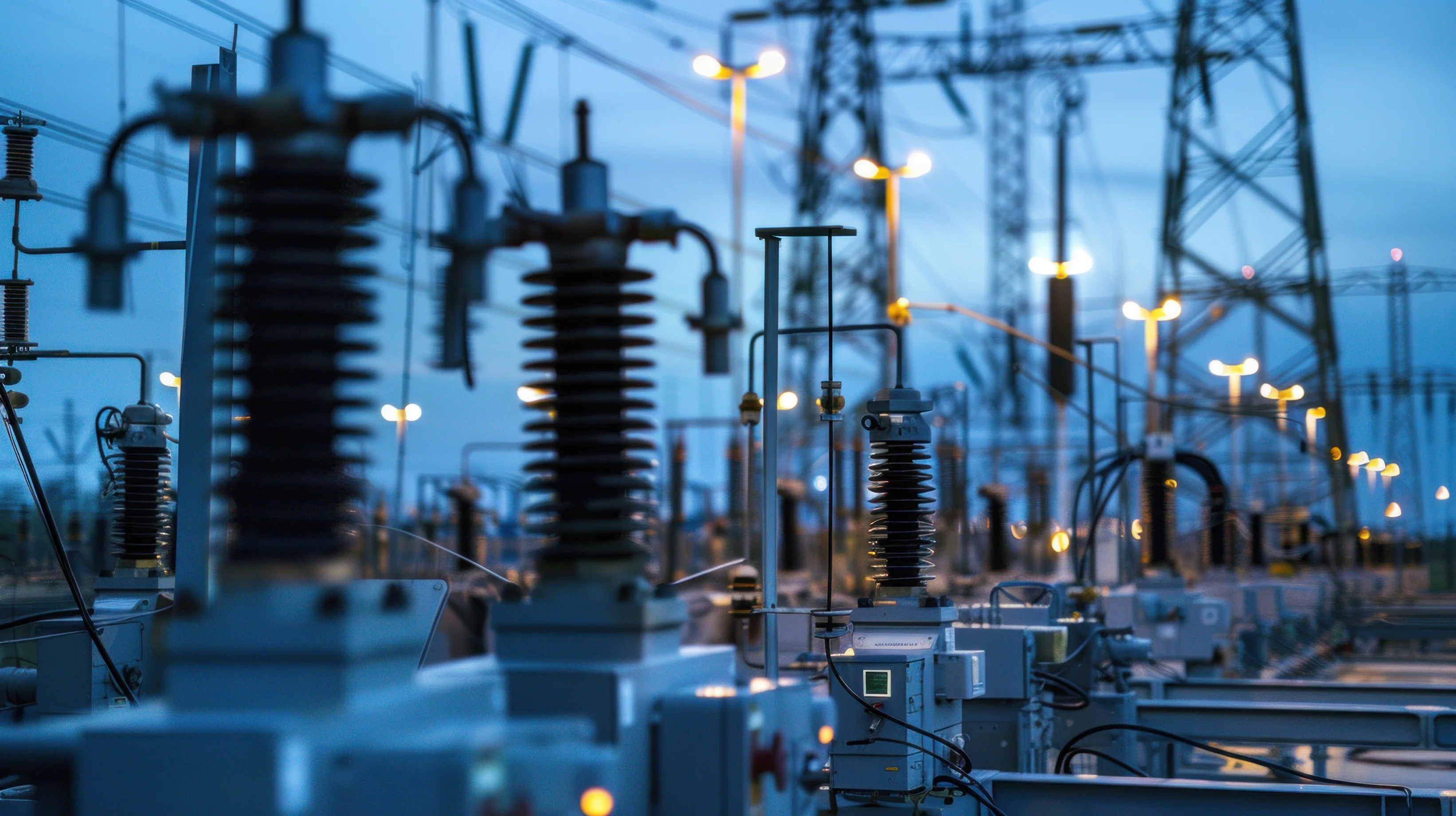
The main source of AC is power plants, where electricity is generated and then transmitted through transformers and power lines. These systems adjust the voltage for long-distance travel and safe delivery to homes and industries. Inverters and signal generators also create alternating current for specialized uses.
Importance of Alternating Current
Alternating current is important because it makes large-scale electricity supply possible. It can be transmitted over long distances with minimal energy loss, unlike direct current. AC also reduces wire heating, lowers costs, and makes transformers and switches cheaper to build. Its ability to increase or decrease voltage easily is a key reason why AC powers most of the modern world.
Uses of Alternating Current
AC is the standard form of electricity used worldwide for powering homes, businesses, and industries. It is also used in communication systems, such as audio and radio signals, where information is carried by alternating current. Because AC can easily switch direction, it is ideal for running household appliances, lighting, and machinery.
Examples of Alternating Current
- Electricity from power plants delivered to homes and businesses
- Audio signals transmitted through wires
- Radio signals carried to enable communication
- Square or triangular waveforms used in certain devices, such as low-cost inverters