


 Contact us


What is renewable energy?
Renewable energy is power derived from natural resources that replenish faster than they are consumed, such as sunlight, wind, water, geothermal heat, and biomass. It is harnessed using technologies like solar panels, wind turbines, hydroelectric dams, geothermal systems, and bioenergy plants.
In simple terms, renewable energy means using nature’s endless and diverse resources to produce clean, sustainable electricity and heat without depleting the Earth’s supply.
Importance of renewable energy
The importance of renewable energy lies in its crucial role in reducing greenhouse gas emissions and combating climate change. It lowers reliance on finite fossil fuels, improves air quality, and supports public health. Renewable energy also promotes energy independence, drives economic growth through job creation and innovation, and helps build a cleaner, more resilient energy system for the future.
Uses of renewable energy
Common uses of renewable energy include:
- Generating electricity from solar, wind, hydropower, geothermal, and biomass
- Heating and cooling buildings using geothermal and solar thermal systems
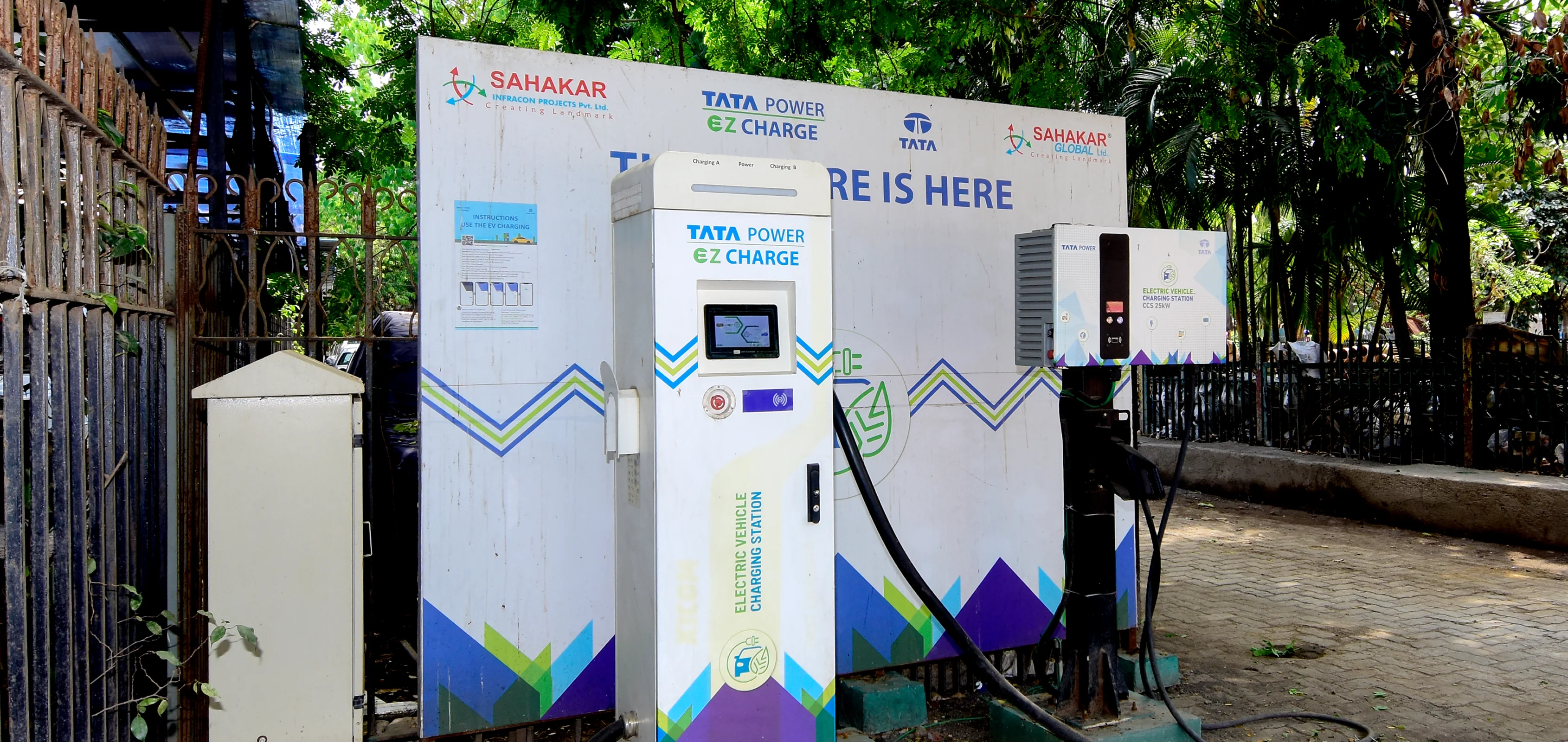
- Powering electric vehicles and producing biofuels for transport
- Supporting agricultural irrigation and industrial processes
- Providing energy access in off-grid and rural areas
Examples of renewable energy
Some practical examples of renewable energy are:
- Rooftop solar panels converting sunlight into electricity for homes and businesses
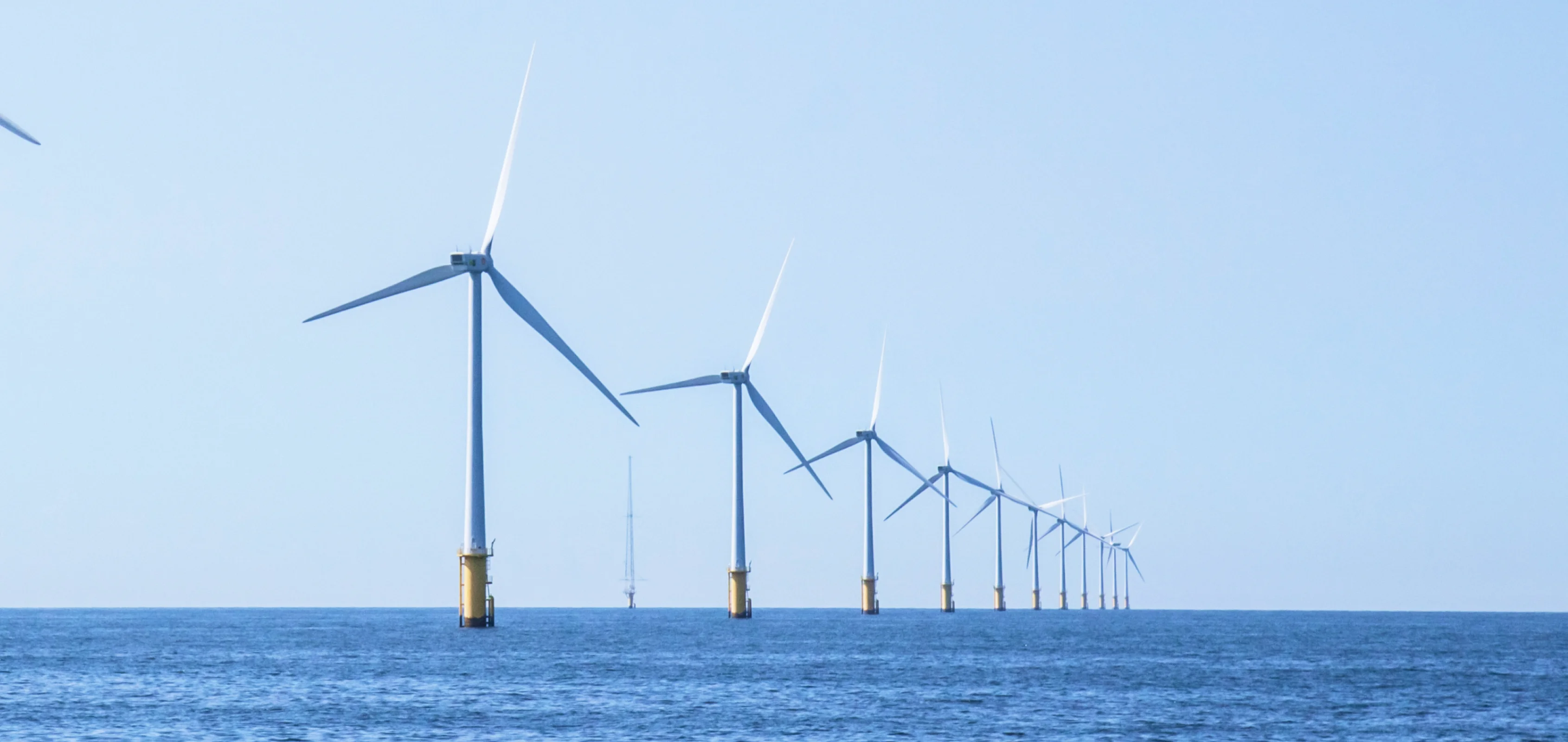
- Wind farms located on land and offshore generating power for communities
- Hydroelectric dams producing stable electricity from flowing water
- Geothermal plants heating buildings and generating power from Earth’s heat
- Biomass and biogas facilities turning organic waste into usable fuel
- Solar-powered water pumps aiding irrigation in rural farming
- Renewable systems supplying energy to remote villages and emergency shelters
Related Terms
Blogs
READ MORE