


 Contact us


What is clean energy?
Clean energy refers to energy generated from sources that produce little to no greenhouse gas emissions or environmental pollutants during operation. It is typically derived from renewable or low-carbon sources such as solar, wind, hydropower, geothermal energy, and other sustainable technologies that help reduce environmental impact.
In simple terms, the clean energy is to energy produced in a way that minimises pollution and supports a more sustainable future.
This includes renewable and low-carbon energy sources that provide electricity, heating, or fuel while reducing dependence on fossil fuels.
Importance of clean energy
The importance of clean energy lies in its critical role in reducing greenhouse gas emissions and combating climate change. By decreasing reliance on fossil fuels, clean energy helps promote sustainability and energy security through diversified power sources. It lowers environmental impact by minimizing air and water pollution, conserving natural resources, and mitigating climate risks.
Beyond environmental benefits, clean energy drives economic growth by creating jobs, fostering technological innovation, and reducing energy costs. It also supports public health by improving air quality and strengthens energy security by making supply systems more resilient. Clean energy empowers communities by providing greater control over local power and advancing a healthier, greener future for all.
Uses of clean energy
Common uses of clean energy include:
- Generating electricity for homes, businesses, and public infrastructure
- Powering electric vehicles and sustainable transport systems
- Heating and cooling buildings using geothermal or solar thermal systems
- Supporting industrial and agricultural operations with renewable power
Examples of clean energy
Some practical examples of clean energy are:
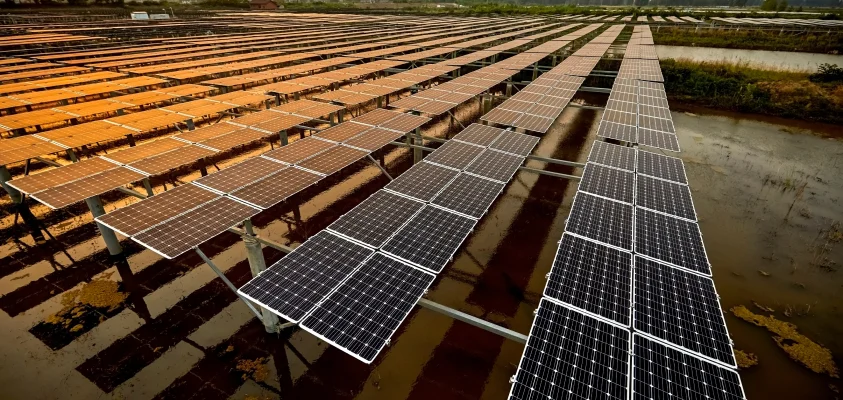
- Solar panels converting sunlight into electricity for homes, offices, and urban grids
- Wind turbines generating clean power for rural and coastal communities
- Hydroelectric dams supplying electricity to cities, towns, and industries
- Geothermal systems providing heating and cooling for residential and commercial buildings
- Biomass and biogas facilities converting organic waste into clean fuel
- Solar-powered streetlights reducing grid dependence in public spaces
Sources of clean energy
The primary sources of clean energy include:
- Solar energy
- Wind energy
- Hydropower
- Geothermal energy
- Biomass energy
- Green hydrogen (emerging clean energy source)