


 Contact us


What is wind energy?
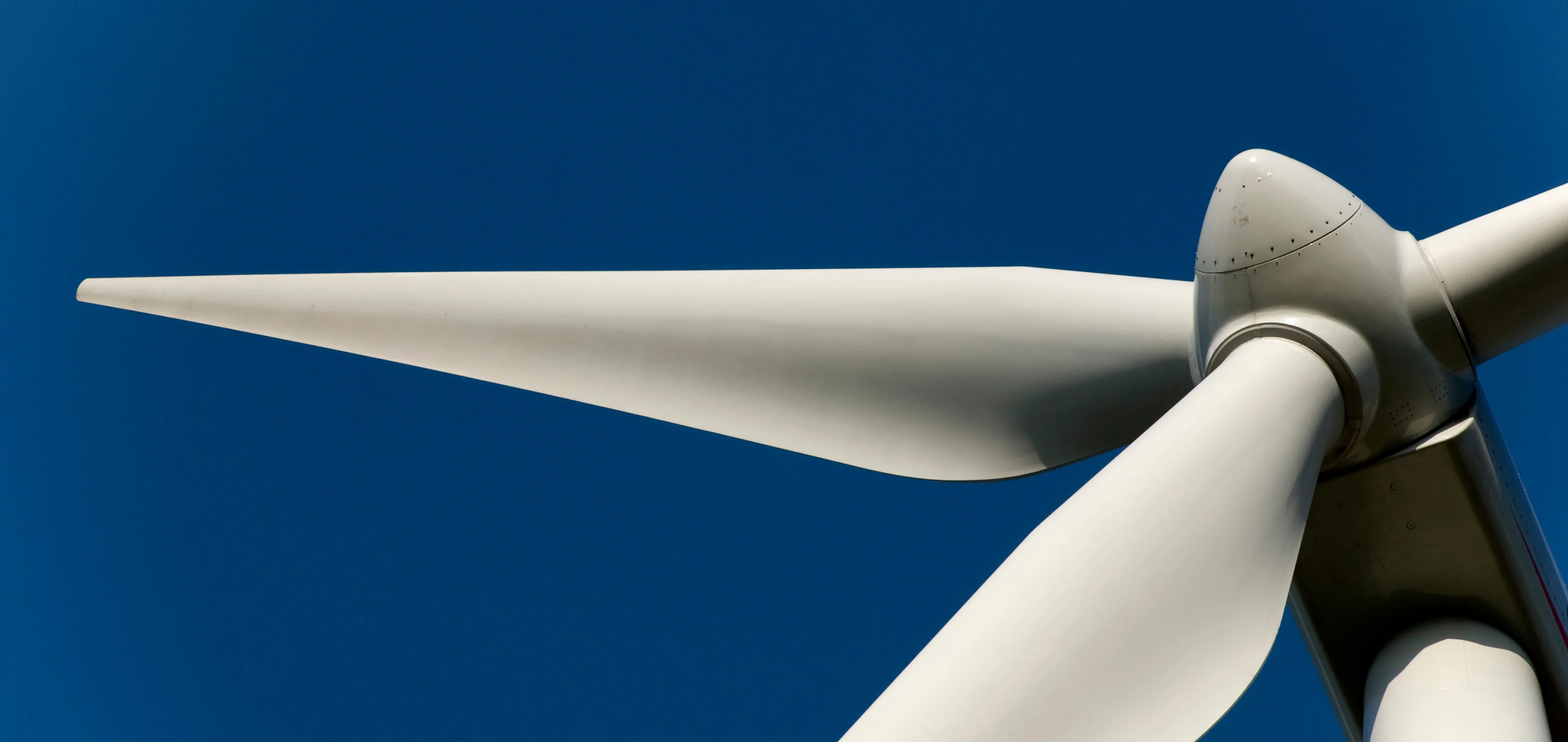
Wind energy is the power captured from the wind’s movement using turbines with spinning blades that convert kinetic energy into electricity. It is a clean, renewable, and sustainable source of energy that reduces dependence on fossil fuels and is being increasingly adopted worldwide.
In simple terms, wind energy means capturing the natural power of the wind to generate electricity or perform mechanical work. Just like wind has been used for centuries to sail ships or grind grain, today it is primarily used to produce renewable electricity.
Importance of Wind Energy
The importance of wind energy lies in its ability to reduce reliance on fossil fuels. As a renewable resource that replenishes naturally, it helps cut down greenhouse gas emissions and provides clean power for households, businesses, and industries. Wind energy also offers long-term cost savings, enhances energy independence, and supports the global transition to a greener and more sustainable future.
Uses of Wind Energy
Common uses of wind energy include:
- Electricity generation: The primary use of wind energy is to produce electricity for homes, businesses, and industries through wind turbines connected to power grids.
- Water pumping: Windmills are used in some regions to pump water for irrigation or livestock.
- Mechanical power: Wind energy can power mechanical systems, such as grinding grain or sawing wood, in traditional windmills.
- Off-grid applications: Small-scale wind turbines provide power in remote areas for homes, telecommunications, or community facilities.
- Hybrid systems: Wind energy is often combined with solar or other energy sources to provide reliable power in hybrid energy systems.
- Transportation: Wind energy can indirectly support transportation, such as powering electric vehicle charging stations with wind-generated electricity.
- Wind sports: Sports like sailing, windsurfing, and kite surfing rely on natural wind power for recreation and competition.
- Food industry: Wind energy supports food production by powering irrigation systems and processing facilities in an eco-friendly way.
Examples of Wind Energy
Some practical examples of wind energy are
- Wind turbines on hills generating electricity for local towns and communities.
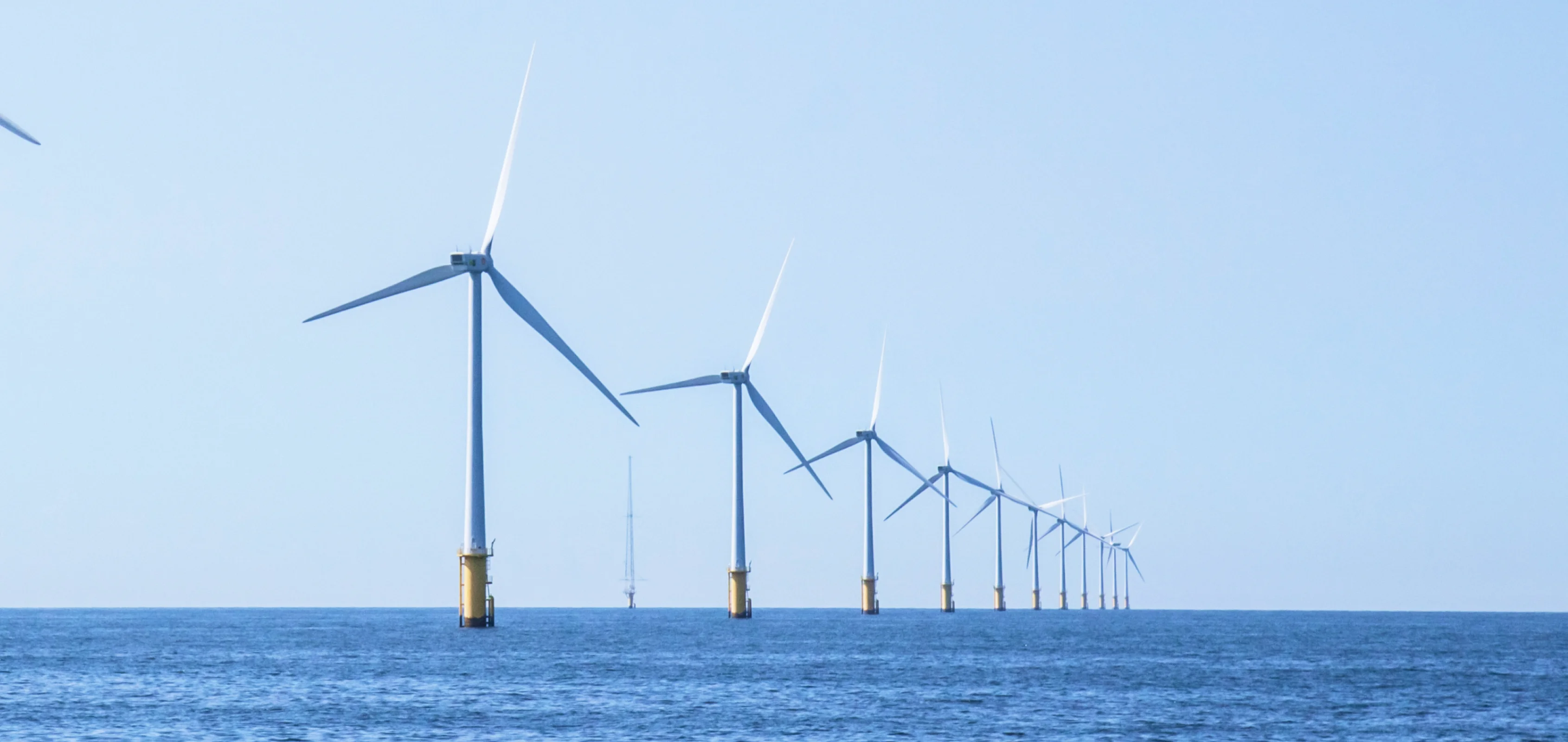
- Offshore wind farms supplying clean power to coastal cities and regions.
- Small wind turbines powering farms or remote homes independently.
- Wind-powered water pumps used in rural areas for irrigation and farming.
- Community wind projects providing shared electricity to local neighborhoods.
- Large-scale wind farms feeding renewable electricity to the national grid.
- Community wind projects sharing clean power
These examples show how wind energy plays a growing role in a sustainable and greener future.
Related Terms
Blogs
READ MORE