


 Contact us


What is Conventional Energy
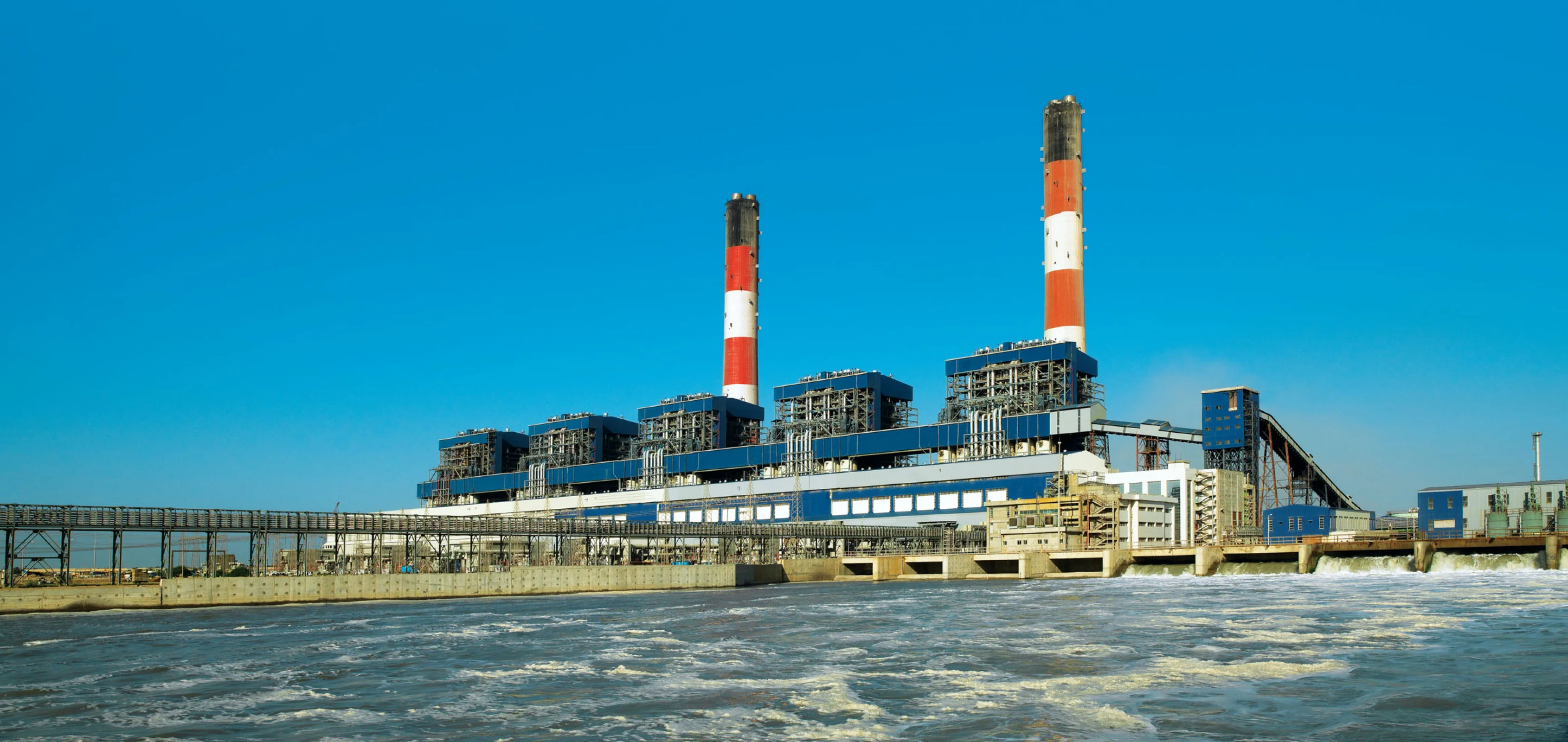
Conventional energy refers to energy sources that have been traditionally used for decades to generate power. These mainly include non-renewable energy sources such as coal, oil, natural gas, and nuclear fuel. They are called "conventional" because they are widely established and have historically formed the backbone of global energy supply.
In simple terms, Conventional energy is the bulk of global energy today, and is mostly non-renewable.
Importance of Conventional Energy
Conventional energy is vital for sustaining modern economies. It powers industries, fuels vehicles, generates electricity, and supports agriculture and commerce. Its reliability and high energy output make it indispensable. Despite environmental concerns, Conventional energy remains the backbone of global energy supply due to its availability, infrastructure, and cost-effectiveness.
Uses of Conventional Energy
Conventional energy is used in electricity generation, transportation, heating, and industrial processes. Coal- and natural gas-powered plants supply electricity to cities, petroleum fuels vehicles, and natural gas is widely used for cooking and heating. These energy forms also support agriculture, construction, and manufacturing, driving overall economic activity and human development.
Sources of Conventional Energy
The main sources of conventional power generation are fossil fuels, coal, petroleum, and natural gas, derived from decomposed organic matter. Nuclear energy, produced from uranium and other radioactive elements, is also a significant source. These energy resources are finite, heavily relied upon worldwide, and form the basis of industrial and economic growth.
Related Terms
Blogs
READ MORE