


 Contact us


What is Direct Current (DC)?
Direct Current (DC) is a type of electric current in which electric charge flows in one constant direction. Unlike alternating current (AC), which changes direction periodically, DC maintains a steady flow and constant polarity.
In simple terms, direct current refers to electricity that moves in a single direction from a power source to a device. This includes electricity generated by sources such as batteries, solar panels, and DC power supplies, all of which provide stable and consistent voltage.
Importance of Direct Current
Direct current is important because it powers most modern electronics and renewable energy systems. Devices such as smartphones, laptops, LED lights, and electric vehicles rely on DC for stable operation. It is also essential for solar power systems, where solar panels generate DC electricity that can be stored in batteries or converted into AC for home use.
DC enables efficient energy storage, reliable portable power, and the functioning of clean energy technologies, making it a key part of today’s digital and sustainable energy ecosystem.
How Direct Current Works
Direct current works through the steady movement of electrons in one direction through a circuit. A DC source such as a battery or solar panel creates a voltage difference between two terminals. When the circuit is connected, electrons flow continuously from the negative terminal to the positive terminal, producing electricity that powers devices.
In solar systems, DC electricity generated by panels is often stored in batteries or converted into AC using an inverter so it can run household appliances.
Uses of Direct Current
Common uses of direct current include:
- Powering electronic devices such as phones, laptops, televisions, and cameras
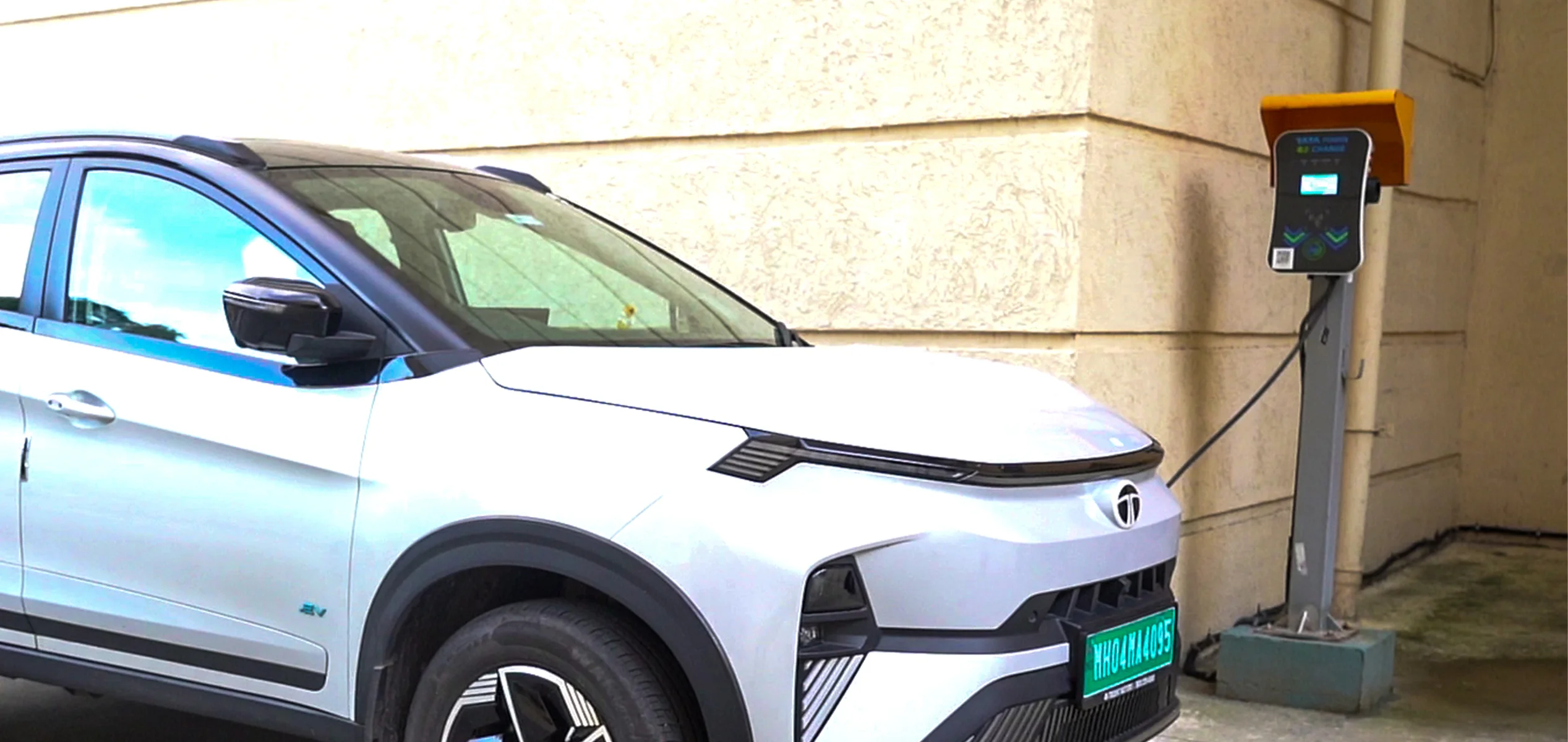
- Running electric vehicles and e-bikes using battery power
- Supplying electricity from solar panels in rooftop solar systems
- Charging batteries in home backup or UPS systems
- Operating LED lighting systems and low-voltage appliances
- Powering telecom towers, data centers, and control systems
Examples of Direct Current
Some practical examples of direct current are:
- Batteries used in remote controls, flashlights, and smartphones
- Solar panels generating DC electricity from sunlight
- Power banks charging mobile devices
- Electric vehicle battery systems supplying DC power to motors
- Laptop chargers converting AC from the wall into DC for devices
- USB charging ports delivering DC electricity to electronics
These examples show how direct current is widely used in everyday electronics, renewable energy systems, and electric mobility.
Related Terms
Blogs
READ MORE