
Introduction

Have you ever wondered why your electricity sometimes goes off even when there’s no visible problem? Many people quickly assume it’s just a power cut, but often, it’s actually load shedding. Understanding what load shedding means and why it is done can help you stay prepared and reduce the inconvenience when your power goes off. In this blog, we’ll explain these differences clearly and explore the causes, effects, and best solutions for both load shedding and power cuts.

So, what is load shedding, and how is it different from a regular power cut or electricity power cut? A power cut usually happens unexpectedly because of faults, accidents, or weather damage. Load shedding, on the other hand, is a planned way to reduce electricity use when the demand on the power grid is higher than the supply available. This helps prevent a complete blackout and protects the entire electricity system from failing.

Let’s begin by taking a closer look at what load shedding really is.

What is load shedding: Meaning and purpose

Definition of load shedding: Load shedding is a planned process used by electricity providers to reduce the load on the power grid when the demand for electricity exceeds the supply. Simply put, it means temporarily switching off power in certain areas to prevent the entire system from overloading and failing. This helps avoid a complete blackout, which can be much more damaging and harder to fix.

Purpose of load shedding: The purpose of load shedding is to maintain the stability of the electricity network and ensure that power can be restored as quickly as possible. It is not a random power cut but a controlled method used to manage limited electricity resources, especially during peak hours or times of increased demand.

At its core, load shedding protects both the electricity infrastructure and the consumers by preventing sudden, widespread outages. By carefully planning which areas will experience temporary power cuts, utility companies like Tata Power can keep the grid balanced and working smoothly.

Understanding what is load shedding electricity is important because it helps you know why power might be interrupted and that it’s part of a larger plan to keep electricity flowing safely for everyone.

Causes and effects of load shedding: Why is load shedding done?

Load shedding happens when the demand for electricity exceeds the available supply. This controlled interruption is necessary to protect the power system and avoid complete blackouts. Understanding why load shedding is done can help make sense of this inconvenience.

Here are the main causes and effects of load shedding:


Causes of Load Shedding

Approximate cost without subsidy (₹) 

High electricity demand during peak hours

Temporary loss of power to homes and businesses

Insufficient power generation due to maintenance or faults

Disruption to daily activities like lighting and appliances

Damage to infrastructure from storms or accidents

Impact on businesses causing production slowdowns and financial loss

Fuel shortages limiting power plant capacity

Inconvenience for households affecting essential tasks like cooking and studying

Transmission network limitations

Increased use of backup power like generators or inverters


Load shedding is done to prevent larger problems, like a full blackout, which would be harder and longer to fix. Tata Power works continuously to reduce the need for load shedding by upgrading infrastructure and improving power supply reliability.

Understanding why load shedding is done helps you see why it’s sometimes necessary despite the inconvenience.


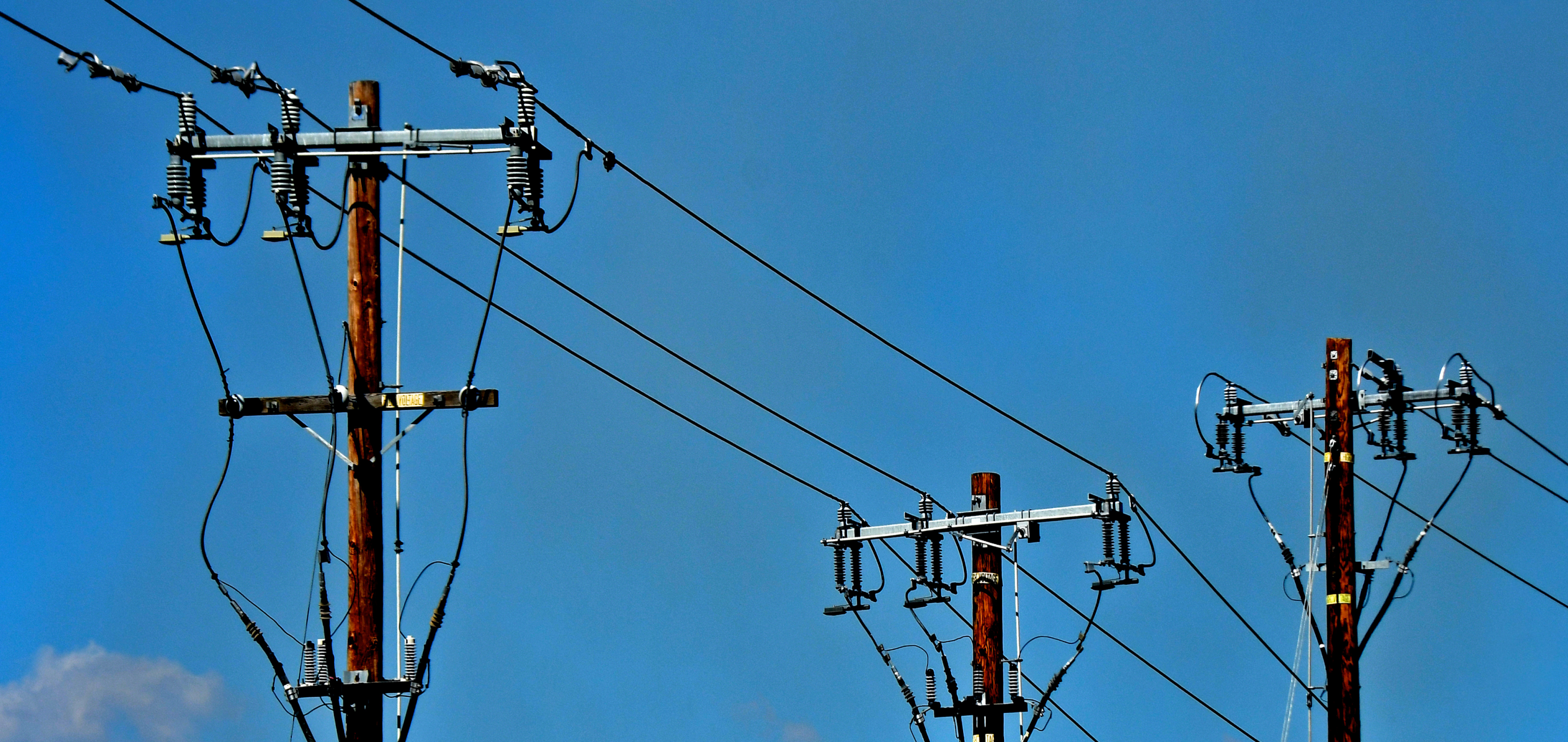
High-voltage power lines and electrical equipment for energy transmission

What Are the Different Stages of Load Shedding and How Do They Work?

Load shedding is often divided into stages or levels, which help electricity providers manage power shortages more effectively. Understanding how does load shedding stages work is key to knowing what to expect during power interruptions. Each stage represents a different degree of power reduction, depending on how much the supply falls short of demand.


Stage

Areas affected 

Duration

When triggered

Stage 1

Small portion, limited areas 

Short outages

Mild supply deficit

Stage 2

More areas affected

Longer outages 

Growing power deficit

Stage 3+

Large parts of the grid 

Extended outages 

Severe shortages or emergencies


Each stage is carefully planned and communicated in advance so residents and businesses can prepare accordingly. The goal is to balance the load on the grid while minimizing disruption. Tata Power uses a clear staging system to manage electricity supply smoothly and reduce the impact on customers.


Here’s how the stages typically work:


 - Stage 1: This is the mildest stage where only a small portion of the electricity demand is cut off. It usually results in shorter power outages and affects fewer areas.


 - Stage 2: At this level, more areas experience power cuts, and outages last longer. This stage is activated when the power deficit grows larger.


 - Stage 3 and beyond: In higher stages, a larger part of the grid faces power cuts for extended periods. This happens during severe shortages or emergencies when demand far exceeds supply.


Each stage is carefully planned and communicated in advance so that residents and businesses can prepare accordingly. The goal is to balance the load on the grid while minimizing disruption.

By understanding how does load shedding stages work, consumers can better plan their activities during power interruptions. Tata Power uses a clear staging system to manage electricity supply smoothly and reduce the impact on customers.

What Is Power Outage: Understanding Power Cuts and Their Impact

A power outage, commonly known as a power cut or electricity power cut, is the sudden loss of electrical power in a particular area. Unlike load shedding, which is planned and controlled, power outages—also called power failures, electricity outages, or blackouts, are usually unexpected and caused by faults or accidents in the electricity network.

Power outages can happen due to various reasons such as equipment failure, storms, accidents, or issues in the transmission and distribution system. For example, a severe storm might knock down power lines, causing an outage that lasts several hours until repairs are made. These unplanned interruptions can last from a few minutes to several hours depending on the cause and repair time.

While power outages disrupt daily life by cutting off electricity to homes and businesses, they differ from load shedding because they are not intentional or planned to balance supply and demand. Understanding what is power cut helps consumers know these outages are often emergencies or faults that utility companies work hard to fix.

Common Causes of Power Outage: Why Power Cuts Happen

Power outages or electricity power cuts happen for several reasons. Unlike load shedding, these are usually unexpected and caused by faults or accidents. Power cuts are more common during certain seasons, especially the monsoons, when storms and heavy rains increase the risk of damage.

Here are the most common causes of power outages, divided into natural and technical/human causes:


Natural Causes

Technical / Human Causes

Weather events: storms, heavy rain, lightning, strong winds damaging power lines or infrastructure

Equipment failure: transformers, cables, electrical components breaking down unexpectedly

Animals: birds, squirrels causing faults by contacting electrical equipment

Technical faults: sudden faults in transmission or distribution networks

Tree branches: overgrown branches touching power lines causing short circuits

Human error: mistakes during maintenance or switching operations causing outages

Accidents: vehicle crashes or construction damaging power poles or underground cables


What is the difference between load shedding and power cut?

Understanding what is load shedding and what is power cut is essential to grasp their impact on electricity supply. Load shedding is a planned and controlled process where power supply is temporarily reduced to balance demand and prevent system overload. In contrast, a power cut is an unplanned outage affecting electricity supply due to faults or emergencies. This comparison highlights the difference between load shedding and power cut, explains why load shedding is done, and explores causes of load shedding along with potential solutions.


Aspect

Load Shedding

Power Cut (Power Outage)

Nature

Planned, controlled, and scheduled

Unplanned, sudden, and unexpected

Reason

To balance electricity supply and demand

Caused by equipment failure, accidents, weather, or faults

Notification

Customers usually informed in advance

No prior warning; happens without notice

Purpose

Prevent grid overload and widespread blackouts

Restore power after fault or damage

Duration

Temporary, usually for a fixed period

Varies widely; depends on fault severity and repair time

Impact on Grid

Maintains grid stability and prevents collapse

Can cause sudden grid instability or cascading failures

Geographical Scope

Affects specific areas or zones in rotation

Can affect small areas to entire regions

Frequency

Occurs periodically during high demand or shortages

Occurs irregularly due to faults or accidents

Customer Preparation

Customers can plan ahead for outages

Customers caught off-guard, no time to prepare

Economic Impact

Managed to reduce financial losses overall

Can cause sudden losses, often more disruptive

Power transmission system featuring high-voltage electricity lines

Best Solutions for Load Shedding and Power Cuts: How to Stay Powered

Dealing with load shedding and power cuts can be frustrating, but there are practical ways to reduce their impact on your daily life. Whether it’s a planned power interruption or an unexpected outage, being prepared and using the right solutions can make all the difference.

Solutions for Homes

Top 3 Backup Power Options:

 - Inverters, UPS, and Home Batteries: Keep essential appliances running during power cuts.

 - Generators: Provide reliable power during longer outages for homes and small businesses.

 - Energy-efficient Appliances: Use devices that consume less power to reduce overall demand.

Daily Power-Saving Habits:

 - Avoid using heavy appliances during peak hours to help reduce electricity load.

 - Switch off unused lights and electronics to conserve power.

 - Use natural light during the day whenever possible.

Solutions for Utility Providers

Utility companies and communities play a crucial role in managing load shedding and power outages through infrastructure and technology improvements:

 - Infrastructure Upgrades: Enhancing power plants, transmission lines, and distribution networks to increase reliability.

 - Renewable Energy Investments: Supplementing traditional power with solar, wind, and other renewable sources to reduce shortages.

 - Demand Management: Educating consumers about peak usage times and encouraging energy-saving habits.

 - Real-time Monitoring: Implementing smart grid technologies for better control and faster response to supply issues.


At Tata Power, a combination of advanced infrastructure, renewable energy projects, and customer engagement programs work together to minimize load shedding and power outages. Their efforts focus on delivering stable, uninterrupted power supply while promoting sustainable energy solutions.

Understanding the best solution for load shedding means adopting smart personal practices while supporting broader energy improvements for a more reliable future.

Here’s how Tata Power’s distribution services help make this possible:

 - Smart Grid Technology: Enhances real-time monitoring and quick response to power issues.

 - Battery Energy Storage Systems: Provide backup power to maintain stability during peak demand.

 - Customer Engagement Programs: Encourage energy-saving habits to reduce load on the grid.

 - Infrastructure Upgrades: Improve the reliability and resilience of the electricity network.

To learn more about how Tata Power is working to ensure reliable power supply and reduce outages, visit now!

Bottomline

Load shedding and power cuts can disrupt our daily routines, but knowing the difference between them helps us stay prepared. Load shedding is a planned way to manage electricity when demand is high, while power cuts happen unexpectedly due to faults or damage. Both situations call for practical solutions like using backup power and adopting energy-saving habits.

By understanding the causes and effects of these power interruptions, and by supporting smarter energy use and infrastructure improvements, we can work toward a future with fewer outages and a more reliable power supply for everyone.

Frequently asked questions

The frequently asked questions section is a reliable source for unlocking answers to some of the most crucial inquiries. Please refer to this section for any queries you may have.


During load shedding, electricity supply is intentionally reduced or cut off in certain areas to balance demand and prevent the grid from collapsing. This controlled process helps avoid a complete blackout by temporarily interrupting power to manage shortages. Load shedding stages determine how much power is cut based on the severity of the supply deficit.


Load shedding is a type of power outage, but it is planned and controlled, unlike unexpected power cuts. While a power cut or electricity power cut happens due to faults or accidents, load shedding is done to manage electricity supply and demand, preventing total grid failure.


The duration of a power cut varies widely depending on the cause, ranging from a few minutes to several hours or even longer. Unlike planned load shedding, power cuts are unplanned outages caused by faults or accidents, making the restoration time less predictable.


In India, load shedding refers to the planned, temporary interruption of electricity supply to certain areas during peak demand or supply shortages. This practice helps balance the electricity grid and avoid widespread blackouts, especially during times of high consumption or infrastructure challenges.


Shedding its load means intentionally reducing or cutting off electrical power to parts of the grid to prevent overloading. This is done during load shedding to maintain grid stability and ensure the overall electricity system remains operational.


During a power cut, electricity supply is unexpectedly interrupted, causing a sudden loss of power in homes and businesses. Power cuts are usually caused by faults, accidents, or natural events and are unplanned, unlike the scheduled interruptions of load shedding.


The best battery for load shedding is typically a deep-cycle inverter battery or a lithium-ion home battery system, which provides reliable backup power during outages. These batteries support essential appliances and help reduce disruption caused by electricity supply interruptions.

If there is a power cut in your area, first check with your electricity provider for updates or estimated restoration times. Use backup power sources like inverters or generators if available, and conserve energy by turning off unnecessary appliances until power is restored.

Sources

Load Shedding Definition - TechTarget

Load Shedding - Entergy Storm Center

Load Shedding Description - Eskom

What Is Load Shedding? - Greenly

What Is Load Shedding? - Elum Energy

What is Load Shedding in Computer Networks? - GeeksforGeeks

Load Shedding - AusNet Services

Load Shedding - Ausgrid

Brainly Question on Load Shedding

What Is Load Shedding? - EcoFlow South Africa

Difference Between Blackout and Load Shedding - Yasira Rafin

Difference Between Load Shedding & Load Reduction - EcoFlow

What Is Load Shedding? - Endeavour Energy

What Is Power Outage? - Bajaj Finserv

Power Cuts - National Grid

Everything You Need to Know About Power Cuts - Sollatek

No Light Load Shedding: Have You Had Enough of Power Cuts? - Sollatek