


 Contact us


What is Sustainability
Sustainability is the idea of living and developing in a way that meets today’s needs without harming the ability of future generations to meet theirs. It usually has three main pillars: environmental, economic, and social.
In simple terms, the meaning of sustainability is to ensure that our future generations do not suffer due to our actions or wasteful use of resources.
Importance of Sustainability
Sustainability matters because it connects people, the planet, and prosperity. It helps protect natural resources, ensures fair growth, and supports healthier communities. By adopting sustainable practices, societies can fight climate change, reduce inequality, and build economies that don’t depend on exhausting limited resources. This makes life better today, while also protecting the future.
Environmental Sustainability
The concept of sustainable environment is about using Earth’s resources wisely so they remain available for generations to come. It means reducing pollution, protecting wildlife, and preventing problems like deforestation, plastic waste, and global warming. Examples include recycling, conserving water, switching to renewable energy, and designing products for reuse instead of waste.
Sustainability Examples
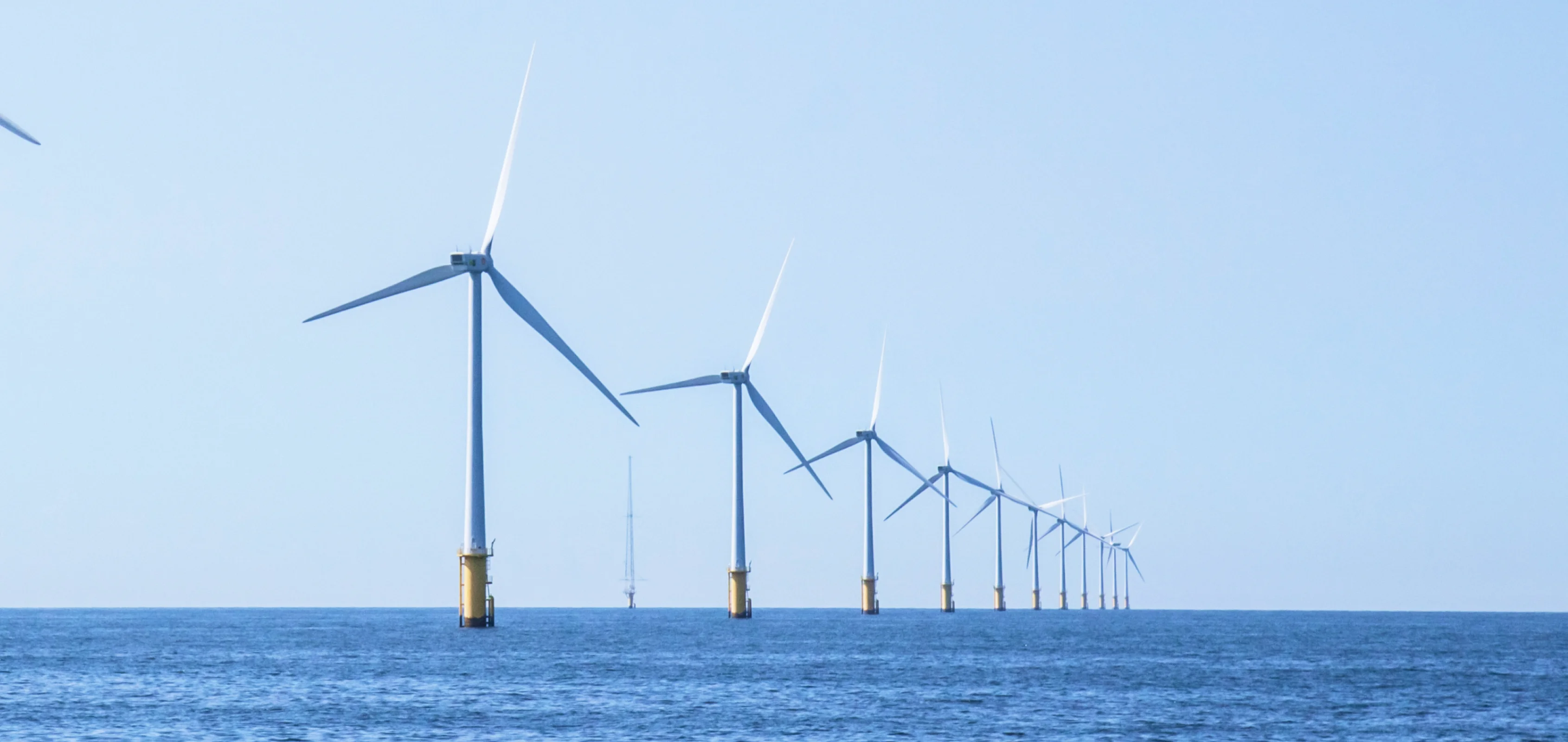
- Renewable energy: Solar, wind, and hydropower reduce dependence on fossil fuels
- Sustainable farming: Using organic methods and crop rotation to maintain healthy soil
- Green buildings: Homes and offices designed to save energy and water
- Eco-friendly transport: Electric cars, cycling, and public transport that help lower emissions
Uses of Sustainability
Sustainability guides how communities, businesses, and individuals use resources responsibly. It supports eco-friendly practices in energy, farming, construction, and transport, while promoting social fairness and economic resilience. These uses not only reduce environmental harm but also create healthier societies and long-lasting growth, ensuring well-being for present and future generations.
Related Terms
Blogs
READ MORE