


 Contact us


What is rooftop solar / rooftop solar system
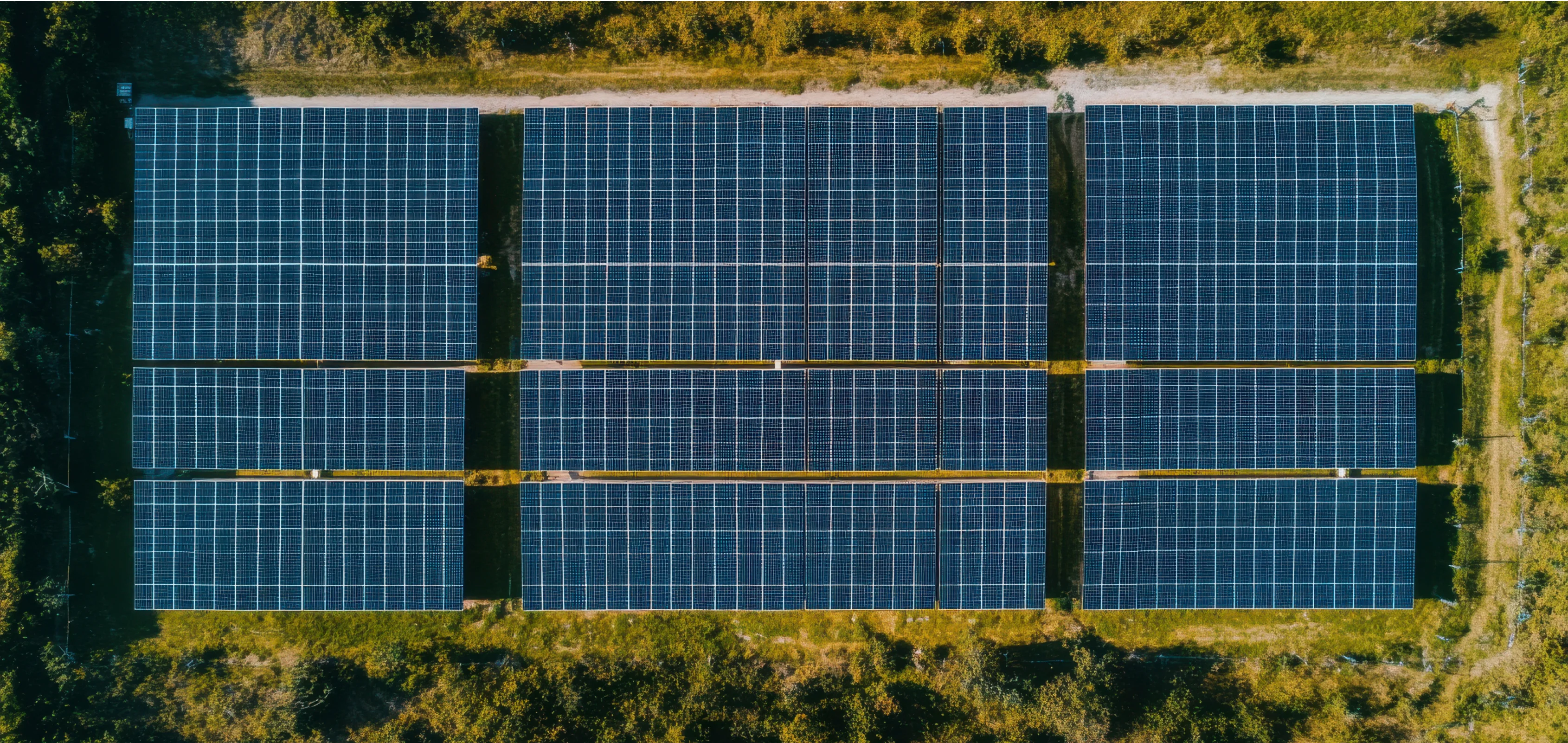
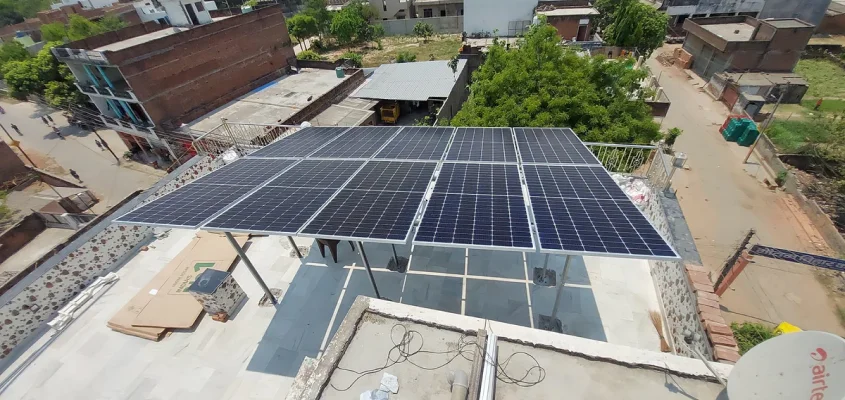
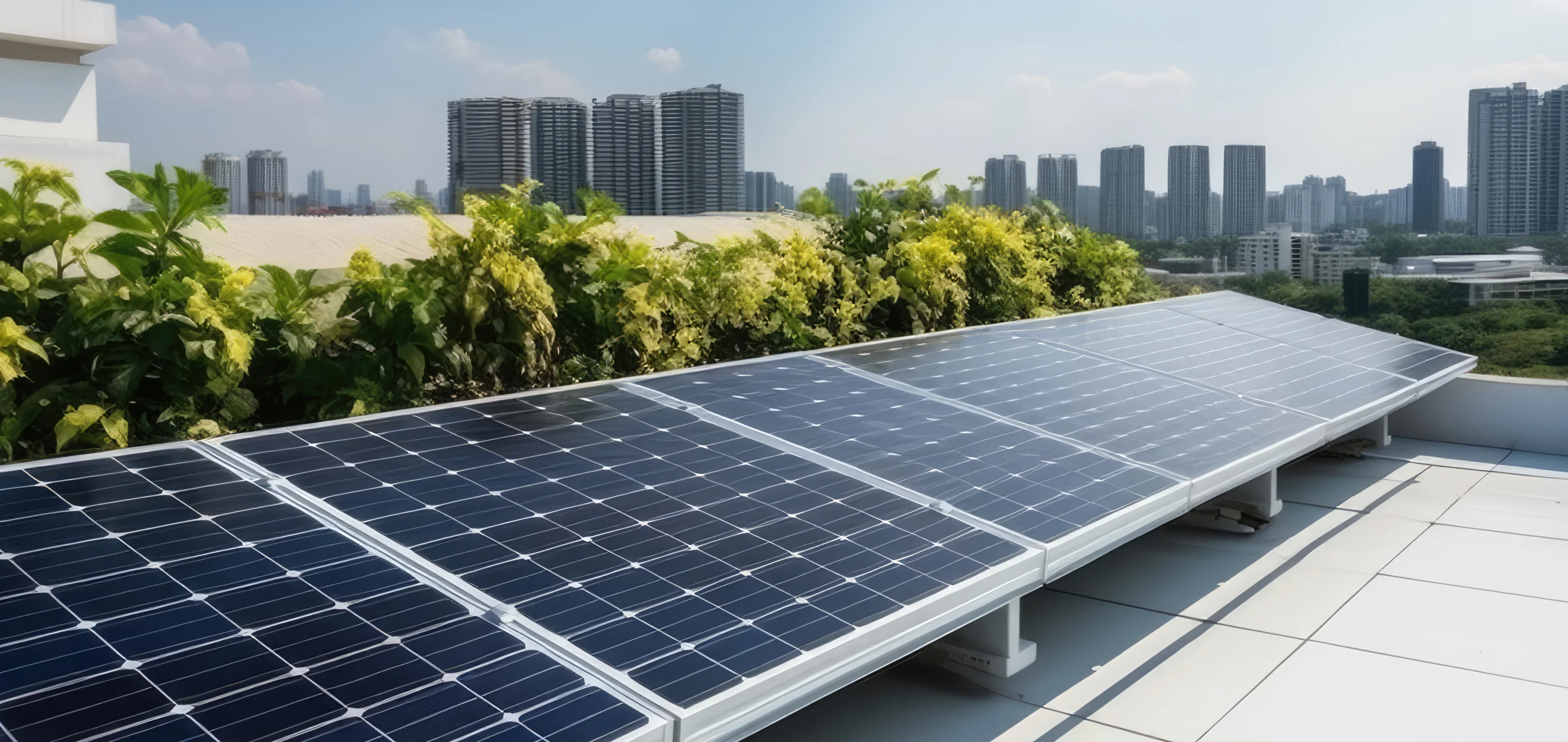
Rooftop solar power, or rooftop solar energy, refers to photovoltaic (PV) systems installed on the roofs of buildings to generate electricity directly from sunlight. Rooftop solar systems use photovoltaic (PV) panels, usually made from silicon-based semiconductor cells, which convert sunlight directly into electrical energy. The electricity produced can be used onsite or fed back into the grid.
In simple terms, rooftop solar means having solar panels on your roof that produce clean, renewable electricity for your home, business, or facility.
Importance of rooftop solar
The importance of rooftop solar lies in its ability to:
- Reduce electricity bills by generating power locally
- Promote renewable energy adoption and reduce carbon emissions
- Enhance energy independence and lessen grid dependence
- Utilize otherwise unused roof space efficiently
- Support a sustainable, cost-effective energy future for homes, businesses, and industries
- Reduce pressure on the central power grid, especially in urban areas
Uses of rooftop solar
Common uses of rooftop solar include:
- Generating electricity for homes and businesses
- Reducing grid reliance with net metering
- Powering appliances and lighting
- Supporting off-grid or hybrid systems
- Charging electric vehicles at home or commercial locations
- Powering water heating systems to reduce energy costs
- Supporting agricultural needs such as irrigation pumps and greenhouse operations
- Providing energy for telecommunication infrastructure like remote cell towers
- Powering public lighting and security systems such as streetlights and surveillance cameras
Examples of rooftop solar systems
Practical examples include:
- Solar panels on homes powering daily energy needs
- Rooftop solar systems on offices reducing electricity costs
- Solar arrays on schools supporting lighting and HVAC
- Rooftop solar with battery storage for nighttime use
- Commercial buildings using solar for sustainable operations
- Factories with rooftop panels offsetting industrial power demand
- Residential complexes installing rooftop solar to share power among multiple households (community solar model)
- Shopping malls and supermarkets using rooftop solar to offset large-scale energy consumption
- Hotels and resorts employing rooftop solar systems to support sustainable tourism
- Remote offices and data centers using rooftop solar for reliable, clean power backup
- Government buildings and municipal offices adopting rooftop solar to lead sustainability efforts
- Factories integrating rooftop solar with smart grid technologies to optimize energy use
How a rooftop solar system works (Grid-connected)
1. Sunlight conversion: Solar panels convert sunlight into direct current (DC) electricity.
2. Inverter: The DC electricity is converted into alternating current (AC) electricity usable by appliances.
3. Consumption: The AC electricity powers the building's electrical loads.
4. Excess energy: Surplus electricity can be fed back into the grid, earning credits under net metering schemes.
Related Terms
Blogs
READ MORE