


 Contact us


What is wind power?
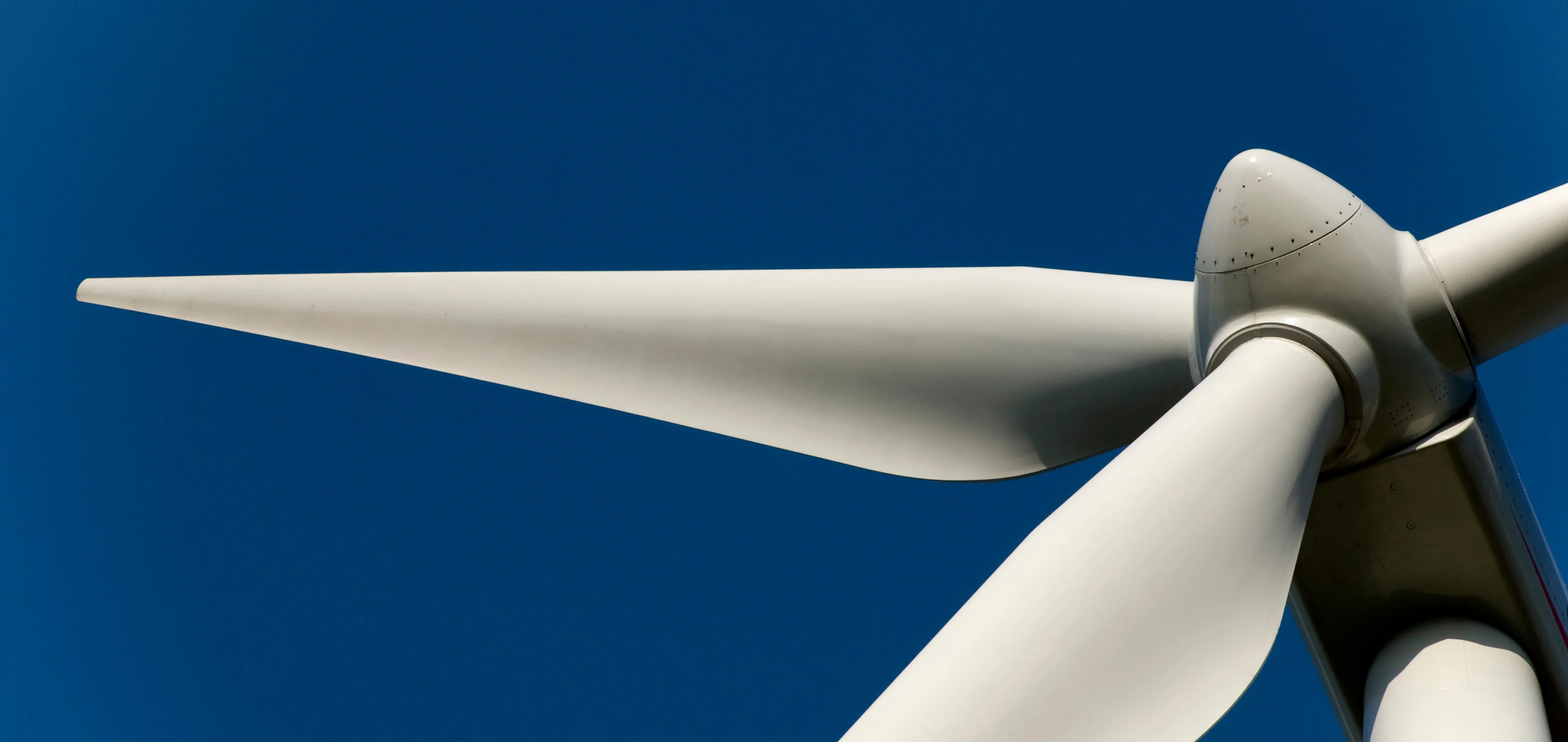
Wind power is the process of converting the kinetic energy of moving air into electricity using wind turbines with spinning blades. The turbines capture wind energy and transform it into mechanical power, which is then converted into electrical energy.
In simple terms, the wind power definition refers to a clean, renewable, and sustainable energy source that supplies electricity to homes, businesses, industries, and communities. By harnessing natural wind currents, it reduces reliance on fossil fuels and supports environmental sustainability.
Importance of wind power
The importance of wind power lies in its ability to reduce greenhouse gas emissions, diversify energy sources, and promote energy independence.
Wind power supports climate goals, lowers dependence on fossil fuels, and provides cost-effective renewable electricity. It also contributes to energy security, creates jobs in the renewable energy sector, and strengthens the transition toward a low-carbon economy.
Uses of wind power
Common uses of wind power include:
- Generating electricity for residential and commercial consumption
- Powering industrial facilities through large-scale wind farms
- Supplying clean energy to national grids
- Supporting rural electrification and remote area power supply
- Driving hybrid renewable energy projects combining wind with solar or storage
- Operating small wind turbines for community microgrids or isolated locations
- Integrating with sustainable infrastructure and smart grid projects
Examples of wind power
Some practical examples of wind power are:
- Onshore wind farms generating electricity for cities and towns
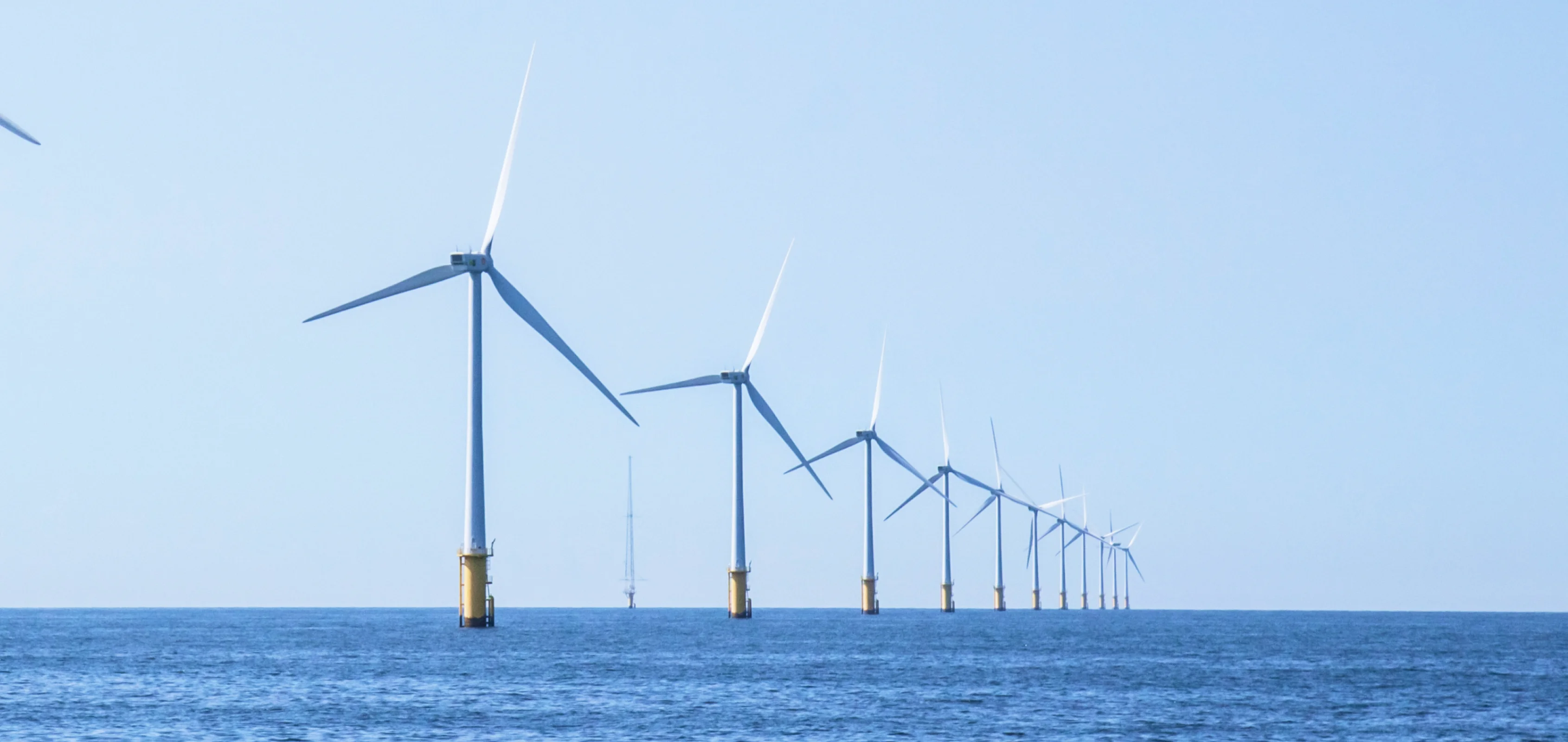
- Offshore wind projects supplying power to coastal regions
- Small wind turbines powering rural homes and farms
- Wind-powered microgrids providing energy to remote communities
- Corporate wind power purchase agreements (PPAs) for meeting sustainability goals
- Utility-scale wind farms contributing to national renewable energy targets
These examples illustrate how wind power provides clean, reliable, and scalable energy while supporting environmental protection, economic growth, and energy security.
Related Terms
Blogs
READ MORE