


 Contact us
Power distribution is necessary for building a resilient energy system


Introduction
Renewable energy trends in 2026 are redefining India’s clean energy journey and shaping the global renewable energy future. In recent years, renewable energy industry trends have accelerated worldwide, driven by innovations in new renewable energy technology and strong policy support. India stands at the forefront of these recent trends in renewable energy, leading with rapid growth in solar, wind, and emerging renewable energy technologies. As the nation focuses on sustainability and carbon reduction, it continues to influence future renewable energy sources and clean energy trends that are transforming how power is generated, distributed, and consumed globally.
India’s energy demand is projected to increase more than that of any other country in the coming decades due to its population size and economic potential. The Government of India aims to achieve net zero carbon emissions by 2070. To meet rising energy demands, India is focusing on expanding low-carbon and renewable resources.
As of 2025, India ranked fourth globally in both wind and solar power capacity, as well as in total renewable energy capacity. The country’s renewable energy sector continues to grow rapidly, maintaining an annual growth rate of over 15% since 2016. According to data from the Ministry of New and Renewable Energy (MNRE), India’s total installed renewable energy capacity reached approximately 190 GW (excluding large hydro) and over 220 GW including hydro by late 2025. By 2027, this figure is expected to surpass 250 GW, highlighting India’s role as one of the fastest-growing renewable electricity markets worldwide.
With strong government support, favorable policies, and improved economics, the renewable energy sector has become an attractive area for domestic and international investors. India’s energy demand is projected to reach nearly 15,820 TWh by 2040, and renewable energy will play a central role in meeting this growing need.
Global renewable energy trends 2026
The global renewable energy landscape is evolving rapidly, driven by clean energy innovations, shifting policy frameworks, and a worldwide commitment to sustainability. The global renewable energy market 2026 is expected to see record growth as countries invest heavily in solar, wind, storage, and smart grid systems that define the next era of power generation.
Advancements in solar and wind efficiency
One of the defining clean energy innovations shaping the global renewable energy market 2026 is the significant improvement in solar and wind technology efficiency. Advances in photovoltaic materials, turbine design, and large-scale project deployment are making renewable energy more competitive with traditional fossil fuels. These upgrades not only enhance generation capacity but also reduce costs, strengthening the foundation for a sustainable renewable energy future.
Decentralized and digital energy systems
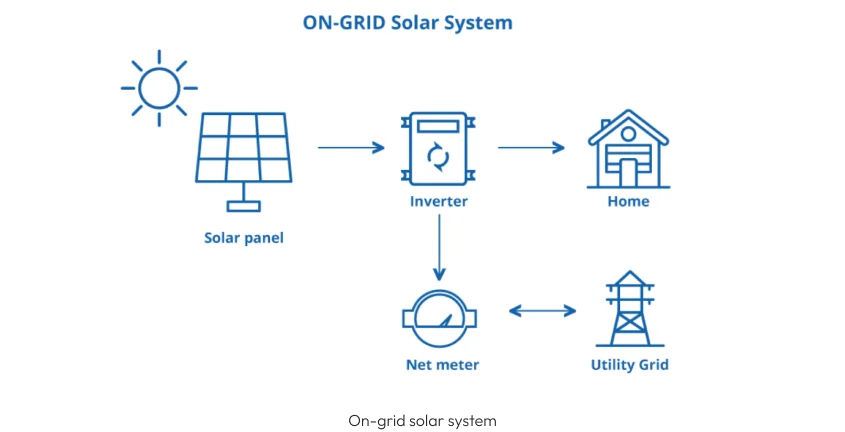
The rise of decentralized power generation marks another major milestone in global renewable energy trends 2026. Localized energy solutions such as rooftop solar panels, community microgrids, and home battery systems are expanding access to electricity in remote regions while improving energy resilience. These clean energy innovations empower individuals and businesses to generate and store their own power, contributing to a more flexible and reliable grid structure.
AI and smart grid integration in renewable energy
Artificial intelligence (AI), machine learning, and data analytics are revolutionizing the smart grid technology landscape. Utilities worldwide are deploying intelligent grid systems capable of forecasting demand, detecting faults, and optimizing energy distribution in real time. This digital transformation enhances efficiency and minimizes transmission losses, making AI integration one of the most impactful clean energy innovations driving the global renewable energy market 2026.
Renewable energy storage trends
Energy storage continues to be a critical pillar of the future of renewable energy. The latest renewable energy storage trends show rapid advancements in lithium-ion, solid-state, and alternative battery chemistries that are improving energy density, longevity, and cost efficiency. These technologies are helping to overcome intermittency challenges associated with solar and wind, ensuring a stable and continuous power supply. The evolution of storage systems will be a key enabler of global energy security in 2026 and beyond.
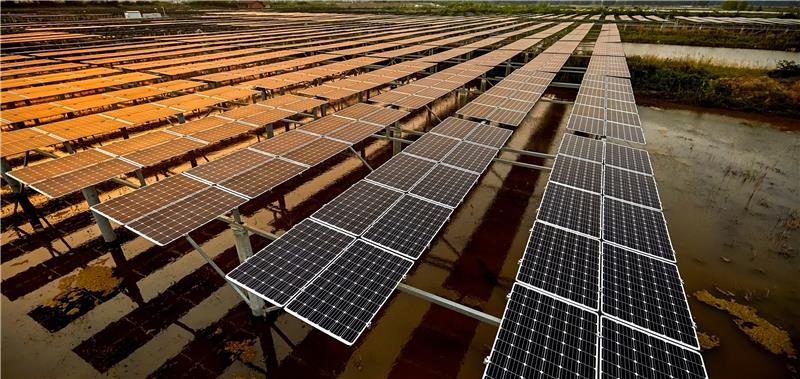
Renewable energy trends in India 2026
India remains a central player in the global renewable energy transition. With vast geographical diversity and abundant natural resources, the country holds immense potential for sustainable energy growth.
India remains a central player in the global renewable energy transition. With vast geographical diversity and abundant natural resources, the country holds immense potential for sustainable energy growth. The renewable energy growth in India is accelerating rapidly as the nation pursues an ambitious path toward a cleaner, greener economy and solidifies its leadership in the global energy landscape.
India’s renewable capacity outlook 2026–2030
India’s renewable energy capacity continues to expand at an impressive pace, aligning closely with India renewable targets 2030, which aim for 500 GW of non-fossil fuel capacity by the end of the decade. By late 2025, India’s total installed electricity generation capacity surpassed 460 GW, with renewables contributing nearly 46% of the total mix.
According to the Ministry of New and Renewable Energy (MNRE), solar power leads the portfolio with approximately 97 GW, followed by wind at 48 GW, large hydro at 47 GW, and small hydro at 5 GW. Biomass and biogas-based energy contribute another 11 GW, showcasing India’s progress in diversifying its clean energy base. This growth reflects the country’s strong commitment to the future of renewable energy in India and its transition toward sustainable power generation.
Solar and wind energy expansion in India
One of the most significant renewable energy trends in India 2026 is the continued expansion of solar and wind power. India has emerged as the world’s third-largest solar market, attracting substantial global investment and technological collaboration. Solar energy currently accounts for more than 60% of India’s projected renewable capacity growth through 2030, according to MNRE and IBEF data.
The government’s efforts to promote renewable energy growth in India, through competitive auctions, production-linked incentives (PLI), and domestic manufacturing initiatives, are propelling solar and wind expansion. These developments not only enhance energy security but also position India as a key global contributor to the renewable energy future.
Government initiatives driving clean energy adoption
Supportive government policies remain at the heart of India’s clean energy success story. A mix of fiscal incentives, tax benefits, and viability gap funding has encouraged investment and innovation across solar, wind, and green hydrogen projects. Initiatives like the National Solar Mission and National Wind-Solar Hybrid Policy are further accelerating progress toward India renewable targets 2030.
Rooftop solar adoption, in particular, is among the most recent trends in renewable energy in India, driven by affordable solar panels, flexible financing, and urban sustainability programs. These initiatives are enhancing accessibility and empowering both residential and commercial consumers to participate in India’s transition to a cleaner energy ecosystem.
As India continues its journey toward net-zero emissions, renewable energy growth in India will remain central to achieving national and global sustainability goals. With bold policies, technological innovation, and a clear focus on the future of renewable energy in India, the country is set to play a defining role in shaping the world’s clean energy landscape.
Clean energy trends 2026
As we move through 2026, several clean energy trends 2026 are shaping the future of renewable energy. These developments are redefining how the world generates, distributes, and consumes power, moving us closer to a sustainable, low-carbon global economy.
1. Continued decline in renewable energy costs
Among the most notable clean energy trends 2026 is the ongoing decline in solar and wind energy costs. Enhanced efficiency, reduced manufacturing expenses, and new installation technologies are making renewables increasingly affordable. According to IEA data, solar PV costs have dropped by over 80% in the past decade, a milestone that continues to transform the future of renewable energy by making clean power accessible across industries and households.
2. Hydrogen expansion and adoption in 2026
Green hydrogen is emerging as one of the most promising clean fuels for the future of renewable energy. Produced using renewable sources such as solar and wind, it offers a sustainable solution for sectors that are difficult to electrify, including heavy transport, steel, cement, and fertilizers. India’s National Green Hydrogen Mission aims to produce 5 million metric tons of green hydrogen annually by 2030, positioning the country as a global leader in hydrogen innovation and exports.
3. Electric vehicle and renewable energy integration
Electric mobility continues to accelerate in 2026, with EV sales reaching record levels globally and across India. The integration of renewable energy with electric vehicle infrastructure is transforming the transportation sector. Renewable-powered charging stations, time-of-use pricing, and vehicle-to-grid (V2G) technologies are optimizing energy use and reducing emissions. This synergy between renewable energy and EVs is key to decarbonizing urban transport systems.
4. Energy storage innovations driving the renewable future
Energy storage is at the heart of the renewable energy transition. Advanced battery systems, including lithium-ion, sodium-ion, and solid-state technologies, are becoming more efficient and cost-effective. In India, large-scale battery energy storage systems (BESS) are being deployed to stabilize the grid and manage fluctuations in solar and wind generation. By 2026, energy storage capacity is expected to grow by more than 25%, ensuring consistent supply even during low-generation periods.
5. Solar-powered EV charging and microgrids
The combination of solar power and electric mobility continues to expand. Solar-based EV charging stations, often supported by battery storage, are becoming more common across highways, workplaces, and residential complexes. Microgrids powered by solar and wind are also gaining momentum, providing clean and reliable energy to communities and industries in remote areas.
6. Digital transformation and smart grids in renewable energy
Digital technologies such as artificial intelligence, blockchain, and the Internet of Things (IoT) are transforming the renewable energy industry. Smart grids enable real-time data analysis, predictive maintenance, and automated energy distribution, improving overall grid reliability. These technologies also allow consumers to become active participants in the energy market through peer-to-peer trading and demand response systems.
7. Expansion of offshore wind energy in 2026
Offshore wind is emerging as one of the fastest-growing renewable energy technologies in 2026. With advancements in turbine design, floating wind platforms, and deep-sea installations, offshore wind is becoming more viable and cost-effective. India has begun exploring offshore wind opportunities along its western and southern coasts, with pilot projects in Gujarat and Tamil Nadu under development.
8. Rise of bioenergy and waste-to-energy projects
Bioenergy, including biomass, biogas, and waste-to-energy technologies, is gaining renewed focus as part of the circular economy approach. These systems convert agricultural residues, organic waste, and municipal solid waste into usable energy, helping to manage waste sustainably while reducing dependency on fossil fuels.
9. Growth of hybrid renewable systems in India
Hybrid renewable projects that combine solar, wind, and storage systems are becoming increasingly popular. These systems provide stable and continuous energy output, making them ideal for large-scale industrial applications and grid integration. India has already launched several hybrid renewable tenders through SECI, signaling a shift toward multi-source clean energy generation.
10. Increased corporate and financial participation in renewables
Private sector investment in renewable energy has surged in 2026. Corporates are committing to 100% renewable operations under RE100 initiatives, while financial institutions are channeling funds into green bonds and sustainability-linked loans. This influx of capital is accelerating the deployment of new renewable energy technologies and infrastructure globally.
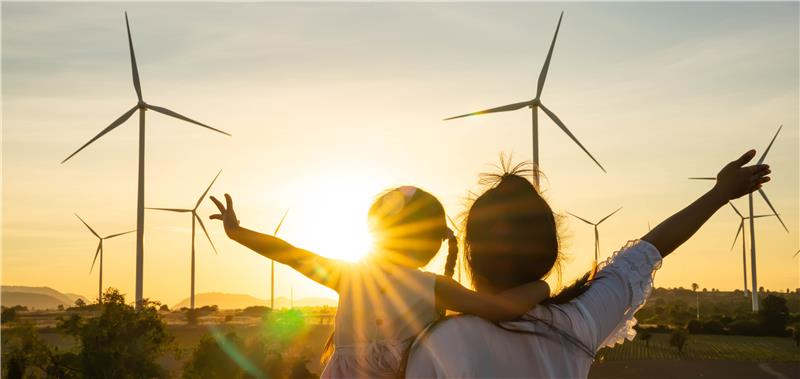
clean energy paves the way for a future-ready power system
The road ahead: Future of renewable energy in India
The future of renewable energy in India is entering a transformative phase marked by rapid innovation, large-scale adoption, and strategic leadership from key industry players like Tata Power. As one of the nation’s leading clean energy companies, Tata Power is driving the India clean energy future through continuous investment in solar, wind, and hybrid energy projects, as well as advancements in green hydrogen and storage solutions.
Looking beyond 2026, India’s renewable energy industry trends indicate strong growth in three critical areas shaping the future of renewable energy in India:
- Renewable-powered electric mobility: India continues to expand EV infrastructure powered by solar and wind energy, creating an ecosystem that supports green transportation.
- Advanced energy storage systems: Large-scale battery projects are being developed to balance renewable generation and improve grid flexibility.
- Green Hydrogen leadership: With the National Green Hydrogen Mission, India aims to become a global hub for green hydrogen production and exports, revolutionizing its clean energy landscape.
As these emerging renewable energy technologies mature, India is steadily moving toward a sustainable, self-reliant, and low-carbon future. Learn more about Tata Power’s renewable initiatives and leadership in driving India’s green transformation. Visit now!
Bottomline
The renewable energy sector in 2026 is entering a phase of accelerated innovation and adoption. With new renewable energy technology, smart systems, and supportive policies, clean energy is set to become the dominant force in global and national power generation. India’s renewable energy trends in 2026 highlight the nation’s growing leadership in solar, wind, and green hydrogen, reflecting its ambitious climate goals and rapid capacity expansion. India remains a pivotal player in shaping the renewable energy future, driving sustainable growth and inspiring global progress toward a low-carbon economy.
The coming years will be critical in realizing this vision of a sustainable, low-carbon economy that empowers communities and safeguards the planet.
Sources
International Energy Agency (IEA)
https://www.iea.org/energy-system/renewables
Ministry of New and Renewable Energy (MNRE), Government of India
https://mnre.gov.in/
Press Information Bureau (PIB)
https://pib.gov.in/PressReleaseIframePage.aspx?PRID=2073038
India Brand Equity Foundation (IBEF)
https://www.ibef.org/industry/renewable-energy
Economic Times EnergyWorld
https://energy.economictimes.indiatimes.com/news/renewable/indias-energy-shift-renewables-evs-and-smart-grids-set-to-transform-sector-by-2025/115277152
Invest India
https://www.investindia.gov.in/sector/renewable-energy
EY Insights
https://www.ey.com/en_in/insights/energy-resources/how-india-is-paving-the-way-for-a-sustainable-energy-future
IBM Think Insights
https://www.ibm.com/think/insights/renewable-energy-trends
IDTechEx Research
https://www.idtechex.com/en/research-article/renewable-energy-trends-in-hydrogen-solar-and-nuclear-power/33715
Linknovate Blog
https://blog.linknovate.com/5-energy-trends-to-watch-in-2026/
UN Climate Change
https://www.un.org/en/climatechange/raising-ambition/renewable-energy
Strategic Energy
https://strategicenergy.eu/renewables-to-surpass-coal-in-global-power-generation-by-2026/
Earth.org
https://earth.org/the-growth-of-renewable-energy-what-does-the-future-hold/
REN21 Global Status Report 2025
https://www.ren21.net/


Keep reading...
View all