


 Contact us


What is a wind power plant?
A wind power plant is a facility that generates electricity by harnessing the kinetic energy of wind using multiple wind turbines. These turbines capture wind movement and convert it into mechanical energy, which is then transformed into electricity.
In simple terms, a wind power plant is large-scale renewable energy installation that provides clean, sustainable, and reliable electricity for homes, businesses, industries, and the power grid, reducing dependence on fossil fuels and supporting environmental and economic sustainability.
Importance of wind power plants
The importance of wind power plants lies in their ability to produce eco-friendly electricity, reduce carbon emissions, and diversify energy sources.
They help countries meet renewable energy targets, improve energy security, support climate change mitigation, create jobs in the renewable energy sector, and contribute to sustainable infrastructure development.
How wind power plants work
A wind power plant works by using wind turbines to capture wind energy and convert it into mechanical power. Generators then transform this mechanical power into electricity, which is transmitted to the grid for distribution to homes, businesses, and industries.
This process allows large-scale, continuous, and reliable electricity generation using renewable wind resources.
Uses of wind power plants
Common uses of wind power plants include:
- Supplying clean electricity to national and regional grids
- Powering industrial and commercial facilities
- Supporting rural electrification and remote area power supply
- Driving hybrid renewable energy projects combining wind with solar or storage
- Providing clean energy for government and public infrastructure projects
Examples of wind power plants
Some practical examples of wind power plants are:
- Onshore wind farms in open plains and coastal regions
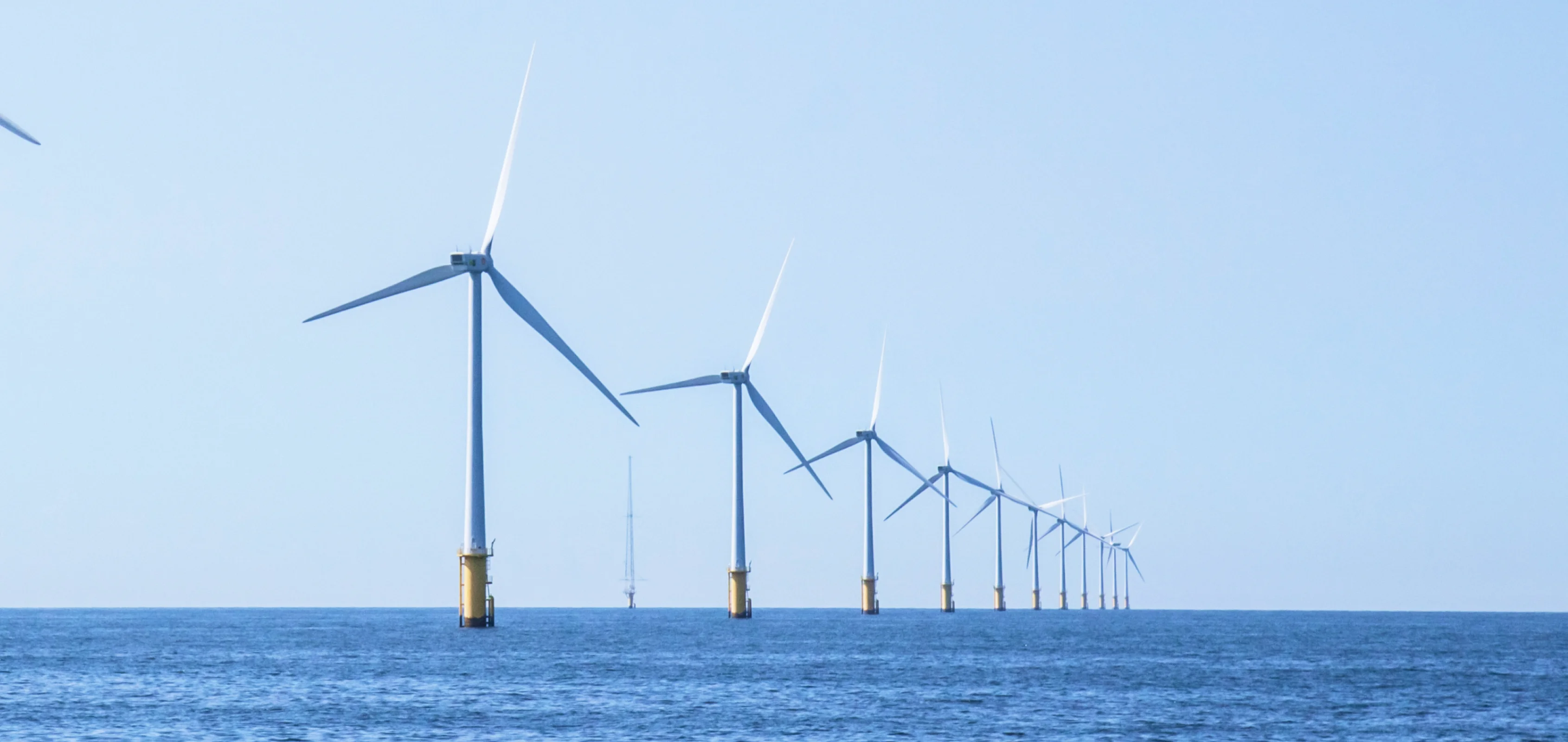
- Offshore wind projects supplying electricity to urban and industrial areas
- Hybrid wind-solar plants providing uninterrupted power supply
- Government-led wind projects under renewable energy missions
- Corporate wind power projects through PPAs to meet sustainability goals
These examples demonstrate how wind power plants provide scalable, reliable, and clean energy while supporting economic growth, environmental protection, and energy security.
Related Terms
Blogs
READ MORE