



 Contact us

India's energy future is being shaped not just by policy ambition, but by the everyday choices of millions of citizens increasingly aware of the cost and consequences of conventional fuel dependence. As running costs continue to favour electric mobility, India's EV adoption is moving from the margins to the mainstream and the latest industry numbers make the shift unmistakable.
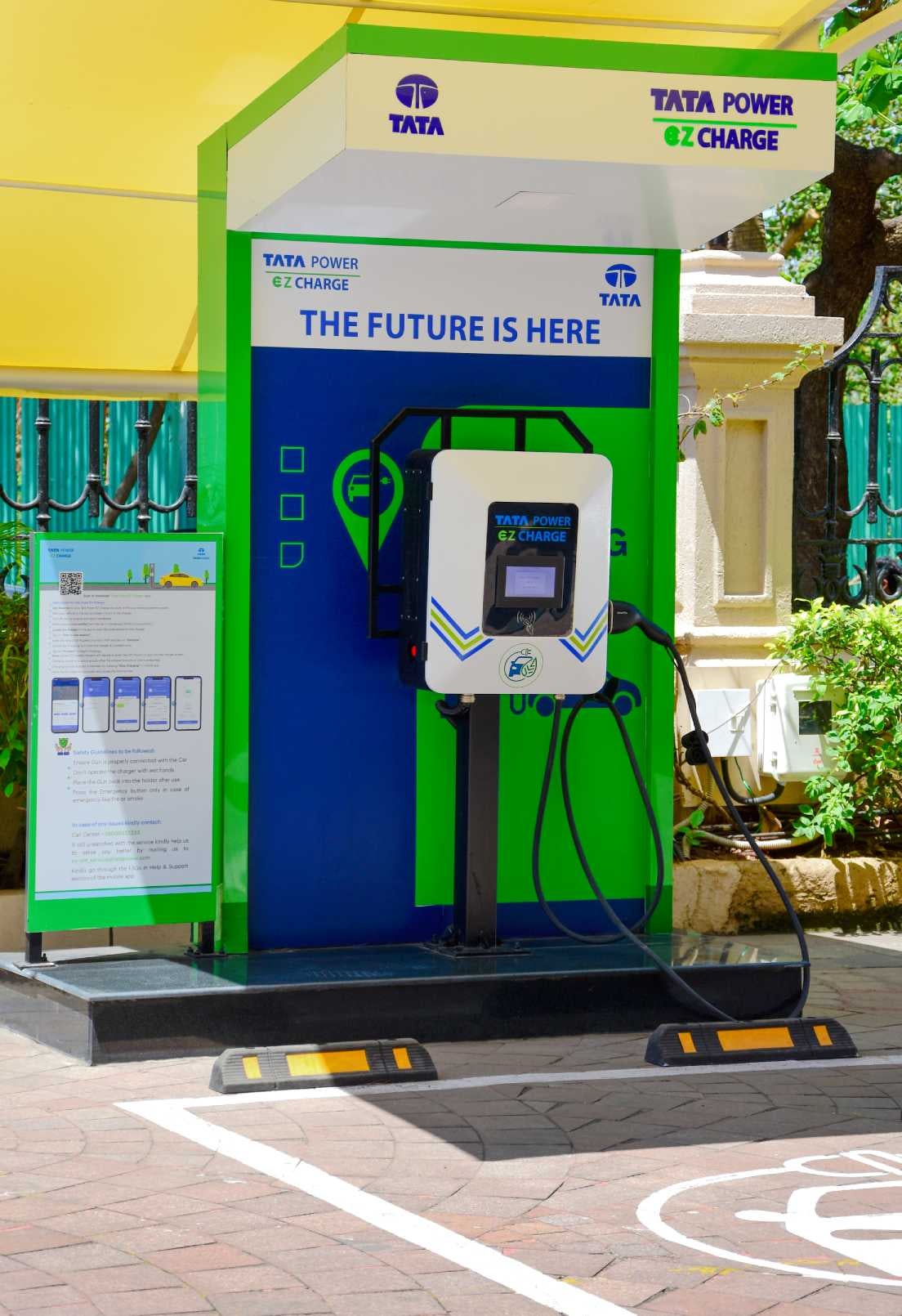
Tata Power, one of India's largest Integrated Power Companies and the operator of one of India's largest EV charging networks is enabling this transition at scale. Through its expanding charging infrastructure, the company has facilitated over 7.5 lakh charging sessions and 414 million green miles across the country, while helping avoid approximately 50,000 tonnes of CO₂ tailpipe emissions.
Further strengthening its EV charging footprint across key mobility corridors and urban centres, Tata Power EZ Charge will inaugurate new charging stations at Kopa Mall in Pune, IOCL locations on both sides of the Ahmedabad–Vadodara Expressway, and a Shapoorji Pallonji Mini Hub in Kolkata equipped with six charging guns. These additions are aimed at enhancing charging accessibility across city hubs and high-traffic travel routes, supporting a more convenient and reliable EV ownership experience for both daily commuters and long-distance travellers.
EV sales in India surpassed 2.55 million units in FY2026, with all four vehicle segments registering double-digit growth. Demand for zero-emission passenger vehicles was especially strong, with retail sales rising to units.
As more Indians look toward electric mobility for both environmental and economic reasons, Tata Power's charging network is ensuring that the infrastructure keeps pace with intent. From residential communities and commercial campuses to highways and urban hubs, the company's charging footprint is helping create a future where mobility is cleaner, smarter, and more resilient.