



 CONTACT US


Quick Links
Tata Power Solaroof advantage

Best-in-class quality with efficiency and reliability

Customized rooftop solutions for your needs

Superior customer service for a seamless transition

Maximized savings and reduced electricity bills

Pan-India presence for your peace of mind

A variety of financing options to make solar power accessible to all

I am looking for
Tata Power does not charge any fee for enquiries. Please beware of frauds and provide details only through this official website.
Why choose Tata Power solar rooftop
Choosing Tata Power rooftop systems ensures reliable and efficient solar rooftop solutions for homes, businesses, industries, institutions, and more throughout India. Our high-quality solar panels manufactured in-house guarantee durability, strong performance, and affordability. With expert system design, professional installation, and support for government subsidies, rooftop solar in India is now an accessible and sustainable option. Whether it’s a residential solar setup, a commercial installation, or a large-scale rooftop solar power plant, we make the shift to clean energy simple and future-ready.
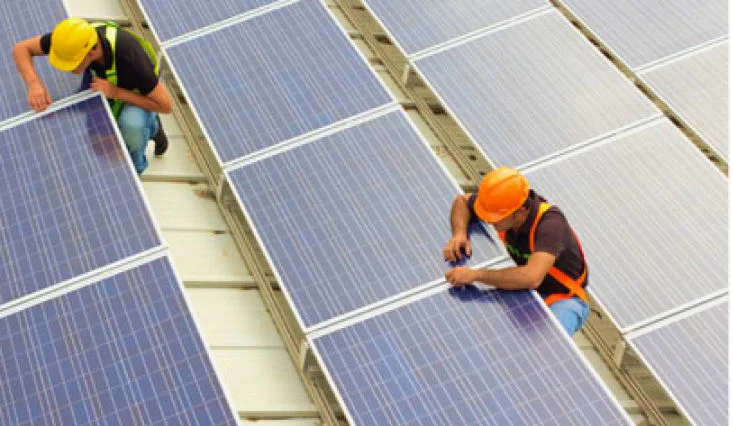
Hassle-free installation service and support
From initial consultation to rooftop solar panel installation, our end-to-end solar roof solutions are smooth and stress-free. Enjoy lifetime service and after-sales support because your solar energy journey should be as seamless as it is sustainable.
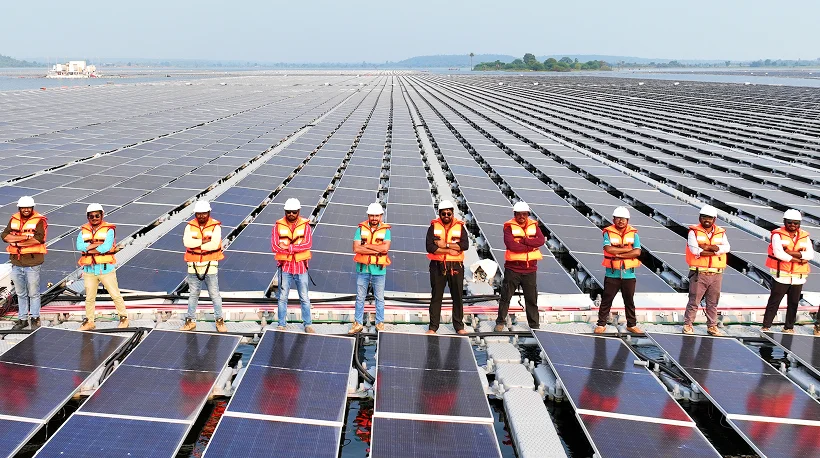
Pan-India presence
With a strong presence in over 300 districts, Tata Power Solaroof ensures quick and reliable support through an extensive network of distributors, installers, and customer care professionals. Thus, making us a truly accessible and #1 rooftop solar company in India.
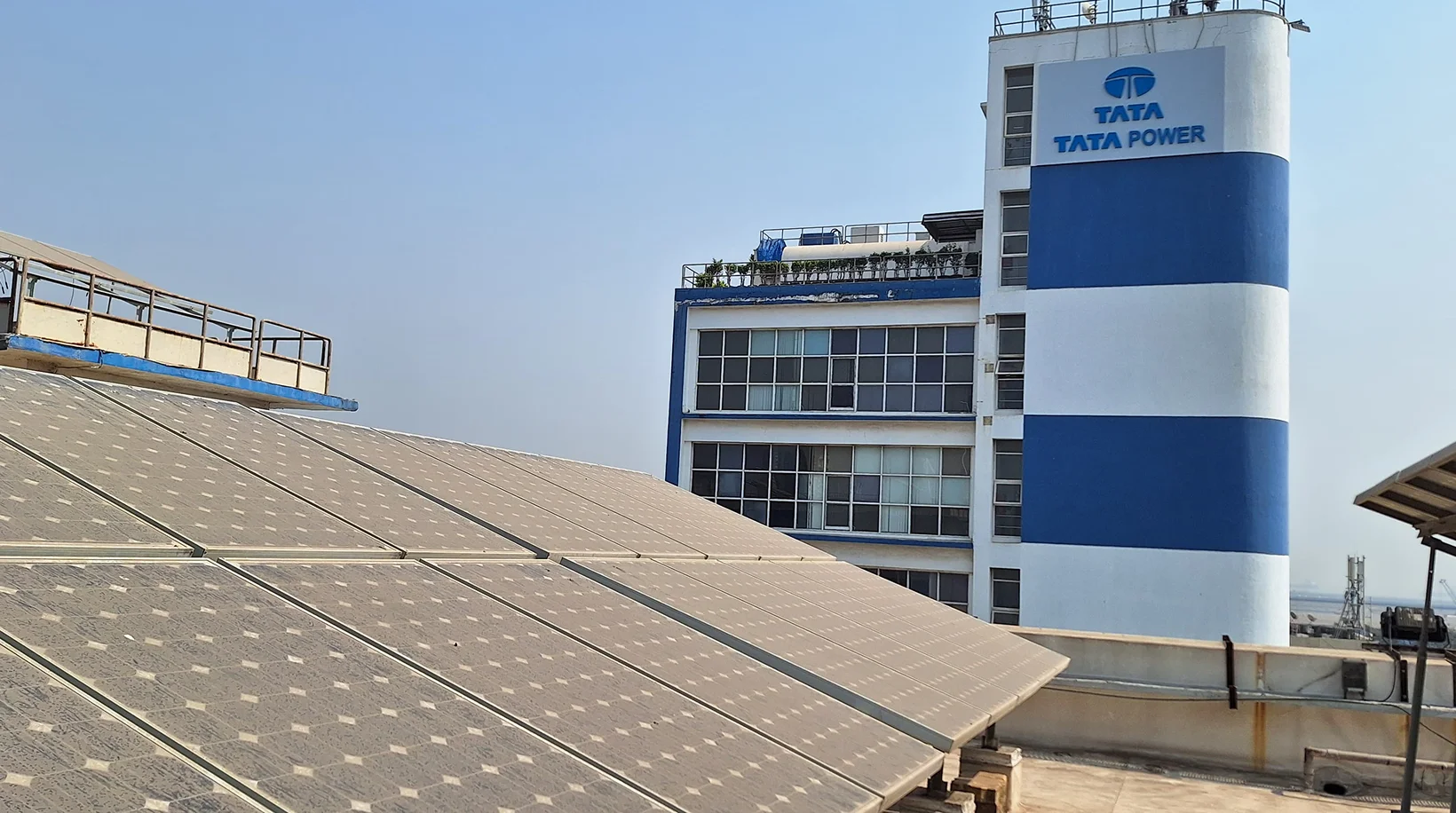
Customized and scalable solutions
Every rooftop is unique. That’s why our experts customize roof top solar panels to suit your home or business requirements. Whether for residential, commercial, or industrial use, our solar energy solutions are tailored for maximum efficiency and value.
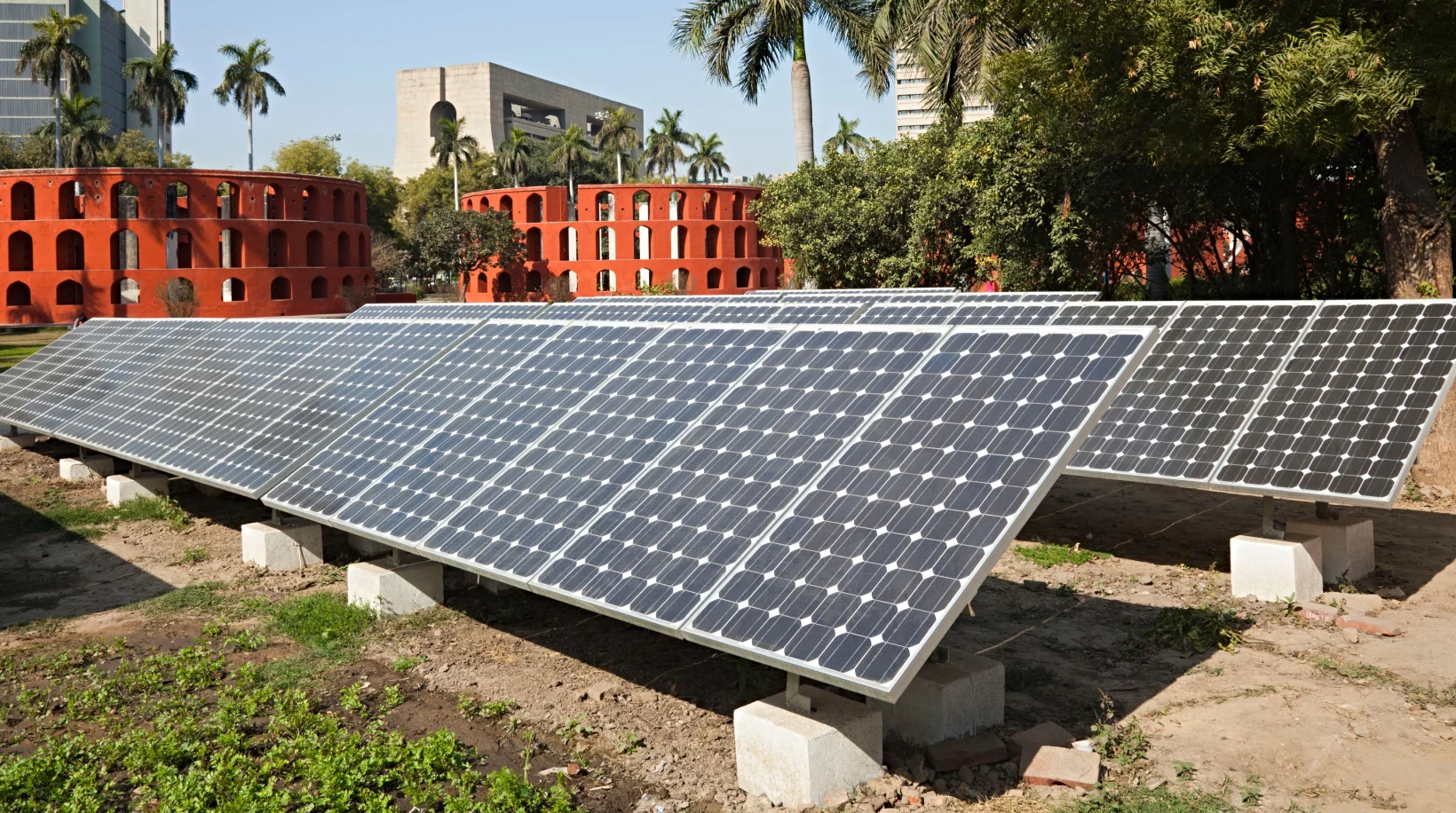
Advanced technology and quality
We use state-of-the-art materials and advanced construction techniques to deliver premium rooftop solar panels. Backed by a 25-year warranty and robust all-weather protection, our solar rooftop installation guarantees peace of mind and long-term performance you deserve.

Easy financing options
We have partnered with 20+ leading PSUs and banks to bring you flexible and affordable solar rooftop financing solutions. We ensure they help you unlock the full economic potential of your rooftop solar installation, faster and smarter.
Trusted brand with proven expertise
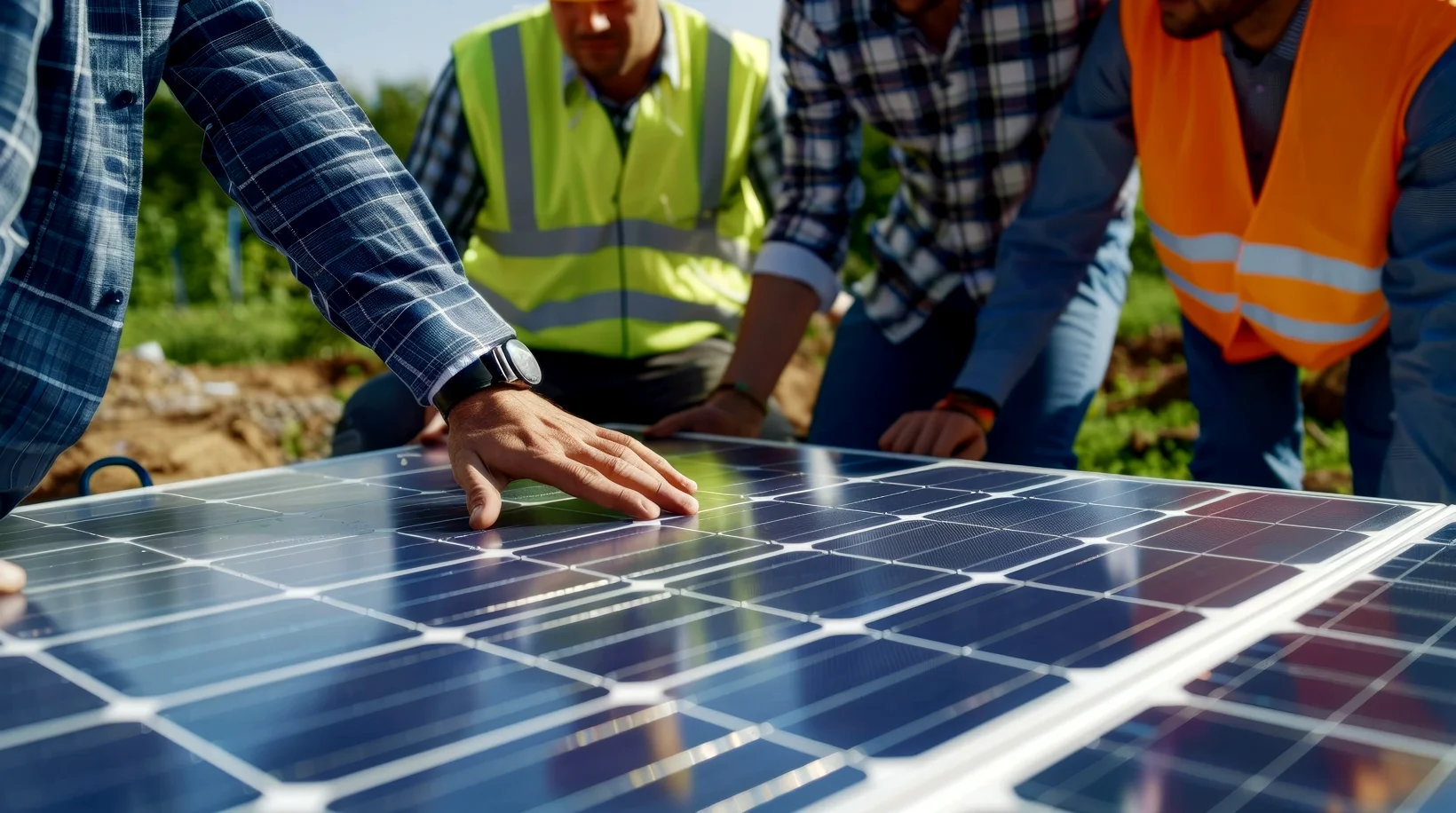
Tata Power Solaroof has over 30 years of service and commitment that have helped us become India’s #1 rooftop solar company, a title we’ve proudly retained for eight consecutive years. Our leadership in rooftop solar in India speaks to the trust we’ve built through reliable and efficient solar energy solutions.
Who can get rooftop solar installation in India?
Rooftop solar installation is ideal for anyone looking to reduce electricity bills and switch to clean energy. You should consider investing in rooftop solar if you are:
Residential rooftop solar panels
Homeowners have the opportunity to greatly lower their energy costs, benefit from consistent electricity supply, and minimize their carbon footprint. Ideal for individual houses, villas, and apartments, our solar panels turn your rooftop into a clean energy source. The customised residential solar rooftop system offers hassle-free installation and long-term savings, making it easy to adopt the best rooftop solar system in India.
MSME solar rooftop solution
Rooftop solar systems enable MSMEs to reduce their operating expenses, boost energy efficiency, and enhance sustainability without disrupting their daily activities. Achieve your sustainability targets while taking advantage of tax perks and various state-specific incentives by choosing Tata Power’s commercial rooftop solar solutions for MSMEs. Our tailored systems support businesses in reducing electricity bills while contributing to a greener future.
Commercial and industrial rooftop setups
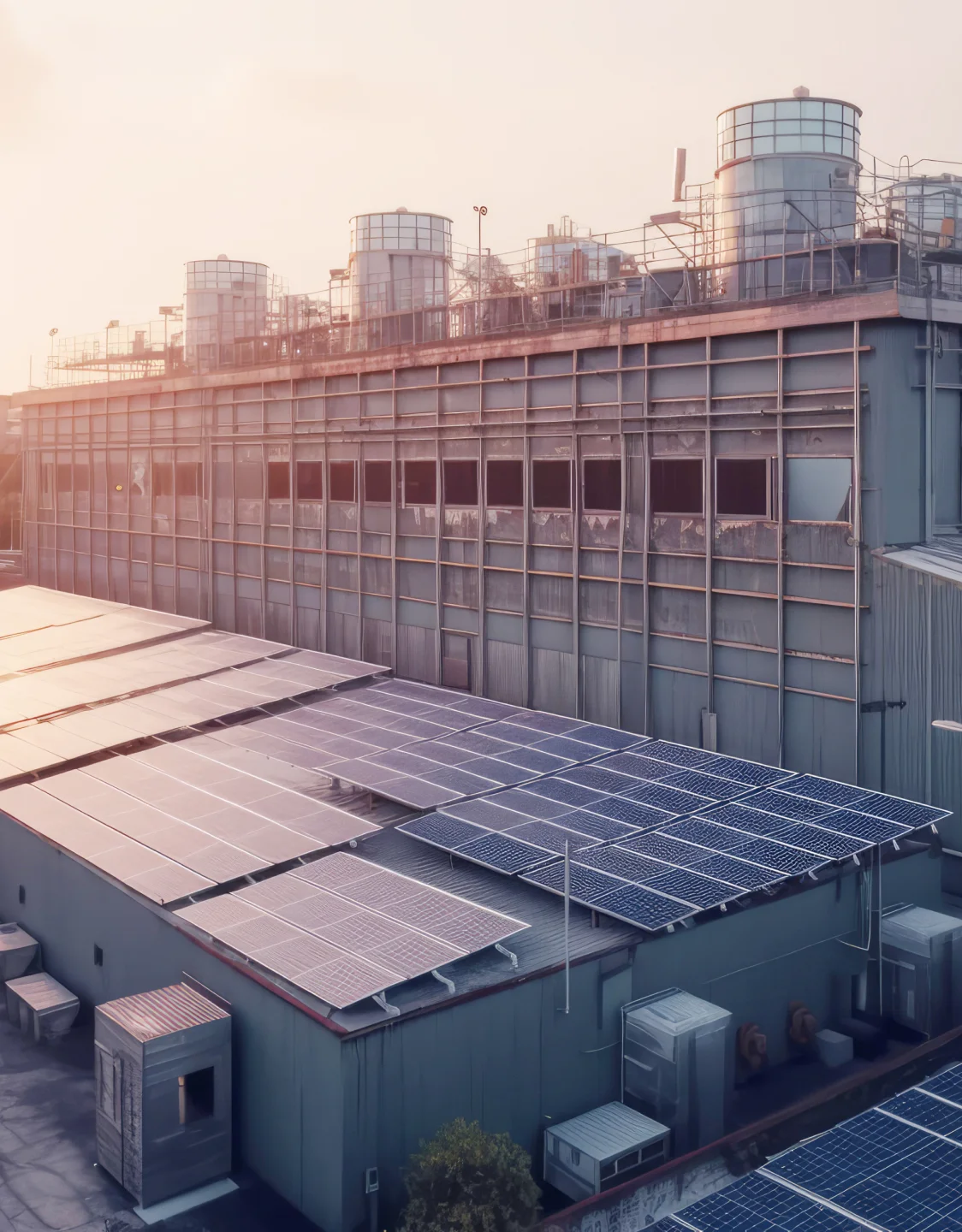
Commercial buildings like malls, showrooms, hotels, and office spaces can benefit from rooftop solar by reducing electricity bills, especially during daytime. Tata Power offers customised commercial rooftop solar installations designed for performance, efficiency, and durability. Trusted across India, our commercial rooftop solar panels and commercial solar power systems help businesses save costs and lower their carbon footprint.
Institutional solar roof solution
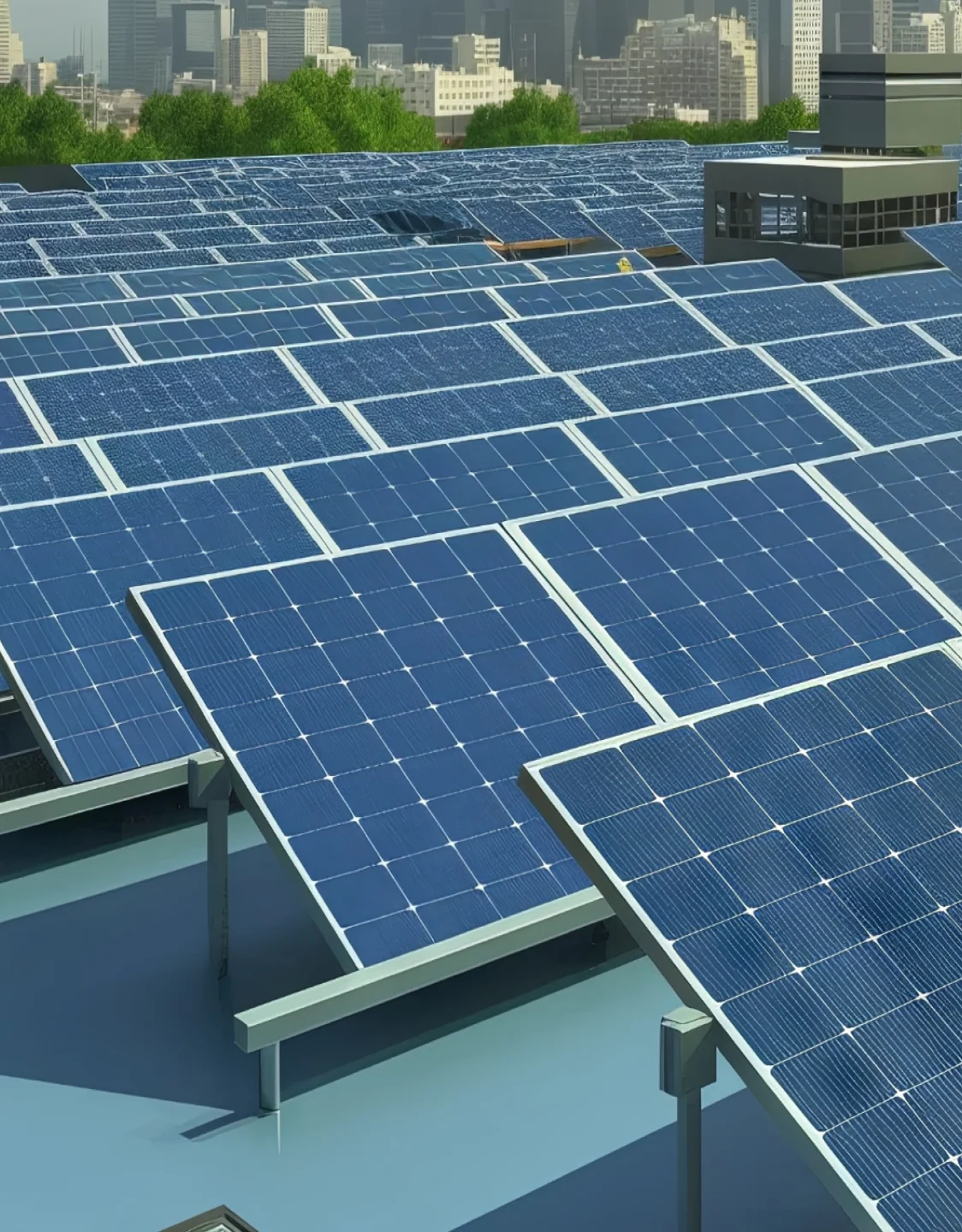
Educational institutions such as schools, universities, and non-profits can easily switch to solar with Tata Power’s end-to-end solar rooftop solutions for reduced daytime energy dependence. Our reliable solar panel system for homes and institutions ensures expert installation, consistent performance, and significant savings, helping institutions move towards a cleaner, brighter future.
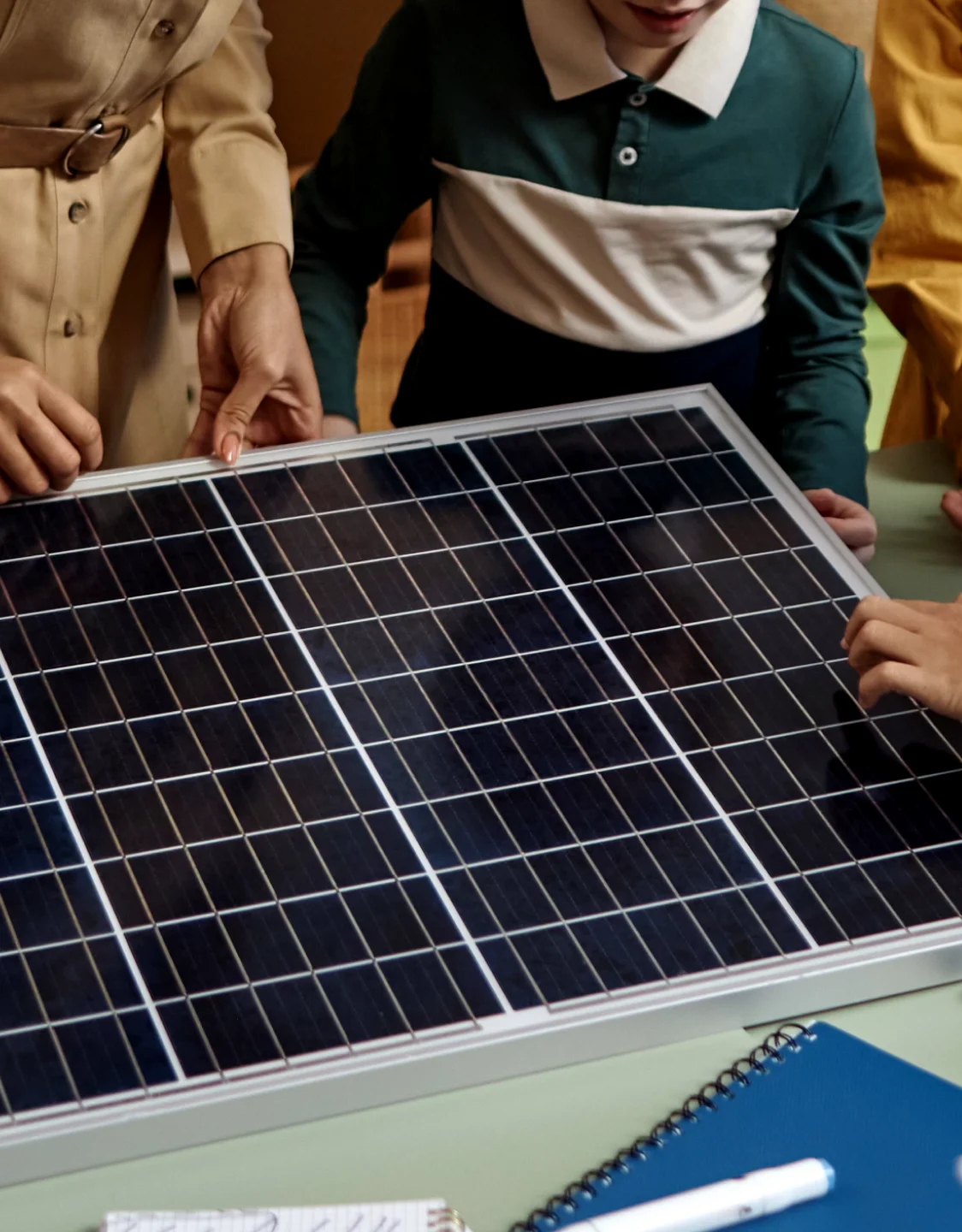
Reliable rooftop solar solutions and offerings
Our rooftop solar solutions are designed to fit your energy needs, location, and budget; no matter where you are or what you need, there’s a perfect system waiting for you
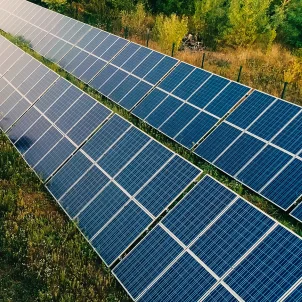
Grid connected solar system
Our grid connected solar system powers residential rooftop solar systems and commercial rooftop solar installations. Tata Power ensures shadow free rooftop solar panel installation using panels from top rooftop solar panel manufacturers in India. Thus, supplying power from a solar power plant for homes to commercial solar power systems, and industrial rooftop solar power plants. Remote mobile‑web monitoring, a 5‑year warranty, and exporting excess energy to the grid maximise performance and savings.
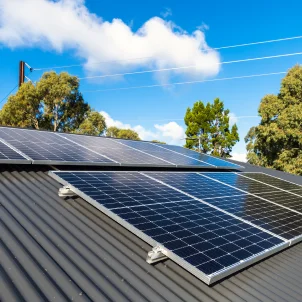
Battery-based solar system
Ensure a steady power supply even during grid outages with Tata Power’s solar rooftop solutions featuring advanced solar battery systems. Our solar panel setups include battery storage capacities up to 10 kW, backed by a five-year full system warranty. Designed to complement your home or office, this reliable solution helps maintain uninterrupted power while maximizing your solar investment
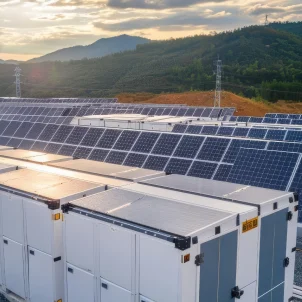
Micro-inverter based grid connected system
Optimize energy production for rooftops facing shadow or orientation challenges with Tata Power’s micro-inverter rooftop solar system. Each rooftop solar panel comes with a dedicated micro-inverter, ensuring maximum efficiency. Our micro-inverters include a 10+ year warranty, along with a five-year full system warranty, making it one of the best rooftop solar systems in India for homes and businesses
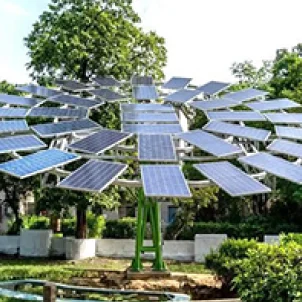
Solar tree
Tata Power’s solar tree is a space-saving and visually appealing solar rooftop solution in India, perfect for urban spaces like villas, industries, schools, societies, and resorts. Ideal for areas with limited roof space, this solar panel setup for home and commercial use is available in variants of up to 16 modules with a five-year warranty
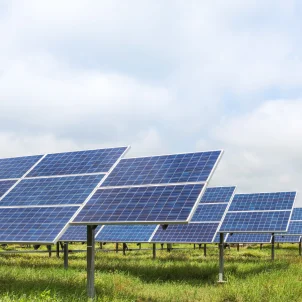
Ground mount solar systems
Our ground-mounted rooftop solar panels are installed on the ground, typically in open areas, to provide optimal sun exposure and generate higher energy outputs. This solution complements our solar rooftop solutions in India for homes and businesses seeking efficient commercial solar power systems or solar power plant for home setups
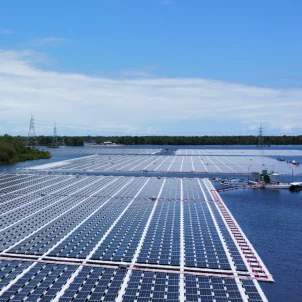
Floating solar panels
Our floating rooftop solar panels offer sustainable, efficient, and scalable energy solutions. Tata Power provides end-to-end support for every solar installation, maximizing space and boosting clean energy production. These solutions complement our solar rooftop solutions in India and are ideal for large-scale industrial rooftop solar power plants and commercial solar power systems
Powered by solaroof
Taking care of all your solar needs, in one place




Our rooftop solar power plants in India
Discover our wide range of successful installations across rooftop solar power plants and projects in India
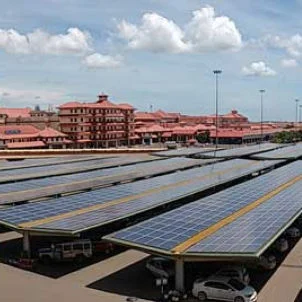
Kochi International Airport, Kerala
Panels spread across 20,000m2 that generate 40 lakh units annually
LEARN MORE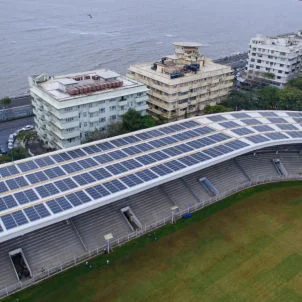
Cricket Club of India, Mumbai
Delivered in just 100 days, the project instantly reduced the stadium's electricity bill by 25%
LEARN MORE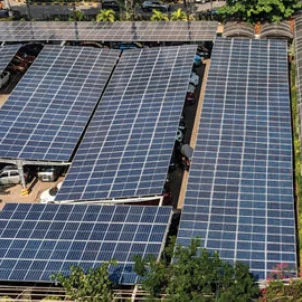
Apollo Hospital, Kolkata
A 335 kWp solar power plant that will help offset 10,050 tonnes of CO2 emissions over its lifetime
LEARN MORE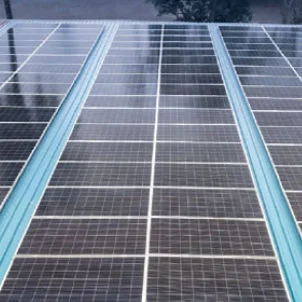
St. Xavier’s School, Mumbai
An ingenious solution for a 110 kWp rooftop power plant that generates 1 lakh units of electricity annually
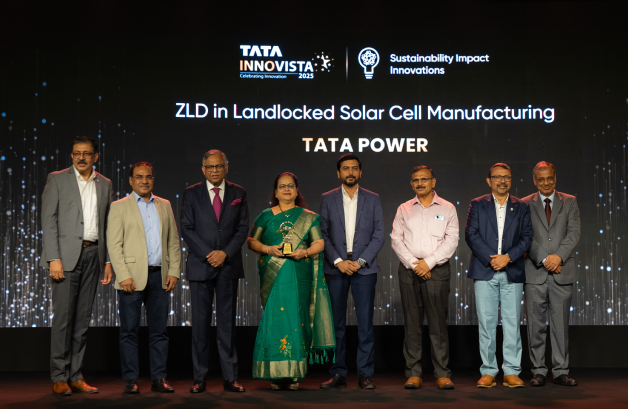
LEARN MORETata Power’s zero liquid discharge (ZLD) innovation earns top sustainability recognition

In the spotlight
Powering hope in India’s remote communities
Deep in Odisha’s forested heartland, clean solar energy is helping power learning, opportunity and progress for tribal children, bringing reliable electricity to a remote school and strengthening inclusive development.
AI video disclaimer
This film contains visuals and content generated or enhanced using Artificial Intelligence (AI) technologies for illustrative and creative purposes. Any resemblance to actual persons, events, or situations is purely coincidental unless explicitly stated. The content is intended for informational and engagement purposes only.
“Our 100kW rooftop solar by Tata Power is a game-changer! We are generating over 13,000 units monthly, which means significant cost savings and a big step towards energy sustainability.”
Mr. Ajay Gupta
Prabhat Warehouse Cold Storage Pvt. Ltd
There were no challenges during installation of the system and they provided us with safety lines for maintenance. I am saving electricity bill. Tata Power is a good brand and I am happy that I chose Tata Power as my Solar Partner
Ashok Agrawal
Bhopal, Madhya Pradesh
Many companies approached me but after some research it was clear that Tata Power is the best in the market. The Installation was handled wisely by Tata Power as the roof space was less. Walkways between the system make it easier to look after the panels. I chose Tata Power for trouble free service and guarantee. I am thankful to Tata Power Company.
Madhu Sudan
Ajmer, Rajasthan
I chose Tata Power because they provide good services to their customers and has a good reputation. I did not face any challenges during the installation and the system withstood heavy rains. I am happy with my choice of solar partner.
Ritu Jain
New Delhi
Tata Power is a well known and trusted organization. The system is perfectly installed and I am completely satisfied. I have to complaints till date, everything is working properly.
P.G. Jacob
Kollam, Kerala
Switching to Tata Power Solaroof was a gamechanger for us. Our energy costs have dropped significantly, and we’re proud to reduce Royal Agro’s carbon footprint. The whole process was seamless, right from site assessment to installation. And the team’s support has been exceptional. We can now proudly say, we are not just saving money; we’re investing in a sustainable future.
Mr. Aniket Satish Deshmukh
Royal Agro Organic Pvt. Ltd
I chose Tata Power because they provide good services to their customers and has a good reputation. I did not face any challenges during the installation and the system withstood heavy rains. I am happy with my choice of solar partner.
Ritu Jain
New Delhi
Tata Power is a well known and trusted organization. The system is perfectly installed and I am completely satisfied. I have to complaints till date, everything is working properly.
P.G. Jacob
Kollam, Kerala
Resource center
No Results
Showing of items
Frequently asked questions
The frequently asked questions section is a reliable source for unlocking answers to some of the most crucial inquiries. Please refer to this section for any queries you may have.
- Solaroof
To pick the right solar panels, start by assessing your energy needs along with your roof’s size and sunlight exposure. Compare panel efficiency and wattage to find what suits you best, while also considering your local climate and the warranty offered. For limited rooftop space, high-efficiency monocrystalline panels work great because they deliver more power per square foot. If you have a larger roof, polycrystalline panels can be a cost-effective choice, though they’re slightly less efficient. Thin-film panels are lightweight and flexible but need more area for the same output. Lastly, make sure the panels have proper certifications and come with solid warranties before making your final decision. Choose the best solar panel for your home or business with the ultimate solar panel guide
A solar rooftop system is a photovoltaic (PV) setup mounted on the roof of residential, commercial, or industrial buildings to produce electricity from solar energy. It includes solar panels that absorb sunlight and convert it into electrical power, which can be used onsite or supplied back to the grid. These systems offer a sustainable and cost-effective way to reduce electricity bills while contributing to a greener environment.
The ideal roof for solar panel installation is typically metal roofing, especially standing-seam metal roofs, because they’re durable, long-lasting, and allow panels to be mounted without drilling. However, other types like tile roofs, asphalt shingles, and flat roofs can also work well depending on your specific situation. The best roof for solar is one that gets plenty of sunlight, ideally facing south with minimal shading. Flat or sloped roofs made of durable materials like metal or concrete work well for rooftop solar panel installation, ensuring your solar system runs efficiently.
Your savings with a solar rooftop depends on your energy usage, system size, and local electricity rates. Typically, solar rooftop systems can reduce your electricity bills by 30% to 70%. Over time, the savings add up, making solar a smart investment for long-term energy cost reduction. Tata Power’s Solaroof solutions also offer customized options to maximize your savings based on your specific needs. Calculate how much you can save with our state-of-the-art Solaroof system.
The amount of rooftop space needed varies based on how big your solar system is. On average, every kilowatt of solar power requires about 10 square meters (roughly 100 to 130 square feet) of clear, unobstructed roof area. This ensures enough room for efficient rooftop solar panel installation and optimal sunlight exposure for maximum energy output. Tata Power provides tailored solutions to maximize your available roof area, helping you get the best rooftop solar system in India. If you’re looking to convert your roof into a smart space for energy or just want to get a quote for your custom solution, call now!
Solar rooftop systems generally come with warranties ranging from 10 to 20 years, with some premium options offering coverage beyond 25 years. Warranty terms can vary between different solar panel models, even within the same brand, so it’s important to review these details when choosing a system. Tata Power’s Solaroof systems stand out by offering a robust 25-year warranty on solar modules, along with lifetime service and support through a vast network of partners across.
The installation of a solar roof solar system usually takes about 4 to 8 weeks for the physical setup and commissioning. However, from the initial application to the system going live, the full process can range from 2 to 6 months depending on factors such as system size, roof type, local regulations, and utility approvals. Once the installation starts, the actual setup typically finishes within 3 days. Tata Power's Solaroof, with its wide network of over 575 channel partners and 225 authorized service partners across 275+ districts in India, ensures a smooth and timely installation experience.
Yes, net metering is commonly offered for solar rooftop systems across India. It lets you send any extra electricity your solar panels generate back to the grid, earning you credits that help lower your electricity bills. This system not only maximizes your savings but also encourages efficient use of solar energy by balancing consumption and production. Many states have clear net metering policies, making it easier for homeowners and businesses to benefit from their solar power setup. To make the most of your solar setup, learn about net metering now.
Yes, under the PM Surya Ghar: Muft Bijli Yojana, the Indian government offers subsidies for rooftop solar installations. This initiative provides up to 60% subsidy for 2 kW systems and 40% subsidy for systems between 2 to 3 kW, capped at 3 kW. To apply, register on the National portal, select your state and electricity distribution company, and choose a registered vendor for installation. After installation and net metering setup, the subsidy is credited to your bank account within 30 days.
Yes, solar systems need minimal maintenance to keep them running efficiently. Solar panels are built to last, typically offering 25-30 years of reliable performance with minimal maintenance. Regular cleaning and occasional inspections help keep your system working efficiently.
In India, financing options for solar rooftop systems include solar loans, leasing programs, Power Purchase Agreements (PPAs), NBFC financing, and various government incentives and subsidy schemes that make solar installations more affordable for both. Many providers offer low-interest rates and flexible repayment plans to support residential and commercial solar projects. Subsidies and incentives further reduce upfront costs, encouraging wider adoption of solar rooftop solutions in India. Explore solar financing options to make the best choice for your solar journey.
The number of solar panels you need depends on your electricity usage, roof size, and the panel’s wattage. On average, a typical home may require anywhere between 10 to 30 panels for an efficient solar rooftop system. Tata Power can help assess your needs and design the best rooftop solar panel installation tailored to your roof and energy goals.
A solar rooftop solution starts with photovoltaic (PV) panels mounted on your roof that absorb sunlight and convert it into direct current (DC) electricity. This DC power then passes through an inverter, which transforms it into alternating current (AC), the type used by household and commercial appliances. The electricity generated is either consumed on-site or fed into the grid through net metering, earning you credits. If battery storage is added, excess energy can also be stored for use during outages or at night. This setup helps reduce electricity bills, supports energy independence, and promotes clean, renewable power usage.
To calculate the cost of a solar rooftop system, you need to consider your energy consumption, the size of the system (in kW), the type of solar panels used, and installation charges. Factors like roof type, location, and whether you add battery storage or net metering can also affect the overall price. For a quick and accurate estimate, you can use Tata Power’s online Solar Calculator to find a system that fits your needs and budget.
Related blogs
View all

*Certain images are for representative purpose only