


 Contact us
The main purpose of an energy storage system is to store energy when supply exceeds demand and release it when demand exceeds supply, ensuring a stable, reliable, and continuous power supply.


India is rapidly marching towards being a leader in renewable energy production worldwide. One of the key challenges inherent to renewable energy like wind and solar energy is intermittency, which simply means that these sources of energy are not available 24*7. This is where energy storage systems (ESS) play a key role.
But what is and energy storage system? An energy storage system provides a stable round-the-clock power supply by harnessing energy when sunlight/wind is abundantly available and releasing it when production is low. Traditional energy storage systems like Lithium-ion batteries are expensive, have safety concerns and depend on rare materials like Lithium etc. Thus, adoption of latest energy storage technology is the need of the hour. Before we dive into emerging energy storage technologies, one has to understand why these systems are so important.
The main objective of energy storage is to capture excess energy when production exceeds demand and release it when demand is high or generation is low, ensuring a reliable, stable, and efficient power supply. Lithium-ion (Li-ion) batteries, a widely used rechargeable energy storage technology.
A lithium-ion (Li-ion) battery is a rechargeable energy storage device that uses lithium ions to store and release electricity. In renewable energy, Li-ion batteries are crucial for storing energy generated by intermittent sources like solar and wind, allowing for its use during periods of high demand or low production.
While Li-ion batteries offer high energy density, long cycle life, and fast charging, they come with limitations such as high upfront costs, temperature sensitivity, safety risks (like thermal runaway), and reliance on scarce raw materials like lithium and cobalt. These challenges make Li-ion batteries insufficient as a standalone solution, especially for large-scale or long-duration storage needs. Therefore, a diverse mix of advanced and emerging energy storage technologies is essential to meet varying application requirements, improve cost-effectiveness, and support a resilient, clean energy future.
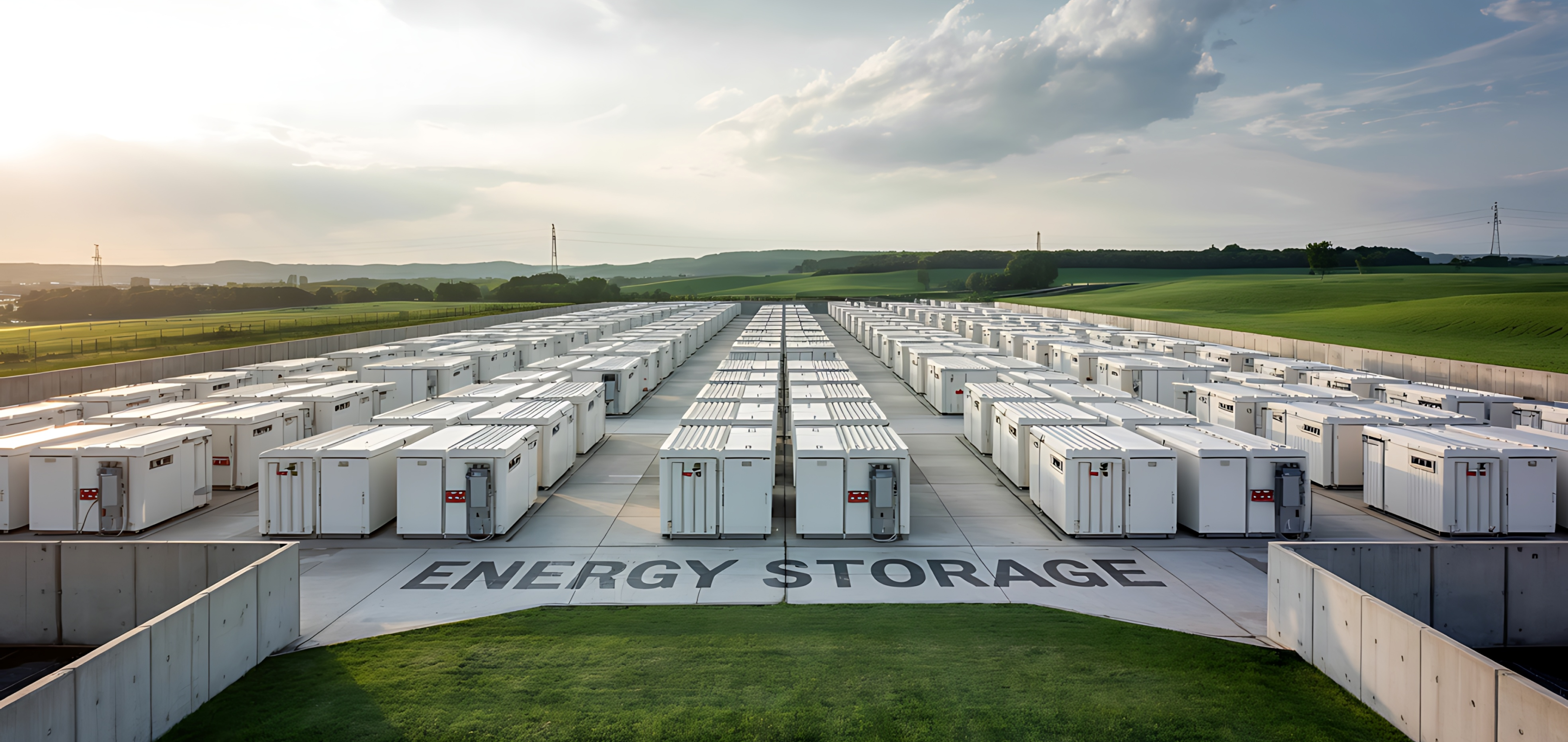
In 2025, there is a significant need for emerging and advanced energy storage technologies to support grid modernization, resilience, and the widespread adoption of renewable energy sources. These technologies are essential for managing the intermittency of renewables like solar and wind, providing grid stability, and enabling the decarbonization of industries. Key drivers include increasing climate change concerns, government incentives, and the growth of decentralized energy systems, leading to demand for solutions like long-duration storage, hydrogen-based systems, and advancements in battery technologies.
Here are 15 of the most promising technologies and systems shaping energy storage today:
The key difference between a Solid-state battery (SSBs) and lithium-ion batteries is the core component called electrolyte being in a solid state rather than liquid or gel form. Thus, solid state batteries offer enhanced safety, higher energy density, faster charging, and a longer lifespan. They are more stable, less prone to overheating and fires, and can store more energy in a smaller space.
Because of these benefits, solid-state batteries are considered a strong candidate for the next generation of electric vehicles and portable electronics. Many companies and researchers are racing to commercialize this technology in the coming years.
Flow batteries store energy in liquid electrolytes contained in large external tanks. This design allows them to be easily scaled up by increasing the tank size, making them perfect for large-scale energy storage on the grid. Enhanced redox flow batteries use improved materials to boost efficiency, lifespan, and reliability. They can discharge energy for hours without losing capacity, which helps balance intermittent renewable energy sources like wind and solar. Flow batteries are also safer and have less environmental impact compared to some other battery types.
Sodium-ion batteries use sodium ions to store and release energy instead of lithium. Sodium is far more abundant and cheaper, which can reduce costs and supply risks. Although they currently have a lower energy density than lithium-ion batteries, advances in materials are closing this gap. Sodium-ion batteries show promise for grid storage and electric vehicles, especially where cost and sustainability are priorities. They could be a key part of the future energy storage landscape, particularly in regions where lithium resources are scarce.
CAES stores energy by compressing air and storing it in underground tanks etc. When energy is needed, the compressed air is released to drive turbines that generate electricity. This method is especially useful for large-scale storage and can store energy for long periods. CAES plants help balance supply and demand on the grid, supporting renewable energy sources when the sun is not shining, or the wind is not blowing. Though the technology has been around for decades, newer designs focus on improving efficiency and reducing environmental impact.
Pumped hydro storage is one of the oldest and most widely used large-scale energy storage methods. It works by pumping water uphill into a reservoir when there is excess electricity and releasing it to flow back down through turbines to generate power when needed. This simple mechanical process can store large amounts of energy and respond quickly to grid demands. While it requires specific geography like hills or mountains, it remains a vital tool for grid-scale storage worldwide. Advances are also making pumped hydro more environmentally friendly.
Pumped hydro storage remains one of the oldest yet most effective ways to store large amounts of energy and support grid stability in India. It plays a key role in balancing supply fluctuations from renewable sources like solar and wind. Tata Power is investing heavily in this technology with two major pumped hydro projects planned in Maharashtra. There is an 1800 MW plant in Shirawta and a 1000 MW facility in Bhivpuri. These projects are expected to significantly strengthen grid reliability and accelerate renewable integration by 2028.
Thermal energy storage saves energy by heating or cooling a material to store heat or cold for later use. Advanced TES systems use materials like molten salt or phase-change substances that hold heat efficiently for hours or days. This stored thermal energy can then be used to generate electricity or provide heating and cooling. TES is especially useful for solar power plants and industrial processes that need heat on demand. It helps smooth out fluctuations in energy supply and reduces reliance on fossil fuels.
Thermal energy storage is increasingly important in India for capturing and reusing heat energy from industrial processes to generate electricity more efficiently. Tata Power is advancing this through waste heat recovery projects, such as its joint venture with Tata Steel called Industrial Energy Limited. This initiative captures waste heat from gases produced during industrial operations to generate 482.5 MW of power across multiple locations. Such projects reduce greenhouse gas emissions while improving energy efficiency.
Supercapacitors store energy using electrostatic charge rather than chemical reactions. They can charge and discharge very quickly, making them ideal for applications needing bursts of power over short periods. Because of their high cycle life and fast response, supercapacitors are often used alongside batteries to improve performance in electric vehicles and grid systems. However, their energy storage capacity is lower compared to batteries, limiting their use for long-term storage. Researchers are actively working to increase their capacity and broaden their applications.
Energy is stored mechanically in Flywheels by spinning a rotor at extremely high speeds. When energy is needed, the rotor’s spinning motion is converted back into electricity. Flywheels can deliver quick bursts of power and have a long lifespan with minimal maintenance. They are useful for stabilizing power quality and supporting short-term energy demands on the grid. While not suited for long-duration storage, their fast response makes them valuable in smoothing out fluctuations in electricity supply.
Hydrogen energy storage converts excess electricity into hydrogen gas through electrolysis. The hydrogen can be stored and later used as fuel in fuel cells or burned to generate electricity. This method offers a clean way to store large amounts of energy for long periods and helps decarbonize sectors like transportation and industry. Hydrogen storage also supports seasonal energy balancing when renewables are less available. Challenges remain around cost and infrastructure, but hydrogen is seen as a key part of the future energy mix.
Advanced lead-acid batteries build on the classic design but use new materials and engineering to improve performance. These improvements increase their lifespan, energy density, and efficiency compared to traditional lead-acid batteries. They remain a cost-effective option for many stationary storage applications, such as backup power and renewable energy integration. Because of their recyclability and lower cost, advanced lead-acid batteries continue to have a key role in energy storage systems worldwide.
In Gravity-based storage, force of gravity is used to store and release energy. One example is lifting heavy weights with excess electricity and lowering them to generate power when needed. This mechanical approach offers long cycle life and can be built in areas without specific geographical features needed by pumped hydro. Gravity storage is still emerging but has the potential to provide large-scale, low-cost energy storage in the future.
Liquid air energy storage works by cooling air until it turns into a liquid, which is then stored in insulated tanks. When electricity is needed, the liquid air warms up and expands rapidly, driving turbines to generate power. This technology can store large amounts of energy for hours or days, making it a good fit for balancing renewable energy. It also offers a flexible alternative to traditional storage with fewer geographical constraints. Research is ongoing to improve efficiency and reduce costs.
Beyond individual technologies, how energy storage is designed and deployed plays a crucial role in its effectiveness. Energy storage systems combine hardware, software, and controls to deliver power where and when it is needed. Meanwhile, deployment strategies like distributed storage spread storage resources across multiple locations to boost resilience and optimize energy use. Together, these approaches help make energy storage more flexible, reliable, and accessible for homes, businesses, and the grid.
Battery Energy Storage Systems combine various battery technologies with power electronics and controls to store electricity at scale. BESS units range from small commercial setups to large grid-scale installations. They help balance supply and demand, provide backup power, and improve grid reliability. Because BESS can use different battery types, they offer flexibility depending on specific needs. This system approach is becoming a cornerstone of modern energy infrastructure.
Battery Energy Storage Systems have become crucial in India’s push towards clean energy by enabling better grid management and renewable integration. Across the country, large-scale BESS installations help stabilize supply during peak demand and outages. Tata Power is at the forefront of this movement, deploying a 100 MW BESS across Mumbai to support essential services like hospitals and airports. Additionally, their 120 MWh BESS paired with solar power in Rajnandgaon showcases how BESS can maximize clean energy use reliably.
Distributed storage spreads energy storage across multiple sites such as homes, businesses, and community facilities. This approach enhances energy resilience and efficiency by storing power closer to where it is used. It supports local renewable energy generation, reduces transmission losses, and can help manage peak demand. Distributed systems often integrate with smart grids and can work alongside centralized storage to create a flexible energy network. This deployment strategy is key to the future of clean and reliable power.
Distributed storage solutions are gaining momentum in India as they allow energy to be stored closer to where it is consumed, reducing losses, and boosting resilience. These systems complement India’s growing smart grid infrastructure. Tata Power is pioneering this approach through Delhi’s first grid-connected Community Energy Storage System (CESS), which helps balance load and maintain power supply during outages. Their innovative pole-mounted BESS units further enhance local grid reliability and flexibility.
15. Small Modular Nuclear Reactors (SMRs)
As India moves towards a cleaner, more reliable energy future, innovations beyond traditional storage are gaining attention. One such promising area is Small Modular Nuclear Reactors (SMRs). Unlike typical energy storage systems, SMRs provide consistent, low-carbon power through smaller, more flexible nuclear units. The Indian government’s move to open the nuclear sector to private companies has sparked interest from Tata Power, which is evaluating opportunities in this space. Although still early in development, SMRs could play a key role in supporting grid stability and meeting rising energy demands with minimal environmental impact.
With the rise of emerging energy storage technologies, it is important to understand how each energy storage system performs in real-world conditions. This comparison of different energy storage technologies highlights their efficiency, cost, scalability, and best use cases.
Technology | Efficiency | Cost | Lifespan | Scalability | Best used for | Definition | Benefits | Disadvantages |
Battery Energy Storage Systems (BESS) | High (85-95%) | Medium-High | 5-15 years | Highly scalable | Grid support, backup power, renewable integration | Systems that store electrical energy in batteries and release it when needed, comprising batteries, inverters, and control systems. | Enhances grid stability, facilitates renewable energy integration, provides backup power, reduces energy costs through peak shaving and load shifting, and offers environmental benefits by reducing reliance on fossil fuels. | High upfront cost, battery degradation over time, safety concerns (e.g., thermal runaway risk), and environmental impact from resource extraction and disposal. |
Distributed Storage Systems | Varies (based on tech) | Medium | Varies | Very scalable | Local grids, smart cities | Computing infrastructure designed to store and manage data across multiple interconnected nodes or servers, providing enhanced data availability, fault tolerance, and system scalability. | Enhanced data availability, fault tolerance, system scalability, and cost savings from reduced hardware needs and energy consumption. | Complexities in managing data across multiple physical servers, potential for unpredictable behaviour, difficulties with testing, and increased administrative complexity. |
Pumped Hydro Storage | Medium-High (70-80%) | High upfront, low O&M | 30-50 years | Site-specific | Grid stability, long-duration storage | Large-scale energy storage that uses excess electricity to pump water from a lower reservoir to a higher one, then releases it to generate power during peak demand. | Large-scale energy storage capacity, grid stability, quick response to load changes, and the ability to act as a "black start" source. | High initial capital cost, dependence on suitable geographical locations, potential environmental and social impacts (e.g., land use, ecosystem disruption), and long lead times for construction. |
Thermal Energy Storage (TES) | Medium (50-70%) | Medium | 20-30 years | Moderate | Solar heat storage, industrial use | Systems that capture and store thermal energy (heat or cold) for later use, categorized into sensible, latent, and thermochemical storage. | Reduced energy costs, renewable energy integration (especially with solar thermal), enhanced grid stability, and potential for waste heat recovery. | Can be volume-intensive, potential heat losses, and some advanced technologies are still under development or are expensive. |
Advanced Thermal Storage | Medium | Medium-High | 20-30 years | Moderate | Solar power plants, industrial energy reuse | Advanced forms of thermal energy storage, often utilizing specialized materials or systems (e.g., molten salts, phase-change materials, or thermochemical reactions) for higher performance or density. | Higher energy densities or efficiencies compared to conventional TES, suitability for high-temperature applications, and potentially longer storage durations. | High cost of specialized materials, technical challenges with certain materials (e.g., corrosion, phase separation), and some technologies are still in research and development phases. |
Solid-State Batteries | High (90%+) | High (early stage) | 10-20 years (est.) | Highly scalable | EVs, future grid storage | Advanced batteries that use a solid electrolyte instead of a liquid or polymer gel, potentially offering higher energy density and improved safety. | Higher energy density, enhanced safety (no flammable liquid electrolyte), smaller volume, and potential for faster charging. | High production cost (currently), technical challenges like dendrite formation and interfacial resistance, and potential temperature sensitivity affecting performance. |
Redox Flow Batteries (RFB) | Medium (65-80%) | High (but long-life) | 15-25 years | Highly scalable | Long-duration discharge, high cycle count | Rechargeable batteries that store energy in external electrolyte tanks, allowing for independent scaling of power and energy capacity. | Scalability, flexible operation (independent power and energy), extended cycling life, moderate maintenance costs, and tolerance to overcharging. | High capital costs, potential issues with electrolyte cross-contamination and membrane stability, and limited market penetration compared to conventional batteries. |
Short-Term Response Devices (e.g., supercapacitors) | Very High (95%+) | High | 10-15 years | Moderate | Instant response, frequency regulation | Devices like supercapacitors that store electric charge physically or through fast faradaic redox reactions, providing high power and rapid charge/discharge cycles. | High power density, long cycle life, fast charge/discharge times, and high efficiency. | Lower energy density compared to batteries, high self-discharge rates, and high cost. |
Advanced Lithium-Ion Batteries | High (90%+) | Medium | 8-12 years | Highly scalable | Mobile and grid applications | Advanced versions of lithium-ion batteries with improvements in energy density, lifespan, safety, or charging speed compared to earlier generations. | High energy density, long cycle life, low self-discharge, and relatively fast charging, making them versatile for various applications. | Safety concerns (e.g., thermal runaway), temperature sensitivity impacting performance and lifespan, and environmental concerns regarding raw material extraction and disposal. |
Lithium Alternatives (e.g., Na-ion) | Medium-High (80-90%) | Lower than Li-ion | 8-15 years | Scalable (early phase) | Low-cost storage, emerging applications | Battery technologies that use alternative chemistries to lithium, such as sodium-ion batteries, aiming for lower costs and greater material abundance. | Abundance and lower cost of raw materials (e.g., sodium), potentially safer (non-flammable electrolytes), and better performance in cold temperatures. | Lower energy density compared to lithium-ion, technology still in early development, and less established supply chains. |
Hydrogen Storage | Low-Medium (30-50%) | High | Long-term potential | Moderate | Seasonal storage, industrial applications | Technologies for containing hydrogen as a compressed gas, liquid, cryo-compressed gas, or within solid materials, enabling its use as a clean fuel. | Potential for long-term/seasonal storage, high energy content per mass, and versatile applications in power, industry, and transport. | Low energy density by volume (for gas), high cost of liquefaction or advanced materials, safety concerns due to flammability, and low round-trip efficiency in power-to-power applications. |
Energy Storage as a Service | Depends on tech used | Subscription-based | Varies | Highly scalable | Commercial and industrial flexibility | A business model where energy storage solutions are provided and managed by a third party on a subscription or service basis, rather than a direct purchase. | Reduces upfront capital investment for consumers, shifts maintenance and operational responsibilities to the provider, and offers financial flexibility. | Dependency on third-party providers, potential for long-term costs exceeding ownership in some cases, and limited control over system specifics. |
Green Hydrogen | Low-Medium (30-50%) | High (early phase) | Long-term potential | Moderate | Clean fuel, industrial decarbonization | Hydrogen produced using electrolysis of water powered by renewable energy sources, resulting in zero carbon emissions. | Zero carbon emissions during production, reduced reliance on fossil fuels, promotion of renewable energy integration, and contribution to industrial decarbonization. | High production cost compared to traditional methods, challenges with scalability and infrastructure for storage and transportation, and still a developing technology. |
Small Modular Nuclear Reactors (SMRs) | Very High (90%+) | Very High | 40+ years | Large-scale only | Continuous low-carbon generation | Advanced nuclear reactors with a power capacity of up to 300 MW(e) per unit, designed for modular factory fabrication and enhanced safety features. | High, reliable, and low-carbon energy output, enhanced safety features, potential for factory fabrication and shorter construction times, and flexibility in siting. | High upfront capital costs, potential challenges with licensing and regulation, public acceptance issues, and concerns related to radioactive waste management and proliferation. |
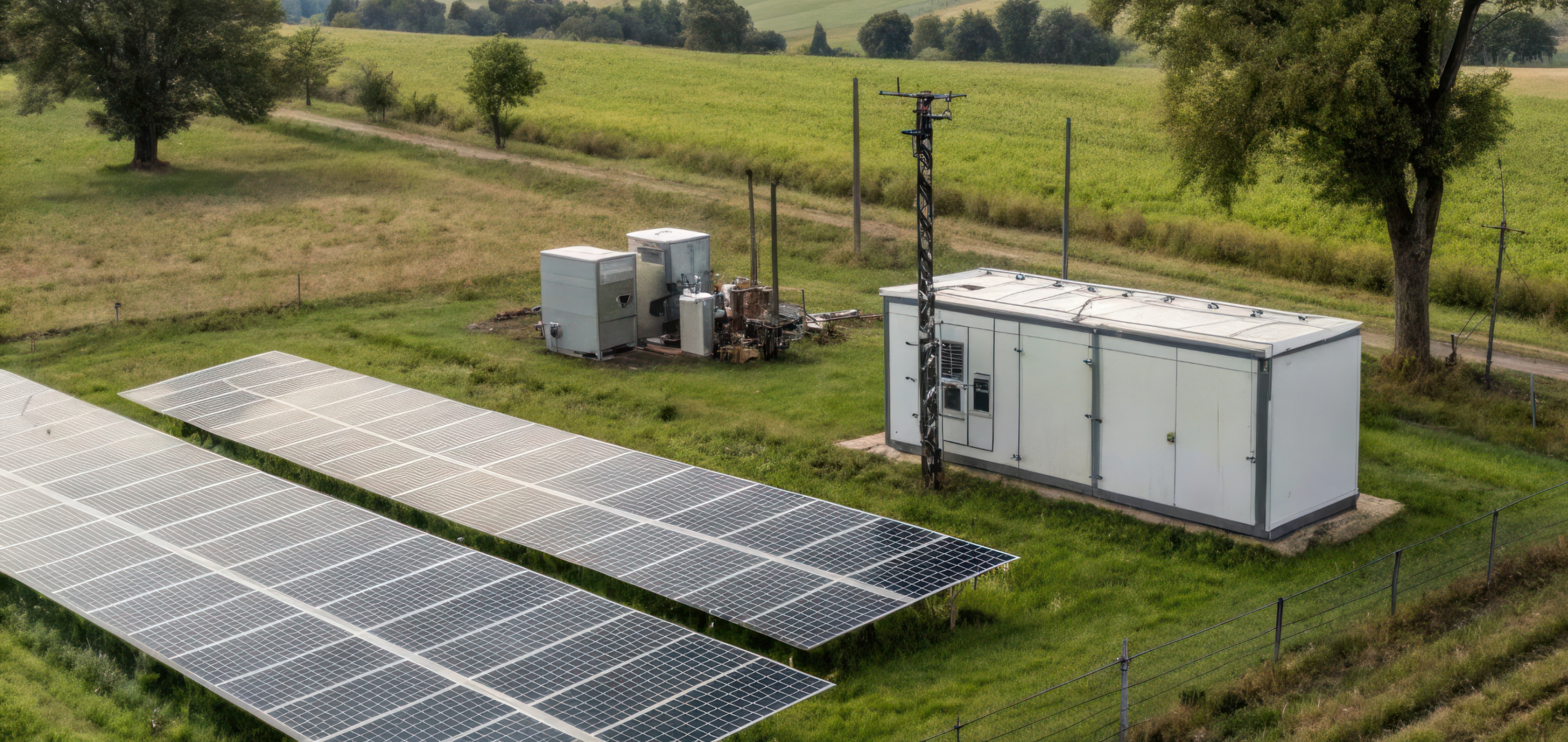
India’s clean energy ambitions are accelerating, and energy storage technologies will play a vital role in shaping that future. As the share of renewables continues to rise, the demand for flexible, reliable, and scalable energy storage systems is expected to grow significantly. According to estimates by the International Energy Agency (IEA), India will need over 160 GW of battery storage and other forms of grid-scale storage by 2040 to balance its renewable-heavy grid.
In this rapidly shifting landscape, companies like Tata Power are not just adapting, they are leading from the front. The company is already investing in multiple energy storage technologies that support grid reliability, industrial decarbonization, and rural electrification. Here’s how Tata Power is contributing to the future of energy storage in India:
These efforts show how Tata Power is actively preparing for an energy future that demands smarter, cleaner, and more resilient solutions. As policies align and technologies scale, the company’s investments today are expected to deliver long-term impact across sectors and geographies.
Ready to power your future with advanced energy storage? Discover how Tata Power’s innovative energy storage solutions can transform your energy needs. Connect today!
Energy storage technologies are essential for India’s clean energy transition. Knowing what an energy storage system is and what the main objective of energy storage helps explain why recent technologies beyond traditional batteries matter. From Battery Energy Storage Systems to Pumped Hydro Storage and Advanced Thermal Storage, these technologies create a more reliable and greener power grid.
As India increases its renewable energy, using the latest energy storage technology will be key. Tata Power is leading this change by investing in diverse and advanced solutions. The future of India’s energy depends on how well these technologies are adopted and integrated.
The frequently asked questions section is a reliable source for unlocking answers to some of the most crucial inquiries. Please refer to this section for any queries you may have.
The 8 types of energy storage technologies commonly include Battery Energy Storage Systems (BESS), Pumped Hydro Storage, Thermal Energy Storage (TES), Solid-State Batteries, Flow Batteries, Hydrogen Storage, Supercapacitors, and Compressed Air Energy Storage (CAES). These cover a range of applications from grid-scale to short-term power delivery.
The most common energy storage technology is the Lithium-ion Battery, widely used in Battery Energy Storage Systems (BESS) due to its high efficiency, scalability, and versatility in renewable energy integration.
Energy storage technologies are classified mainly into mechanical (e.g., pumped hydro, flywheels), electrochemical (e.g., batteries, supercapacitors), thermal (e.g., TES), and chemical (e.g., hydrogen storage).
The main purpose of an energy storage system is to store energy when supply exceeds demand and release it when demand exceeds supply, ensuring a stable, reliable, and continuous power supply.
The main idea of storing energy is to balance energy supply and demand by capturing excess energy during low demand and making it available during peak demand, especially important for intermittent renewable sources.
The main objective of energy conservation is to reduce overall energy consumption by using energy more efficiently, minimizing waste, and lowering environmental impact.
The newest technology for storage is solid-state batteries, offering higher energy density, improved safety, and longer life compared to traditional lithium-ion batteries.
The latest energy storage technology includes advancements in solid-state batteries, flow batteries, and green hydrogen storage, all aimed at improving efficiency, scalability, and sustainability.
Solid-state batteries and flow batteries are among the most promising energy storage technologies due to their potential for higher safety, scalability, and long-duration storage capabilities.
Battery Energy Storage Systems using advanced lithium-ion or solid-state batteries typically achieve the highest energy efficiency, often above 90%.
Energy storage systems are used for grid stabilization, renewable energy integration, backup power, peak load management, industrial energy efficiency, and enabling smart grids and electric vehicles.
1.https://www.sciencedirect.com/topics/engineering/energy-storage-technology
2.https://www.iea.org/energy-system/electricity/grid-scale-storage
3.https://www.sciencedirect.com/science/article/abs/pii/S2352152X19306012
4.https://cleanpower.org/facts/clean-energy-storage/energy-storage-technologies/
5.https://ease-storage.eu/energy-storage/technologies/
6.https://www.nyserda.ny.gov/All-Programs/Energy-Storage-Program/Energy-Storage-for-Your-Business/Types-of-Energy-Storage
7.https://energydigital.com/top10/top-10-energy-storage-technologies
8.https://etn.news/energy-storage/classification-of-energy-storage-technologies-an-overview
9.https://www.herofutureenergies.com/blog/energy-storage-systems/
10.https://www.ibm.com/think/topics/energy-storage
11.https://www.repsol.com/en/energy-and-the-future/future-of-the-world/energy-storage/index.cshtml
12.https://sinovoltaics.com/energy-storage/batteries/why-do-we-need-energy-storage/
13.https://sscgj.in/renewable/energy-storage/
14.https://www.enelgreenpower.com/learning-hub/renewable-energies/storage
15.https://mnre.gov.in/en/energy-storage-systemsess-overview/
16.https://www.startus-insights.com/innovators-guide/energy-storage-trends-innovation/
17.https://www.rechargenews.com/energy-transition/ten-energy-storage-technologies-that-want-to-change-the-world/2-1-1556351
18. https://www.ess-news.com/
Keep reading...
View all