
Introduction
India’s farms run on energy as much as they do on water and soil. Yet for years, many farmers have had to rely on irregular electricity supply or costly diesel to irrigate their fields. The PM-KUSUM scheme was introduced to address this challenge by bringing solar power directly into agricultural operations, making energy more reliable, affordable, and productive for rural India.
Officially called the Pradhan Mantri Kisan Urja Suraksha Evam Utthaan Mahabhiyan, the scheme goes beyond powering pumps. It reimagines solar energy as a tool for income security, daytime irrigation, and long-term sustainability.
To understand how it does this, it helps to first look at what the PM-KUSUM scheme actually is and how it works at the ground level.
What is PM-KUSUM scheme?
PM-KUSUM (Pradhan Mantri Kisan Urja Suraksha evam Utthaan Mahabhiyan) is a central government scheme launched by the Ministry of New and Renewable Energy (MNRE) to promote the use of solar energy in agriculture by supporting solar power plants, solar pumps, and solarized agricultural feeders, with the aim of making farmers energy-secure and reducing their dependence on diesel and grid electricity.
Often referred to as PM KUSUM Yojana, the scheme allows farmers not only to use solar power for their own needs but also, in certain cases, to earn by selling surplus electricity. This dual benefit, energy access and income generation, sets it apart from earlier agricultural power initiatives.
When was the PM-KUSUM scheme launched?
The PM-KUSUM scheme launch date goes back to 2019, when it was first announced as part of India’s broader renewable energy push. Since then, the scheme has evolved, with multiple policy updates and an extension currently in place until March 2026.
What is the objective of the PM-KUSUM scheme?
The vision behind the Pradhan Mantri Kisan Urja Suraksha evam Utthaan Mahabhiyan is built on three key objectives:
1. Provide reliable energy for irrigation by reducing farmers’ dependence on diesel and irregular grid electricity.
2. Increase farmer income through solar power generation, surplus electricity sales, and land leasing opportunities.
3. Reduce diesel use and agricultural emissions by promoting clean, renewable energy in farming operations.
These objectives collectively support a more resilient, sustainable, and economically secure agricultural sector in India.
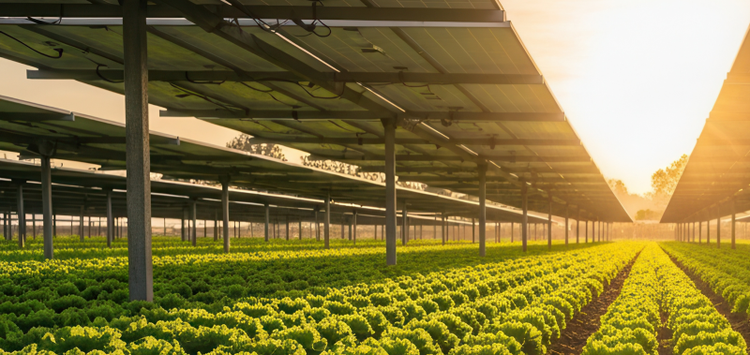
Agricultural fields benefiting from sustainable irrigation and energy access under PM KUSUM
Need for solar energy in agriculture in India
India's farmers increasingly need solar energy due to the realities of powering irrigation systems and farming operations. In many regions, farmers do not have access to electricity during the day, linking electricity supply issues to unsafe working hours while placing significant burden on farmers economically through high fuel costs and continuing maintenance on diesel-powered pumps.
Using solar power for agricultural purposes solves these problems while offering the following benefits:
- Reliable access to clean energy during daylight hours.
- Reduced costs of energy use as time increases for operation of equipment using solar energy.
- Reduced exposure to continued fluctuations in costs for diesel fuel.
PM-KUSUM is ensuring that all agricultural practices include the provision of solar energy, integrating into agriculture the benefits of using clean energy to assist in day-to-day operations and eliminating the traditional practice of segregating clean and renewable energy from farm operations.
What are the components of the PM-KUSUM scheme?
The PM-KUSUM solar scheme for farmers comprises of three components which address various specific energy-related needs experienced by all areas of Indian agriculture. By providing a comprehensive or holistic approach to addressing many of the energy-related issues as they relate to India's agriculture, the PM-KUSUM Scheme provides flexibility to support farmers in varying ways, depending on the available land for agricultural businesses, need for irrigation, and access to electrical utility resources.
Here is an overview of the three components of the PM-KUSUM Yojana:
Each of these components addresses a distinct challenge faced by Indian farmers. A closer look at them shows how PM-KUSUM combines energy access with income security and operational reliability.
1) Component A: Decentralized solar power plants and new income streams
Component A of the PM-KUSUM scheme focuses on setting up decentralized solar power plants ranging from 0.5 MW to 2 MW on agricultural or community-owned land. This includes wasteland, fallow land, and vacant agricultural land that may otherwise remain underutilized. The intent is to convert available land into a productive energy asset while retaining its agricultural character and ownership.
Under this component, individual farmers, Farmer Producer Organizations (FPOs), cooperatives, Panchayats, and other local bodies can develop solar projects in one of two ways. They may choose to own and operate the solar power plant themselves, or they may enter into partnerships with private solar developers through structured contracts. These arrangements are typically designed for long-term operation, often extending up to 25 years, providing clarity and income visibility from the outset.
The primary outcome of Component A is the generation of steady, long-term revenue through the sale of electricity produced by these solar power plants to DISCOMs. Importantly, farmers and landowners continue to retain ownership of their land, using solar generation as an additional income avenue rather than a land replacement activity. Over time, this approach strengthens rural financial resilience by reducing dependence on seasonal agricultural income alone.
Eligibility: Individual farmers, FPOs, cooperatives, Panchayats, local institutions.
Financial support: Up to 60% subsidy (central + state), up to 30% bank loan, farmer contribution ~10% (varies by state).
There are numerous benefits for farmers using this method:
- Predictable long-term income
Farmers can enter into land lease agreements for up to 25 years, ensuring a stable and often inflation-linked income stream without the need to manage daily plant operations.
- Dual use of agricultural land
Stilt-mounted solar panel structures allow farming activities to continue beneath the panels. This enables farmers to earn simultaneously from crop cultivation and solar power generation on the same land parcel.
- Participation through partnerships and shared ownership
By partnering with solar developers, farmers, FPOs, cooperatives, and local institutions can participate in shared ownership or revenue-sharing models, opening up additional income opportunities without high upfront investment.
- Local employment generation
The construction, operation, and maintenance of decentralized solar plants create skilled and semi-skilled jobs within nearby villages, contributing to the rural economy beyond the farming household.
Together, income from agricultural production and solar power becomes more stable and predictable. For many landowners, this combination provides greater confidence in long-term financial planning, helping agriculture transition from a high-risk livelihood to a more resilient and diversified income system.
2) Component B: PM-KUSUM solar pump scheme for off-grid farms
Component B of the PM-KUSUM scheme addresses the irrigation needs of agricultural farms that lack grid access or experience erratic and limited electricity supply. Commonly referred to as the PM-KUSUM solar pump scheme, this component supports the deployment of standalone solar-powered agricultural pumping systems, enabling farmers to draw water using solar energy rather than diesel or unreliable grid power.
By replacing diesel pumps, Component B reduces farmers’ exposure to rising fuel costs and supply uncertainties. Solar pumps operate independently of fuel availability, allowing irrigation to continue during critical crop growth periods without interruption. Over time, the simpler design and fewer moving parts of solar pumping systems also result in lower maintenance requirements compared to conventional diesel engines.
Compared to diesel pumps, solar pumps eliminate fuel costs and significantly reduce maintenance expenses over their operating lifetime.
Eligibility: Individual farmers in off-grid or low-grid areas.
Financial support: Up to 60% subsidy, 30% bank loan, balance by farmer; reduces long-term irrigation costs and diesel dependence.
Key advantages for farmers include:
- Long-term savings on irrigation costs through reduced fuel and maintenance expenditure
- Freedom from diesel dependence, protecting farmers from fluctuating fuel prices
- More reliable irrigation access, especially during peak seasonal and water-intensive stages of cultivation
By focusing on off-grid and underserved regions, Component B ensures that farmers in remote and difficult-to-reach areas can benefit from solar energy adoption. In doing so, it extends the reach of PM-KUSUM beyond well-connected regions, making clean and dependable irrigation a practical reality across diverse agricultural landscapes.
3) Component C: Reliable daytime power through feeder-level solarization
Component C focuses on solarizing existing grid-connected agricultural pumps and feeders to provide reliable daytime electricity for irrigation. Instead of depending on night-time power supply, farmers receive electricity during working hours, improving safety and convenience.
This approach plays a crucial role in enhancing irrigation reliability with solar power, particularly in states such as Maharashtra, Rajasthan, Gujarat, Haryana, Madhya Pradesh, and Karnataka, where feeder-level solarization has seen strong progress.
Eligibility: Grid-connected farmers or agricultural consumers.
Financial support: Subsidy and loan structure similar to Component B; ensures reliable daytime electricity.
Farmers benefit through:
- Enhanced safety during irrigation and elimination of late-night operations.
- Improved crop planning due to the consistent timing of water availability.
- Increased lifespan of pumps due to constant supply of power stability.
- Improved electric power reliability to rural feeders and village communities.
By strengthening rural power infrastructure at the feeder level, Component C contributes to broader improvements in agricultural productivity and village-level energy stability.
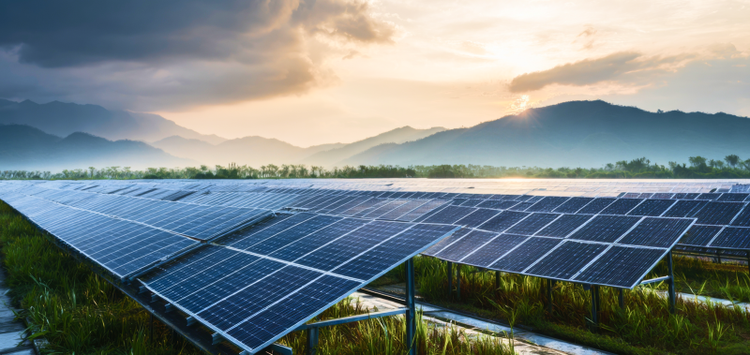
Solar installations under PM KUSUM scheme enabling farmers to generate clean energy and additional income
How do farmers benefit from the PM-KUSUM scheme?
Understanding how farmers benefit from PM-KUSUM goes beyond counting units of electricity saved. The scheme reshapes daily routines and long-term planning.
Key advantages include:
- Additional income streams: From land leasing or power sales
- Time savings: Daytime power frees farmers for other productive activities
- Improved crop outcomes: Consistent irrigation supports better yields
- Lower operational stress: Reduced dependence on diesel and grid outages
These changes collectively strengthen rural financial resilience and improve quality of life.
What is the subsidy structure for PM-KUSUM scheme?
Financial support is a central feature of the PM KUSUM Yojana. Typically, farmers can receive up to 60% subsidy, shared between central and state governments, with an additional 30% through bank loans, leaving about 10% contribution from the farmer (varies by state)
How much loan can I get from PM-KUSUM?
Under the PM-KUSUM scheme, farmers can finance a portion of their solar installation through institutional loans, making participation more accessible across different farm sizes. Typically, after accounting for central and state subsidies, banks may provide loans of up to 30% of the total project cost.
The exact loan amount depends on several factors, including the selected component of the PM KUSUM Yojana (such as the PM-KUSUM solar pump scheme or decentralized solar plants), approved system capacity, and state-level cost benchmarks. Final loan eligibility depends on the project, and application timelines, approvals, and installation schedules vary by state and component. In most cases, project execution begins after subsidy approval and site verification by the State Nodal Agency, determined by the financing bank in coordination with the State Nodal Agency.
Once farmers understand their subsidy eligibility and loan component, the next step is to begin the application process through the designated portals.
Who is eligible to apply for the PM-KUSUM scheme?
The PM-KUSUM scheme allows both individual farmers and organized agricultural groups to participate, ensuring that solar benefits reach farms of different sizes and structures. Eligibility is defined at the state level and aligned with local agricultural and power distribution conditions:
- Individual farmers
- Farmer groups and cooperatives
- Panchayats
- Farmer Producer organizations (FPOs)
- Water User Associations (WUAs)
The scheme is implemented by State Nodal Agencies (SNAs) and relevant state departments to ensure alignment with local agricultural conditions.
How to apply for PM-KUSUM scheme?
Many farmers ask how to apply for PM-KUSUM scheme or whether PM KUSUM scheme apply online options are available. While the exact process can vary by state, the overall flow remains similar.
In general, PM KUSUM scheme online registration involves:
1. Visiting the designated state or national PM-KUSUM portal
2. Selecting the relevant component (A, B, or C)
3. Submitting land, pump, or feeder details as required
4. Completing documentation and subsidy formalities
Application timelines, approvals, and installation schedules vary by state and component. In most cases, project execution begins after subsidy approval and site verification by the State Nodal Agency.
State agencies guide applicants through approvals, inspections, and installation stages. Farmers are advised to follow official portals to ensure accurate and up-to-date information.
What documents are required to apply for the PM-KUSUM scheme?
As per MNRE guidelines, applicants applying online are generally required to keep the following documents ready. Exact requirements may vary by state and by component
Mandatory documents:
- Aadhaar card of the applicant
- Proof of land ownership or valid land lease agreement (mandatory for Component A)
- Bank account details (cancelled cheque or first page of passbook)
- Existing electricity connection or pump connection details (for Components B and C)
- Mobile number linked with Aadhaar for OTP-based verification
Where applicable:
- Caste certificate for subsidy eligibility
- Resolution or authorization letter (for FPOs, cooperatives, Panchayats, or WUAs)
- Technical details of the pump, feeder, or proposed solar installation
- Site photographs or geo-tagged land details, as required by the State Nodal Agency
Applicants should verify state-specific document requirements on the official PM-KUSUM or State Nodal Agency portal before submitting the application.
PM-KUSUM and rural economic stability in India
Beyond immediate benefits, PM-KUSUM creates income opportunities for farmers through solar that are stable and predictable. By converting energy from a recurring expense into a source of value, the scheme supports long-term rural economic stability.
As solar assets typically operate for decades, farmers gain confidence in planning investments, diversifying income, and reducing exposure to energy price shocks.
Role of reliable energy partners
The growth of the PM-KUSUM scheme has introduced Rural India to the reliability and efficiency of solar power systems. This increased confidence leads to all types of businesses and households to investigate how solar can help them not only with agricultural needs, but for their residential and small business electric need.
As customers begin to implement solar power, quality, extended lifespan, and quality service become the main concerns of consumers. The adoption of solar power can produce the greatest results and the highest levels of satisfaction when done in partnership with an experienced renewable energy company who understands the technology behind solar electric production, as well as regional weather, product availability and local infrastructure.
Supporting India’s solar journey with trusted rooftop solutions
In this evolving landscape, Tata Power Solaroof is here to support consumers seeking dependable rooftop solar solutions. With proven solar expertise, a wide service network, and systems designed for long-term performance, Tata Power Solaroof complements the broader clean energy momentum created by PM-KUSUM.
As more consumers gain confidence in solar through agricultural initiatives, access to reliable rooftop solutions helps extend the benefits of clean energy into everyday life, reducing electricity expenses and supporting India’s sustainability goals.

Looking to find the most reliable solar setup for your home or business?
Bottom line
The PM-KUSUM scheme represents more than a renewable energy policy. It is a practical framework that links solar power with farmer welfare, income security, and environmental responsibility. By addressing irrigation reliability, reducing diesel dependence, and creating new revenue streams, the Pradhan Mantri Kisan Urja Suraksha evam Utthaan Mahabhiyan lays the groundwork for a more resilient agricultural future.
As implementation continues and awareness grows, PM-KUSUM has the potential to redefine how energy supports farming across India, today and for generations to come.
<h2 id="accordion-heading">Frequently asked <span class="dark-teal">questions</span></h2>
<p> The frequently asked questions section is a reliable source for unlocking answers to some of the most crucial inquiries. Please refer to this section for any queries you may have. </p>