


 Contact us
Resilient power grids withstand extreme weather conditions


Sections
Climate change is no longer a future threat. It is a present structural reality that is reshaping how power systems must operate. Across the world, utilities are grappling with a new normal, i.e., extreme heatwaves driving peak demand, cyclones and floods damaging vital infrastructure, wildfires threatening transmission corridors, and droughts weakening hydro and thermal generation.
International analyses (including IEA reporting and independent studies) show that weather-related disruptions to electricity systems have increased significantly in recent decades; the IEA flags rising climate impacts on power-system reliability and recommends resilience measures. India is no exception. In just the past few years, Cyclone Nisarga (2020), Cyclone Yaas (2021), and repeated monsoon extremes have disrupted grids from the dense urban heart of Mumbai to the vulnerable coasts of Odisha.
Each event sends a clear signal: utilities must evolve. Traditional grid planning assumptions no longer apply. The future of reliable electricity lies in building systems that are resilient by design, able to withstand shocks and recover quickly.
Dr. Praveer Sinha (CEO & MD, Tata Power) has emphasized that reliable, round-the-clock clean power matters alongside decarbonisation
With longer and more intense summers, cities are seeing steep spikes in electricity use. In May 2024, Delhi’s peak power demand reached about 8,302 MW, its highest recorded peak at the time, driven by extreme heat and high air-conditioning use. Meeting this surge requires not just supply availability, but grid flexibility and fast ramping capability.
Cyclones like Nisarga bring winds exceeding 100 km/h, accompanied by storm surges and heavy rainfall. In Maharashtra alone, the 2020 cyclone uprooted power poles, downed high-tension cables, and interrupted supply to over 25 lakh consumers. Floodwater frequently enters substations, forcing precautionary shutdowns and prolonging recovery.
Rising global temperatures are increasing the frequency of forest fires, particularly in semi-arid zones. High-voltage transmission corridors passing through these regions are vulnerable to heat and flame damage, triggering cascading failures across the grid.
Droughts not only reduce reservoir levels for hydropower but also restrict the availability of cooling water for thermal power plants. This impacts dispatchable generation during peak summer months when demand is at its highest.
Legacy systems were not built for the climate volatility we now face. For example, a recent study in Odisha found that 75% of distribution lines were over 30 years old and 80% of poles were vulnerable to high wind speeds. Resilience today demands structural upgrades and updated design codes based on new weather realities.
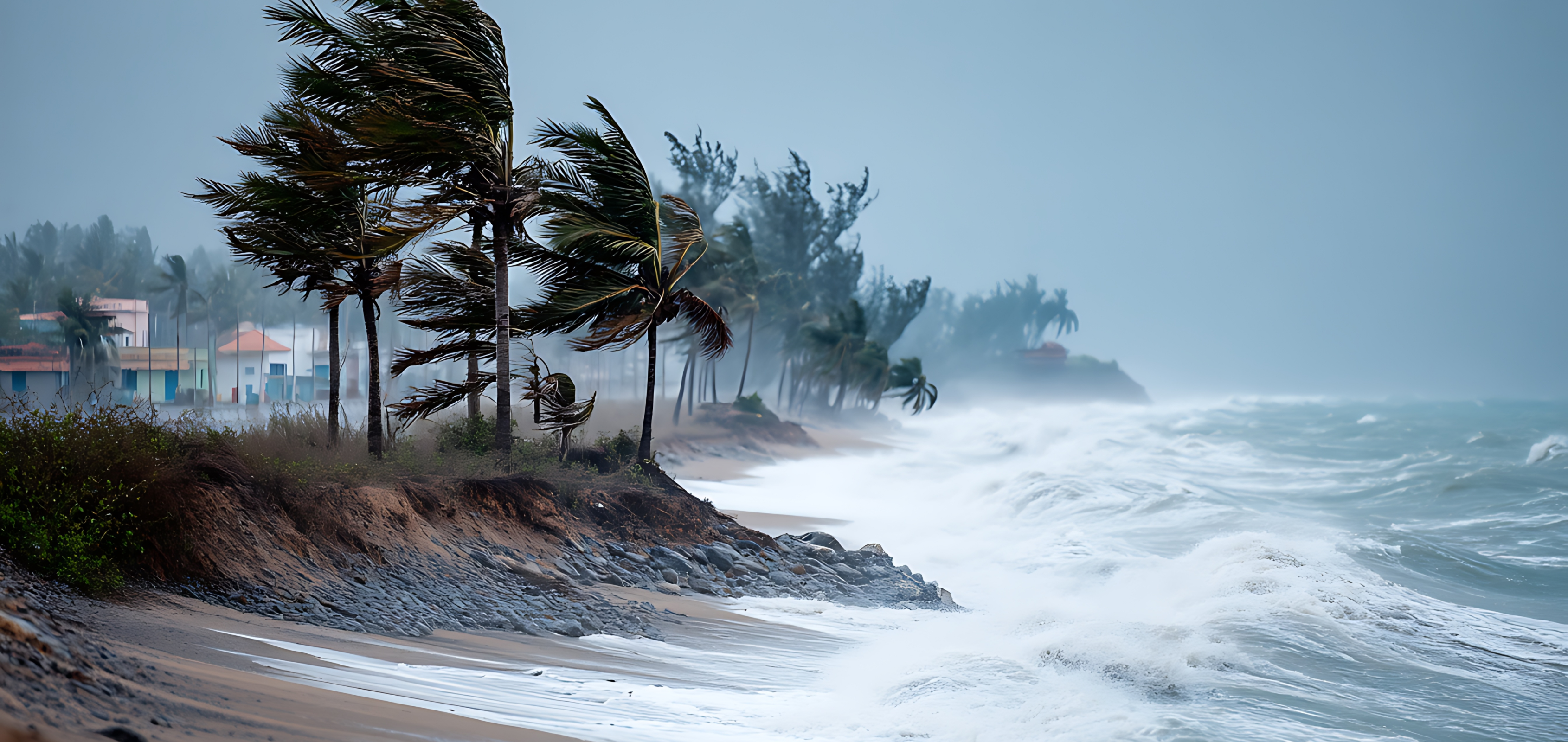
Resilient power grids withstand extreme weather conditions
Utilities are investing in physically stronger infrastructure. This includes reinforcing poles and towers, upgrading foundations to resist wind uplift, using corrosion-resistant materials in coastal regions, and redesigning substations to prevent water ingress.
In cyclone-prone and flood-prone areas, above-ground lines are being replaced with underground cables. In Odisha, such targeted undergrounding has significantly reduced outage frequency and restoration time during storms.
Solar+battery microgrids, especially in remote and rural areas, are emerging as resilient alternatives. They keep essential loads running like hospitals, water supply, telecom towers - even when the main grid is down. These systems can island themselves from the grid during emergencies and reconnect once stability returns.
Resilient utilities treat disaster preparedness as an ongoing discipline. This includes pre-monsoon equipment checks, annual mock drills, stockpiling restoration materials, and pre-deploying linemen and engineers. Tata Power’s 2025 monsoon strategy in Odisha mobilised 15,000 personnel across critical locations.
IoT sensors, remote-controlled breakers, and predictive outage analytics through ADMS help utilities detect faults in advance and dispatch the right crews quickly. Data-driven forecasting and automation reduce downtime and ensure faster recovery.
Together, these strategies help reduce damage, speed up restoration, and build trust with customers.
Tata Power’s resilience approach adapts to geography, whether it's an urban city like Mumbai or a coastal state like Odisha. The company’s investments and planning have yielded measurable outcomes during major climate events
In 2020, Cyclone Nisarga struck western Maharashtra, uprooting poles and affecting supply in four major districts. While other utilities saw large-scale outages, Tata Power’s Mumbai zones experienced minimal disruption. This was made possible by years of grid hardening, pre-positioned restoration teams, and clear communication protocols.
As a senior operations lead observed:
“Preparedness and coordination are what cut disruption. That’s how we protect dense urban populations.”
Odisha is one of India’s most cyclone-exposed states, with over 30% of substations located within 20 km of the coastline. Partnering with the Government of Odisha and CDRI, Tata Power’s distribution companies undertook a multi-year grid resilience program.
This included:
1. Hazard zonation and risk assessments
2. Strengthening old distribution lines and towers
3. Installing underground cables in coastal blocks
4. Piloting solar+battery microgrids in remote tribal areas like Mayurbhanj
The impact was visible during Cyclone Yaas in 2021. In past events, restoration would take several days. But in this case, power was restored in many affected areas within two days.
“Odisha Government has established a strong foundation for climate-proofing of power infrastructure, reaffirming our collective vision of fostering a future that is resilient, sustainable and better prepared to confront the evolving threats posed by the changing environment,” said Vishal Dev, Principal Secretary, Finance & Energy, Government of Odisha.
CDRI’s Director General Amit Prothi also noted - “The Odisha model offers a replicable framework for other coastal regions. The resilience of the power sector is pivotal in safeguarding lives and livelihoods.”
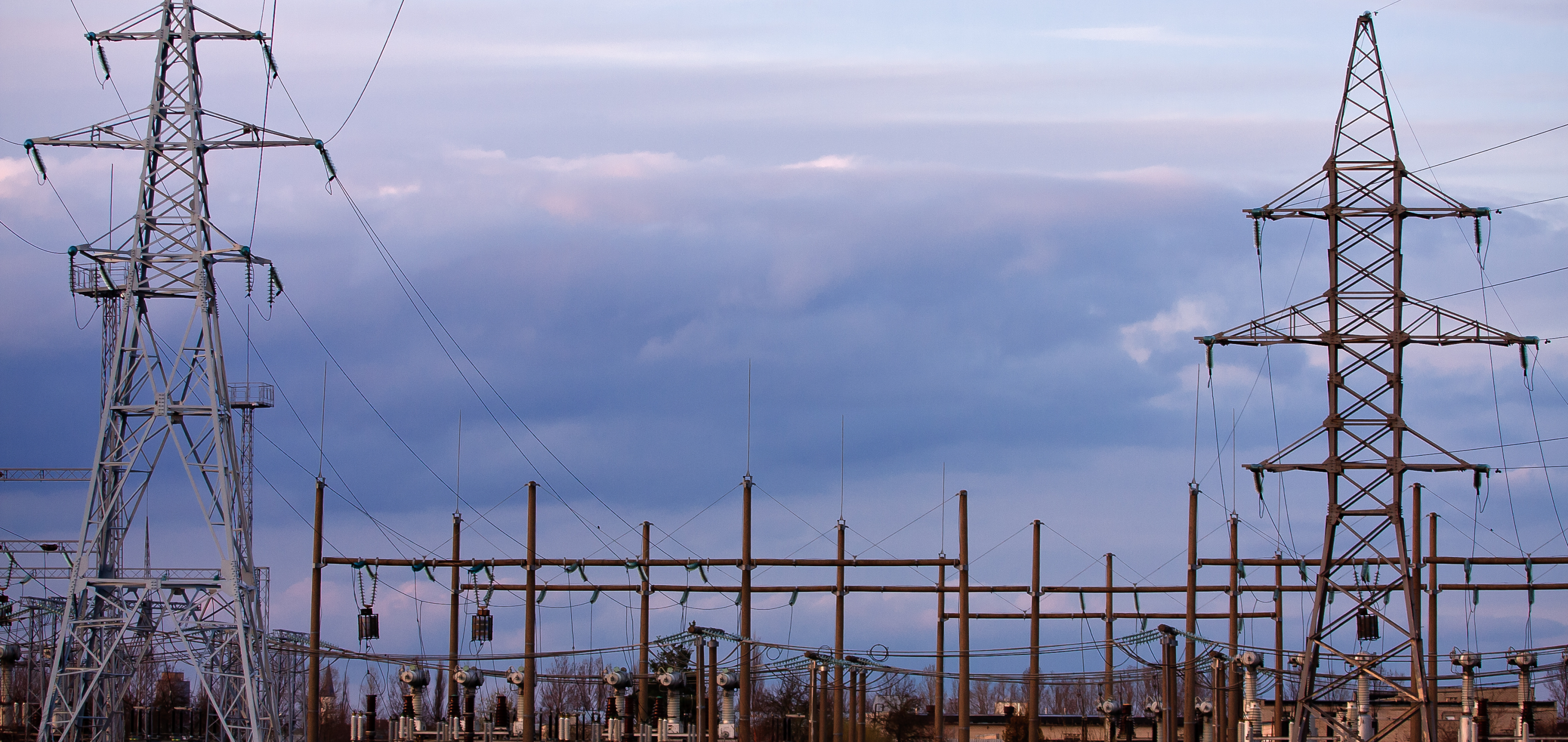
Strong power grids provide dependable supply of electricity
In cyclone-prone Odisha, targeted grid hardening, selective underground cabling, and advanced outage management systems enabled Tata Power utilities to restore supply within just 48 hours in many affected areas. Compared to previous events, this marked a step-change in recovery speed and reliability. This ensured faster reconnection for households and safeguarded critical services like hospitals and transport systems in India’s largest metro.
Pilot solar microgrids deployed in remote Odisha villages provided uninterrupted electricity to essential services, water pumps, health centers, and small businesses - even as the main grid went down during extreme weather. These microgrids became lifelines, proving how decentralized systems strengthen resilience for vulnerable communities.
Metric | Outcomes |
Mumbai – Cyclone Nisarga (2020) | 40% reduction in outage duration across service zones |
Odisha – Cyclone Yaas (2021) | Supply restored within 48 hours in most impacted areas |
Mayurbhanj solar icrogrids | Critical loads like clinics, pumps, and phone networks stayed online |
2025 monsoon readiness | 15,000 engineers and linemen pre-mobilized across Odisha discoms |
These numbers go beyond narrative. They represent avoided disruption, protected communities, and the trust of millions of consumers.
Utilities cannot do it alone. Customers and communities play an equally vital role in building resilience. Here’s how:
Keeping vegetation away from power lines reduces the chance of faults during storms. Community vigilance can prevent damage before it happens.
Installing inverters or battery-based systems ensures that key household appliances like lights, fans, medical devices remain functional during outages.
During heatwaves, reducing consumption during peak hours (like early evenings) eases strain on the grid. Even small adjustments help stabilize the system.
Housing societies and village panchayats can maintain emergency contact lists and coordinate critical load priorities (like water pumps or health clinics).
When adopted widely, these actions reduce overall risk and enhance recovery speed.
The future of reliable power will be decided as much by climate action as by added capacity, which is why resilience must be built into business models, planning frameworks, and community partnerships.
Tata Power’s experience across Mumbai and Odisha shows what this looks like in practice - read hazards early through risk-based planning, strengthen assets and digital controls, collaborate closely with government and research partners, mobilize people and materials before a storm hits, and judge success not only by uptime but by the speed of recovery. As Dr. Praveer Sinha has underscored, “RTC clean power is key to making the energy transition a reality”. A principle that aligns resilient operations with dependable, round-the-clock supply for customers.
Interview with Dr Praveer Sinha: “RTC clean power is key to making the energy transition a reality”
“A QUESTION OF SURVIVAL” – INDIA MUST BALANCE GROWTH AND SURVIVAL
CDRI report urges risk assessment in financial planning for disaster-resilient power systems
Keep reading...
View all