
Introduction

India's power sector is entering a new phase of transformation. Electricity demand is rising rapidly even as renewable energy takes on a growing role in the country's power mix. In May 2026, peak electricity demand reached 270.8 GW, underscoring the scale of the system India must operate while integrating increasing amounts of variable renewable generation.

The question, therefore, is evolving. It is no longer only about how much clean energy India can generate, but how effectively that energy can be integrated, stored and delivered when and where it is needed.

Speaking at the BNEF Summit New Delhi 2026, Dr. Praveer Sinha, CEO and Managing Director, Tata Power, offered a perspective that goes beyond choosing a particular storage technology. His vision is of a power system where different technologies and resources work together to make electricity cleaner, more flexible and more reliable.

There is no single answer to India's storage needs

There is no single storage technology that can address every requirement of India's evolving electricity system.

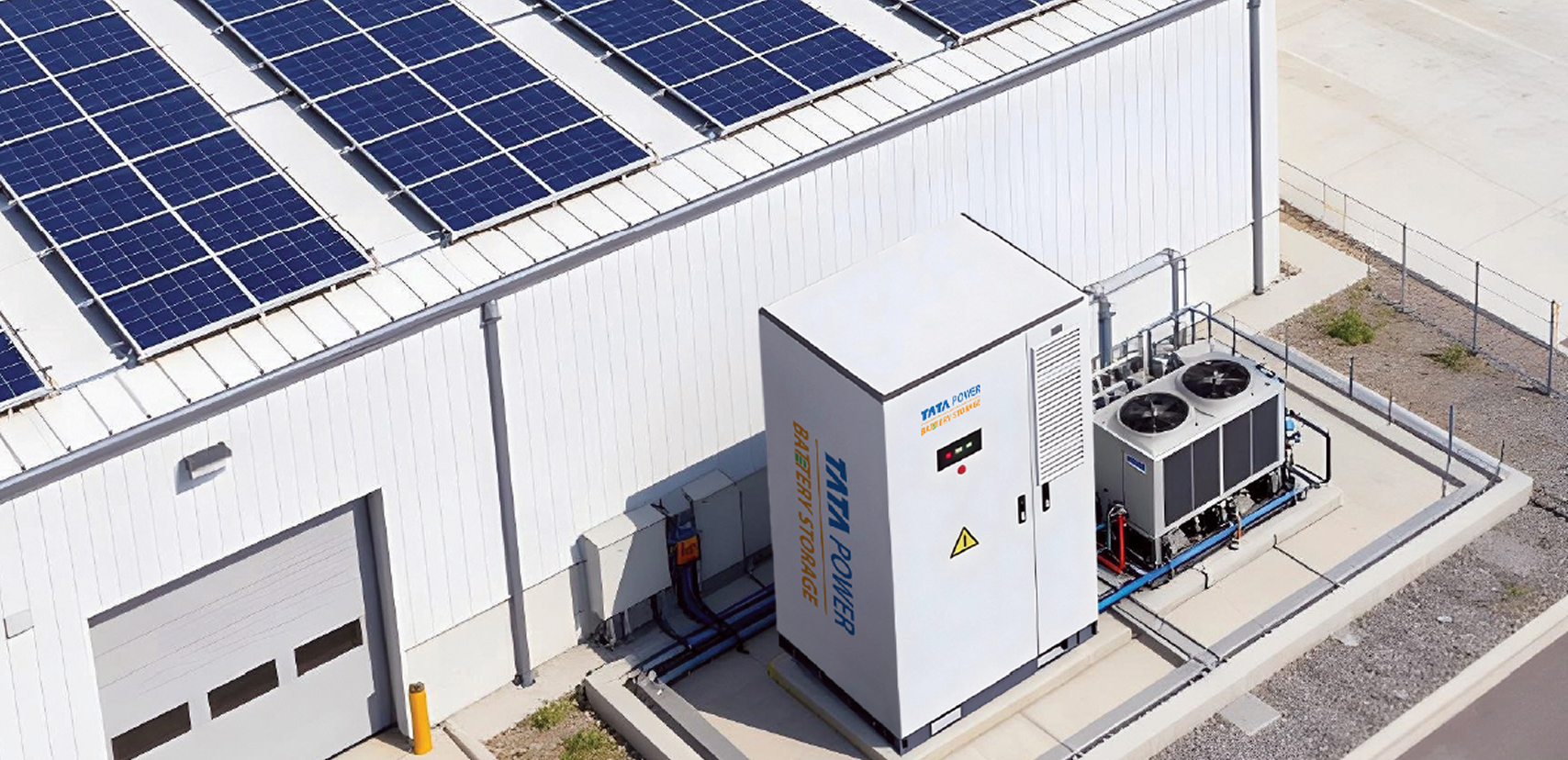
Battery energy storage systems can provide rapid response and short-duration flexibility. Pumped storage can support longer-duration energy shifting. Storage can be paired with solar and wind projects to make renewable power more dispatchable, or deployed independently by distribution utilities to meet specific system requirements.

The logic is straightforward. Different parts of the power system have different needs, and different storage technologies have different strengths.

That makes a portfolio approach particularly relevant for India. Short-duration batteries can respond quickly to changes in demand and generation, while pumped storage can provide longer-duration flexibility. Renewable-plus-storage projects can help bridge the gap between when renewable electricity is generated and when it is required. Standalone storage can respond to broader grid needs.

Tata Power's own investments reflect this approach. The company has 2,800 MW of pumped storage projects under construction, alongside battery energy storage initiatives and a growing renewable portfolio. This combination reflects the broader opportunity to use different forms of storage for different requirements across the power system.

The principle is simple: India's energy transition does not need one winning storage technology. It needs complementary solutions that can work together.

Storage can become a shock absorber for the grid

One of the most compelling ideas from Dr. Sinha's BNEF Summit intervention is his view of storage as something more than an energy asset.

This is particularly evident at the edge of the grid, where electricity networks meet consumers and where changing load patterns and distributed generation can create localized challenges.

Dr. Sinha sees edge-of-grid storage as part of a broader virtual power plant concept, where distributed batteries can collectively act as a flexible grid resource. Rather than simply supplying electricity when demand rises, these assets can respond to local grid conditions, absorb fluctuations and help manage periods of stress, effectively acting as a shock absorber for the network.

This flexibility gives edge-of-grid storage a role beyond conventional peak management. It can help support local network performance while reducing the pressure on centralized resources to address every fluctuation or period of stress.

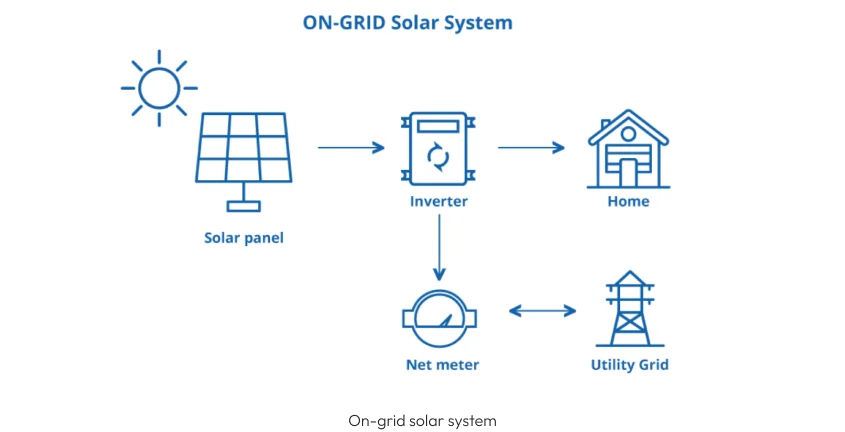
The concept becomes increasingly relevant as India's electricity system becomes more distributed. Rooftop solar is bringing generation closer to consumers, while changing patterns of electricity consumption are altering the load profile of local networks.

Strategically deployed storage can respond to these changes close to where they occur. It can help manage peaks, absorb fluctuations and provide flexibility without requiring every challenge to be addressed through additional centralized generation or network infrastructure.

Tata Power has already explored this potential through its 10 MWh battery energy storage system in Delhi, deployed at the distribution-transformer level. The project was developed to support grid flexibility and the integration of intermittent renewable energy.

Reflecting on the experience at the BNEF Summit, Dr. Sinha highlighted the significant improvement in power quality observed at the location.

The experience illustrates a broader shift in thinking. Storage does not have to sit alongside the power system. It can become active infrastructure that makes the power system itself more responsive.
Storage is becoming a system-wide flexibility resource

The role of storage does not end with renewable generation.

Dr. Sinha's perspective spans the electricity value chain, from renewable projects and distribution networks to transmission and conventional generation.

At the generation level, storage can help renewable projects provide power with greater flexibility. At the distribution level, it can respond to local peaks and changing load patterns. At the transmission level, it can provide another source of flexibility as power flows become more dynamic.

There is also an opportunity to use storage alongside conventional generation. As some thermal plants operate at lower utilization or closer to their minimum technical levels, storage could provide an additional tool for responding to changes in demand.

This is important because it reframes the energy transition. New technologies do not necessarily have to operate in isolation from the existing power system. Storage can help connect different parts of that system and make them work more flexibly together.

Dr. Sinha has highlighted the breadth of these potential applications, pointing to the need to maximise the utilisation of battery storage, pumped storage and thermal storage across the power system. The objective is to use each technology where it can deliver the greatest value while making flexibility a practical and widely available resource.

The question, therefore, is not simply where more batteries can be installed. It is where flexibility is most valuable and which technology can provide it most effectively.

That systems-level view is increasingly relevant as India expands renewable generation while continuing to meet the needs of a rapidly growing economy.

The intelligent grid will unlock the value of flexibility

A more renewable and distributed power system will also require a more intelligent one.

Solar and wind generation can change with weather conditions. Rooftop solar is creating more two-way flows of electricity. Batteries can move between charging and discharging depending on system requirements. Demand itself is becoming more dynamic.

Managing this system requires more than physical infrastructure. It requires visibility, forecasting and the ability to make decisions in real time.

This is where data and digital technologies become increasingly important.

For storage, intelligent dispatch can determine when a battery should charge, discharge or preserve its capacity. For utilities, advanced forecasting can help anticipate renewable generation and electricity demand. Across the grid, digital systems can provide greater visibility into network conditions and help coordinate distributed resources.

Tata Power is already building capabilities in this direction. Its digital initiatives include AI and machine learning-based renewable and demand forecasting, real-time battery monitoring and an Advanced Power Planner that brings together renewable generation, pumped storage, battery storage and market intelligence. The company has also deployed more than 50 lakh smart meters, creating greater visibility into electricity consumption across its distribution operations.

These capabilities point toward a broader evolution in the power sector.

The grid of the future will need to know not only where electricity is being generated, but where it is needed, when it is needed and which resource can respond most effectively.

Renewable energy integration supporting India's flexible and reliable power future

Making flexibility valuable for India's energy future

As storage takes on a greater role in balancing the power system, another question becomes important: how should the value of flexibility be recognized?

Storage can provide services beyond simply supplying electricity. It can respond during peaks, balance fluctuations and support grid stability. As these capabilities become increasingly valuable, market mechanisms will need to evolve alongside the technology.

The discussion at the BNEF Summit touched on this emerging opportunity, including the role storage could play in developing deeper ancillary-service markets.

For Dr. Sinha, however, the larger point is about what storage can make possible for the power system. A mature flexibility ecosystem would allow different resources to contribute according to the needs of the system, creating greater choice in how India manages its electricity supply.

That flexibility will become increasingly important as renewable energy expands. The objective is not simply to add storage capacity, but to create a power system in which flexibility can be deployed where it creates the greatest value.

Building India's next generation of reliable clean power

The conversation around India's energy transition is often framed in terms of how quickly renewable capacity can grow. But the next phase will be defined by how effectively the power system can integrate and use that clean energy.

Dr. Praveer Sinha outlined a perspective grounded in that larger opportunity. His approach does not place one technology against another. It brings them together: batteries and pumped storage, centralized and distributed resources, generation and storage, physical infrastructure and digital intelligence.

At its core is a belief in what India's power system can become.

A system where renewable energy can be integrated at greater scale. Where storage can provide flexibility wherever it is needed. Where data enables faster and smarter decisions. And where the grid can respond to changing demand with greater resilience.

For India, that is the opportunity ahead. The goal is not simply to generate more renewable electricity, but to build the capability to make clean power increasingly reliable, responsive and available when the country needs it.

The next chapter of India's energy transition will not be defined only by how much power India can generate, but by how intelligently it can make that power work for its people and its growth.

Disclaimer:
*The information provided in this blog has been compiled from multiple sources, including official company websites and other publicly available open-source platforms, believed to be reliable at the time of publication. However, such information may change over time, may not always reflect the most current developments, and may become outdated.
This content is intended solely for general informational purposes and should not be construed as professional, technical, financial, or legal advice. Tata Power does not guarantee the accuracy, completeness, or reliability of the information presented and shall not be held responsible for any loss or damage arising from reliance on this content.
Readers are advised to independently verify information from relevant official sources and conduct their own due diligence before making any decisions based on the content of this blog.