
Introduction

From decades-old family homes to brand-new office buildings, solar panels are showing up everywhere. You see them often, you know they make electricity, and still you may pause and wonder, what really is a solar panel?

You’re not alone. As electricity costs rise, more homeowners and businesses are exploring solar energy. Some are calculating savings and subsidies, while others are drawn to the idea of cleaner, renewable power. Yet many people aren’t sure how solar panels actually work or why they matter so much in a solar setup.

Understanding what is a solar panel is the first step towards making an informed choice about your energy future. Let’s start with the basics.

Power your knowledge!

Choose the correct statement

LEARN MORE

What is a solar panel?

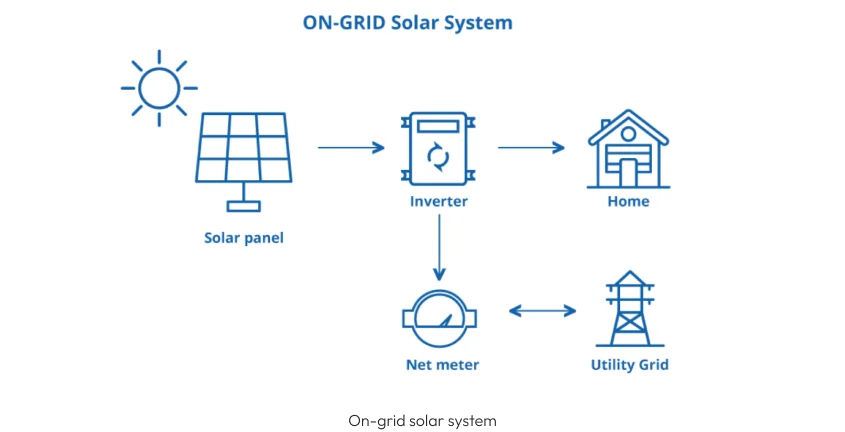
A solar panel is a device that converts sunlight into electricity using photovoltaic (PV) cells. Each panel is made up of multiple solar cells that generate electricity when exposed to light. The electricity produced is direct current (DC), which is later converted into alternating current (AC) to power everyday appliances.

In simple terms, a solar panel captures solar energy and turns it into usable power. It is the core component of a solar power system and plays a key role in generating clean, renewable electricity with zero emissions during operation.

Solar panels are built with durable materials such as tempered glass and aluminum frames so they can withstand heat, rain, dust, and long-term outdoor use. With proper installation and maintenance, they can reliably generate electricity for 25 years or more.
What are the key components of a solar panel

From a distance, a solar panel looks like a smooth glass sheet. Inside, several layers work together to generate electricity.

A typical solar panel includes photovoltaic cells, usually made from silicon, sealed beneath tempered glass that protects against weather, dust, and debris. The cells sit on a protective backsheet, and a sturdy frame keeps the panel secure during installation.

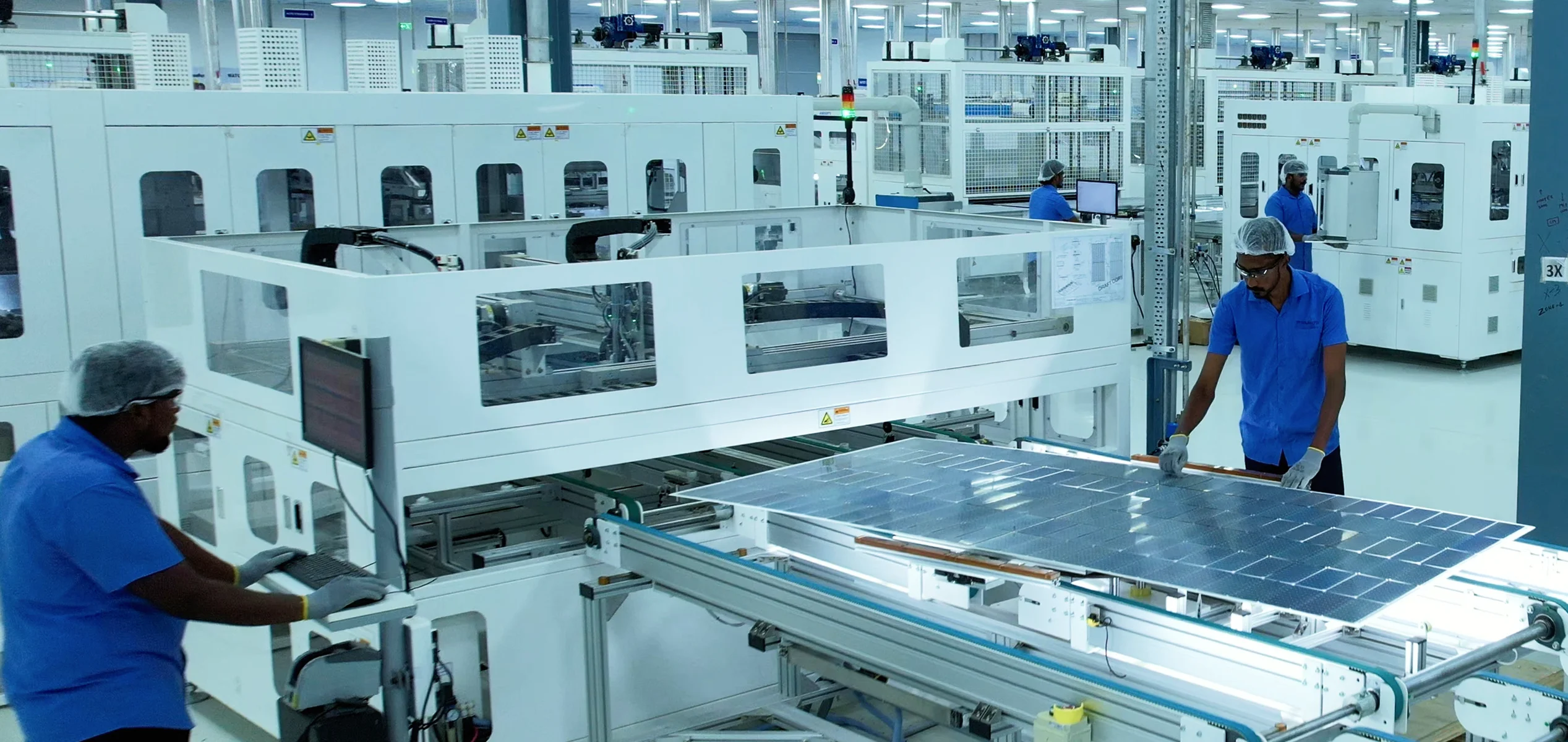
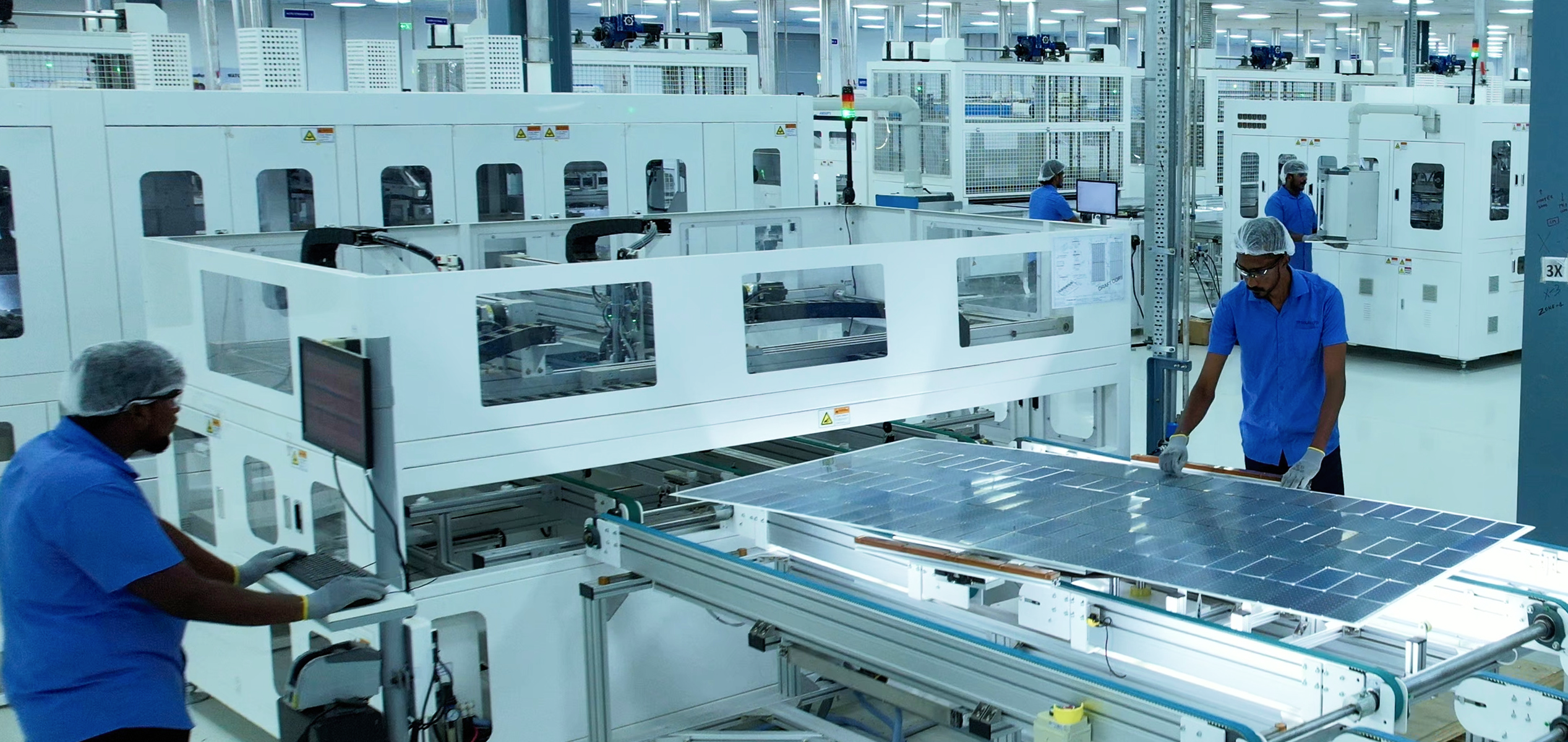
Tata Power solar manufacturing facility operations

A solar module manufacturing unit showing how solar panels are produced

The core components of a solar panel include: 

  • Solar cells: The core units that capture and generate electricity
  • Glass layer: A layer of toughened glass that protects the cells from potential damage through changes in weather or inadvertent accidents
  • Encapsulation layer: This layer protects the PV cells by keeping moisture and dust out
  • Frame: Usually made from aluminum, the frame provides support to the panels and acts as the mounting structure
  • Junction box: Acts like a bridge between the solar setup and in-house wiring to transfer the generated electricity outward

Variations in panel design and material have given rise to a variety of solar panels. But the 3 most common types include monocrystalline panels, polycrystalline panels, and thin-film panels. Monocrystalline panels are made from a single crystal structure and tend to be the most efficient, making them a good choice where roof space is limited. Polycrystalline panels are slightly less efficient but often more affordable. Thin-film panels are lighter and flexible, though they’re used more in specialized setups than in homes.

Curious about the different types of solar panels in the market? Here’s the full scoop. Read now!

But beyond efficiency and cost, panel design also plays a defining role in how long a system lasts, and how well it performs over time. A closer look at how these panels work, what they’re made of, and where they perform best can help you make a far more informed choice.

Looking for a deep-dive into solar panels? 

Explore our complete guide that covers everything you need to know, from the basics to what lies ahead

How long do solar panels last?

Most modern solar panels are built to last for 25-30 years, or more. Over time, panels can slowly lose efficiency at about 0.5-1% per year, but they rarely stop working altogether. Quality components, professional installation and setup, and proper maintenance can ensure that your panels stay healthy and productive for decades.

If you’re wondering how you can maintain your panels so they withstand the test of weather and time, here is everything you need to know. Read now!

It’s also worth noting that while panels last long, inverters usually need replacement after 10–15 years.

Finding the best solar panels in India

Choosing solar panels isn’t just about comparing wattage or price. Efficiency, durability, warranty terms, after-sales service, and financing options all matter. A high-quality panel paired with poor installation or weak maintenance support can cause problems later.

That’s why many homeowners and businesses look for experienced providers who offer complete rooftop solar solutions, from system design and installation to subsidy support and long-term service.

With integrated rooftop solar solutions, Tata Power provides end-to-end support, helping customers select the right system size, manage installation, and maintain performance over time so the transition to solar is smooth and reliable.

Have you found the best solar solution for your home or business?

Bottomline

A solar panel is the core component of any solar power system, converting sunlight into clean, usable electricity. By choosing high-quality panels and ensuring proper system integration through trusted providers, homeowners and businesses can reduce electricity bills, gain energy independence, and invest in a more sustainable tomorrow. The future of energy is here. Are you ready for it?

Frequently asked questions

The frequently asked questions section is a reliable source for unlocking answers to some of the most crucial inquiries. Please refer to this section for any queries you may have.


Solar panels produce direct current (DC) electricity. This DC power is converted into alternating current (AC) by an inverter so it can run home appliances.


A solar panel cannot run an air conditioner directly because it produces DC power. But with an inverter and the right system size, solar panels can easily run an AC. Many homes install solar power systems specifically to offset air-conditioning electricity use.


The electricity produced by a solar panel depends on panel size, sunlight hours, and location. On average in India, a 1 kW solar system produces about 4–5 units (kWh) per day.
A single 400 W panel may generate about 1.5–2 units per day in good sunlight conditions.


No, a 90% efficient solar panel is not possible with current technology. Most commercial solar panels are 18–23% efficient, which is already very high.
Efficiency improves every year, but physical limits make extremely high efficiency unlikely for standard solar panels.


Solar panels don’t need frequent replacement, only regular cleaning and occasional inverter maintenance. With proper care and maintenance, they usually last 25–30 years or more. Generally, most systems continue producing power for decades, with output slowly reducing over time.

Disclaimer:
*The information provided in this blog has been compiled from multiple sources, including official company websites and other publicly available open-source platforms, believed to be reliable at the time of publication. However, such information may change over time, may not always reflect the most current developments, and may become outdated.
This content is intended solely for general informational purposes and should not be construed as professional, technical, financial, or legal advice. Tata Power does not guarantee the accuracy, completeness, or reliability of the information presented and shall not be held responsible for any loss or damage arising from reliance on this content.
Readers are advised to independently verify information from relevant official sources and conduct their own due diligence before making any decisions based on the content of this blog.