


 Contact us
Decarbonization helps cut an economy's carbon output


Sections
- Introduction
- What is decarbonization?
- Why is decarbonization necessary?
- When should businesses decarbonize?
- Key steps toward achieving decarbonization
- What are the prominent strategies for decarbonization?
- What is the framework for setting decarbonization goals?
- Building value in a sustainability-conscious economy
- Creating India’s decarbonization growth framework
- The future of decarbonization in India
- Bottomline
- FAQs
Introduction
In 2024, India’s decarbonization efforts gathered pace even as its energy related CO2 emissions rose 5.3% due to growth and heatwaves. During the same period, the power grid added nearly 35 GW of new solar and wind capacity, a core lever of energy decarbonization expected to help bend the emissions curve. With climate risks intensifying, decarbonization is crucial for a sustainable energy future, aligning growth with lower emissions.
Now, how can a growing economy like India balance development with cutting emissions? The answer lies in understanding what decarbonization is, why it is necessary, and how to achieve it. In this blog, we’ll break down the concept, the importance of transitioning to carbon conscious pathways, and what strategies and policies India is adopting. So, read on to know why decarbonization matters to us all.
What is decarbonization?
Decarbonization is the process of reducing and ultimately eliminating carbon (CO2) and greenhouse gas emissions. It cuts an economy’s carbon output by shifting to low-carbon energy and boosting efficiency, building a system that reduces and compensates emissions. The goal is a carbon-neutral economy where emissions are balanced by removals or offsets, moving toward a sustainable energy future.
In practice, energy decarbonization phases out coal, oil, and gas for solar and wind, pairs efficiency with cleaner technologies. It answers what decarbonization is for countries by guiding effective actions that shrink carbon footprint while mitigating climate change.
Why is decarbonization necessary?
Decarbonization is necessary because it addresses the root cause of climate change: excessive greenhouse gas emissions. Cutting carbon emissions limits global warming and avoids impacts on ecosystems, weather patterns, and human livelihoods. Under the Paris Agreement, the world aims to hold temperature rise to 1.5–2°C above pre-industrial levels, requiring rapid global decarbonization. Curbing emissions is not an environmental choice but a survival imperative for humanity.
Why decarbonization matters for India?
For India, decarbonization is especially important. While India’s per capita CO₂ emissions are around 1.9 tonnes today, which remains well below more industrialized nations, its sheer population means its total emissions are substantial.
In 2024, India’s energy-related CO₂ emissions rose by about 5.3 %, leading among major economies, driven by infrastructure growth and rising energy demand. Despite low per capita emissions, the scale makes India’s role in global decarbonization critical.
Role of businesses
Businesses play a key role in global decarbonization because corporations emit across operations and supply chains. By investing in clean technology and energy efficiency, they support India’s climate goals.
Around the world, companies are adopting net-zero targets aligned with climate science and reinforcing responsibility. Decarbonization is necessary to meet climate commitments and build a resilient economy while driving innovation, creating green jobs, and safeguarding a livable planet for future generations.
When should businesses decarbonize?
Act immediately
Businesses should begin decarbonizing now rather than postponing. In India, renewable energy (RE) capacity reached 220.10 GW by 31 March 2025 after adding a record 29.52 GW in FY 2024-25. Early action means companies can phase in investments, improve efficiency and technology, and spread cost and risk over time instead of being forced into rushed major changes later.
Leverage strategic investment moments
Businesses should take major steps when investment or operational decisions offer the chance to pivot - such as building new facilities or replacing old equipment. India achieved a milestone of non-fossil fuel sources reaching 50 % of installed electricity capacity in July 2025, ahead of its 2030 target. This shows that clean capacity is becoming mainstream, and investing at these moments is timely and strategic.
Stay ahead of regulation
Companies should not wait for new rules before acting. India adopted detailed regulations for the Carbon Credit Trading Scheme (CCTS) in July 2024, targeting nine energy-intensive sectors and launching a carbon market framework. Being proactive gives businesses a head start on compliance, avoiding last-minute regulatory costs and better adapting their operations.
Set clear targets in plans and projects
Businesses should build clear decarbonization goals into every annual plan and every new project, prioritizing clean capacity, efficiency, and technology. The Indian government’s policy landscape now targets non-fossil power growth and clean technologies. For example, non-fossil capacity has reached half the grid as noted above. Embedding targets early allows firms to align capex and operational planning rather than scrambling later.
Prioritize clean capacity, efficiency and technology
When renewable energy or electrification clearly reduces cost and risk, businesses should act. For example, India’s rapid growth of solar and wind capacity means cleaner power is becoming cheaper and more available. By prioritizing clean capacity and efficiency upgrades now, companies reduce exposure to volatile fossil-fuel prices and build operational resilience.
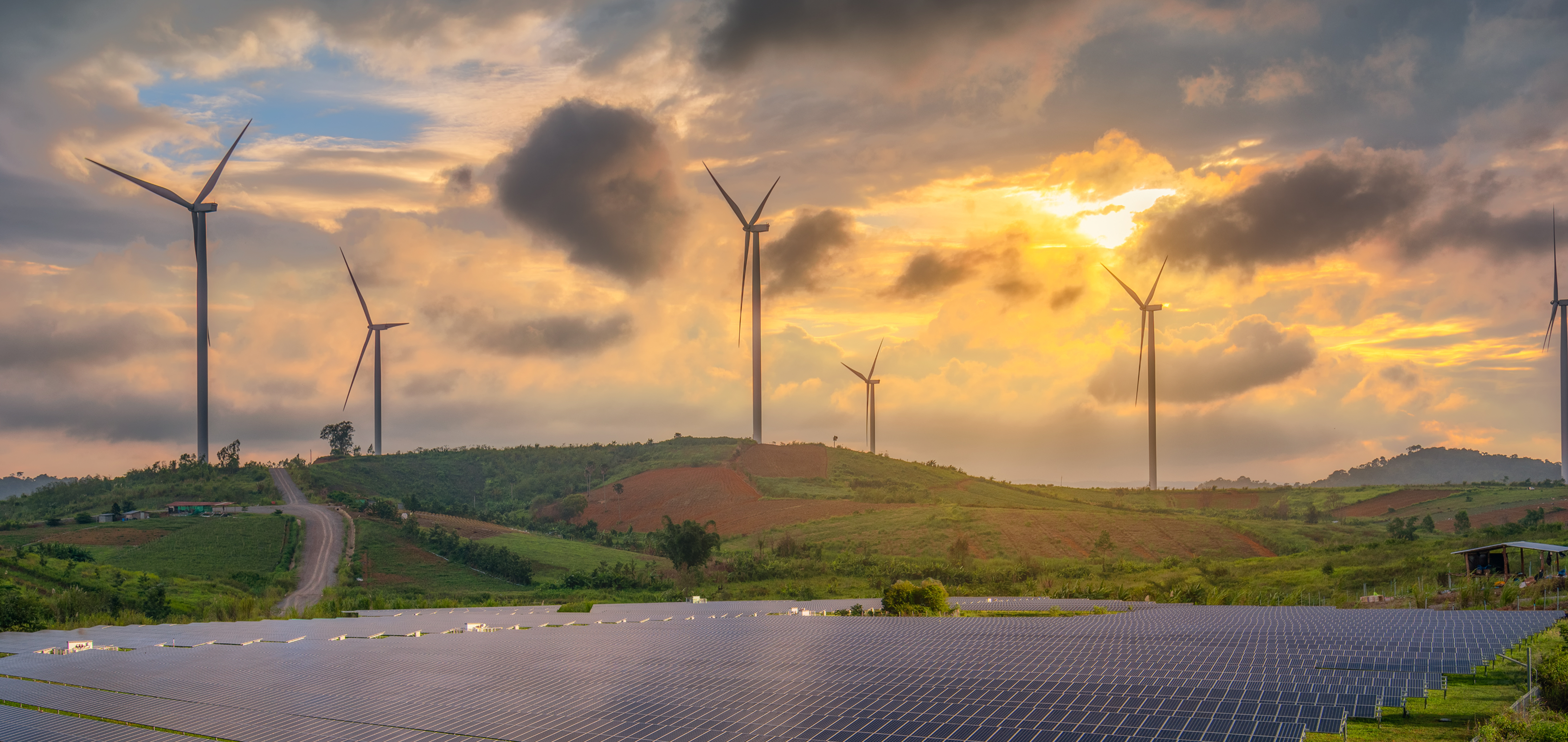
Key steps toward achieving decarbonization
Decarbonization can be achieved through a combination of changes in how we produce and use energy. At a high level, achieving decarbonization involves these fundamental steps -
Shifting to clean energy
Replace carbon-intensive fossil fuels with renewable energy sources such as solar, wind, hydro, and biomass. This transition in the power sector is critical since energy production is the largest source of emissions (about 75% of India’s GHG emissions come from the energy sector). For example, expanding solar farms and wind parks across India reduces the need for coal-fired electricity.
Improving energy efficiency
Use energy smarter and waste less. This includes upgrading energy-efficient appliances and industrial equipment, better insulation in buildings, and optimizing processes in factories. Using less energy to achieve the same output directly cuts emissions. Energy efficiency is often the quickest, most cost-effective decarbonization measure.
Electrifying transportation and industry
Move towards electricity-based technologies (and ensure the electricity is clean). For instance, replacing petrol/diesel vehicles with electric vehicles (EVs) helps decarbonize transport. Similarly, using electric induction furnaces in industry instead of coal-fired boilers can cut emissions - provided the electricity comes from renewable sources. Industrial decarbonization also involves adopting innovative low-carbon processes for cement, steel, chemicals, and other heavy industries.
Innovating and adopting low-carbon technologies
Some emissions are hard to eliminate with current methods (like emissions from cement production or aviation). In such cases, innovation is key. This includes developing low-carbon hydrogen as a fuel for industry and transport, using carbon capture and storage (CCS) to trap CO₂ from factories or power plants, and embracing circular economy practices (like recycling and bio-based materials). Emerging solutions like green hydrogen (made from renewable energy) can directly replace fossil fuels in certain applications and significantly reduce carbon output.
Carbon sinks and offsets
In addition to reducing emissions, achieving full decarbonization may require removing CO₂ from the atmosphere. Protecting and expanding forests, which act as carbon sinks, is one natural way (India’s forests already absorb about 522 million tonnes of CO₂ annually, offsetting 22% of emissions). Other approaches include technological carbon removal. While the priority is always to cut emissions at the source, any unavoidable emissions can eventually be balanced by carbon offset projects or direct air capture technologies.
Decarbonization is gradual, requiring policy, industry, and consumer action to expand renewables, efficiency, electrification, and capture while sustaining India’s growth.
What are the prominent strategies for decarbonization?
Achieving deep decarbonization calls for multiple strategies across different sectors. Here are some key strategies with examples of decarbonization in action -
Transition to renewable energy
Accelerating renewable power is central to decarbonization, and India is moving fast. The Bhadla Solar Park in Rajasthan produces over 2.2 GW of solar power, helping replace coal-based electricity. National renewable capacity reached 209 GW by end of 2024 across solar, wind, hydro and more, a 15.8 percent jump from 2023. This rapid growth is lowering the grid’s carbon intensity. By 2030, India targets 500 GW of non-fossil capacity, a step that would dramatically decarbonize the energy sector.
Enhance energy efficiency
Using energy more efficiently reduces emissions and saves costs. A good example is India’s UJALA scheme. The distributed hundreds of millions of LED bulbs nationwide, reducing electricity use and avoiding an estimated 40 million tonnes of CO₂ each year by replacing inefficient bulbs. In industry, the Perform, Achieve and Trade program set efficiency targets for steel, cement, fertilizers and other heavy sectors, delivering energy savings equal to 31 million tonnes of CO₂ avoided in one cycle. Upgrading machinery, improving insulation, and recovering waste heat further contributes to decarbonization.
Electric mobility revolution
Decarbonizing transport is vital because oil-based vehicle fuels drive CO₂ and urban air pollution. India’s strategy backs electric mobility and cleaner fuels. Under FAME II, support now totals 14,028 electric buses and 24.79 lakh electric two-wheelers. Delhi and Mumbai are rapidly expanding e-bus fleets, lowering diesel use. Indian Railways’ network is over 99% electrified, nearing its full-electrification goal. The Delhi Metro runs mainly on electricity and sources a portion from solar via Rewa, offering a practical model for low-carbon urban transit.
Green hydrogen and low-carbon fuels
Low-carbon hydrogen is a game changer for heavy industry and long-distance transport such as shipping and aviation. Green hydrogen, made via renewable-powered electrolysis, can replace coal and gas in steelmaking, refineries and fertilizer production. India’s National Green Hydrogen Mission, launched in 2023, targets 5 million tonnes a year by 2030. This pathway can decarbonize steel by using hydrogen instead of coke in blast furnaces and can fuel future hydrogen cell vehicles. SATAT converts agricultural waste to biogas for vehicle fuel, cutting crop-burning, and diesel emissions.
Afforestation and carbon sinks
Expanding forests and ecosystems helps absorb CO₂. India’s efforts include large-scale tree planting and mangrove restoration. Forest and tree cover have inched up, supported by the Green India Mission and the National Afforestation Programme, which enhance carbon sinks. A flagship example is MISHTI (Mangrove Initiative for Shoreline Habitats & Tangible Incomes), which plans restoration of 540 km² of mangroves across coastal states. These nature-based solutions sequester carbon and deliver co-benefits such as biodiversity gains and climate resilience.
Industrial innovation (Industrial decarbonization)
Some industries are highly carbon intensive, including cement, steel, and chemicals. Decarbonization options include new processes such as electric arc furnaces, clinker substitution, carbon capture and utilization, and switching to lower carbon materials. For example, Dalmia Cement has used biomass and industrial wastes as kiln fuels, cutting CO₂. Steel can shift to green hydrogen-based direct reduction instead of coke. The Government of India is funding pilot projects in low-carbon steel and cement.
Integrated renewables, efficiency, electrification, green fuels, and carbon sinks let India decarbonize rapidly while meeting growth, jobs, and resilience goals.
What is the framework for setting decarbonization goals?
Decarbonization works best with science-based targets and a clear, practical roadmap. Here’s how -
Measure the baseline
Start by quantifying your carbon footprint. For organizations, calculate greenhouse gas emissions across Scope 1, 2, and 3 covering direct operations, purchased energy, and the supply chain. For India overall, rely on comprehensive national emissions inventories to set the baseline; for example, national emissions were about 2.6 billion tonnes CO₂e in 2019 excluding forestry. Accurate, consistent measurement underpins credible targets, interim milestones, practical planning, and transparent reporting.
Set clear, science-based targets
With a clear baseline, set goals that align with climate science and map a path to net zero. Specify your net zero year and define interim milestones to stay on course. India, for example, has a national goal of net-zero by 2070 and a commitment to reduce the emissions intensity of its GDP by 45% by 2030 (from 2005 levels). Companies can align with the Science Based Targets initiative, which provides 1.5°C criteria and net zero guidance. Include near-term checkpoints, for example a 30 percent reduction by 2025 and 50 percent by 2030, to track progress.
Develop a roadmap and action plan
Once targets are set, create a decarbonization roadmap that explains how to get there. Outline measures such as switching to renewable power, improving efficiency, redesigning products, and investing in low carbon R&D. For businesses, this includes capex like installing rooftop solar, procuring renewables through PPAs, and adopting electric fleets, plus operational changes like optimizing logistics. Nationally, India’s Long-Term Low-Emission Development Strategy submitted to the UNFCCC sets sector pathways to a 2070 net zero goal across electricity, transport, buildings, industry, and forests.
Assign responsibilities and integrate into strategy
Companies should embed decarbonization in corporate strategy, assign ownership to energy managers, supply chain heads and teams, and track emissions of KPIs with rigor like financial metrics. Nationally, designated bodies such as the Ministry of Power and the Ministry of New and Renewable Energy drive elements of India’s climate plan. A multi-stakeholder approach involving government, private sector, and civil society ensures that decarbonization goals are not isolated from targets but part of the broader development agenda.
Monitor, report, and revise
Transparency and accountability are crucial. Track emissions regularly and report publicly. Nationally, India files Biennial Update Reports and National Communications with updated inventories. Companies must disclose, under BRSR, emissions data. This monitoring shows whether plans are on track and where to course correctly. Keep the framework flexible so new technologies and rising ambition can be incorporated as they become feasible.
By following this kind of framework, businesses can create a “decarbonization roadmap” that aligns with global best practices and India’s climate goals.
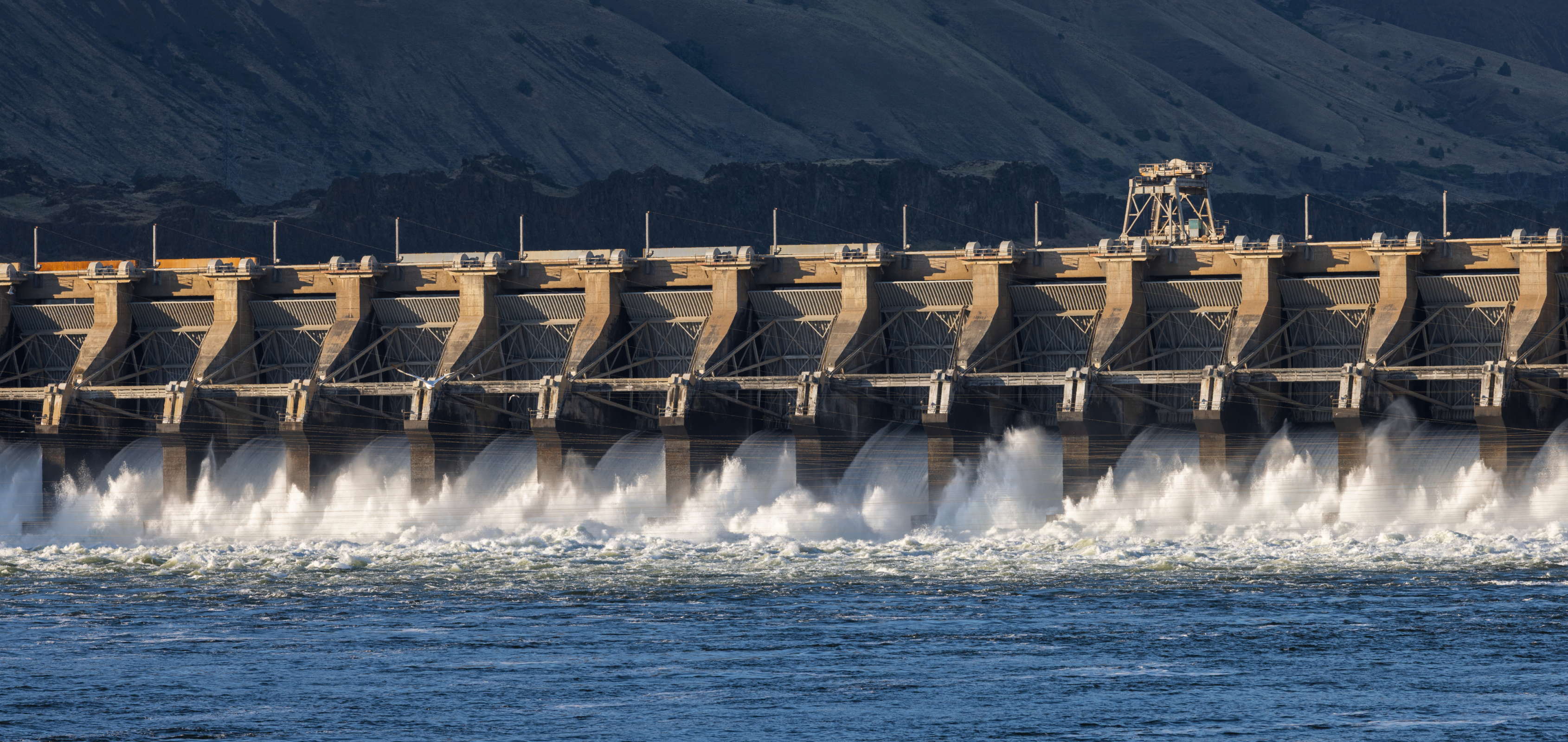
Energy decarbonization pairs efficiency with cleaner technologies
Building value in a sustainability-conscious economy
Starting to cut your company’s carbon emissions brings many practical benefits. Making your business greener is also a smart move. Some of the key benefits are -
Cost savings and efficiency
Cutting emissions often means cutting waste and improving efficiency. Optimizing energy use or switching to cheaper renewable power saves utility costs. Installing energy efficient equipment or LED lighting lowers electricity bills; LEDs use about 75 percent less energy than old bulbs. Over time, solar on-site provides stable, low-cost power. Many firms report operational savings, with over half cutting emissions 10–40 percent with net cost savings.
Risk reduction and resilience
Decarbonizing helps companies manage risks. Reliance on fossil fuels exposes firms to volatile oil and coal prices and possible carbon taxes or penalties. Moving to clean energy and processing hedges against future carbon price shocks and supports early compliance. Carbon pricing already covers about 28 percent of global emissions, raising policy exposure. Climate change itself disrupts supply chains through extreme weather. Investors, insurers and financiers now assess climate risk, and decarbonizing can lower insurance costs or improve loan terms.
Competitive advantage and brand value
In today’s market, consumers, investors, and partners increasingly favor sustainable businesses. Companies with clear decarbonization commitments and green products attract eco-conscious customers and stand out from competitors. Starting early lets firms' phase in energy efficiency and new technologies, spread investments, and stay ahead of regulation. Deloitte reports 85 percent of CxOs increased sustainability investment, with revenue the most cited benefit. Using 100 percent renewable energy and offering low carbon products builds brand and loyalty, as multinationals ask suppliers to decarbonize.
Innovation and new opportunities
Focusing on decarbonization accelerates innovation. Companies redesign products and services to sustainable, unlocking new revenue. An automaker investing in EV technology can capture the expanding EV market. A chemical firm that pioneers a low carbon process can patent it or gain an edge. Decarbonization steers R&D toward battery technology, green hydrogen, and advanced materials, keeping firms at the frontier. Early adopters become providers of green solutions, turning decarbonization into opportunity.
Investor and stakeholder trust
Investors increasingly use ESG criteria to assess companies. A credible decarbonization plan signals future proofing and lowers perceived risk. Many large asset managers and banks have pledged to back net zero aligned firms. Talent, especially younger employees, prefers environmentally responsible employers. Decarbonization therefore helps attract investment and talent, two pillars of long-term success. Clear sustainability actions also maintain goodwill with regulators and the public, reducing reputational risk over time.
As the economy shifts, businesses that align with the low-carbon transition early will reap the most benefits, from financial gains to goodwill and resilience.
Creating India’s decarbonization growth framework
To drive decarbonization, the Indian government (along with global commitments) has introduced a range of policies, schemes, and initiatives. Some of the most important decarbonization-related policies include -
Paris agreement & India’s climate commitments
Globally, the Paris Agreement is the cornerstone of decarbonization, with countries submitting Nationally Determined Contributions. India’s NDC commits to reduce the emissions intensity of GDP by 45 percent by 2030 from 2005 levels and to reach about 50 percent cumulative electric power capacity from non-fossil sources by 2030. Prime Minister Narendra Modi has also announced a national net zero target for 2070. These high-level commitments guide policy and signal India’s resolve, pairing equity concerns with significant action.
National action plan on climate change (NAPCC)
Launched in 2008, the National Action Plan on Climate Change (NAPCC) sets India’s broad strategy through eight National Missions. These include the National Solar Mission, the National Mission for Enhanced Energy Efficiency (NMEEE), and the National Mission on Sustainable Habitat, alongside missions on water, agriculture, and Himalayan ecosystems. Under the Solar Mission, India’s 2022 solar target began at 20 GW then was scaled up, with more than 60 GW installed by 2022. As of 2025, India has achieved the milestone of 100GW solar energy capacity. NMEEE enabled PAT for industries and UJALA. Together, the missions drive sector decarbonization.
National green hydrogen mission
Approved in 2023, the National Green Hydrogen Mission anchors India’s plan to decarbonize hard to abate sectors and build a global hub for green hydrogen. It targets at least 5 MMT of green hydrogen by 2030 and ~125 GW of renewables. The mission offers ₹17,490 crore in incentives for electrolyser manufacturing and green hydrogen production, and funds pilot projects in steel, mobility and shipping. Replacing coal or natural gas in steel and fertilizer cuts industrial emissions and builds a green economy with 6 lakh jobs and ₹8 lakh crore investment.
Electric mobility and clean transport policies
To decarbonize transport, the FAME India Scheme supports electric mobility. FAME II (2019 to 2024) allocated ₹10,000 crore, later raised to ₹11,500 crore, funding upfront purchase incentives and charging infrastructure with a focus on public transport and two wheelers. States add EV policies with tax waivers and subsidies. India also enforces fuel efficiency standards under CAFE and is advancing toward 20 percent ethanol petrol by 2025 to 26. Together, these policies expand the EV market and bring cleaner models that cut future emissions.
By taking advantage of such subsidies and programs, individuals and businesses can not only reduce their own carbon footprint but also save energy costs and contribute to national goals.
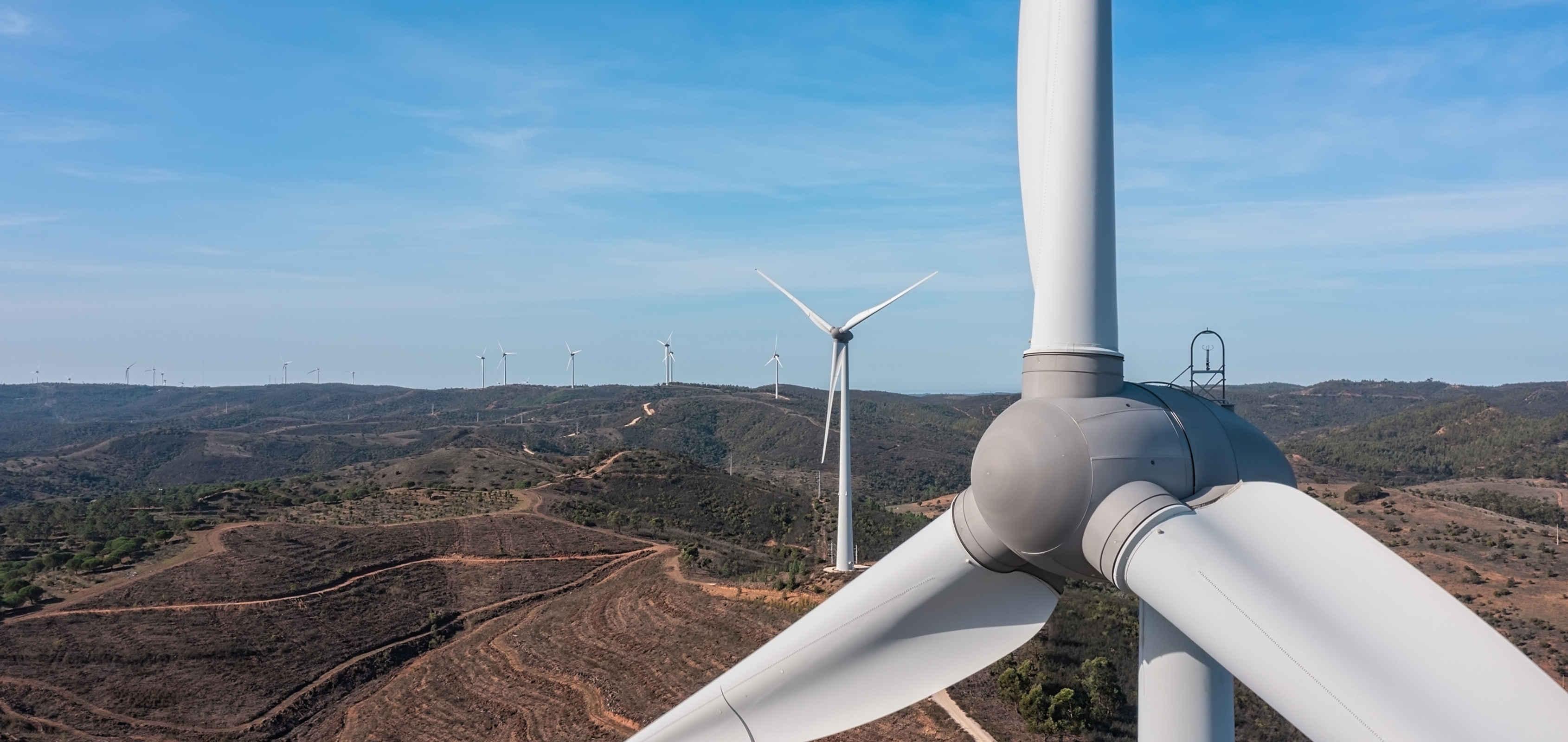
Decarbonization anchors India's renewable energy system
The future of decarbonization in India
In the coming years and decades, we can expect transformational changes as technologies mature, costs drop, and climate action intensifies -
Rapid clean energy expansion
Renewable energy will lead to new capacity additions. Solar and wind, reinforced by energy storage and smarter grids, are set to anchor India’s power system. With the 500 GW non- fossil target by 2030, more than half of electricity could be carbon-free. After 2030, floating solar, offshore wind, and possibly next generation nuclear or geothermal can expand the mix. A modern grid will orchestrate millions of rooftops while safeguarding reliability. The power sector's carbon intensity will decline sharply.
Electrification and green hydrogen at scale
By the 2040s and 2050s, many fossil-fuel sectors will shift to electricity or hydrogen. Most new vehicles will be electric, with heavy-duty trucks using batteries or hydrogen fuel cells. Low-carbon hydrogen will become mainstream, produced in large solar–hydrogen plants across deserts and coasts. This green hydrogen can fuel cargo ships, run gas turbines at peak, and serve as feedstock for steel and chemicals without coal. Synthetic e-fuels may decarbonize aviation and long-haul transport. Success of the National Green Hydrogen Mission in this decade sets up a mid-century hydrogen economy.
Innovation and new technologies
In the coming decades, new technologies will become common today. Energy storage will be a game changer. Better batteries and flow batteries will help match renewable supply with demand, enabling round the clock renewable energy. Carbon capture, utilization and storage can cut emissions at hard to abate industrial plants. Carbon removal, including direct air capture, can address the leftover share. Digital technologies and AI will improve efficiency through smart grids and IoT-based energy management. Indian startups and research institutions will adapt solutions to local needs.
The future of decarbonization is one of hope, innovation, and leadership. While challenges will persist, the trajectory is set towards a cleaner, sustainable, and self-reliant energy future.

Bottomline
Decarbonization in India is not a side project; it is how we keep growth and livability on the same track. The path is already visible: more renewable power on the grid, cleaner transport in cities, smarter factories through industrial decarbonization, and early bets on low-carbon hydrogen. Policy is the engine; business is the gearbox, and citizens are the fuel. The prize is a sustainable energy future with healthier air, resilient jobs, and lower risk. What matters now is commitment and focus. Measure your footprint, set science-based targets, shift spending to efficiency and energy decarbonization, and share results. Start small, scale fast, and keep going.
Frequently asked questions
The frequently asked questions section is a reliable source for unlocking answers to some of the most crucial inquiries. Please refer to this section for any queries you may have.
- FAQ
The PM Surya Ghar scheme provides direct subsidies for residential rooftop systems via a national portal. Current benchmarks show support up to ₹78,000 for systems of 3 kW or more, reducing payback and enabling household-level energy decarbonization with net metering. Fees and processes are being simplified through state utilities to accelerate uptake.
Dependence on coal - Power remains coal heavy, with about 57% fossil-based capacity in 2023, so phasing down while protecting jobs and reliability is hard.
Growing energy needs - Rapid demand means renewables must scale fast, or emissions can rise in the short term.
Technology and finance - Advanced batteries, EVs, green hydrogen are costly; financing trillions, tech transfer, and local manufacturing remain hurdled.
Policy Implementation - Land, charging, and coordination delays slow rollout. Costs are falling, make in India, skills, and just transition efforts are growing.
India pledges a 45% reduction in emissions intensity of GDP by 2030 from 2005 levels. This means growing the economy while using fewer emissions per rupee of output, a core lens for decarbonization meaning at the national level. Progress can be tracked on the NITI Aayog India Climate & Energy Dashboard, which consolidates official energy and climate indicators used to monitor targets.
Businesses are encouraged to begin decarbonization now. Early action lets you phase in investments, improve efficiency and technology, and stay comfortably ahead of tightening policies. Act when it is strategically sensible, for example when renewables or electrification reduce cost and risk. Please do not wait for regulation, since a national carbon market and stricter standards are advancing in India. Build clear targets into annual plans and new projects, prioritizing clean capacity. Starting today supports resilience, competitiveness, and smooth compliance.
SEBI’s Business Responsibility and Sustainability Reporting make listed firms disclose Scope emissions, intensity, energy mix, and transition actions. That transparency turns energy decarbonization into a measurable plan for investors and regulators, and anchors climate goals inside boardroom KPIs. Newer BRSR Core standards deepen assurance and comparability, improving the credibility of corporate climate claims.
India’s new compliance decarbonization market will run as a baseline-and-credit system under the Carbon Credit Trading Scheme. Initially it covers energy-intensive sectors, with a central registry and accreditation framework. Large entities must cut intensity or buy credits. SMEs can participate through supply chains and efficiency projects that generate tradable reductions. This market design aims to lower the cost of decarbonization in India while rewarding early movers.
Under the National Green Hydrogen Mission, India will certify hydrogen produced from renewable sources and support electrolyser manufacturing and production through incentives and green hubs. The aim is to anchor low-carbon hydrogen in refining, fertilizers, steel, mobility, and shipping via competitive bidding and hub development, creating credible supply and demand with traceability.
The National Clean Air Programme drives city action plans to cut PM2.5. Many levers overlap with decarbonization such as shifting public transport to electric, stricter fuel norms, and cleaner power supply for industry and households. NCAP portals track activities and funding, while independent assessments review progress and highlight where deeper structural measures can align air quality with climate goals.
NITI Aayog’s India Climate & Energy Dashboard aggregates official datasets on energy, power capacity, renewables, and climate targets. It is a reliable starting point to understand carbon footprint India trends, sector contributions, and progress toward national pledges, and to benchmark interventions that support decarbonization India at state and industry levels.
Sources
Wheels of Change: India’s Electric Leap for Green Mobility
99% CNG buses to exit Delhi’s streets this year
Over 99% electrification of Indian Railways network complete
Championing Circularity
India launches first cluster of CCU testbeds in academia-industry collaboration for cement industry
5% rise in India’s GHG emissions since 2016, driven by energy & industrial sectors
India's Long-Term Low-Carbon Development Strategy
Strategies for achieving net-zero emissions
5 lessons on decarbonization learned from working with corporates
2024 NDC Synthesis Report
Boosting your bottom line through decarbonization
State and Trends of Carbon Pricing 2025
Global Carbon Pricing Mobilizes Over $100 Billion for Public Budgets
Executives say sustainability investments are up
India’s Updated First Nationally Determined Contribution Under Paris Agreement
The Paris Agreement
India stands committed to reduce Emissions Intensity of its GDP by 45 percent by 2030, from 2005 level
The 500 GW switchover
Fame India Scheme
Electric vehicle demand incentives in India
GOVERNMENT SPEED UP ETHANOL BLENDING WITH EXPANDED PRODUCTION AND INFRASTRUCTURE
Corporate Average Fuel Efficiency (CAFE) Norms
5% rise in India’s GHG emissions since 2016, driven by energy & industrial sectors
India climate & energy dashboard
Business responsibility and sustainability reporting by listed entities
National Green Hydrogen Mission
PRANA
India achieves 100 GW solar energy capacity, says Pralhad Joshi
CO2 Emissions
Keep reading...
View all