


 Contact us
EV charging levels for every driving routine


Introduction
EV charging levels play a bigger role in your EV experience than most people realize. From everyday home charging to rapid highway top-ups, the level you choose shapes convenience, costs, and even how confidently you plan your drives. With EV adoption growing fast, understanding these options is no longer just technical knowledge but a practical lifestyle insight.
If you are still unsure about which setup actually fits your routine, you are not alone. The right choice depends on how far you drive, where you park, and how quickly you need to recharge the battery. Let’s simplify it so you can confidently choose the charging level that fits your life, not the other way around.
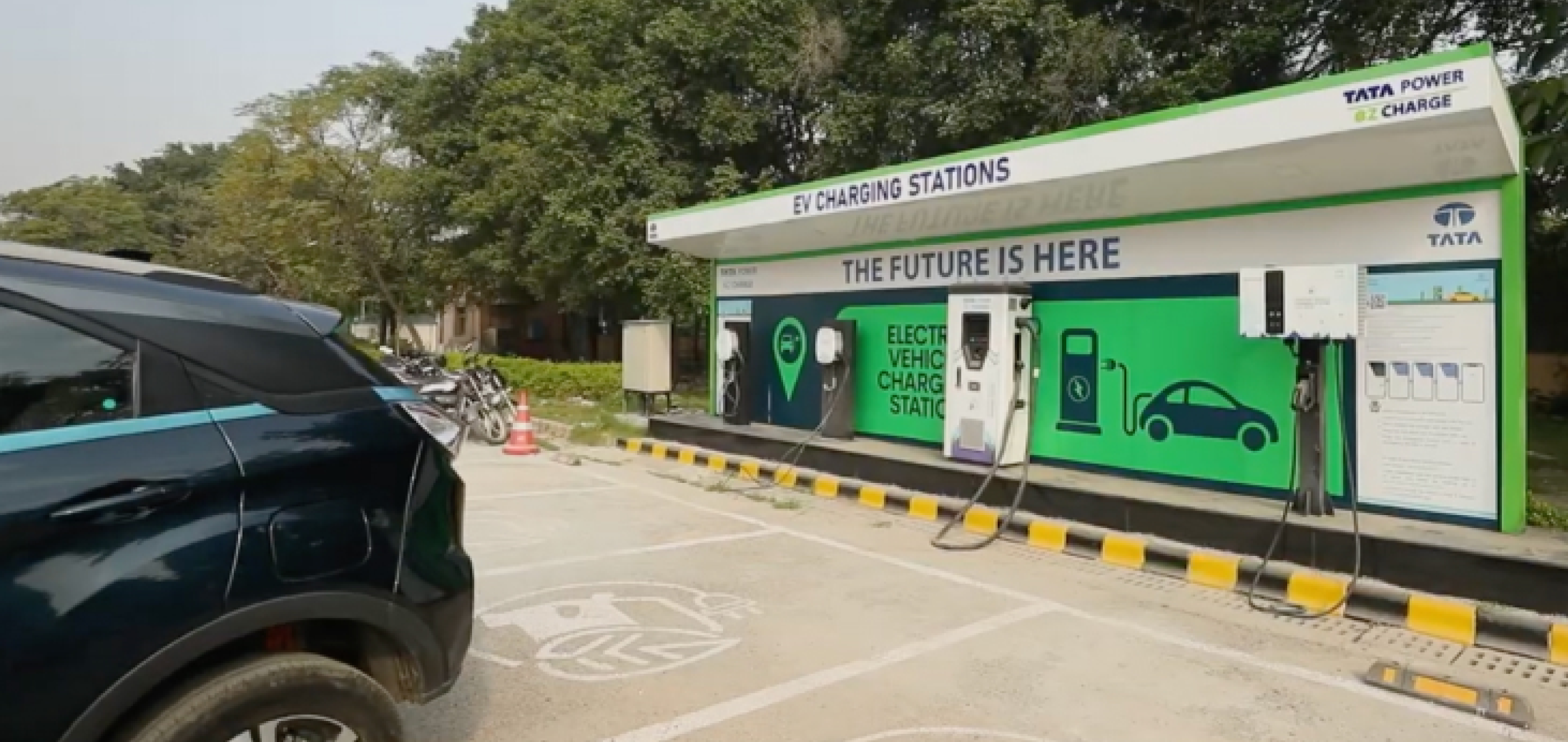
Which EV charging level suits your driving routine?
You might be wondering which EV charging level is right for my needs. The answer depends on your driving patterns, your access to charging, and how much speed and convenience you want.
Level 1 EV charging – Best for short drives
Level 1 EV charging is best if you drive 20–30 km (12–18 miles) per day or run local errands. Every night you plug into a regular 230 V (three-pin) socket at home. Charging at a gentle 2–3 kW overnight adds about 100 km (62 miles) to the range of many small and medium EVs. It doesn't require any additional hardware or installation fees, which means Level 1 EV charging is genuinely hassle-free and economical. This charging option suits vehicles that remain parked for extensive periods during nighttime hours.
Level 2 EV charging – Ideal for regular commutes
Level 2 EV charging covers longer commutes or quicker turnarounds. At a 240 V/32 circuit, a charger delivers approximately 7 kW, or 30–40 km of range per hour. A depleted battery pack can easily be refilled in 4–6 hours. Convenience like this balances speed with cost to make daily EV use more practical. Level 2 chargers are widely available, allowing you to easily charge at home, work, or public lots.
Level 3 DC fast charging – For long trips
DC fast chargers are critical for long-distance highway runs and fleet management. Delivering power between 50 and 350 kW, DC fast chargers can charge your battery up to 80% in 30–40 minutes. Planning trips or scheduling around continuous service? Plot these chargers into your route accordingly. Sticking to Level 2 EV charging at home base will minimize costs, but DC Fast Chargers will help you charge faster when time is of the essence.
Scratch. Reveal. Learn
Curiosity has its rewards
Bottomline
All things considered, ev charging levels boil down to this: Lifestyle. It's not about who charges quickest with an EV. It's about who charges appropriately for how they drive. Done right, your charging habits save time, reduce operating costs, and eliminate range anxiety without you even realizing it.
Electric cars are only going to get more convenient as adoption increases. For now, getting ahead of the crowd will give you an advantage. Select a charging method that integrates smoothly with your lifestyle. When charging your EV becomes very easy, it won't feel like you're making a compromise.

Frequently asked questions
The frequently asked questions section is a reliable source for unlocking answers to some of the most crucial inquiries. Please refer to this section for any queries you may have.
- FAQ
Yes, manufacturers must ensure that the EV charging equipment sold or installed in India adheres to standards prescribed by the Bureau of Indian Standards, particularly IS 17017. These standards include safety requirements, connector compatibility, performance parameters, and communication protocols. Certifications are required for applicable categories of chargers to ensure safe operation, user protection, and interoperability between vehicles and charging stations.
EV charging is usually divided into three levels. Level 1 uses a standard household outlet and is the slowest, often taking overnight to fully charge. Level 2 uses dedicated chargers at homes, offices, or public stations and is much faster. Level 3, also called DC fast charging, delivers high power at public stations and can recharge most EVs significantly quicker.
Absolutely. India's EV charging network is scaling up rapidly, with expansion happening fast across cities and highways. Tata Power has deployed 1.92 lakh+ home chargers pan India, operates in 650+ cities/towns, and has 6,700+ EV charging points. With such consistent growth, charging is becoming more convenient by the day, mitigating range anxiety and making electric mobility much more feasible for daily as well as long-distance travel.
Consider Level 2 if you regularly drive longer distances or want a faster turnaround between trips. The higher voltage will charge faster than plugging in at a standard household outlet. Installing a Level 2 charger at home is popular with EV owners who want the convenience of charging at home and having access to a reliable charging method if daily mileage begins to increase.
Yes. Most EVs are equipped to use multiple levels of charging depending on what's available. You can plug into Level 1 or 2 charging at home and use DC fast charging when traveling. Having multiple charging options allows drivers to pick what makes sense based on cost, convenience, and speed.
Yes. Charging solutions for EVs today also cater to apartments & housing societies. Installation involves a feasibility survey, ascertaining electrical capacity, etc., and working with your apartment's management body. Charging at home/residence is promoted by the government under current guidelines to incentivize EV adoption. So, getting your apartment or society wired up for EV charging is much easier these days.
The majority of public charging stations charge multiple EV models with universal connectors and charging networks. Tata Power charging stations provide both AC and DC charging options that support various vehicle types while ensuring most customers find compatible solutions.
Tata Power offers a mobile app that locates chargers, plans charging stops and more, and accepts payment. Tools such as charger maps and trip planners assist in alleviating range anxiety and allow drivers to plan longer trips without fear of running out of charge and not having access to an EV charger.
Sources
1. Tata Power EZ CHARGE
2. Your 101 guide to EV charging speeds & levels of EV charging
3. BIS Standards for electric vehicle Charging
4. What you need to set up an EV Charging Infrastructure in India
Keep reading...
View all