


 Contact us
One of the biggest advantages of solar panels is the ability to generate clean power right from your rooftop


Introduction
What if someone told you that an energy source could cut your electricity bills by up to 70%, while increasing energy independence, and supporting a cleaner future all at once?
That’s exactly why the advantages of solar panels are gaining popularity across India today. With India’s installed solar capacity crossing 140 GW as of February 2026, lakhs of homes, offices, schools, and hospitals are switching to solar power for smarter, more reliable energy.
If you’re exploring solar panel advantages in India, this guide walks you through the real benefits of solar panels, from savings and sustainability to long-term performance and government incentives, so you can make an informed decision before going solar.
Power Your Knowledge!
Choose correct statement.
Advantages of solar panels
When people start thinking of going up the solar road, they always ask themselves if it’s worth it. Well, the short answer is yes, it is a total game-changer. Setting up a solar panel system is not just about going green. It can help you save money, lower your electricity bills, reduce energy dependence, and increase your property value all at the same time.
Here are some of the most promising benefits of solar panels in India:
1. Reduced electricity bills
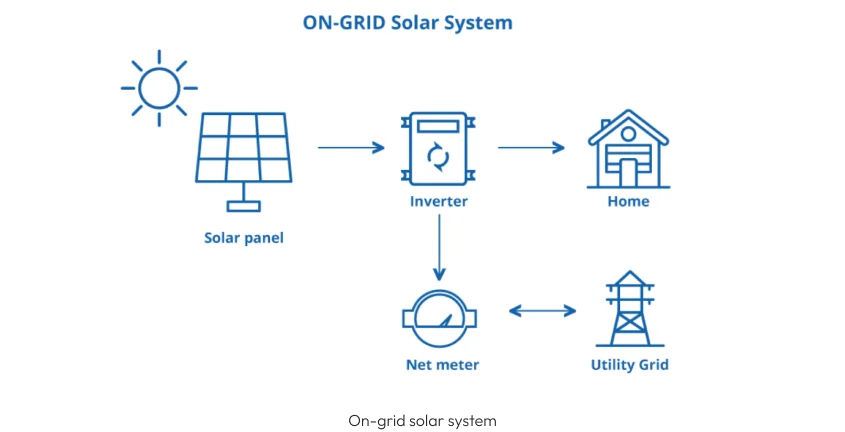
One of the biggest advantages of solar panel installation is the reduction in electricity costs. Once your system is in place, you generate your own power, and with a grid-connected system, excess energy can be exported back to the grid through net metering for bill credits.
Your actual savings will depend on your energy usage, system size, and local electricity tariffs. Typically, rooftop solar systems can reduce electricity bills by 30% to 70%, and over time, these savings add up, making solar a smart long-term investment in energy cost reduction. A 1 kW rooftop system in India can generate around 1,200–1,500 units per year, helping households save thousands annually while panels continue producing electricity for 25 years or more. With trusted providers like Tata Power, systems can be designed to maximize savings based on your location and consumption patterns.
2. Energy independence
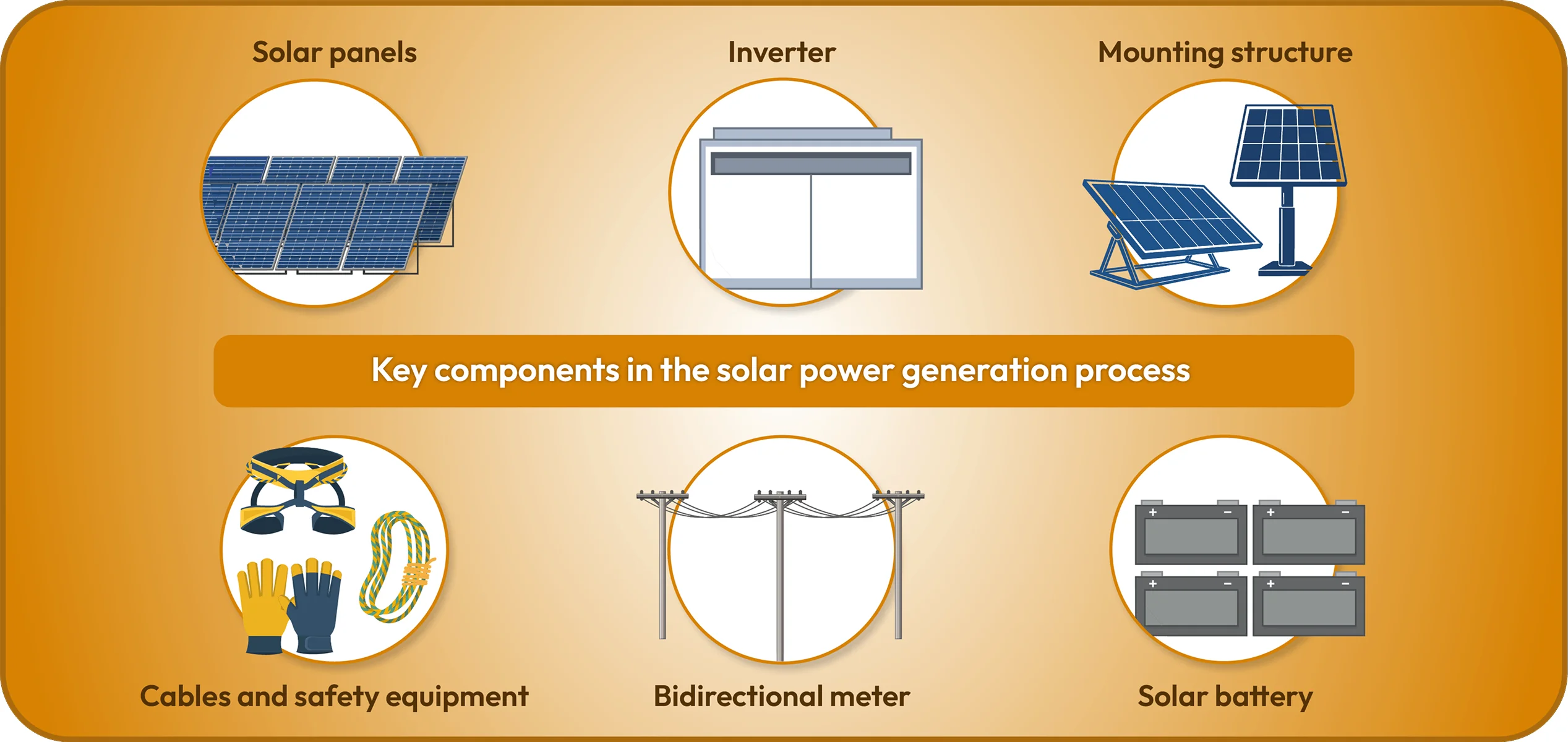
Once you’re off the grid, you don’t have to worry about load shedding hassles or untimely power outages. Solar panels put you in charge of your power needs. Nowadays solar panel systems come equipped with Battery Energy Storage Systems (BESS) that can store excess energy for use during rainy days or at night. This ensures that you have energy even when the sun isn’t out.
3. Enjoy low maintenance for years
Solar panels are surprisingly low maintenance, especially when compared to the long-term advantages they offer. A rooftop solar setup at home typically requires a basic check every six months, much of which can be handled easily. Most panels also come with long-term product and performance warranties, often up to 25 years, ensuring reliable generation over decades.
For larger installations, dedicated operations and maintenance services help ensure smooth, uninterrupted performance. With trusted providers like Tata Power, customers also benefit from robust performance warranties and structured service support, offering added confidence that the system will continue delivering optimal output year after year.
4. Stronger ESG & brand value for businesses
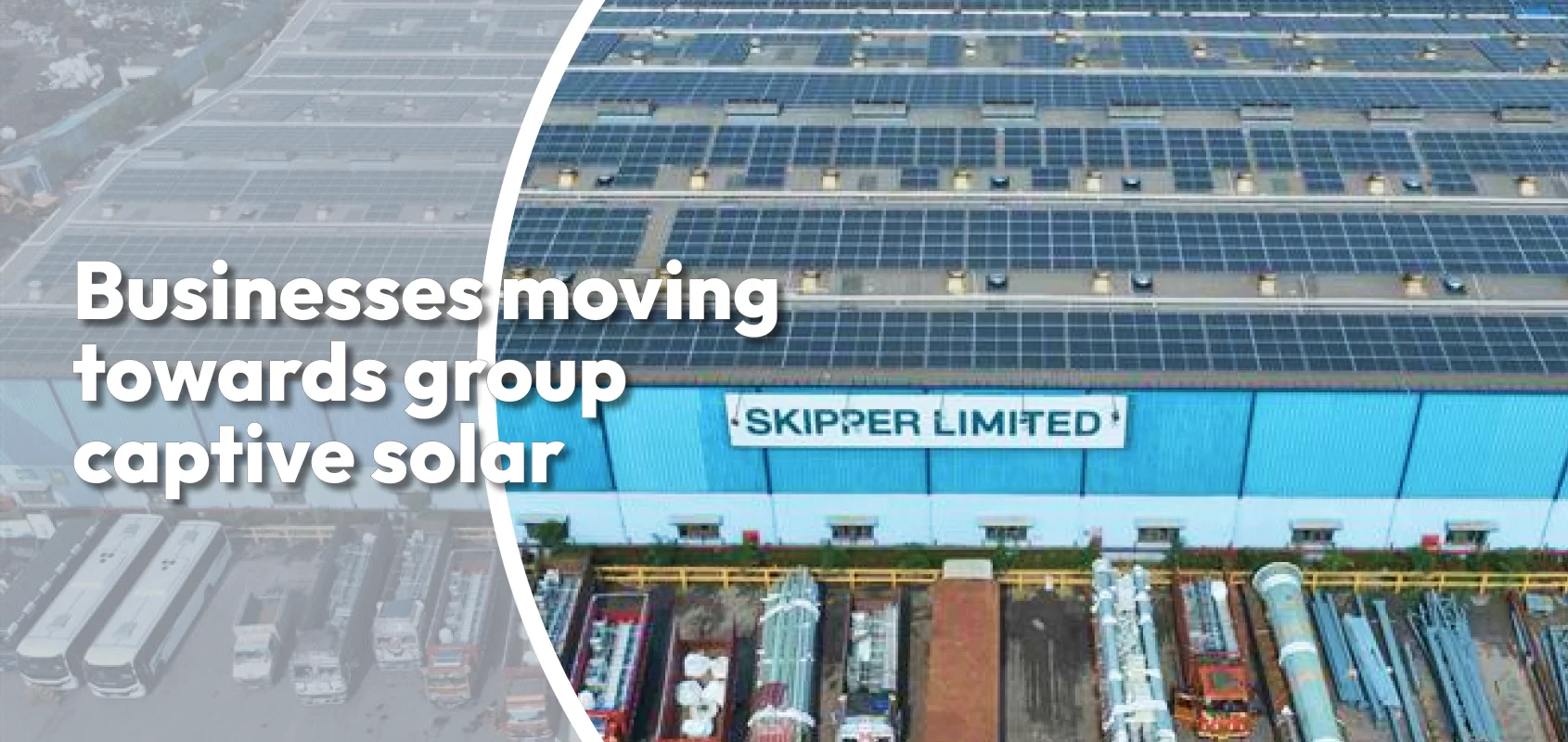
Installing solar panels directly supports environmental, social, and governance goals for your business. Solar energy cuts Scope 2 emissions, helps meet sustainability targets, and strengthens ESG reporting and investor confidence. It also improves brand perception with customers who prefer climate-responsible companies, turning clean energy adoption into both a cost-saving move and a long-term reputation advantage.
Future-forward companies are making the smart energy switch with solar. Are you ready for the big move? Explore now
5. Scalable and tailored to your needs
Solar power is not a one-size-fits-all solution. Whether you start small or plan a larger setup later, solar systems can be expanded as your energy needs grow. From compact rooftop installations for homes to larger systems for businesses, panels can be designed to match your space, budget, and electricity usage.
Tata Power, for instance, offers customized solar solutions for specific energy needs. You also get end-to-end support from site assessment and system design to installation and after-sales service, so your solar setup delivers the right performance from day one.
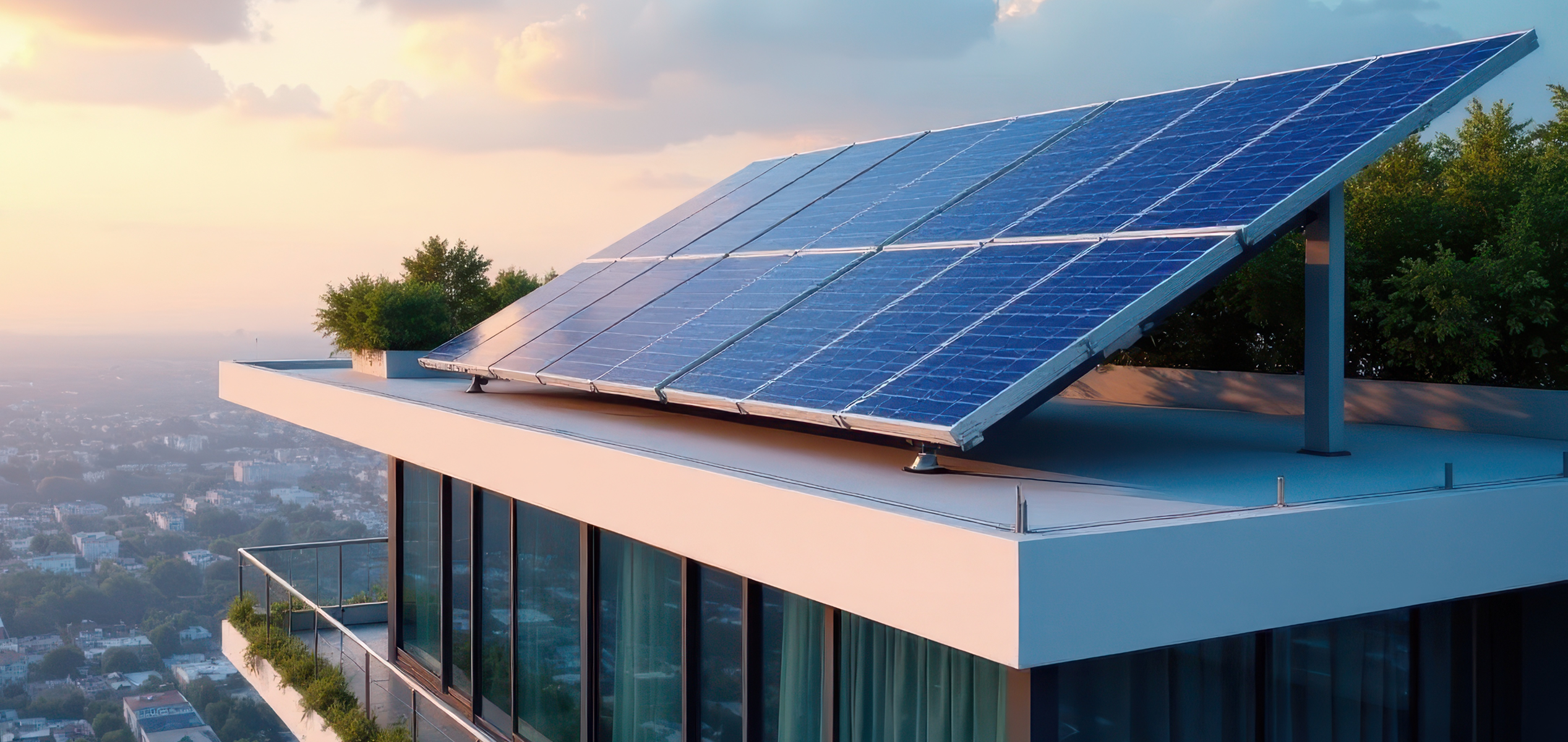
6. A sustainable way of life
One of the biggest benefits of solar panels is that they offer a sustainable alternative to conventionally polluting forms of energy. Solar energy production entails no carbon emissions or waste generation. Lakhs of Indian households and businesses are leading a greener way of life by taking the solar route.
7. Increased property value
Homes that come equipped with solar setups are highly attractive to potential buyers who are looking for smarter solutions for their modern energy needs. To this effect, many builders are installing solar setups in their new properties to gain a competitive edge in the market.
8. Save big with tax incentives and government schemes
Did you know that over 26 lakh Indian households have already benefited from government support under the PM Surya Ghar: Muft Bijli Yojana, with more than ₹14,771 crore disbursed to make rooftop solar affordable? As India moves towards its ambitious 500 GW clean energy target by 2030, schemes like this are significantly lowering the cost of adoption for homeowners, offering subsidies of up to ₹78,000 depending on system size. Combined with initiatives such as PM-KUSUM, along with state subsidies, net metering, and tax benefits like accelerated depreciation, these incentives are making the advantages of solar panels more accessible than ever for households, farmers, and businesses across the country.
Eager to explore more government subsidies available to you?

9. Silent energy generation
Conventional energy backups like generators produce excessive noise when operating, making them unfit for residential areas and office spaces. Solar panels on the other hand require no moving parts, so they operate smoothly and silently without interrupting your day.
10. Quick payback period
Most people consider solar panels to be an expensive purchase, but they are an investment. Not only do they free you from hefty monthly bills, but also redeem their cost in savings just in 4-6 years after installation. Depending on size and usage, one might also be able to earn money by sending the excess electricity back to the grid.
From lower electricity bills and long-term reliability to stronger brand reputation, ESG impact, and energy independence, the advantages of solar panels add up quickly. With customized rooftop solutions, financing support, and nationwide expertise from Tata Power, switching to solar is simpler than ever.
Ready to take the next step? Explore our complete guide to solar panels, covering panel types, system sizing, subsidies, installation, and maintenance, so you can move from interest to installation with confidence.

Looking for a deep-dive into solar panels?
Here is an end-to-end guide on solar panels that’s got you covered.
Finding the right solar panel for you
As the demand for solar grows, so do the options in the market. From high-efficiency monocrystalline panels to modern Perovskite ones, there is so much to choose from. If you’re exploring the best way to go solar, look no further. Here is the full scoop on the best solar panels in India. Read now!
When your solar solution is customized to your needs, the benefits of solar panels show up faster and last longer.
With so many technologies and configurations available, choosing the right system can get complex. This is where expert-led providers like Tata Power help simplify decisions with tailored recommendations based on your energy needs, budget, and space.
Bottomline
Solar energy is a practical step toward lower bills, reliable power, and a cleaner future. With improving technology and supportive policies, the advantages of solar panels are easier to access than ever. Partnering with an experienced provider like Tata Power can help you choose the right system and enjoy the real benefits of solar panels with confidence.
A smart solar decision today can power your savings and sustainability for years to come.
Frequently asked questions
The frequently asked questions section is a reliable source for unlocking answers to some of the most crucial inquiries. Please refer to this section for any queries you may have.
- FAQ
Yes, solar panels are worth it in India. With high sunlight availability, rising electricity tariffs, and government subsidies, solar systems often deliver strong long-term savings in India. Many homes cut their electricity bills by 30–70%, and the advantages of solar panels include lower dependence on grid power, cleaner energy, and better property value.
It takes usually 4–6 years to recover solar panel investment. The payback period depends on system size, electricity usage, and local tariffs. Subsidies and net metering can shorten this period further. Since panels last 25+ years, most of their lifetime becomes pure savings, which is one of the biggest solar panel advantages.
Yes, solar panels increase property value. Homes with rooftop solar are attractive to buyers because they promise lower electricity bills and reliable power. Many developers now include solar in new projects for this reason. These long-term savings are among the practical benefits of solar panels for homeowners.
Several government subsidies are available in India.
For example, under PM Surya Ghar: Muft Bijli Yojana, homeowners can receive subsidies of up to ₹78,000 depending on system size. Farmers can benefit from PM-KUSUM, while net metering, state subsidies, and tax benefits like accelerated depreciation help businesses. These schemes make solar panels benefits more accessible across India.
25–30 years is the typical lifespan of solar panels. Most panels come with 25-year performance warranties and lose only about 0.3–0.8% efficiency per year. With regular cleaning and maintenance, they continue generating electricity for decades, which is why the advantages of solar panels extend long after installation.
Keep reading...
View all