


 Contact us
Smart energy management optimizes operations


Introduction
Did you know that nearly 45% of a factory’s operational cost comes from energy use? As industries embrace automation and sustainability, managing this energy smartly has become essential. That’s where smart energy management systems come in, helping factories monitor, analyze, and optimize power in real time.
In India’s growing manufacturing sector, smart energy management is not just about lowering electricity bills. It’s about improving efficiency, ensuring reliability, and preparing for a cleaner, tech-driven future.
So, how do factories turn this idea of smart energy into action? Let’s break down what smart energy management really means for industrial operations.
What is smart energy management for factories?
Smart energy management is all about using technology to monitor, control, and optimize energy consumption in factories. Instead of manually tracking machines, lighting, and HVAC systems, smart energy management systems collect real-time data, highlight inefficiencies, and suggest ways to save power.
In practical terms, it’s like giving a factory a brain for its energy. Sensors, IoT devices, and software work together to:
- Track energy consumption across machines, lighting, and other systems in real time
- Identify areas where energy is being wasted or overused
- Predict future energy demand and optimize usage accordingly
- Automate adjustments to reduce costs and improve efficiency
In India, factories are increasingly adopting these systems to cut rising electricity bills, comply with environmental regulations, and stay competitive. Whether it’s a textile unit in Tirupur or an automotive plant in Pune, smart energy management is helping manufacturers make smarter, cleaner choices.
This understanding sets the stage for exploring the tangible ways smart energy management can make factories future-ready.
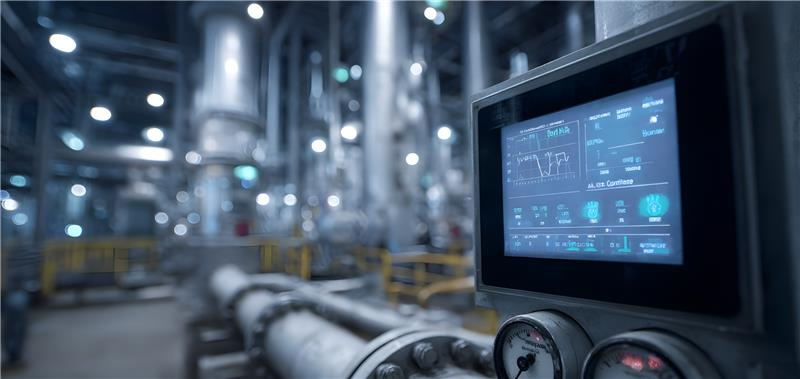
How smart energy management helps factories?
Smart energy management is more than monitoring electricity usage. By using smart energy management systems and smart energy solutions for factories, organizations can optimize operations, reduce costs, and achieve sustainability goals. These systems provide real-time insights, predictive intelligence, and automated controls, helping factories become future-ready.
Here’s how factories can benefit from adopting smart energy management solutions:
- Real-time energy monitoring: With a smart energy management system, factories can track electricity consumption across machines, lines, and departments instantly. This helps identify inefficiencies, minimize energy waste, and monitor performance continuously.
- Energy benchmarking: Smart energy systems for factories enable comparing energy use across shifts, production lines, or sections. This benchmarking helps managers spot trends, evaluate energy efficiency, and target areas for improvement.
- Predictive maintenance: Advanced smart energy management solutions detect unusual energy patterns that may indicate equipment wear or potential faults. Early detection prevents costly downtime and prolongs equipment life.
- Load optimization: By scheduling high-energy machines during off-peak hours or balancing loads across equipment, smart energy systems reduce demand charges and stabilize energy use across the facility.
- Integration with renewable energy: Factories using smart energy management systems can coordinate solar panels, wind turbines, or other green sources. This reduces reliance on the grid, lowers carbon footprint, and supports sustainability initiatives.
- Data-driven decision-making: Energy insights from smart energy management solutions guide capital investments, production planning, and process upgrades. Decision-making becomes more informed and efficient.
- Demand response participation: Smart energy systems for factories allow automated adjustments to energy consumption in response to grid signals, reducing costs while supporting overall grid stability.
- Automated controls: These systems automatically switch off idle machines, lights, or HVAC units based on usage patterns. Automation reduces waste while ensuring production continuity.
- Cost reduction: Factories benefit from lower electricity bills, optimized peak usage, and reduced operational expenses through smart energy management systems.
- Improved operational efficiency: Integrated smart energy systems streamline workflows, schedule maintenance effectively, and minimize resource wastage.
- Environmental sustainability: Smart energy management solutions support renewable integration, lower emissions, and help factories meet green energy targets.
- Reliable energy supply: Proactive energy monitoring ensures uninterrupted power and reduces risks from outages.
- Actionable data insights: Real-time analytics from smart energy management systems provide actionable intelligence for operational and strategic decisions.
- Regulatory compliance: Automated tracking and reporting in smart energy systems simplify adherence to environmental and energy efficiency standards.
- Scalability: As factories expand or add new equipment, smart energy management solutions scale effortlessly without compromising efficiency.
- Integration with Industry 4.0: Combining smart energy management systems with IoT, automation, and predictive tools enhances operational intelligence and efficiency.
- Remote monitoring & control: Managers can oversee multiple sites from a single dashboard, making smart energy management solutions ideal for large industrial setups.
- Return on investment (ROI): Beyond energy savings, these systems reduce operational costs, improve productivity, and deliver measurable financial benefits over time.
By adopting smart energy management solutions, factories not only save energy and reduce costs but also become more agile, sustainable, and future-ready.
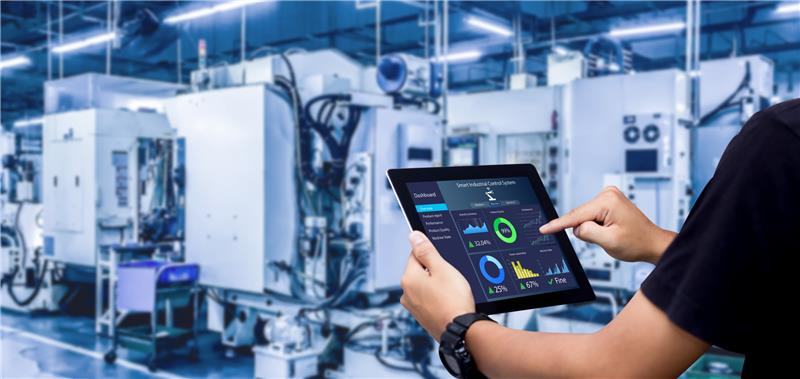
A smart energy management system supports sustainable operations
Smart energy management solutions by Tata Power
Tata Power offers advanced smart energy management solutions tailored for factories across India. These solutions combine real-time monitoring, automation, and data analytics to optimize energy use, reduce costs, and support sustainable operations.
Key offerings include:
• Real-time energy monitoring: Tata Power’s systems track electricity consumption at every level, from individual machines to entire production lines. Factories can quickly spot inefficiencies and take corrective action.
• Automated controls: Lights, HVAC systems, and idle machinery can be managed automatically, reducing energy waste without manual intervention.
• Load optimization and demand management: By scheduling high-energy operations during off-peak hours and balancing loads across equipment, factories can cut peak demand charges and avoid unnecessary energy costs.
• Integration with renewable energy: Tata Power’s solutions seamlessly coordinate solar panels, wind turbines, and other green sources with factory operations, enabling cleaner energy consumption.
• Data-driven insights: Detailed energy reports help management plan upgrades, optimize production schedules, and make informed investment decisions.
• Employee engagement tools: Interactive dashboards provide factory staff with insights into their energy use, encouraging energy-efficient behaviors on the shop floor.
By implementing Tata Power’s smart energy management systems, factories achieve operational efficiency, cost savings, and take a significant step toward sustainability. Ready to adopt solutions that help manufacturers become future-ready while supporting India’s broader green energy goals?
Discover how Tata Power can transform your factory’s energy management. Explore now!
Bottomline
Implementing smart energy management systems helps factories operate efficiently, reduce energy waste, and lower operational costs. With smart energy management solutions, manufacturers can monitor electricity use in real time, detect inefficiencies, and make data-driven decisions that enhance productivity. These systems also support predictive maintenance, automate controls, and integrate renewable energy sources, ensuring smoother operations and less downtime. By adopting smart energy systems for factories, companies can cut costs, reduce carbon emissions, and strengthen sustainability efforts. Beyond savings, these solutions make factories more resilient, competitive, and future-ready, positioning them for long-term growth in India’s evolving industrial landscape.
Frequently asked questions
The frequently asked questions section is a reliable source for unlocking answers to some of the most crucial inquiries. Please refer to this section for any queries you may have.
- FAQ
The main function of EMS is to optimize energy usage and improve efficiency. Energy Management Systems (EMS) continuously monitor, measure, and control energy consumption in buildings, factories, and industrial plants. They use real-time data, predictive analytics, and smart energy management strategies to reduce energy waste, lower operational costs, and support sustainability initiatives.
An EMS system is a platform that integrates hardware and software to monitor, control, and optimize energy. It typically includes smart meters, sensors, automation devices, and industrial energy management software. By analyzing energy consumption patterns, the system enables organizations to implement smart energy management solutions and make data-driven decisions.
An example of a smart energy system is a solar-powered microgrid with integrated storage and AI controls. Smart energy systems for factories or commercial facilities combine renewable energy sources like solar or wind, battery storage, IoT sensors, and AI-based optimization to balance supply and demand while reducing energy costs.
The concept of smart energy is using advanced technology to manage, optimize, and reduce energy consumption. Smart energy management integrates IoT, artificial intelligence, and automation to control energy flows, predict usage patterns, and provide actionable insights, ultimately supporting sustainable and efficient operations.
A smart energy management system for buildings controls, monitors, and optimizes energy use across all systems. This includes HVAC, lighting, elevators, and appliances. By using real-time data, AI-driven analytics, and automated control strategies, the system implements smart energy management solutions to reduce costs, minimize environmental impact, and improve occupant comfort.
Factories use electricity, gas, and sometimes renewable energy sources to power production processes. Industrial energy management software tracks consumption across machines and systems, identifies inefficiencies, and implements optimization strategies. Smart energy systems for factories help reduce peak loads, manage energy costs, and support sustainability targets.
The software for energy management is called an Energy Management System (EMS). This software collects data from smart meters and sensors, provides analytics and reporting, and enables automation. It forms the backbone of smart energy management, helping businesses implement smart energy management solutions efficiently.
The energy management system for industries is industrial EMS software designed to monitor and optimize plant energy usage. It integrates real-time energy monitoring, predictive analytics, and automated control to manage peak demand, improve process efficiency, and reduce operational costs, making it a key tool in industrial energy management.
Industrial energy management is the systematic process of reducing energy consumption in industrial facilities. It relies on industrial energy management software, smart energy management strategies, and continuous monitoring to optimize production processes, reduce waste, and lower carbon emissions while maintaining operational efficiency.
AI is used in energy management to predict energy demand, optimize consumption, and automate control systems. Smart energy management systems leverage AI algorithms to analyze real-time data from meters, sensors, and industrial equipment, enabling predictive maintenance, load balancing, and the implementation of smart energy management solutions for buildings and factories.
Sources
What is an Energy Management System? – GridX
A Smart Energy Management System for Residential Buildings Using IoT and Machine Learning – ResearchGate
Smart Energy Management – Hitachi
The Role of Energy Management Systems in Smart Factories – Manufacturing Tomorrow
Smart Energy Management – Deloitte
IoT-Based Smart Energy Management System – Rishabh Software
Industrial Energy Management Services – Siemens
Smart Energy Management Systems – ABB
Smart Energy Monitoring for Manufacturers – Smarter Technologies
Smart Energy Management – Tata Power Trading
Keep reading...
View all