


 Contact us
Cinema became an inclusive medium to talk about neurodiversity


Introduction
Lasting change grows when people feel supported through the small, everyday steps that shape their lives. For Tata Power, powering transformations is not a campaign but a continuous commitment to notice what communities need and stay present long enough to make a difference. Through the Pay Autention initiative, the company works closely with families, educators, and local champions to build awareness around neurodiversity, support caregivers, and make early help easier to access. The effort is steady, personal, and centered on simple actions that make someone’s day a little clearer, calmer, and more hopeful.
To deepen this connection, we brought cinema into the heart of the work. Tanvi The Great offered a story that felt real, and families saw pieces of their own journeys in it. The screenings brought together 5,000 people, including 3,315 neurodivergent individuals, along with parents, caregivers, journalists, and representatives from government institutions and UN agencies. The intent behind this gathering was clear: create a shared space where key decision-makers and storytellers could witness the ground realities first-hand and carry these conversations into mainstream platforms. These moments encouraged honest dialogue, strengthened understanding, and helped build a collective commitment to reshape how support, inclusion, and early help are viewed across society. Read on to see how one story opened a wider doorway for awareness and action that continues beyond the screen.
The creative partnership
When we watched Tanvi The Great, directed by Anupam Kher, the story stayed with us long after the credits. The film echoed the lives of countless families, educators, and caregivers who navigate neurodiversity with courage and hope. Its themes matched what Pay Autention stands for: Seeing potential, nurturing strength, and honoring dignity.
This partnership was not about celebrity endorsements. It was about alignment. A film rooted in authentic emotion met with an initiative committed to listening and support. Together, they created space for communities across India to come together and rethink the way we look at neurodiversity.
That wider audience made it easier to begin practical conversations about early detection, support, and changes that make public spaces more welcoming.
Inviting government representatives, UN agencies, and journalists ensured that these conversations did not stay within community circles but moved into public discourse, policy meetings, and media spaces where change accelerates

Why did we choose cinema as a medium?
Cinema has a unique ability to build empathy. A well-told story invites viewers to inhabit another person’s world, experience emotions at scale, and take those insights into real life. For an initiative built on shifting perceptions and encouraging early intervention, a film screening becomes more than an event; it becomes a shared experience that can change how people think and act.
By using the film medium -
1. The narrative touches hearts rather than just data-driven facts.
2. An inclusive audience can share emotional moments, forging a community.
3. The medium becomes a springboard for conversation, not just a one-way message.
Cinema relies on sensory detail, sound, pacing, and environment — elements that directly speak to inclusive and neurodiversity-aligned design.
This shared emotional entry point made it easier for policymakers and media voices to understand lived realities without abstraction
Designing an inclusive screening experience
To make each screening genuinely inclusive rather than a token event, Tata Power designed the experience with sensory, social, and practical accessibility in mind. Each choice had a clear purpose.
Key design elements
1. Lowered and softened lighting - Many neurodiverse individuals are sensitive to bright or flickering lights. Harsh lighting can trigger anxiety or sensory overload, which interferes with the ability to follow a film or take part in post-film conversations. Dimming house lights and avoiding sudden flashes reduced visual stress and helped the audience feel calm and focused.
2. Controlled sound levels - Loud, unpredictable audio can overwhelm people with auditory sensitivities. The sound output was adjusted to a comfortable range for sensitive listeners while keeping dialogue and emotional cues clear. This ensures the storytelling remains effective without creating distress.
3. Sensory zone (calm room) - A dedicated space adjacent to the auditorium where visitors could step out to decompress. The sensory zone offered soft seating, low lighting, visual cues for calm, and guided support from special educators. It served everyone: a place for anyone who needed a quiet pause or a moment to self-regulate.
4. Noise-cancelling headphones and sensory aids - For attendees who preferred a lower auditory load, noise-cancelling headphones were available. Visual schedules and simple signage explained the screening flow, so anxious or first-time attendees could anticipate what would happen next.
5. Pre-show orientation - Short, friendly pre-show briefings explained the venue layout, rules, and where to find assistance. This reduced uncertainty for caregivers and participants and set expectations without policing behavior.
6. Trained volunteers and special educators on site - Special educators and trained volunteers were present throughout, in the auditorium, at entry points, and in the sensory zone. Their role was to help with seating preferences, guide caregivers, and support post-film conversations with sensitivity and practical resources.
7. Relaxed house rules - Recognizing that neuro-divergent attendees may need to move, make noises, or step out, the screening encouraged acceptance rather than silence and stillness. Ushers were briefed to be welcoming, not correct.
The cities that opened their doors to inclusion
Tata Power approached each screening as a community moment rather than a formal event. Parents, caregivers, teachers, special educators, NGOs, and local representatives came together, and in many cities, we also brought in government institutions, UN agencies, and journalists. The intention was to place community voices and lived realities directly in front of those who shape systems and narratives.
What started in Mumbai gradually travelled across the country, reaching 10 more cities -
1. Delhi
2. Bengaluru
3. Chennai
4. Hyderabad
5. Kolkata
6. Jamshedpur
7. Bhubaneswar (Odisha)
8. Rourkela (Odisha)
9. Balasore (Odisha)
10. Berhampur (Odisha)
Across these locations, more than 5,000 participants attended the screenings and the subsequent sensitization activities. These post-film conversations were practical and reassuring. Caregivers asked questions; educators explored ways to create more inclusive classrooms, and local partners helped families understand where to find support. Together, these moments helped turn a film into a starting point for real, accessible action.
Impact and learnings
The outcomes were quiet, humane, and practical. We saw clear patterns that went beyond applause and attendance. Below are the main areas where changes happened -
Immediate emotional impact
Children were relaxed. Caregivers felt heard. The film created shared moments that allowed people to connect without pressure. Those emotional shifts made follow-up conversations more open and honest.
Community building
The screenings became places to meet others facing similar challenges. Families exchanged contacts. Educators shared resources. Local organizations began to form support networks. These connections made it easier for people to find help after the event.
Mainstream sensitization
Government partners, UN agencies, and journalists gained a clearer understanding of the everyday challenges faced by neurodivergent individuals. Their presence helped carry these conversations forward into policy rooms, training discussions, and wider public platforms.
Increased awareness of sensory needs
Venue teams and partners learned that small adjustments matter. Softer lights, gentler sound, and a calm space removed real barriers to access. These operational changes have influenced how subsequent Tata Power events are organized.
Practical outcomes and next steps
Post screening sessions focused on early detection, local referrals, and where families could seek help. The aim was not only to move people emotionally but also to connect them to services and local support systems.
The biggest lesson was simple. Inclusion grows when people are invited to show up as they are and when events make it easy to take the next step.
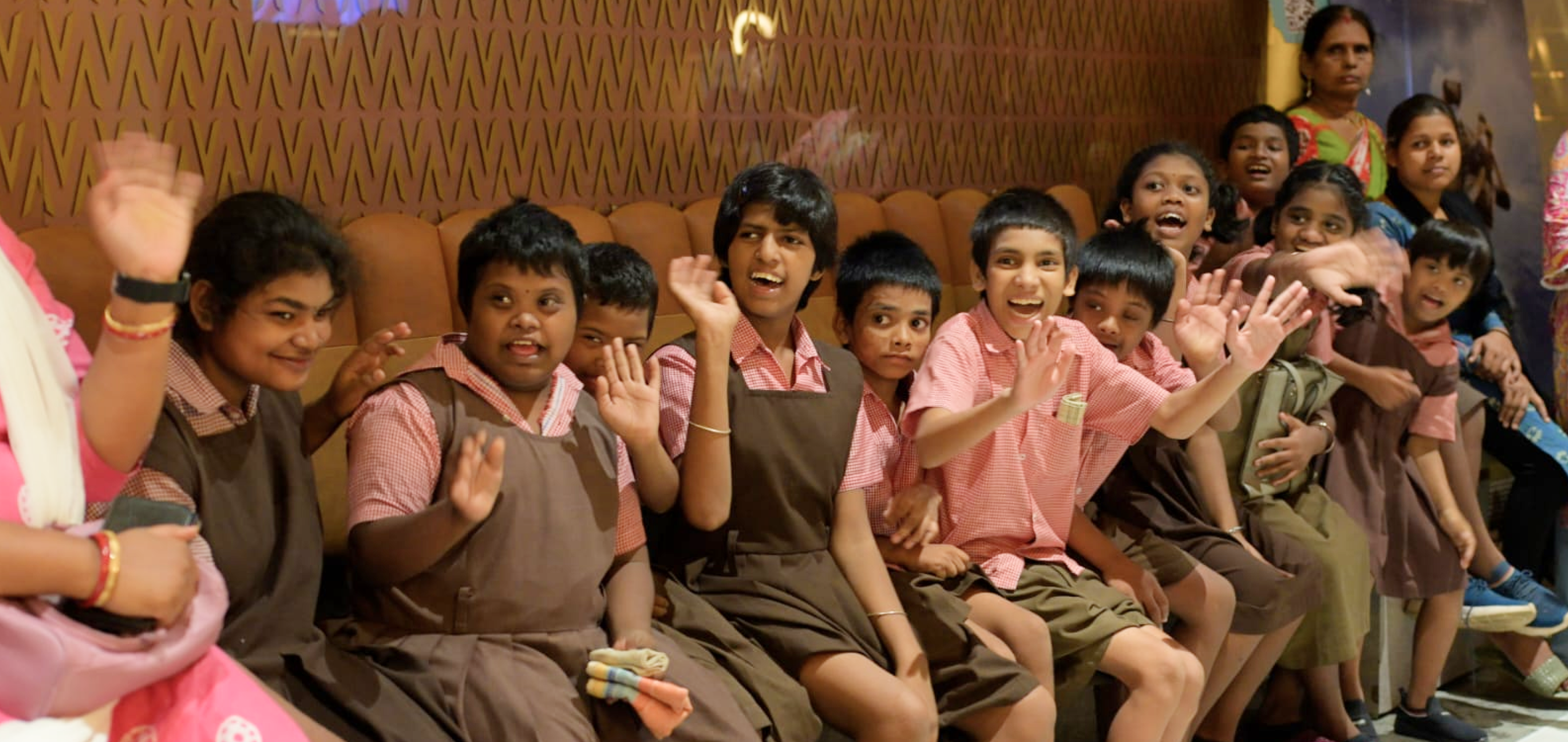
A caring space wherever every individual is welcome
About Tanvi The Great
Tanvi The Great tells the story of a young woman on the autism spectrum who chooses to pursue her father’s dream in her own way. The film invites viewers into her journey with quiet sincerity, showing moments of confusion, courage, small victories, and the strength hidden in everyday life.
Across cities, the film became more than a screening. Families saw their own unspoken emotions in Tanvi, while educators and caregivers reflected on the environments they created. The conversations that followed reminded everyone that understanding begins with seeing each individual fully, and that every person carries their own rhythm, pace, and potential.

Bottomline
Using cinema, Tata Power turned a single story into many small, meaningful actions. Pay Autention brought people into the same room, gave them a film that spoke with warmth, and then created a space that welcomed every person. By creating a space where community members and institutional stakeholders could sit together, the screenings bridged the gap between lived experience and mainstream attention. The result was not only moving hearts but also new connections, clearer understanding, and practical pathways to support neurodiversity.

Keep reading...
View all