


 Contact us
SOLAR ENERGY
On-Grid vs Off-Grid Solar: Where does the difference begin?
September 30, 2026


Sections
COP30 in Belém Brazil brought nations to the Amazon to face the realities of limiting warming protecting vulnerable communities and scaling finance and adaptation. The conference produced negotiated outcomes to accelerate action and strengthen resilience while exposing divisions over fossil fuel transition and financing gaps. To understand what those signals felt on the ground, we turned to Prachi Shevgaonkar, Tata Power’s Climate Ambassador and Founder of Cool the Globe.
Read on for a holistic view of what COP30 felt like from inside the venue, and how the people, priorities, and negotiations shaped the way global climate commitments begin to work locally.
Walk into any COP and the sensory overload is immediate. Two weeks of compressed activity, tens of thousands of people, and dozens of events happening at once make the venue feel like a city inside a city. When you arrive, you are processed: badge photo, security checks, and then you join a steady stream of people moving between pavilions, negotiation rooms and side events. Expect long hallways, closed-off blocks, and an average of 10,000 to 20,000 steps a day for many attendees. For those who fast on plant-based options or are vegetarian, food can be scarce, which compounds the physical strain and turns each day into a battle of endurance as much as attention.
The COP experience begins before you reach the venue. Flights to faraway host countries, like Brazil for COP30, are filled with people already planning, networking, and briefing one another. Conversations happen at airports and over shared rides; by the time the venue opens, you already know who is doing what and where to find them. That pre-conference networking primes the event for door-openings and introductions that can otherwise take months to foster.
COP venues are typically split into two broad zones -
1. The blue zone: The formal negotiation space, restricted, credentialed, and where party members hash out the legally binding language of agreements. Access is limited to official delegations and party members.
2. The green zone: Public-facing, open to civil society, organizations, and the city’s residents. Here you’ll find organizational pavilions, exhibitions, and a steady stream of side events that look and feel like a festival of ideas.
Country pavilions sit like islands of identity; each is an opportunity for a nation to showcase its climate story, targets, and partnerships. Corporate and NGO pavilions sit nearby, creating a dense ecosystem of conversations that run parallel to government negotiations. For citizens of the host city, the green zone is an invitation. Visiting a COP often becomes their first meaningful encounter with climate discourse. That ripple - local awareness and change sustained after the conference can be one of the most tangible legacies a COP leaves behind.
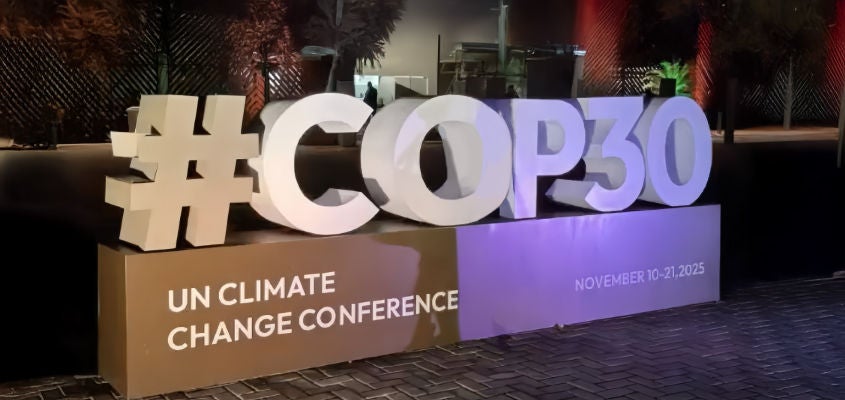
COP 30 is the gateway to climate action
Beyond the headline negotiations, much of the influence at COP happens in side events. These are panels, workshops, and informal briefings hosted across the venue. Scientists, CEOs, activists, and young leaders use side events to present breakthroughs, push narratives, and pressure negotiators from the margins.
Side events also democratize the COP. Delegates who cannot enter closed negotiation rooms still get to shape the conversation by -
1. Seeding media narratives
2. Building coalitions
3. Handing negotiators concrete proposals
It’s where ambitious projects meet practical partners and where the lofty language of treaties begins to pick up implementation partners.
A COP negotiation agenda is broad, but a handful of themes consistently dominate conversations -
1. Mitigation: actions that reduce greenhouse gas emissions, from national targets to sectoral transitions.
2. Adaptation and resilience: how societies prepare for and respond to climate impacts that are already here.
3. Loss and damage: support for communities already suffering climate disasters; COP27’s decision to establish a loss-and-damage fund remains a milestone in this area.
4. Climate finance: how much money is mobilized, who pays, and how funds reach the most vulnerable.
5. Just transition: ensuring the shift away from fossil fuels protects jobs and livelihoods. COP28 marked the first time fossil-fuel transition was formally part of negotiations, opening space for in-depth debate.
6. Carbon markets and transparency: rules that determine how emissions trading works and how progress is tracked.
7. Technology and capacity building: bridging know-how gaps and training people to operate clean systems.
8. Land use: crucial in host nations with major ecosystems, such as Brazil and the Amazon, where equitable land-use decisions matter deeply.
These topics are repeated year after year, but the nuance and political weight around each shift with every COP.
Recent conferences set important precedents:
1. COP27 delivered a historic loss-and-damage fund, shifting attention from mitigation-only debates to the justice of supporting countries already suffering climate impacts.
2. COP28 formally put the fossil-fuel transition on the negotiation table, broadening the scope of what negotiators considered negotiable.
3. COP29, held at a venue with a very public profile, elevated finance commitments with a push by developed countries to mobilize substantial resources for climate action in developing countries.
These moments influence corporate strategies and national policies. Organizations that pay attention, like energy companies and utilities, use these signals to adjust investment, resilience programs, and community work.

Cool the globe is empowering changemakers to combat climate change
Beyond policy and outcomes, COPs are human gatherings where narratives get personal. Ministers, CEOs, and researchers mingle in corridors or at lunch. That accessibility matters. For people who spend years trying to get a meeting with a policymaker, COP can compress opportunity into a single handshake or corridor chat.
Small personal details linger in memory:
1. A negotiator who remembers a recurring face by a nickname
2. A young climate technologist who created an app and now represents a major organization
As Prachi explained, noting that the environment minister had given her the nickname, "So the keyword that he had assigned to me was Pune App Girl. So, every time he sees me at COP, he comes across me at a negotiation hall. He addresses me as Pune App Girl and now also as Tata Power Girl. So that has sort of become my introduction at COP."
These human arcs, where grassroots solutions meet institutional scale, translate policy language into operational programmes.
You don’t need a blue-zone badge to act on the signals that come out of COP. Here are practical, repeated takeaways that translate global discussions into local action:
1. Follow the themes, not the headlines - Negotiation language is technical; track the core themes such as finance, adaptation, just transition, and understand how they filter into local policy.
2. Use side events as launchpads - If you have a project, a pilot, or research, bring it to side events. They’re fertile ground for partnerships.
3. Network intentionally - People travel across sectors. Bring clear asks and a one-line pitch; you might find a funder or partner on the spot.
4. Prepare for long days - Logistics matter. Expect extra walking, limited vegetarian options, and long lines. Pack resilient energy: good shoes, snacks, and a concise elevator pitch.
5. Bring local stories - Negotiators respond to concrete case studies. If you represent a community, prepare short, evidence-backed stories about how climate impacts are playing out locally.
Think beyond the conference - COP’s city-wide makeover and attention often leave lasting civic investments. Engage your local agencies early to channel this momentum.
When global negotiation trends shift, corporate strategy responds. COP signals matter because they reshape the operating environment: finance flows, regulation, and public expectations. Loss-and-damage language influences adaptive and resilience planning. Fossil-fuel-transition talk changes investment horizons. For organizations engaged in community work, COP outcomes validate and amplify local initiatives, making it easier to secure funding and policy support for projects that increase resilience, provide clean energy, or protect vulnerable communities.
Skeptics ask whether a yearly COP is worth the cost and attention. COPs are imperfect but necessary. They provide a recurring global checkpoint where commitments are renewed, rules are refined, and political pressure is concentrated. Progress is incremental and often slower than activists’ demands, but every major shift - whether it’s a finance commitment, a new fund, or a clarified rule for carbon markets requires patient, technical negotiating.
COPs also create a platform where corporate, civic, and scientific actors can accelerate implementation. That bridging role - from text to action - is where annual gatherings earn their keep.
For organizations or individuals planning to be at a future COP or to act on its outputs, consider this three-step framework -
1. Scan: Map the sessions, pavilions, and delegates aligned to your priorities.
2. Seed: Use side events to plant ideas, present pilots, ask for commitments, and exchange contacts.
3. Scale: After the COP, convert contacts into MOUs, pilots into funded projects, and policy recommendations into advocacy campaigns.
This loop - Scan, seed, scale keeps COP participation strategic rather than performative.
A COP’s power is not just in treaties and communiqués, but in the countless smaller agreements and conversations that ripple into the world. An app started in a dorm room can become a movement. A side-event connection can lead to a funded pilot. A minister remembered in a hallway can become a long-term ally.
If you ever get the chance to go, go prepared, but also go willing to walk, to listen, and to share. COPs are strenuous, fascinating, and, above all, human gatherings. They remind us that climate action is as much about relationships and persistence as it is about policy language. The next time COP convenes, consider not only what you’ll learn, but who you’ll meet, and how that meeting might change what you can do when you return home.
Keep reading...
View all